ASUS ROG GL703GE-ES73 RAM upgrade specifications

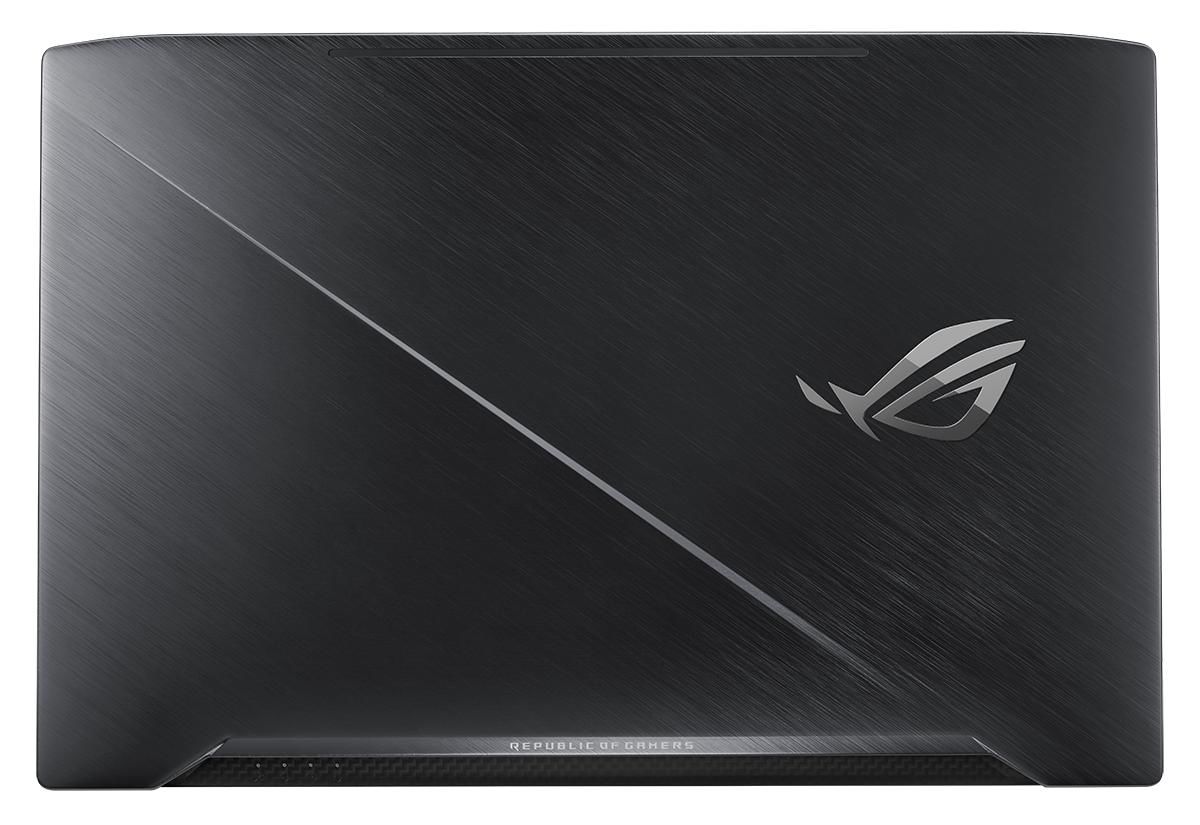
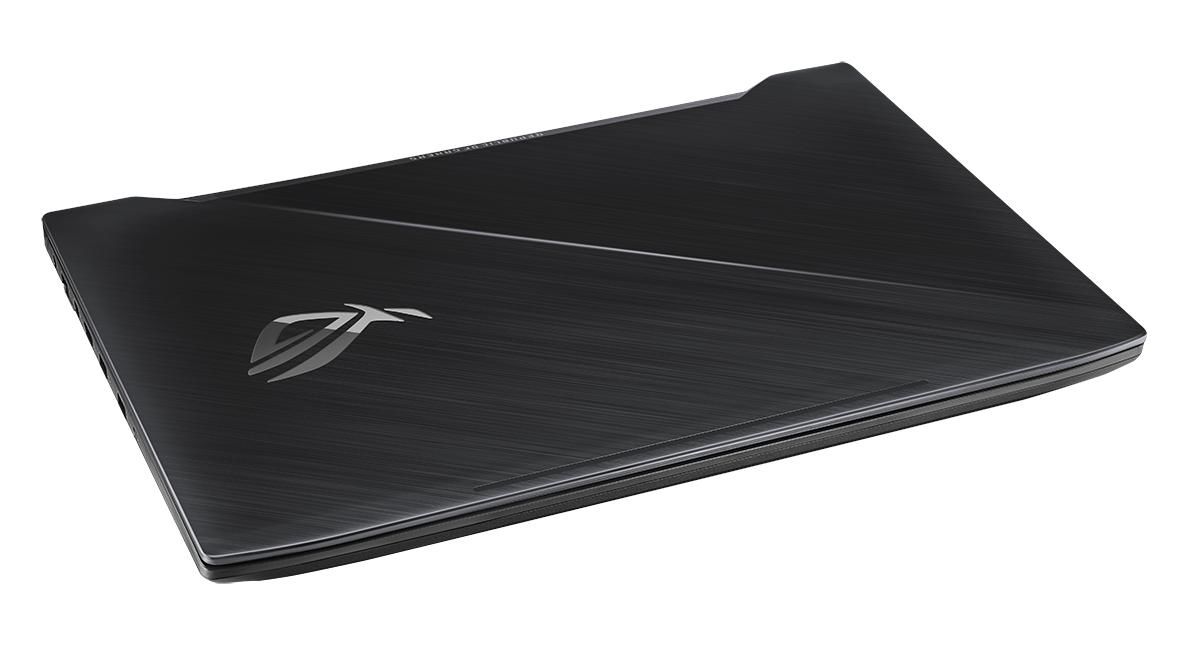
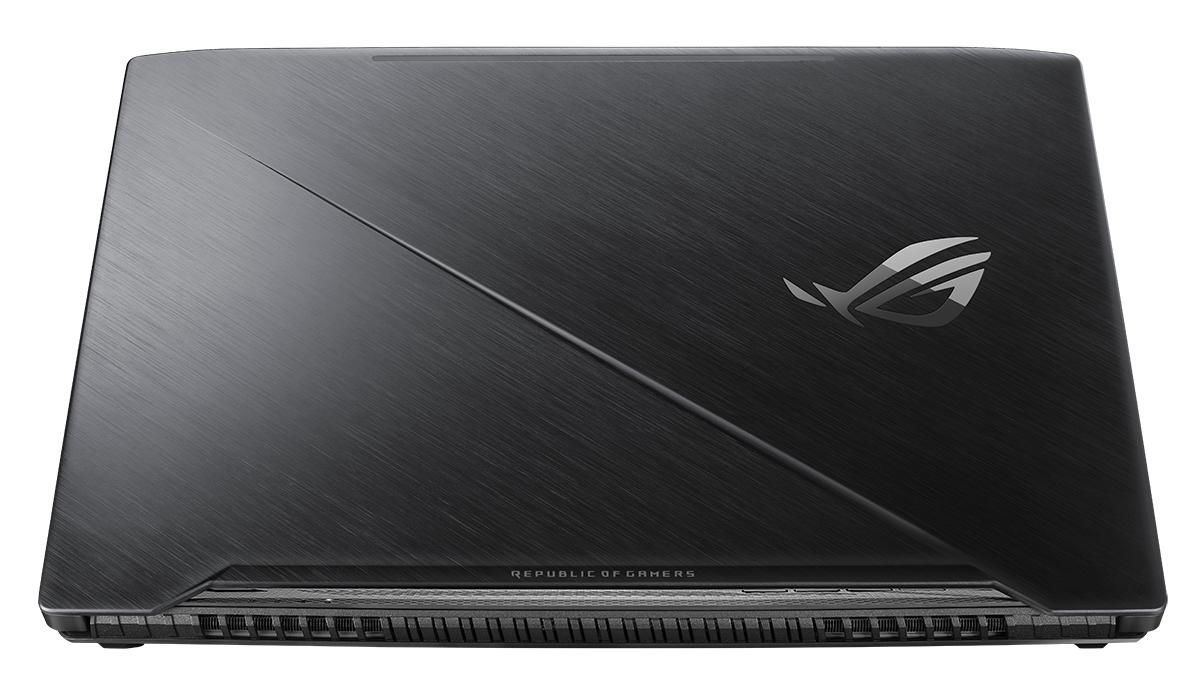

The ASUS ROG Strix GL703GE-ES73 gaming laptop features DDR4-SDRAM memory with two SO-DIMM slots supporting maximum RAM capacity of 32 GB. Memory upgrade specifications indicate compatibility with DDR4 modules operating at 2800 MHz frequency. The SO-DIMM form factor allows for standard laptop memory expansion. Upgrading memory in the GL703GE-ES73 requires compatible DDR4-SDRAM modules installed in available slots to enhance system performance and multitasking capabilities.
Memory Upgrade Specifications
| Specification | Value |
|---|---|
| Memory slots | 2x SO-DIMM |
| Form factor | SO-DIMM |
| Memory type | DDR4-SDRAM |
| Frequency | 2800 MHz |
| Maximum RAM | 32 GB |
| Voltage | 1.2V |
| Number of pins | 260-pin |
| Interface | PC4 |
| PC Speed Rating | PC4-2800 (PC4-22400) |
| Bandwidth | 22.4 GB/s |
| Laptop Release date | 03 April 2018 |
Additional Notes
- The SO-DIMM form factor restriction eliminates compatibility with standard desktop DIMM modules, requiring laptop-specific memory modules for any upgrade.
- The 2-slot configuration means capacity expansion beyond factory configuration requires removing existing modules rather than simply adding to empty slots.
- DDR4-2800 represents the maximum supported frequency, meaning higher-rated modules (DDR4-3200 or above) will downclock to 2800 MHz, potentially wasting cost premium.
- Achieving the 32 GB maximum requires 2x16 GB modules, eliminating the option for incremental upgrades via smaller capacity sticks while staying within supported limits.
- The chipset's dual-channel architecture means unmatched module capacities or frequencies will force the memory controller into single-channel mode, halving theoretical bandwidth.
- Non-XMP DDR4 SO-DIMM modules running at JEDEC standard speeds (2133/2400 MHz) will operate below the 2800 MHz specification unless manually configured in BIOS.
- Mixing modules from different manufacturers or with different timings may cause POST failures or stability issues despite matching capacity and frequency specifications.
- The ROG Strix platform lacks user-accessible voltage controls in most BIOS versions, limiting ability to stabilize non-QVL modules that require voltage adjustment.
- Thermal constraints in the GL703GE chassis mean high-density memory modules may throttle under sustained loads if ambient cooling is insufficient.
- Warranty preservation requires non-destructive installation, meaning the bottom panel screws and memory shield must be removable without breaking tamper seals.
- ECC SO-DIMM modules are physically compatible but unsupported by the mobile chipset, resulting in system refusal to boot or ECC features remaining disabled.
- Registered/buffered memory architectures are incompatible with the unbuffered memory controller, making server-grade SO-DIMMs unusable regardless of matching specifications.