ASUS ROG GL703GE-PS71 RAM upgrade specifications

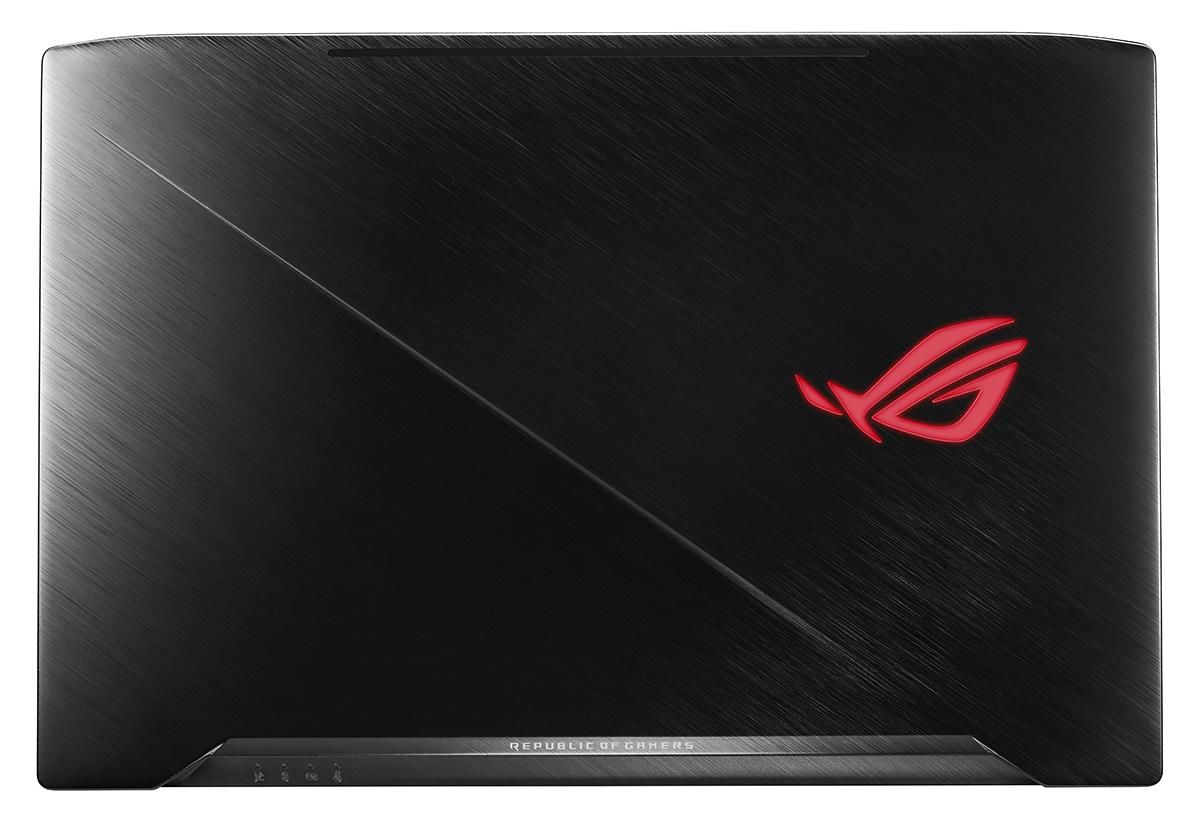
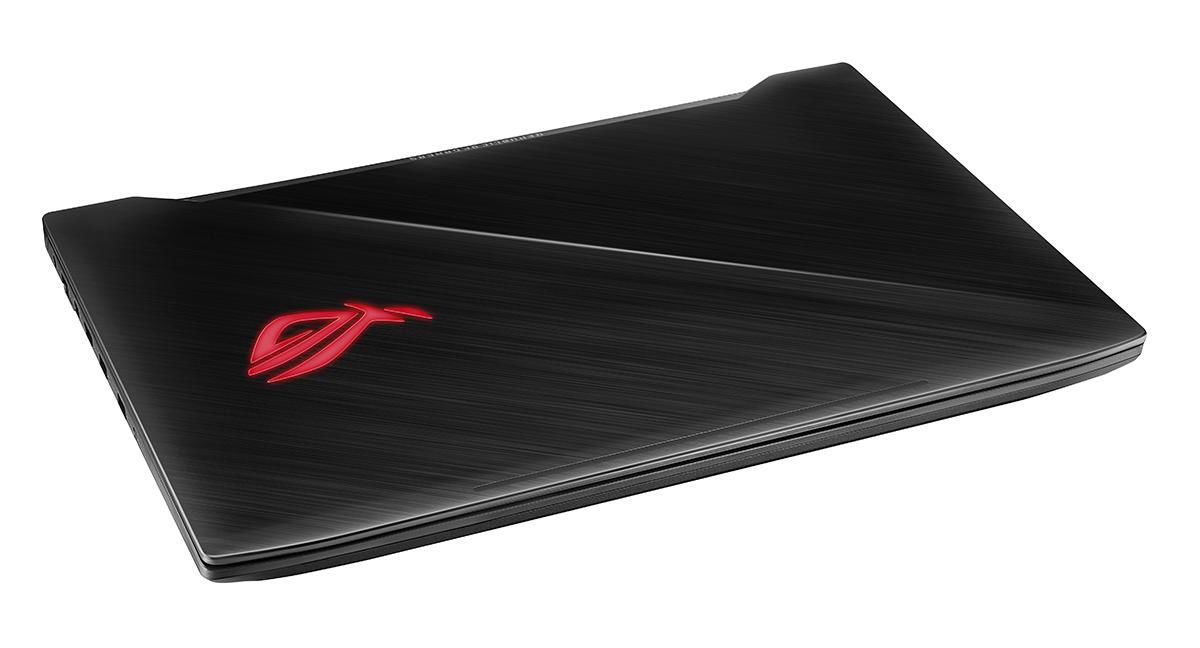
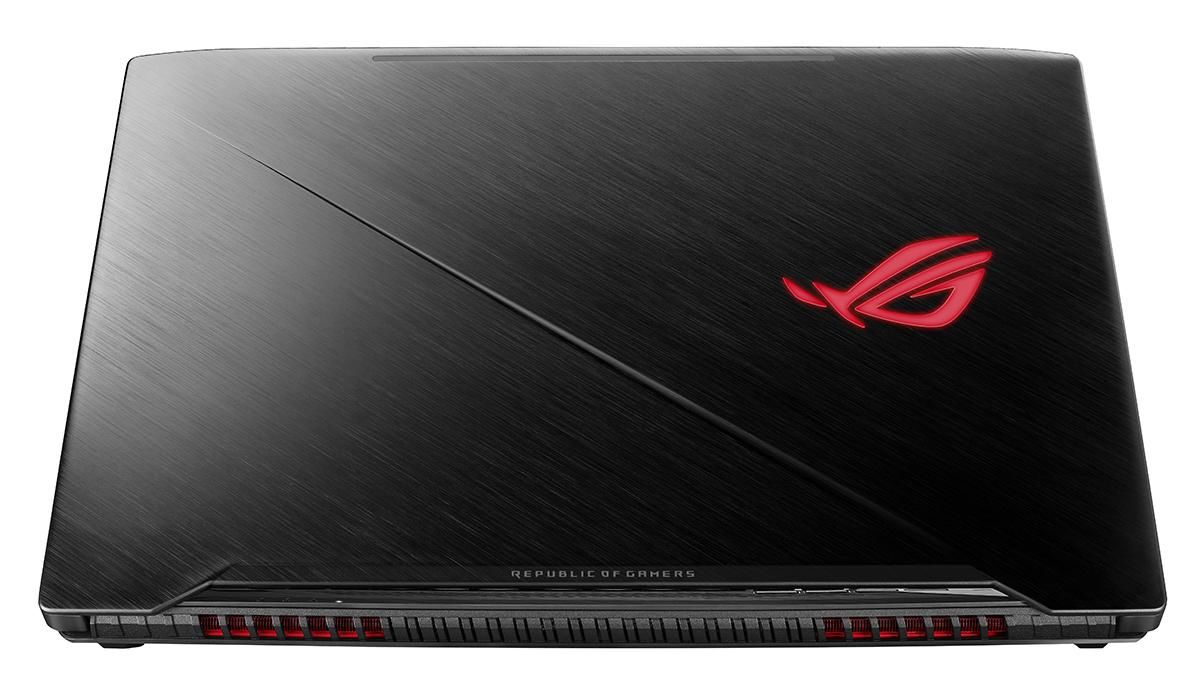

The ASUS ROG Strix GL703GE-PS71 gaming laptop features DDR4-SDRAM memory upgradeable through two SO-DIMM slots. The system supports maximum RAM capacity of 32 GB total, with compatible modules operating at 2666 MHz frequency. Specifications indicate the memory form factor as SO-DIMM, enabling modular RAM upgrade configurations for enhanced system performance and multitasking capabilities.
Memory Upgrade Specifications
| Specification | Value |
|---|---|
| Memory slots | 2x SO-DIMM |
| Form factor | SO-DIMM |
| Memory type | DDR4-SDRAM |
| Frequency | 2666 MHz |
| Maximum RAM | 32 GB |
| Voltage | 1.2V |
| Number of pins | 260-pin |
| Interface | PC4 |
| PC Speed Rating | PC4-2666 (PC4-21328) |
| Bandwidth | 21.3 GB/s |
| Laptop Release date | 13 December 2018 |
Additional Notes
- The ASUS ROG GL703GE-PS71 utilizes SO-DIMM modules rather than standard DIMMs, which limits compatibility to laptop-specific memory and excludes desktop RAM variants despite sharing the DDR4 specification.
- The 32 GB maximum capacity translates to a 16 GB per slot ceiling, meaning that modules exceeding this density will either fail to boot or be recognized at reduced capacity.
- The 2666 MHz specification represents the highest officially supported frequency, with faster modules typically downclocking automatically to this speed without performance benefit.
- Dual-channel operation requires matched pairs in both slots to achieve maximum memory bandwidth, as asymmetric configurations default to single-channel mode with halved throughput.
- DDR4-2666 timing specifications typically range from CL17 to CL19, though the platform lacks user-accessible controls for manual adjustment of these latency parameters.
- The chipset enforces JEDEC standard voltage at 1.2V, preventing the use of higher-voltage XMP or overclocked profiles without manual BIOS intervention if available.
- The SO-DIMM form factor measures 67.6 mm in length compared to desktop DIMM's 133.35 mm, making physical installation errors impossible but requiring laptop-specific inventory.
- Access to memory slots requires bottom panel removal, which may involve warranty seal breakage depending on regional service policies and manufacturing date.
- The 2-slot configuration offers no expansion headroom beyond initial installation, necessitating full module replacement rather than supplemental additions when upgrading from lower capacities.
- Memory bandwidth peaks at 21.3 GB/s per channel in dual-channel mode, establishing the theoretical ceiling for data-intensive applications regardless of CPU capabilities.
- Non-ECC unbuffered modules are required, as registered or error-correcting variants designed for server platforms will not initialize on consumer mobile chipsets.