ASUS ROG GL703GE-GC200T RAM upgrade specifications
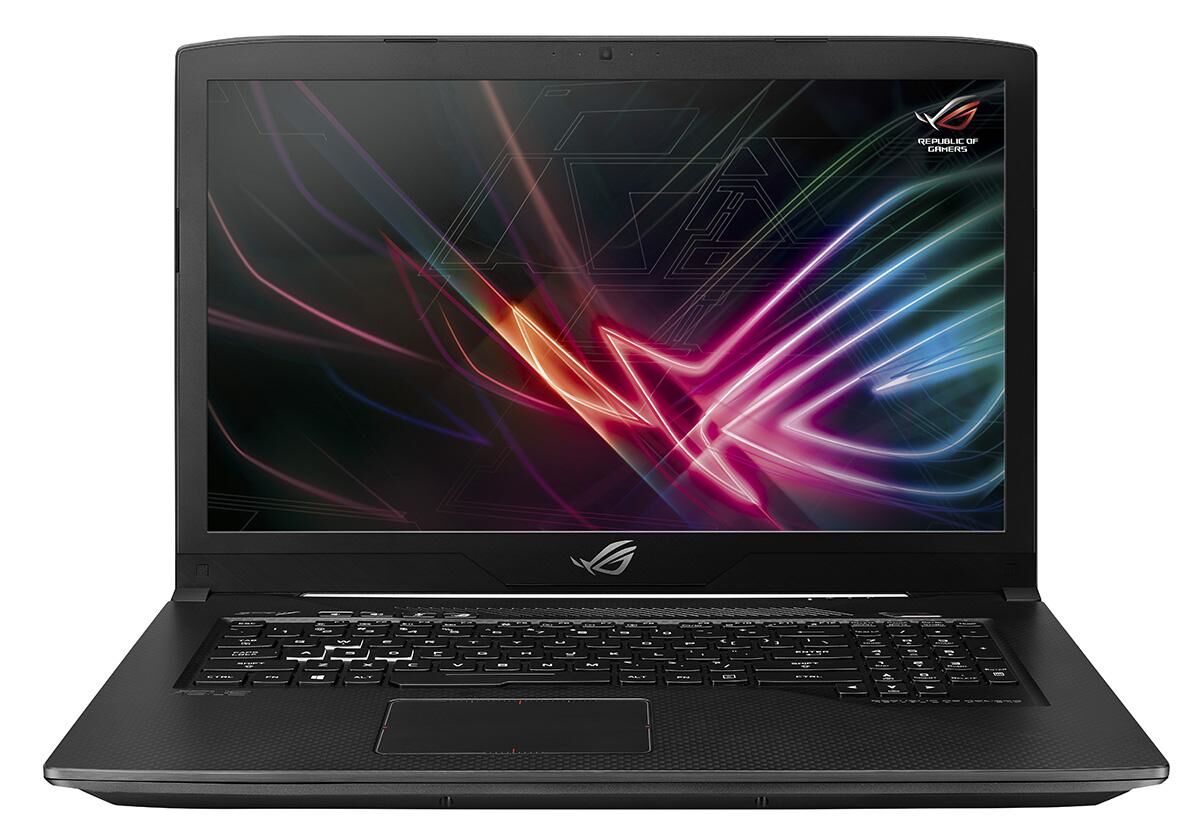


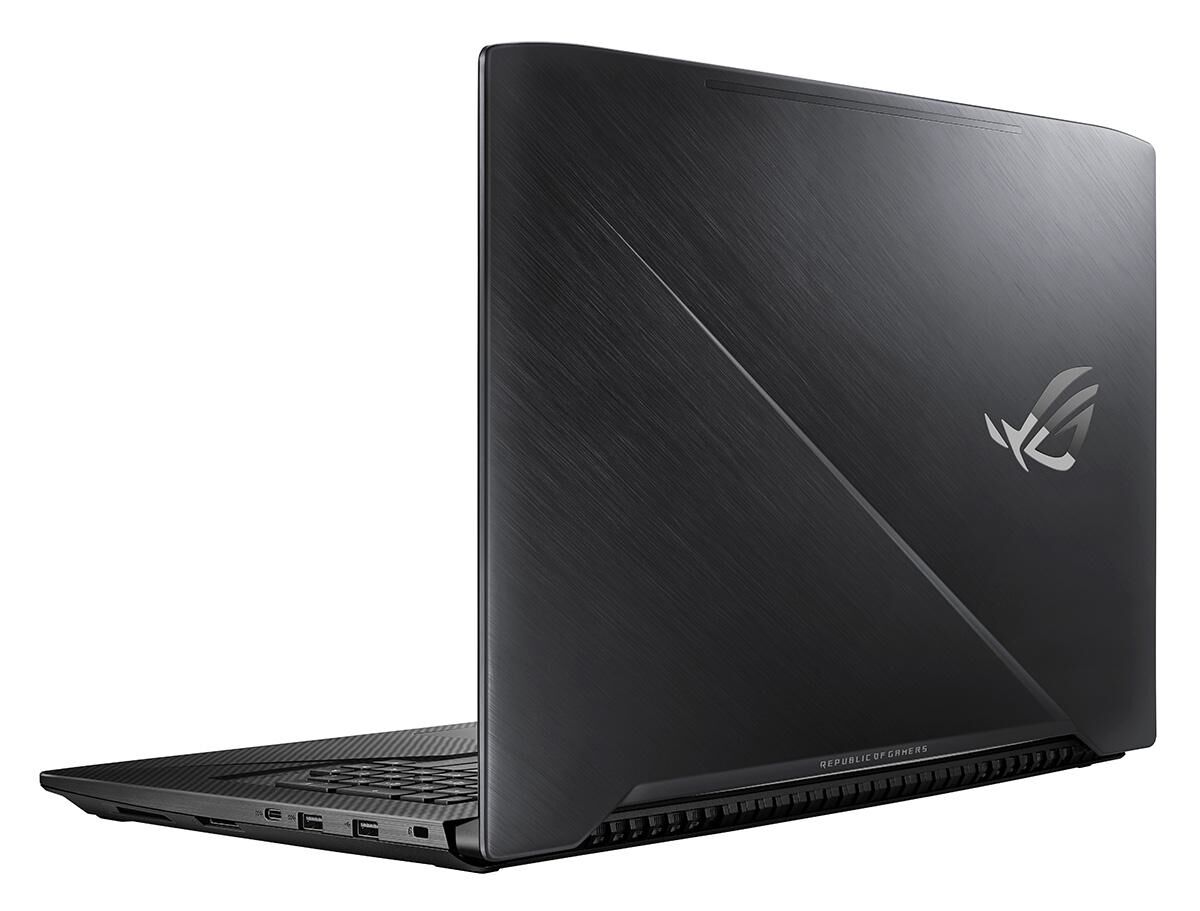
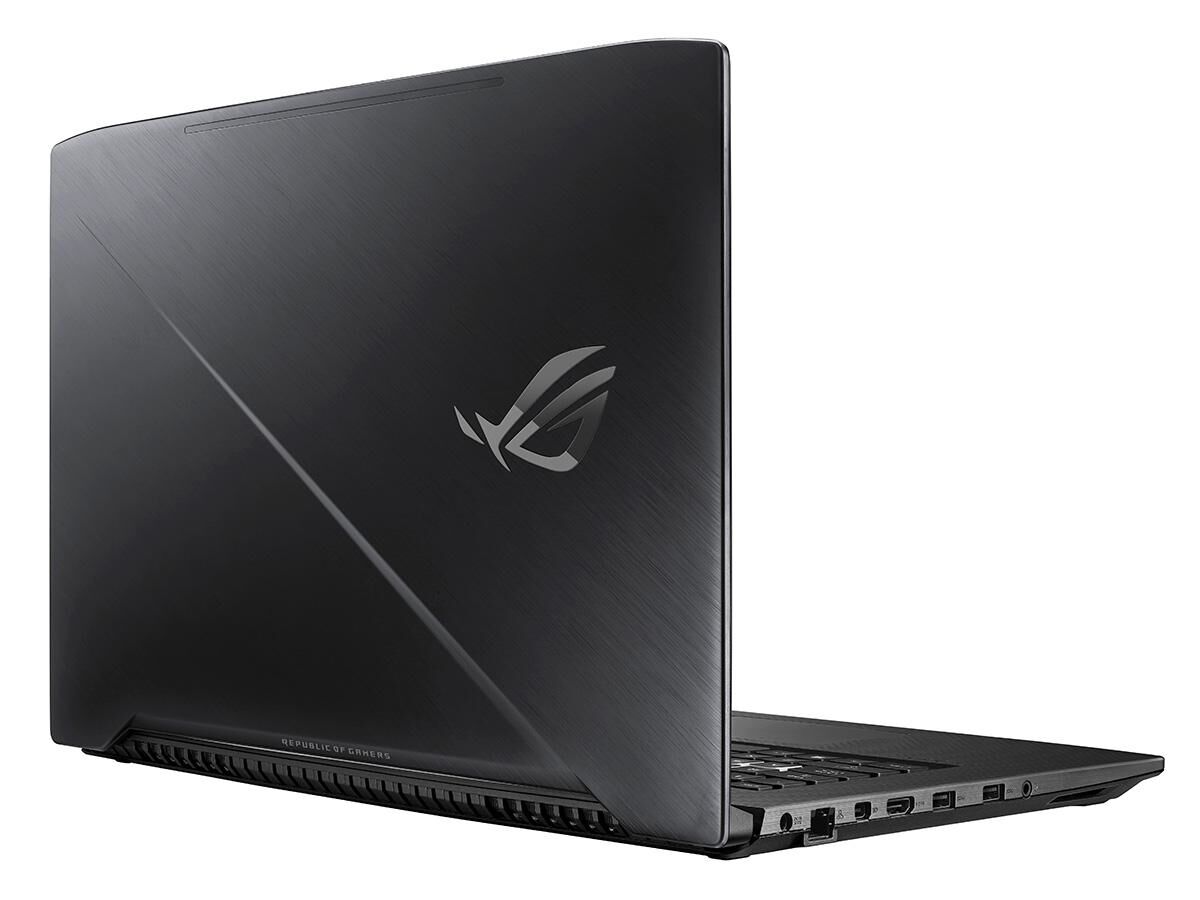
The ASUS ROG Strix GL703GE-GC200T laptop features DDR4-SDRAM memory with two SO-DIMM slots supporting maximum capacity of 32 GB. Memory upgrade specifications include DDR4-2666 MHz compatible modules. Existing memory configuration can be upgraded by replacing or adding additional SO-DIMM modules to reach the maximum RAM capacity supported by the system. Specifications indicate compatibility with standard DDR4 SO-DIMM form factor memory upgrades.
Memory Upgrade Specifications
| Specification | Value |
|---|---|
| Memory slots | 2x SO-DIMM |
| Form factor | SO-DIMM |
| Memory type | DDR4-SDRAM |
| Frequency | 2666 MHz |
| Maximum RAM | 32 GB |
| Voltage | 1.2V |
| Number of pins | 260-pin |
| Interface | PC4 |
| PC Speed Rating | PC4-2666 (PC4-21328) |
| Bandwidth | 21.3 GB/s |
| Laptop Release date | 10 September 2019 |
Additional Notes
- The ASUS ROG GL703GE-GC200T chipset enforces a 32 GB total memory ceiling, requiring dual 16 GB modules for maximum capacity rather than higher-density configurations.
- DDR4-2666 represents the validated speed threshold for this platform, with faster modules typically downclocking to this frequency regardless of their rated specifications.
- SO-DIMM form factor restricts compatibility to notebook-specific modules, eliminating standard desktop DIMM options despite identical DDR4 technology.
- Dual-channel architecture mandates matched module pairs for optimal bandwidth utilization, as mismatched capacities or speeds force single-channel operation.
- The 2-slot configuration requires complete module replacement when upgrading from factory configurations, preventing incremental capacity additions.
- Voltage specifications for DDR4 SO-DIMM modules must align with the standard 1.2V requirement, as the platform does not accommodate XMP profiles designed for higher voltages.
- Module height clearances in this chassis restrict certain aftermarket SO-DIMMs with oversized heatsinks or non-standard PCB designs.
- Memory controller bandwidth peaks at 42.7 GB/s theoretical throughput in dual-channel mode, establishing the maximum data transfer ceiling for storage and processing operations.
- Non-ECC unbuffered modules represent the only compatible architecture, as server-grade registered or error-correcting memory triggers initialization failures.
- CAS latency variations between CL19 and CL22 modules at 2666 MHz produce measurable differences in memory-intensive workloads despite identical frequency ratings.