ASUS ROG GL703GE-GC101 RAM upgrade specifications




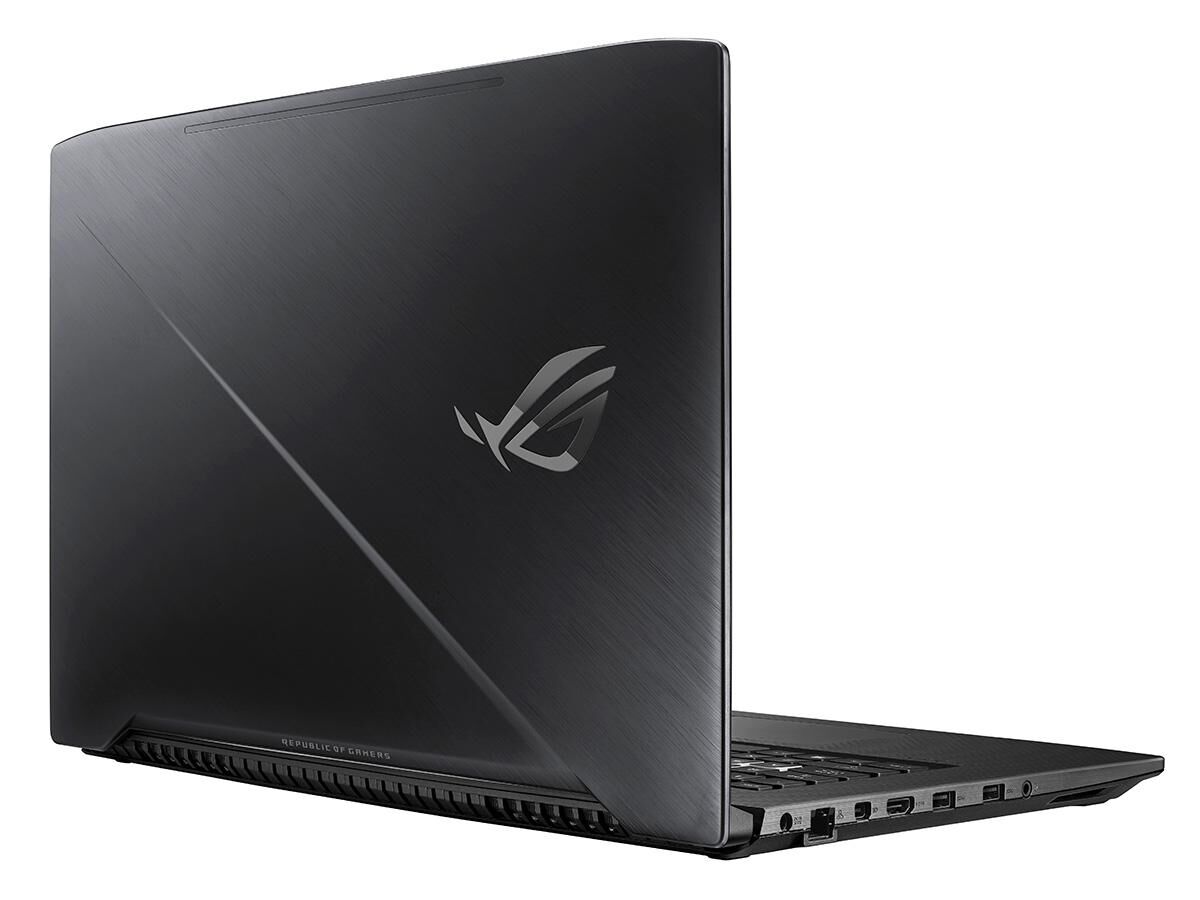
The ASUS ROG Strix GL703GE-GC101 gaming laptop features DDR4-SDRAM memory upgrade specifications with two SO-DIMM slots supporting a maximum capacity of 32 GB RAM. The compatible memory operates at 2666 MHz frequency. This configuration allows for flexible RAM upgrades to enhance system performance, with each slot accommodating SO-DIMM form factor modules. Specifications indicate the laptop supports DDR4 memory technology for optimal gaming and multitasking operations.
Memory Upgrade Specifications
| Specification | Value |
|---|---|
| Memory slots | 2x SO-DIMM |
| Form factor | SO-DIMM |
| Memory type | DDR4-SDRAM |
| Frequency | 2666 MHz |
| Maximum RAM | 32 GB |
| Voltage | 1.2V |
| Number of pins | 260-pin |
| Interface | PC4 |
| PC Speed Rating | PC4-2666 (PC4-21328) |
| Bandwidth | 21.3 GB/s |
| Laptop Release date | 10 September 2019 |
Additional Notes
- The ASUS ROG GL703GE-GC101 accepts standard 260-pin SO-DIMM modules, which differ physically from desktop DIMM form factors and cannot be interchanged.
- DDR4-SDRAM operates at 1.2V, making DDR3 or DDR3L modules incompatible due to different voltage requirements and notch positioning.
- Modules rated above 2666 MHz will downclock to match the system's maximum supported frequency, eliminating any speed advantage from higher-spec RAM.
- Populating both SO-DIMM slots with matching capacity and speed enables dual-channel memory operation, effectively doubling memory bandwidth compared to single-channel configuration.
- The 32 GB maximum capacity constraint limits configurations to either 2x16 GB or asymmetric pairings, with single 32 GB modules exceeding chipset addressability.
- Non-matching module speeds in a dual configuration force both modules to operate at the slower frequency, creating a bandwidth bottleneck.
- Installing DDR4 modules rated below 2666 MHz results in suboptimal memory bandwidth, potentially limiting performance in memory-intensive applications.
- The SO-DIMM specification requires modules under 3 inches in length, though standard SO-DIMMs uniformly meet this requirement across manufacturers.
- Thermal design of SO-DIMM modules lacks dedicated heat spreaders, relying on laptop chassis airflow for cooling during sustained memory operations.
- Accessing memory slots typically requires bottom panel removal, with potential warranty implications if manufacturer seals are present on access screws.
- Mixing ECC and non-ECC memory types causes boot failure, as consumer chipsets in gaming laptops do not support error-correcting modules.
- Modules from different manufacturers may exhibit varying latency timings at identical frequencies, though impact on real-world performance remains minimal in most use cases.