ASUS ROG GL703GE-GC100T RAM upgrade specifications
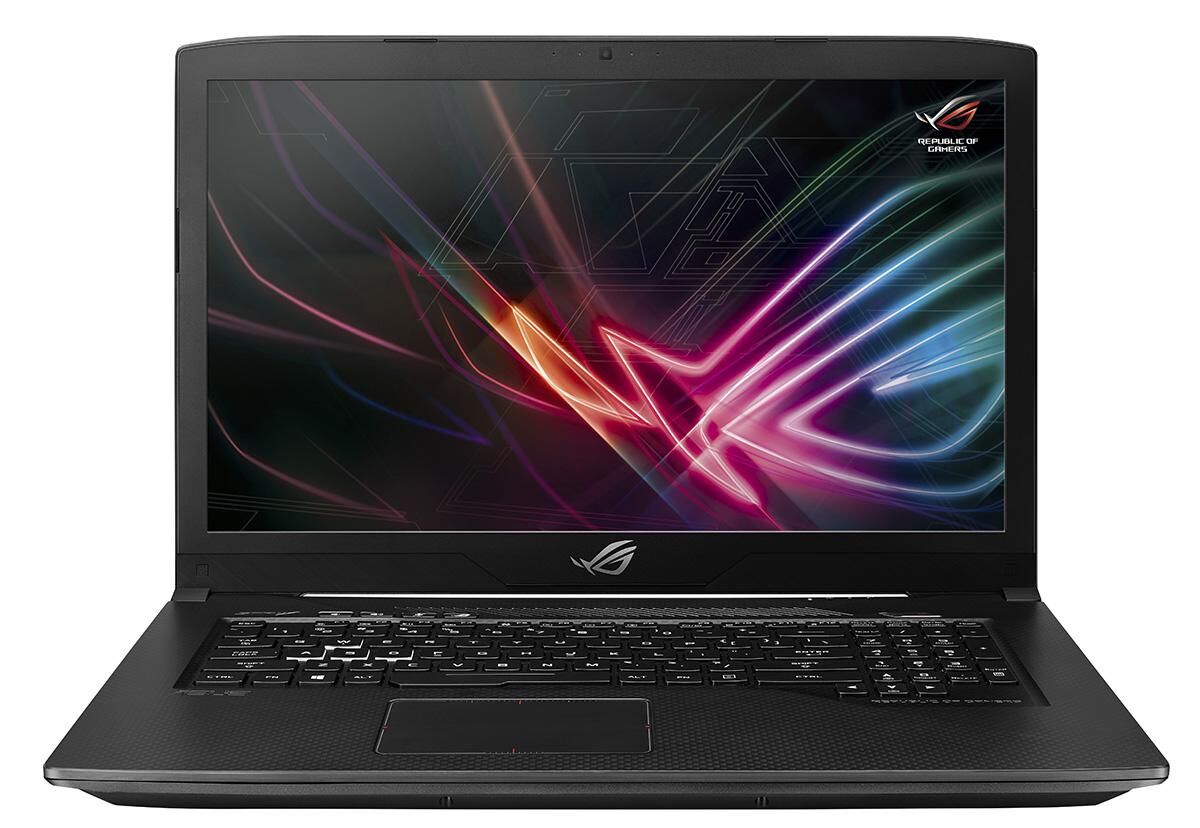
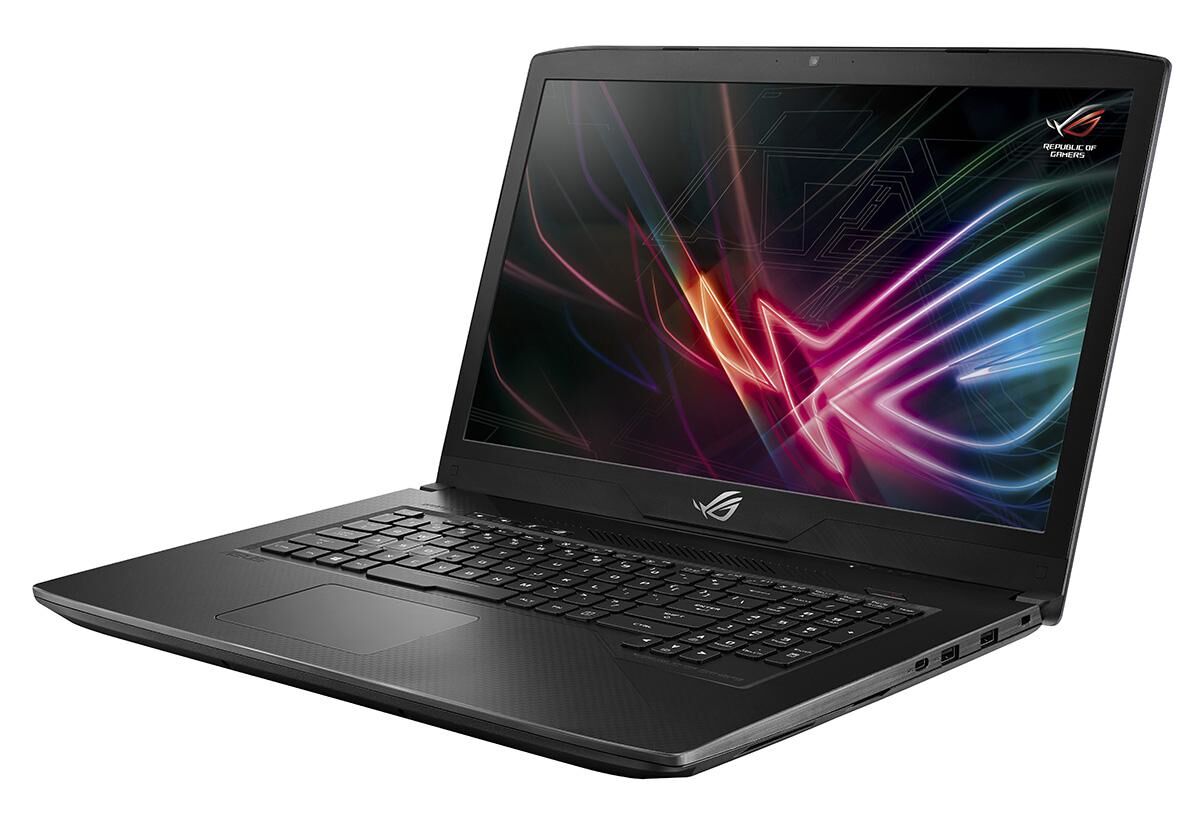

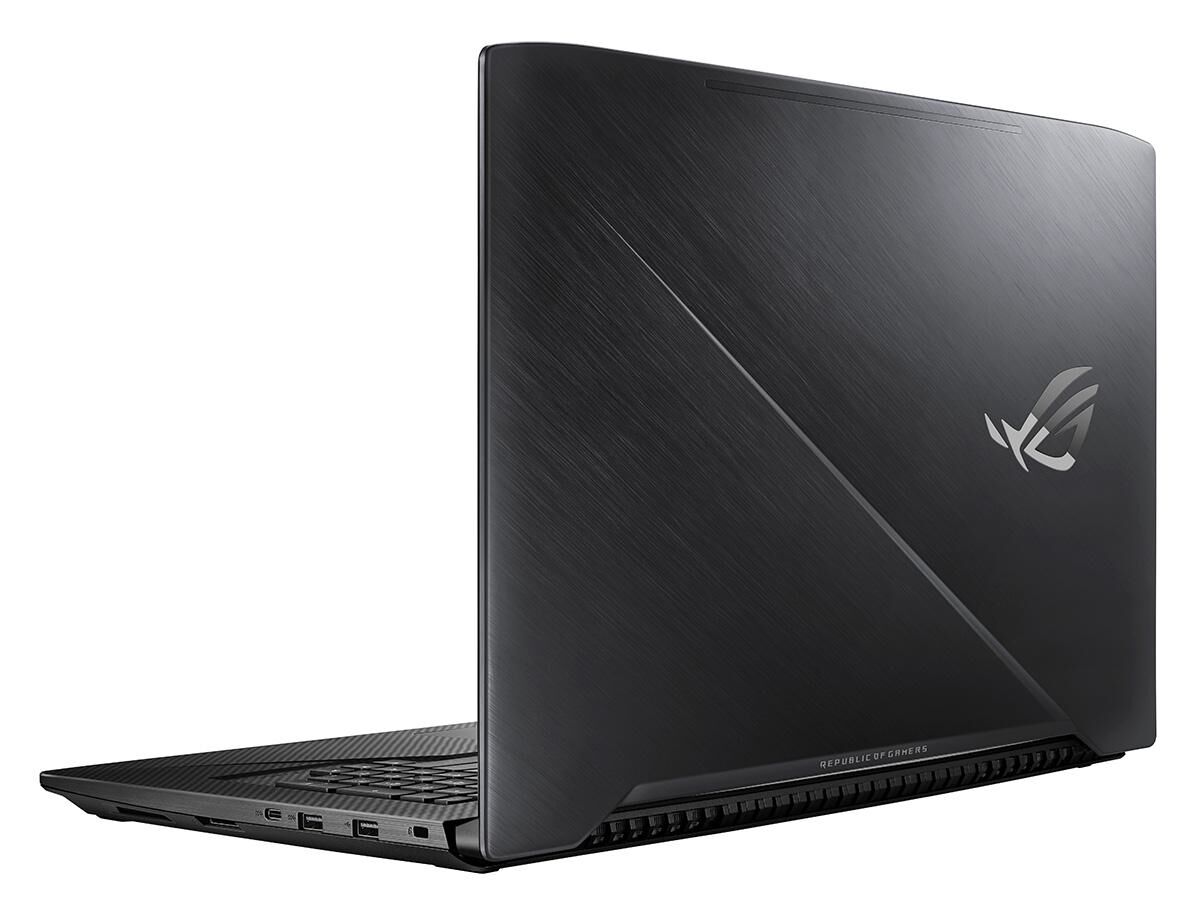
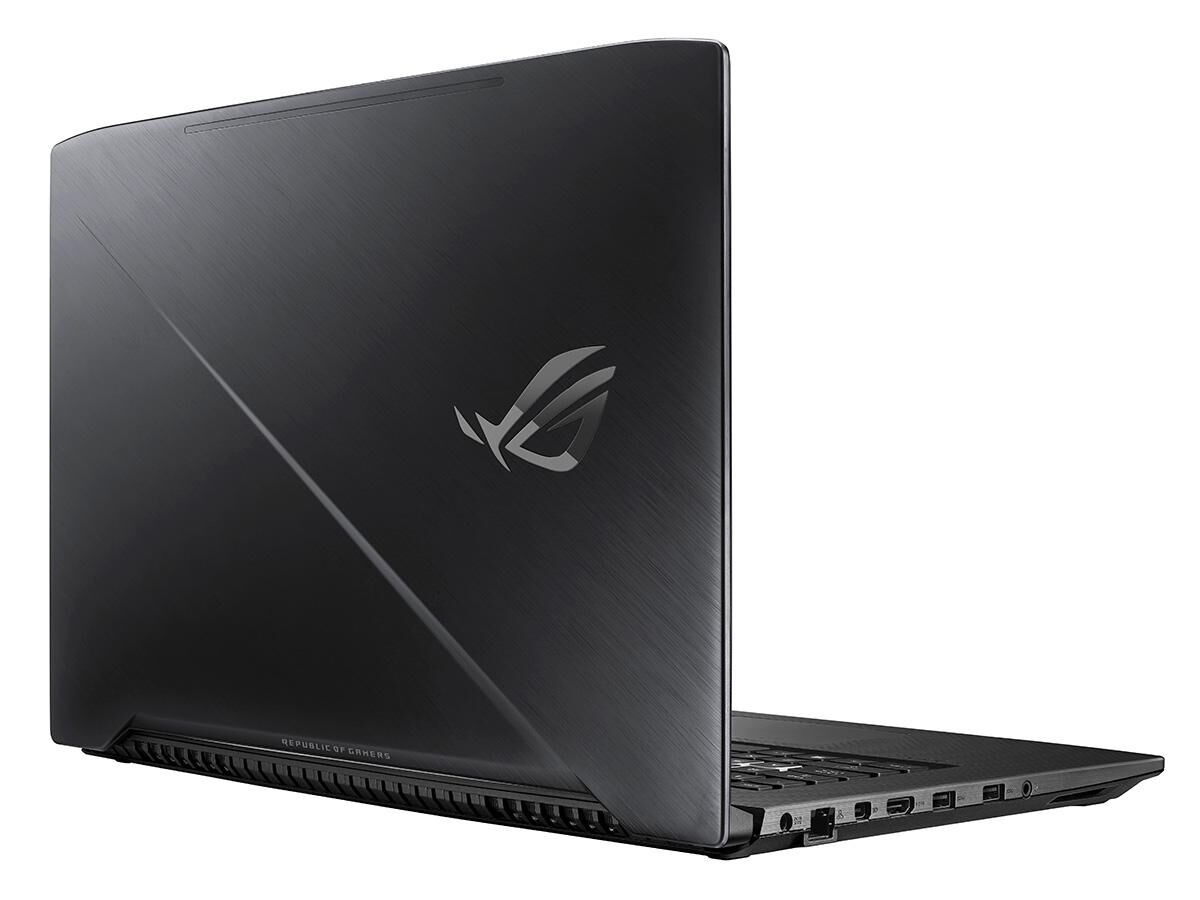
ASUS ROG Strix GL703GE-GC100T laptop supports DDR4-SDRAM memory upgrades with 2x SO-DIMM slots for maximum RAM capacity of 32 GB. Compatible memory specifications include DDR4 operating at 2666 MHz frequency. Upgrade options allow replacement or expansion of existing memory modules using the SO-DIMM form factor. Specifications indicate DDR4-2666 compatibility for RAM upgrade configurations on this gaming laptop model.
Memory Upgrade Specifications
| Specification | Value |
|---|---|
| Memory slots | 2x SO-DIMM |
| Form factor | SO-DIMM |
| Memory type | DDR4-SDRAM |
| Frequency | 2666 MHz |
| Maximum RAM | 32 GB |
| Voltage | 1.2V |
| Number of pins | 260-pin |
| Interface | PC4 |
| PC Speed Rating | PC4-2666 (PC4-21328) |
| Bandwidth | 21.3 GB/s |
| Laptop Release date | 10 September 2019 |
Additional Notes
- The ASUS ROG GL703GE-GC100T chipset supports dual-channel memory architecture through its 2 SO-DIMM slots, enabling up to double the theoretical bandwidth compared to single-channel configurations when matched modules are installed.
- DDR4-2666 operates at 1.2V standard voltage, consuming approximately 20% less power than DDR3 equivalents while delivering higher transfer rates of 21.3 GB/s per module in dual-channel mode.
- The 32 GB maximum capacity limit reflects chipset-level addressing constraints rather than physical slot limitations, preventing recognition of higher-density modules even if installed.
- SO-DIMM modules measuring 67.6mm in length require clearance beneath the service panel, with typical installation depth of 30mm needed to accommodate the 260-pin connector and retention clips.
- Memory frequency downclocking occurs automatically when mixing modules of different speeds, with the system defaulting to the lowest common speed among installed DIMMs.
- Warranty preservation requires installation through the user-accessible bottom panel rather than disassembly of the main chassis, as bottom-panel RAM access typically falls under user-serviceable maintenance.
- DDR4-2666 backward compatibility allows installation of higher-frequency modules such as DDR4-3200, though the system will throttle them to 2666 MHz due to memory controller specifications.
- Asymmetric memory configurations with unequal module capacities will operate, but only the matching portion functions in dual-channel mode while excess capacity on the larger module runs in slower single-channel mode.
- Thermal considerations require minimum 5mm clearance above installed modules for passive airflow, particularly relevant when upgrading to maximum 32 GB configuration with two 16 GB modules generating increased heat output.
- Non-ECC unbuffered memory is required for consumer-grade systems, as registered or ECC variants designed for server applications will fail POST or remain unrecognized by the BIOS.