ASUS ROG GL703GE-GC100 RAM upgrade specifications
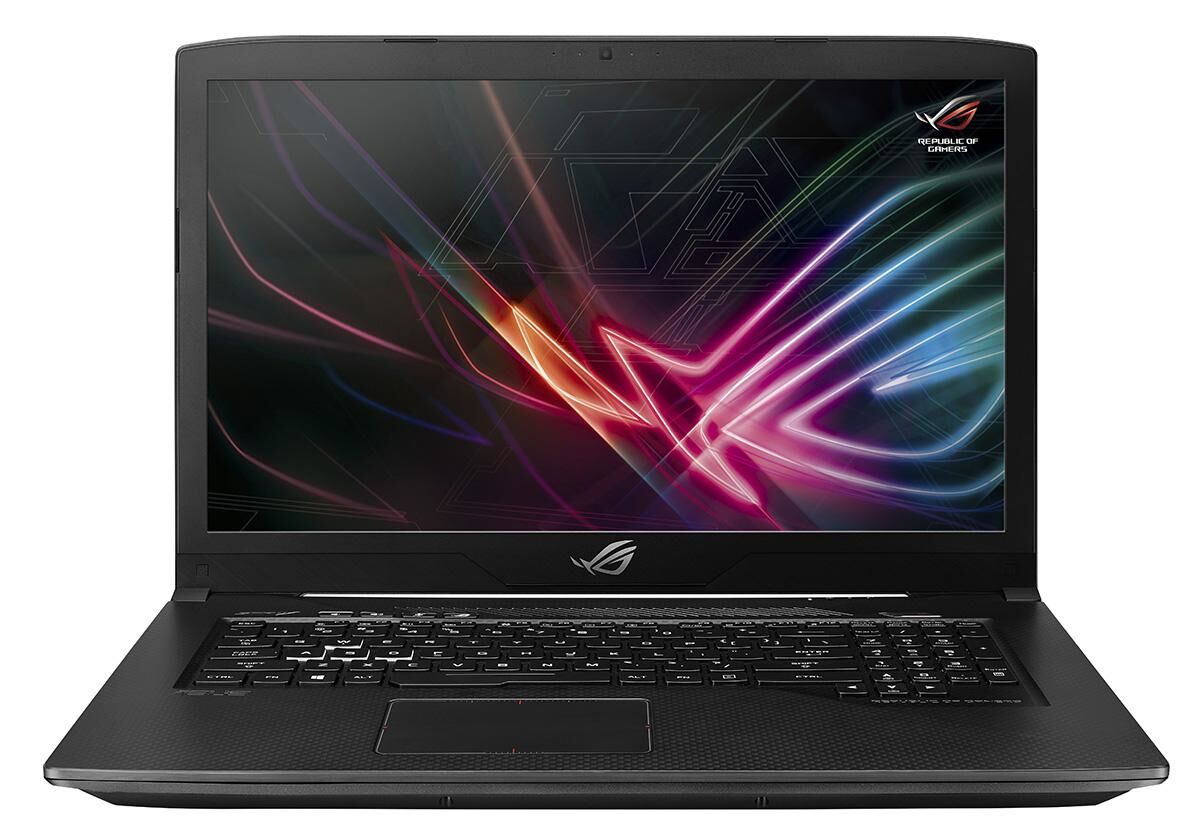


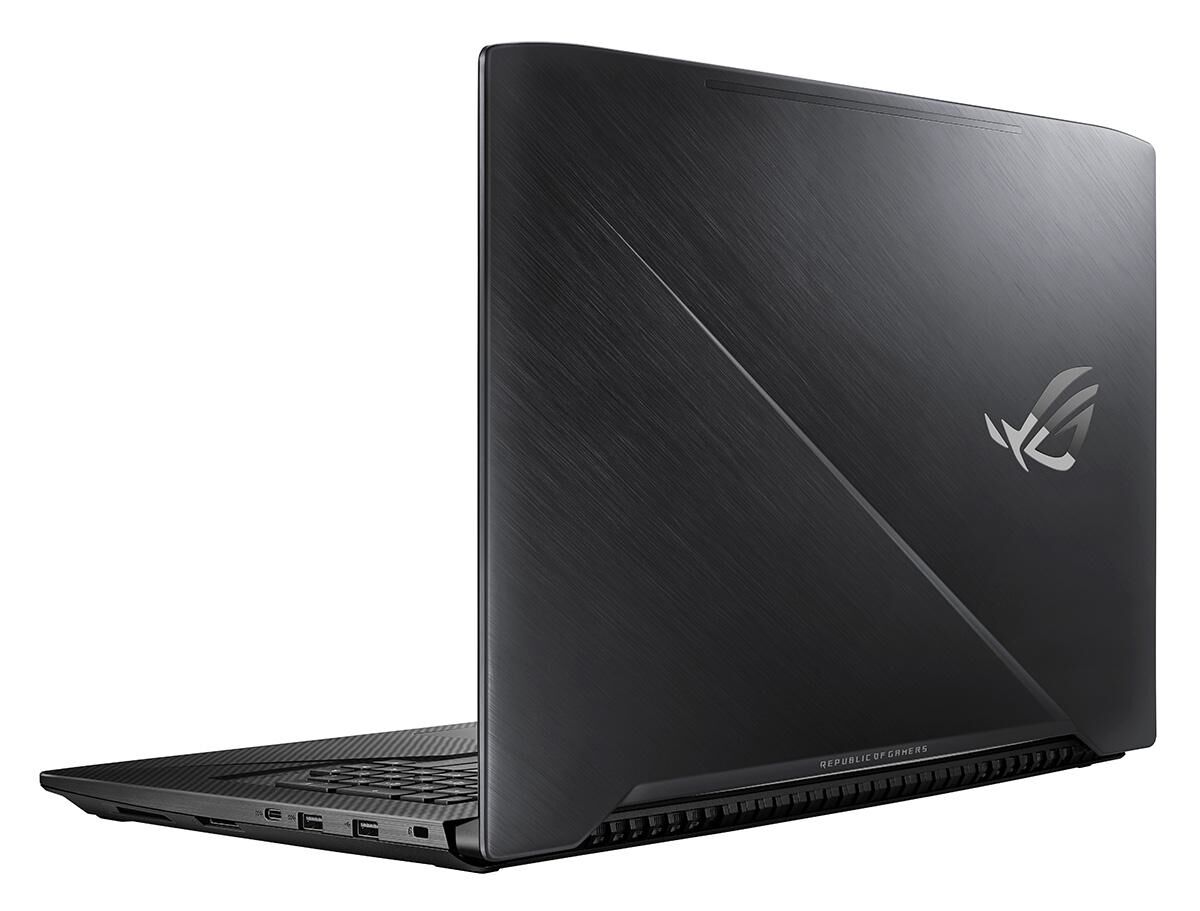
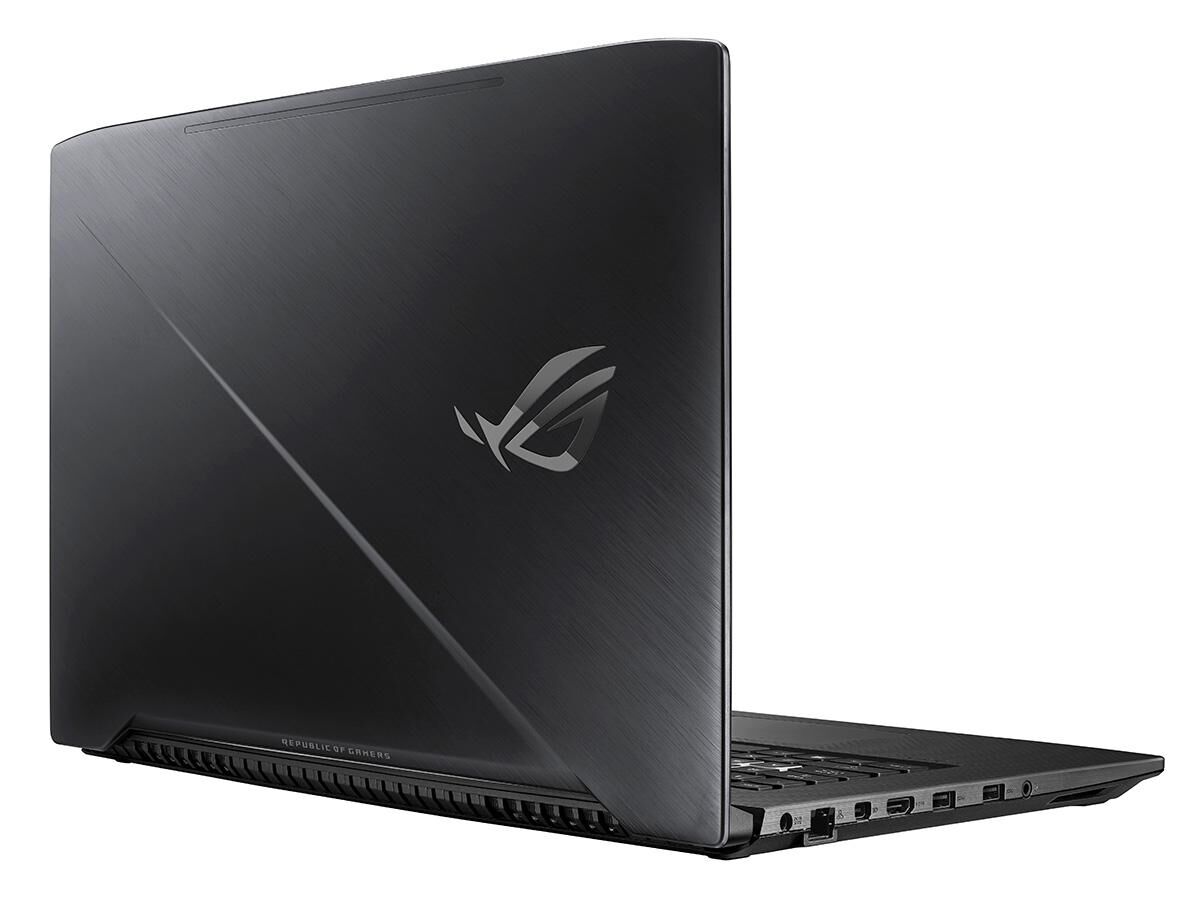
The ASUS ROG Strix GL703GE-GC100 gaming laptop features 2x SO-DIMM slots for memory upgrades. Compatible RAM specifications include DDR4-SDRAM modules operating at 2666 MHz. Maximum supported memory capacity reaches 32 GB total across both slots. Upgrade configurations support SO-DIMM form factor components. The laptop's memory specifications accommodate standard DDR4 compatible modules meeting the defined frequency and capacity parameters.
Memory Upgrade Specifications
| Specification | Value |
|---|---|
| Memory slots | 2x SO-DIMM |
| Form factor | SO-DIMM |
| Memory type | DDR4-SDRAM |
| Frequency | 2666 MHz |
| Maximum RAM | 32 GB |
| Voltage | 1.2V |
| Number of pins | 260-pin |
| Interface | PC4 |
| PC Speed Rating | PC4-2666 (PC4-21328) |
| Bandwidth | 21.3 GB/s |
| Laptop Release date | 10 September 2019 |
Additional Notes
- The ASUS ROG GL703GE-GC100 chipset architecture restricts addressable memory to 32 GB total across both slots, requiring 16 GB modules if maximum capacity is targeted.
- DDR4-2666 represents the officially supported speed ceiling, meaning modules rated at 3000 MHz or 3200 MHz will downclock to 2666 MHz regardless of their XMP profiles.
- SO-DIMM form factor compatibility excludes all standard desktop DIMM modules due to physical pin count and notch placement differences.
- Dual-channel bandwidth peaks at 42.6 GB/s when both slots operate in matched pairs at 2666 MHz, but mismatched module capacities force single-channel mode and halve theoretical throughput.
- The 2-slot configuration prevents capacity expansion beyond 32 GB without removing existing modules entirely, eliminating any incremental upgrade path from lower capacities.
- Mixing DDR4 generations with different voltage specifications (1.2V standard versus 1.35V high-performance) may trigger POST failures or force operation at the lowest common denominator speed.
- Gaming-focused ROG thermal design assumes standard SO-DIMM height profiles, making high-profile modules with extended heatspreaders potential interference risks with the chassis lid or cooling assembly.
- Non-ECC unbuffered modules remain the only compatible architecture, as the mobile platform lacks both error-correction circuitry and registered DIMM support.
- Warranty preservation requires avoiding physical damage to the retention clips during installation, as SO-DIMM slots use spring-loaded mechanisms more fragile than desktop tower latches.