ASUS ROG GL703GS RAM upgrade specifications
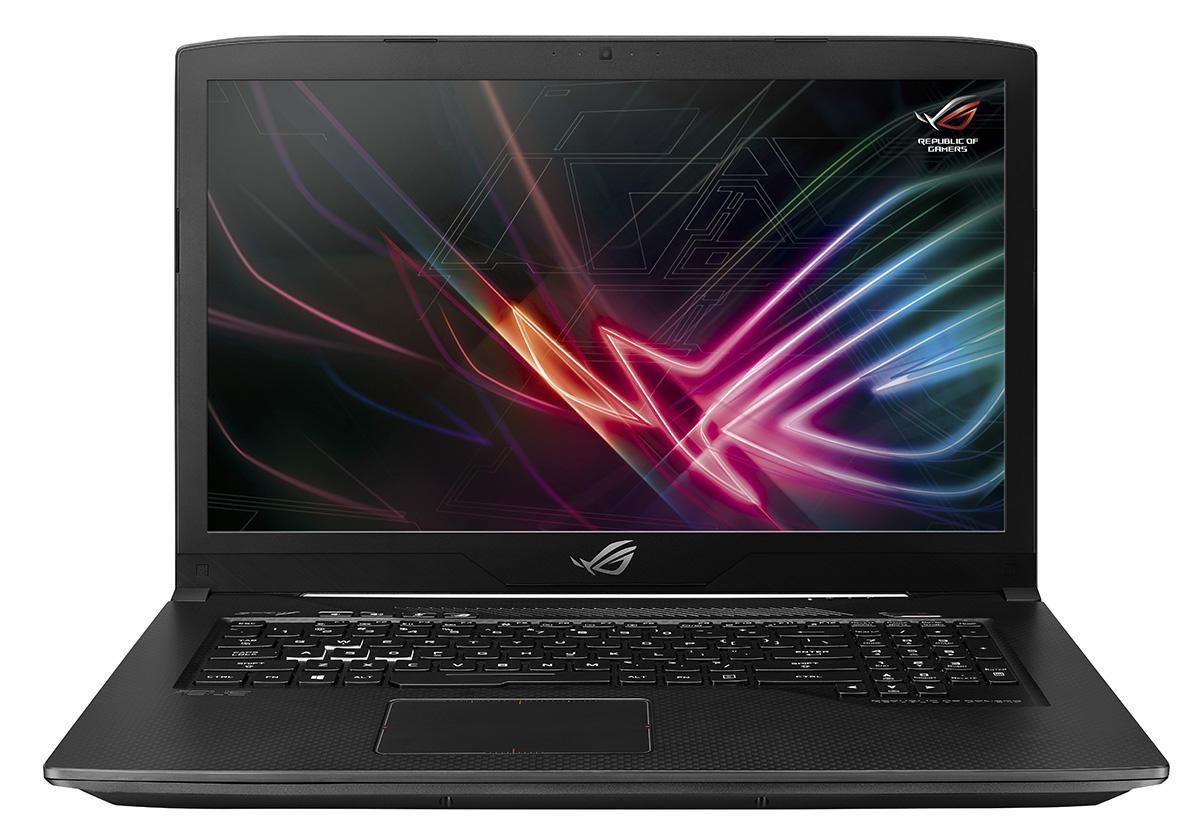


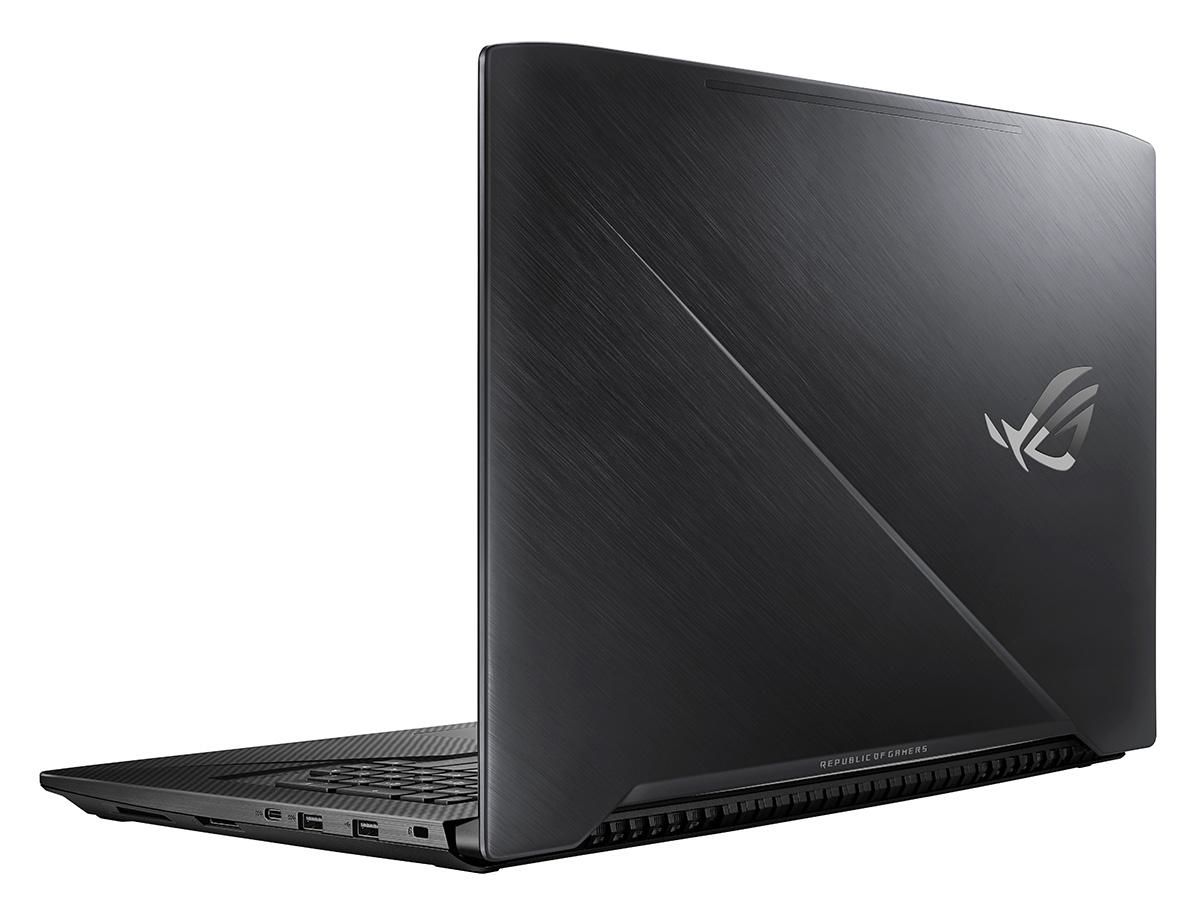
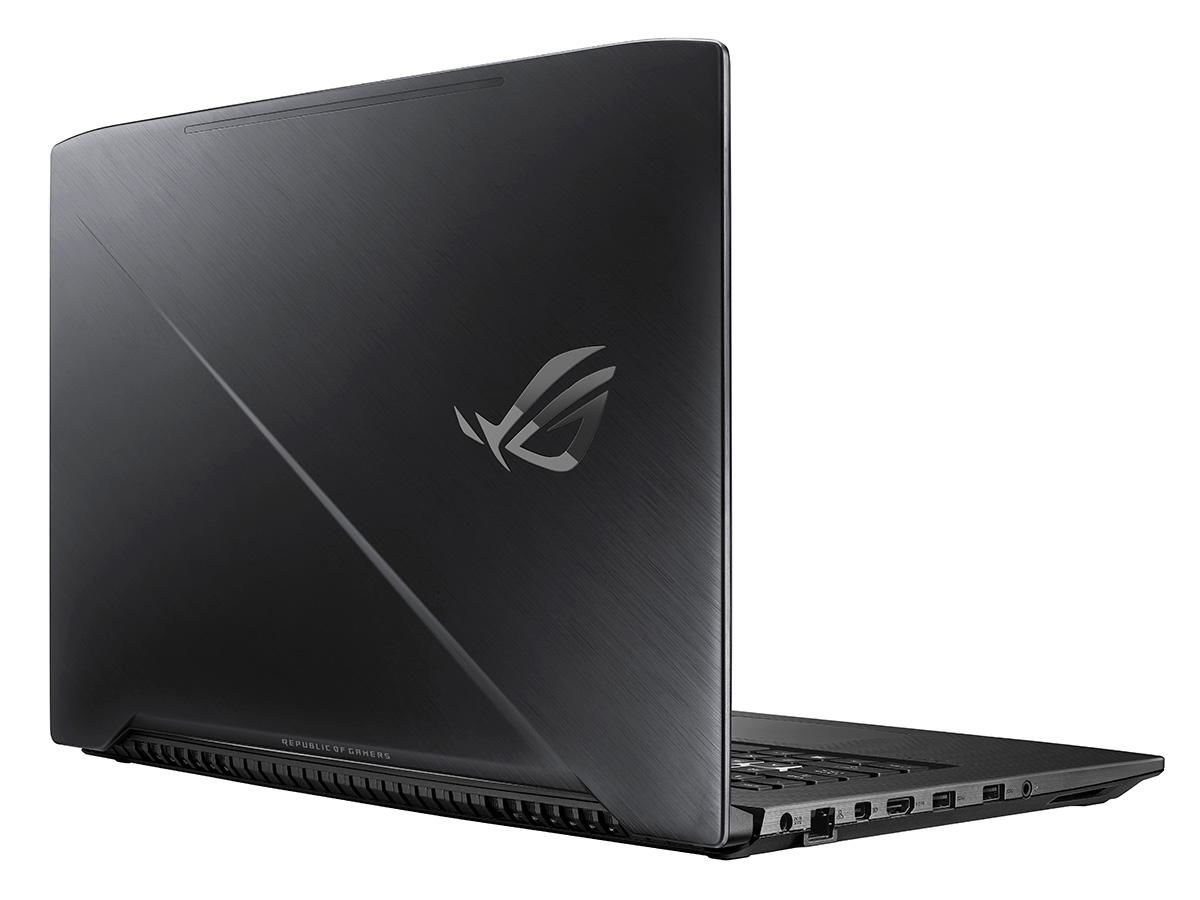
ASUS ROG Strix GL703GS RAM upgrade specifications detail DDR4-SDRAM memory compatibility for this gaming laptop. The GL703GS features two SO-DIMM slots supporting maximum capacity of 32 GB total memory. Compatible RAM modules operate at 2666 MHz frequency and utilize SO-DIMM form factor. Specifications indicate each slot accommodates up to 16 GB modules for complete upgrade capacity. Memory upgrades require DDR4-SDRAM modules matching specifications for compatible installation and optimal performance in the GL703GS laptop.
Memory Upgrade Specifications
| Specification | Value |
|---|---|
| Memory slots | 2x SO-DIMM |
| Form factor | SO-DIMM |
| Memory type | DDR4-SDRAM |
| Frequency | 2666 MHz |
| Maximum RAM | 32 GB |
| Voltage | 1.2V |
| Number of pins | 260-pin |
| Interface | PC4 |
| PC Speed Rating | PC4-2666 (PC4-21328) |
| Bandwidth | 21.3 GB/s |
| Laptop Release date | 05 May 2019 |
Additional Notes
- The ASUS ROG GL703GS chipset imposes a 32 GB memory ceiling, meaning dual-channel configurations are limited to 2x16 GB modules regardless of higher-capacity SO-DIMM availability in the market.
- DDR4-2666 represents the platform's native frequency specification, but actual operating speed depends on BIOS implementation and whether XMP/DOCP profiles are supported for rated speeds.
- SO-DIMM physical clearance in this chassis typically allows standard-height modules, though low-profile variants eliminate potential contact issues with thermal solutions or chassis components.
- Dual-slot configuration means capacity upgrades require replacing both existing modules rather than adding to empty slots, assuming factory configuration ships with both slots populated.
- Mixing modules with different specifications (speed, latency, rank configuration) will force all memory to operate at the lowest common denominator, potentially degrading performance below the 2666 MHz specification.
- Non-ECC unbuffered modules are required for compatibility, as SO-DIMM ECC variants physically fit but lack chipset support in consumer mobile platforms.
- Warranty preservation requires electrostatic discharge precautions and documentation of original module configurations before replacement, as some regions classify memory upgrades as user-serviceable while others may have restrictions.
- The 260-pin SO-DIMM standard is physically incompatible with desktop DIMM modules, necessitating laptop-specific components despite identical DDR4 generation designation.
- Single-rank versus dual-rank module architecture affects memory interleaving performance, with dual-rank configurations potentially offering minor bandwidth improvements in memory-intensive applications.
- Operating voltage is standardized at 1.2V for DDR4 SO-DIMMs, but low-voltage variants (1.05V) exist and may cause stability issues if the BIOS lacks adaptive voltage control.