ASUS ROG GL703GS-E5011 RAM upgrade specifications



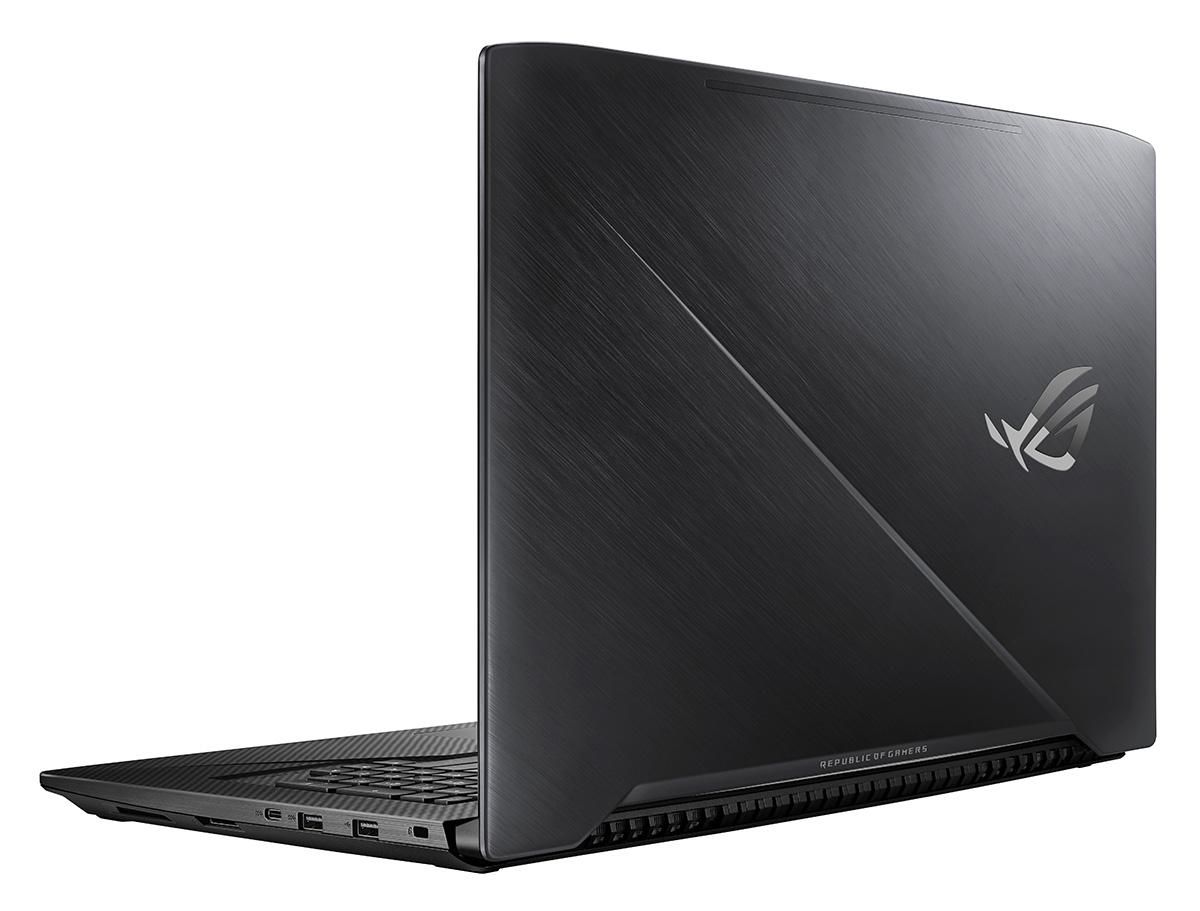
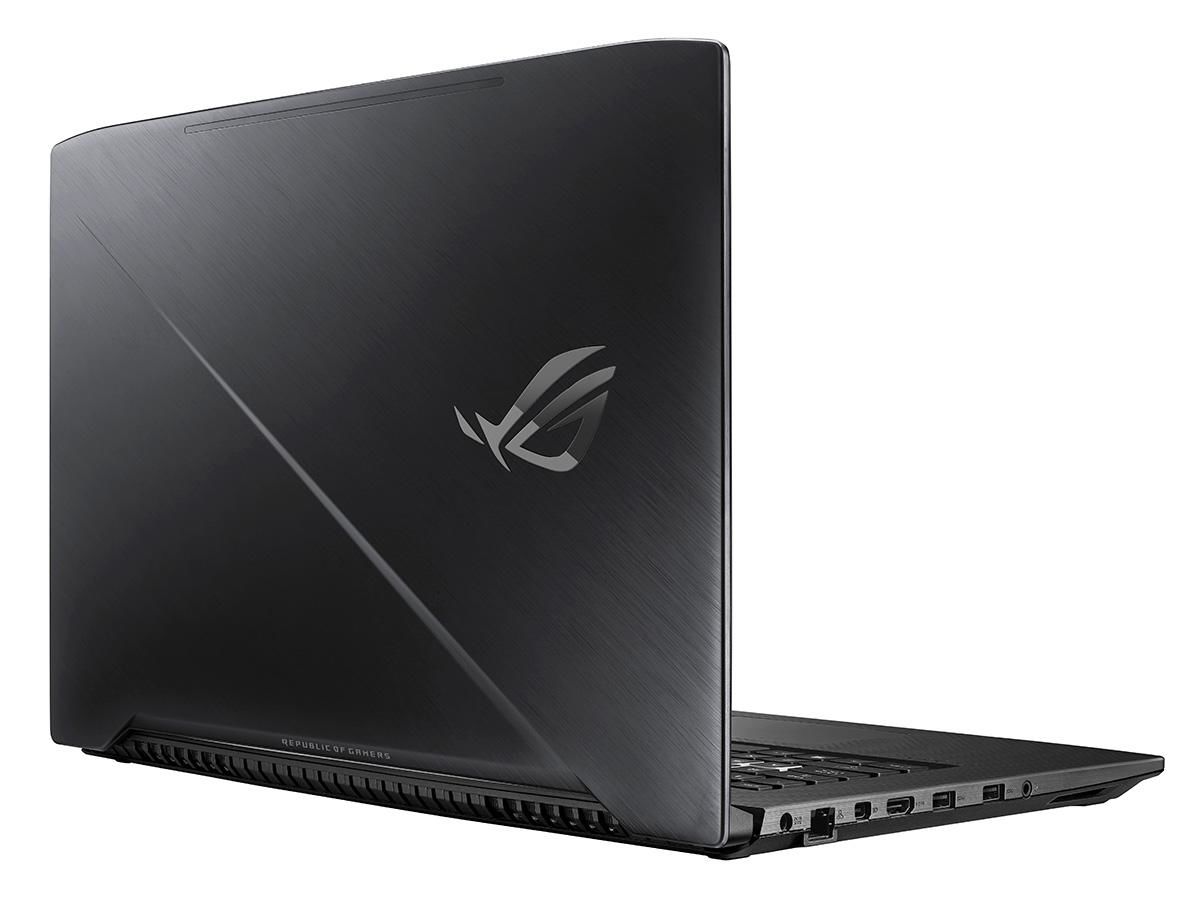
The ASUS ROG Strix GL703GS-E5011 gaming laptop contains 2x SO-DIMM slots for DDR4-SDRAM memory upgrades. The system supports a maximum RAM capacity of 32 GB total, with compatible modules operating at 2666 MHz frequency. Users can upgrade the memory by installing DDR4 SO-DIMM modules into the available slots. The specifications indicate this model accommodates standard laptop memory form factor upgrades to achieve enhanced multitasking and performance capabilities. Maximum supported memory configuration requires installation of appropriate DDR4 modules meeting the frequency and SO-DIMM specifications.
Memory Upgrade Specifications
| Specification | Value |
|---|---|
| Memory slots | 2x SO-DIMM |
| Form factor | SO-DIMM |
| Memory type | DDR4-SDRAM |
| Frequency | 2666 MHz |
| Maximum RAM | 32 GB |
| Voltage | 1.2V |
| Number of pins | 260-pin |
| Interface | PC4 |
| PC Speed Rating | PC4-2666 (PC4-21328) |
| Bandwidth | 21.3 GB/s |
| Laptop Release date | 31 March 2019 |
Additional Notes
- The ASUS ROG GL703GS-E5011 accepts standard 260-pin SO-DIMM modules, which eliminates compatibility with desktop-sized DIMMs and requires laptop-specific memory modules for any upgrade.
- DDR4-2666 represents the JEDEC standard speed, meaning higher frequency modules rated at 2933 MHz or 3200 MHz will automatically downclock to 2666 MHz when installed, providing no performance advantage despite potential price premiums.
- The dual-channel architecture requires matched pair installation to achieve maximum memory bandwidth, as mismatched capacities or timings will force the memory controller into single-channel mode or asymmetric configuration.
- The 32 GB ceiling suggests an Intel 8th generation Coffee Lake platform limitation, as this generation's mobile chipsets typically cap addressable memory at this threshold regardless of theoretical DIMM capacity.
- Both slots must remain accessible without motherboard removal for warranty preservation, though the exact access method varies between bottom panel removal or keyboard deck disassembly depending on internal chassis design.
- Non-ECC unbuffered modules are mandatory, as the mobile platform lacks support for registered or error-correcting memory types commonly found in workstation configurations.
- Operating voltage is locked at 1.2V standard for DDR4, making low-voltage DDR4L variants unnecessary and potentially incompatible with the memory controller's power delivery specifications.
- Mixing memory from the factory-installed modules with aftermarket upgrades may introduce timing inconsistencies if the new modules use different die revisions or primary timings, potentially requiring manual BIOS adjustments for stability.
- The 2666 MHz specification indicates SPD programming at JEDEC standard timings, typically CL19-19-19, which leaves no headroom for XMP profile activation as mobile BIOS implementations rarely expose memory overclocking controls.