ASUS ROG GL703GS-E5012T RAM upgrade specifications
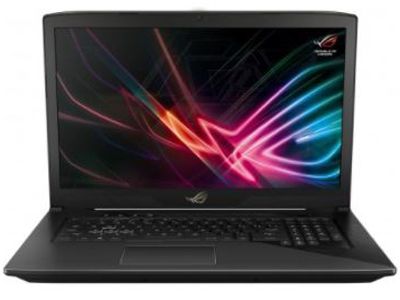
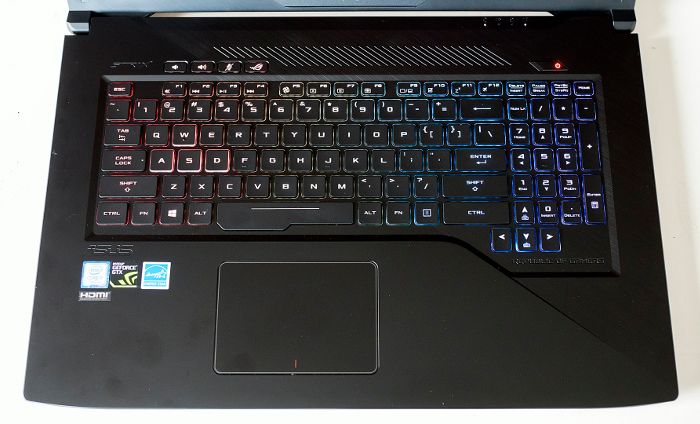
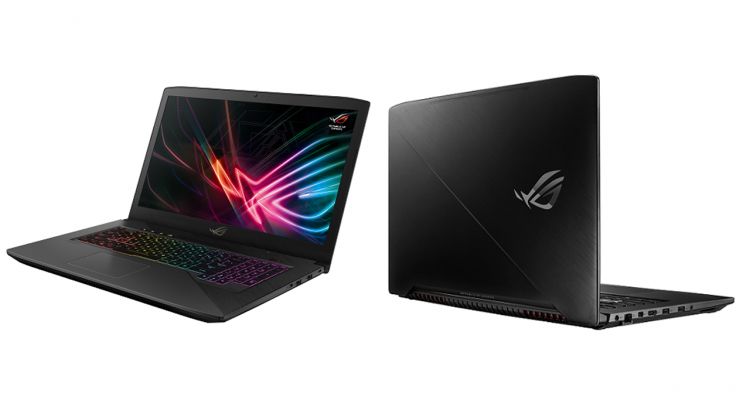
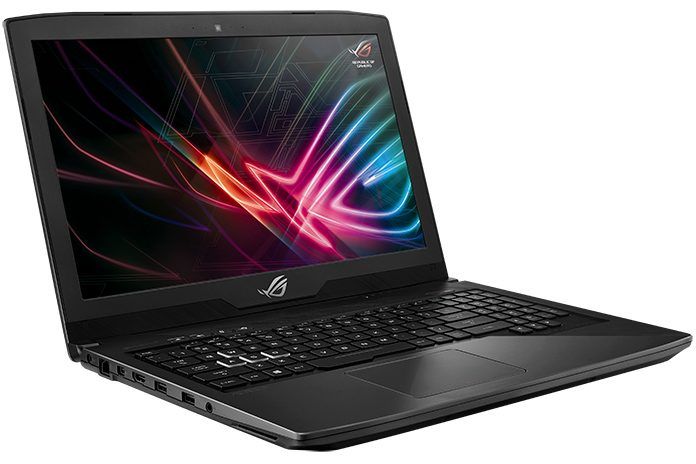
ASUS ROG Strix GL703GS-E5012T laptop RAM upgrade specifications. Memory configuration supports DDR4-SDRAM technology with two SO-DIMM slots. Maximum memory capacity reaches 32 GB. Compatible RAM operates at 2800 MHz frequency. Memory form factor utilizes SO-DIMM standard. Upgrade specifications enable users to expand RAM from factory configuration up to maximum supported capacity through available DIMM slots.
Memory Upgrade Specifications
| Specification | Value |
|---|---|
| Memory slots | 2x SO-DIMM |
| Form factor | SO-DIMM |
| Memory type | DDR4-SDRAM |
| Frequency | 2800 MHz |
| Maximum RAM | 32 GB |
| Voltage | 1.2V |
| Number of pins | 260-pin |
| Interface | PC4 |
| PC Speed Rating | PC4-2800 (PC4-22400) |
| Bandwidth | 22.4 GB/s |
| Laptop Release date | 04 May 2018 |
Additional Notes
- The 2x SO-DIMM configuration indicates both slots must be accessed simultaneously during upgrades, requiring removal of the laptop's bottom panel rather than a dedicated RAM door.
- DDR4-2800 operation requires specific XMP profile support or manual BIOS configuration, as JEDEC standard defaults to DDR4-2133 or DDR4-2400 without user intervention.
- The 32 GB maximum capacity ceiling restricts dual-channel operation to either 2x8 GB or 2x16 GB configurations, eliminating mixed-capacity options like 8 GB + 16 GB combinations for optimal performance.
- SO-DIMM form factor compatibility excludes standard desktop DIMM modules, requiring laptop-specific memory modules approximately 50% shorter in physical length.
- Running memory below 2800 MHz will create bandwidth bottlenecks for the dedicated GPU typically found in ROG Strix gaming configurations, as graphics memory controllers rely on system RAM speed for texture streaming.
- The chipset's dual-channel architecture means populating only 1 slot halves memory bandwidth from theoretical 44.8 GB/s to 22.4 GB/s, directly impacting frame rates in memory-intensive gaming scenarios.
- Voltage specifications must remain at DDR4 standard 1.2V, as SO-DIMM slots in laptops lack the power delivery headroom for overclocking-oriented 1.35V or 1.4V modules common in desktop markets.
- Modules exceeding 2800 MHz frequency will downclock automatically to match the maximum supported speed, rendering premium DDR4-3200 or DDR4-3600 purchases financially wasteful.
- Heat dissipation differs significantly from desktop configurations due to confined laptop chassis airflow, making modules without integrated heat spreaders preferable to avoid thermal throttling near the CPU socket.
- Warranty preservation typically requires retaining original memory modules for potential service claims, as RAM replacement constitutes user-serviceable maintenance outside authorized repair channels in most regions.