ASUS ROG GL703GS-E5061 RAM upgrade specifications
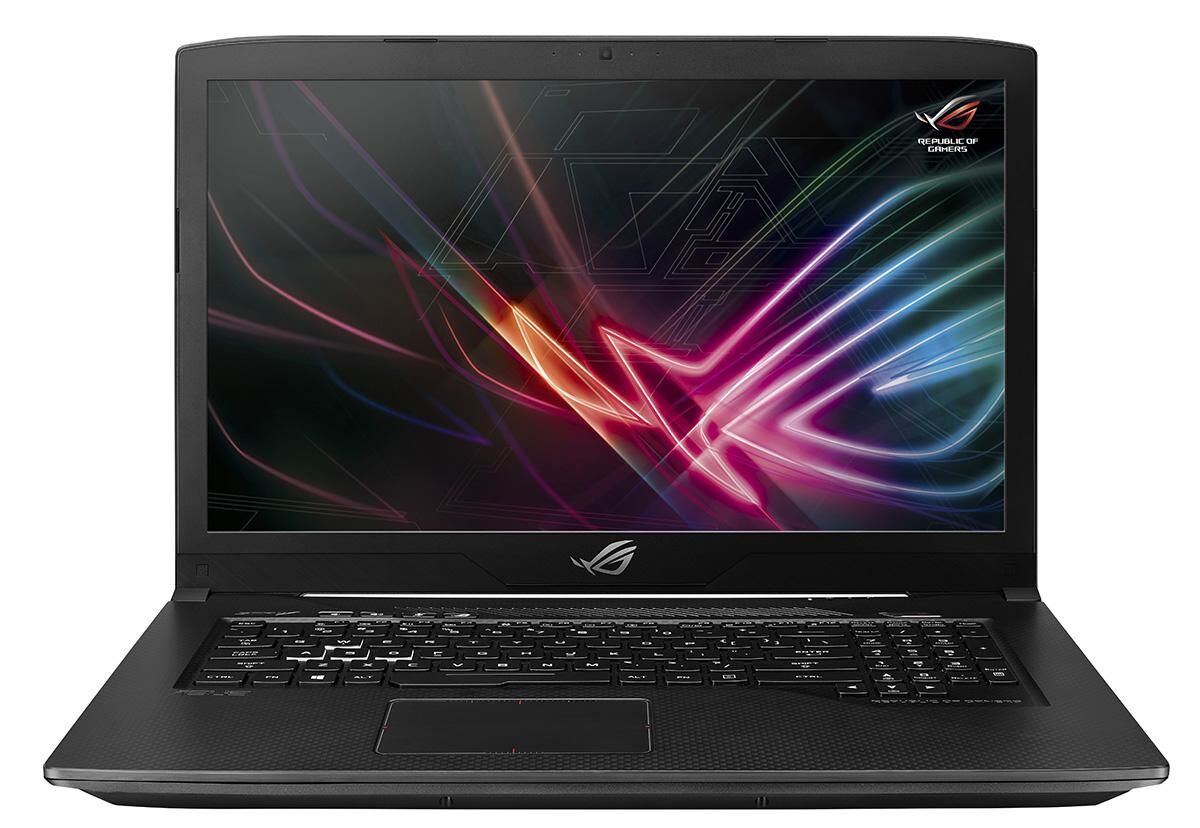
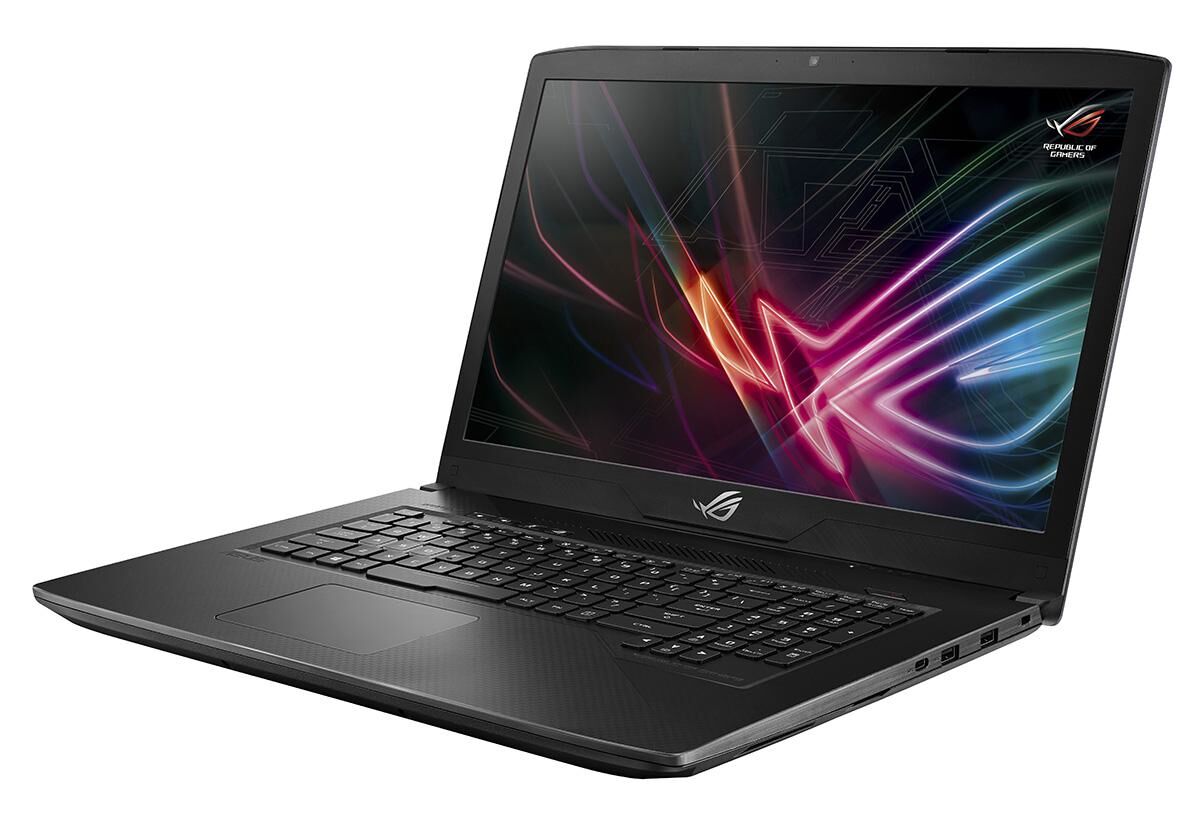
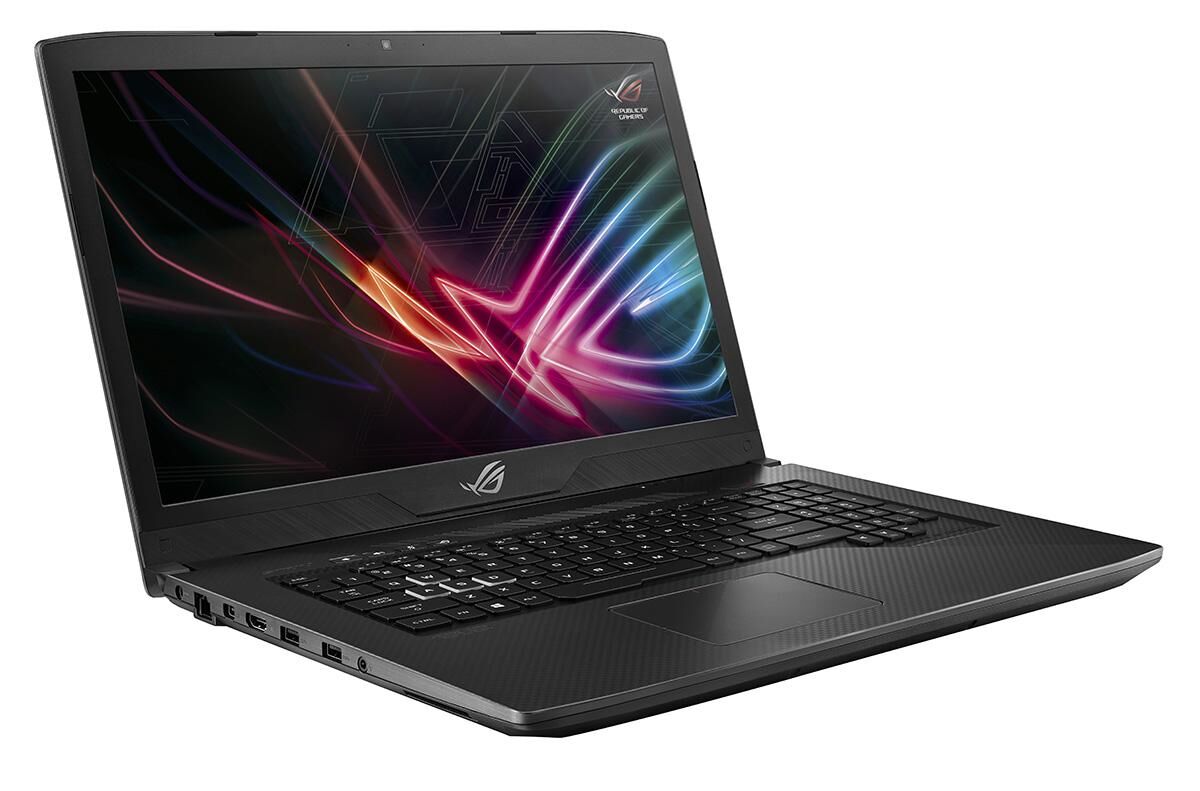
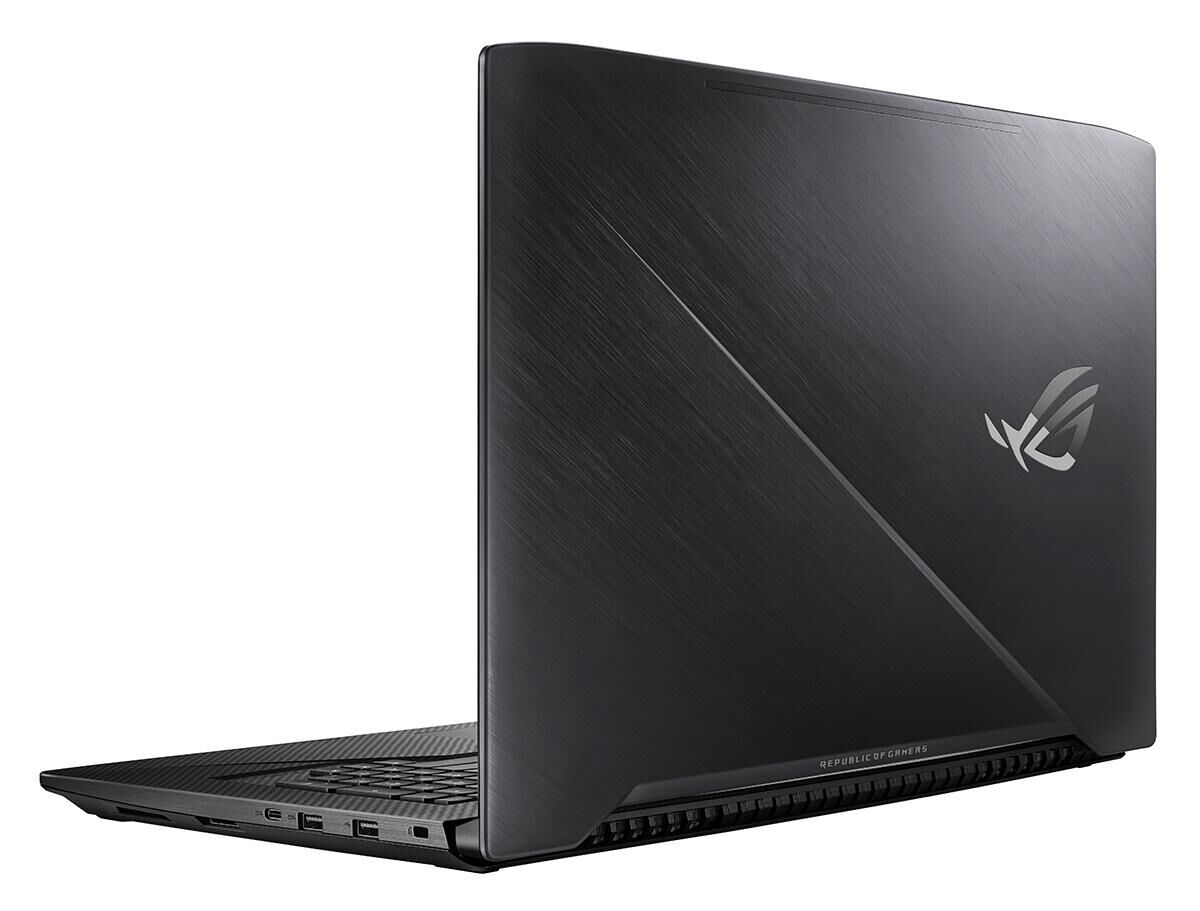
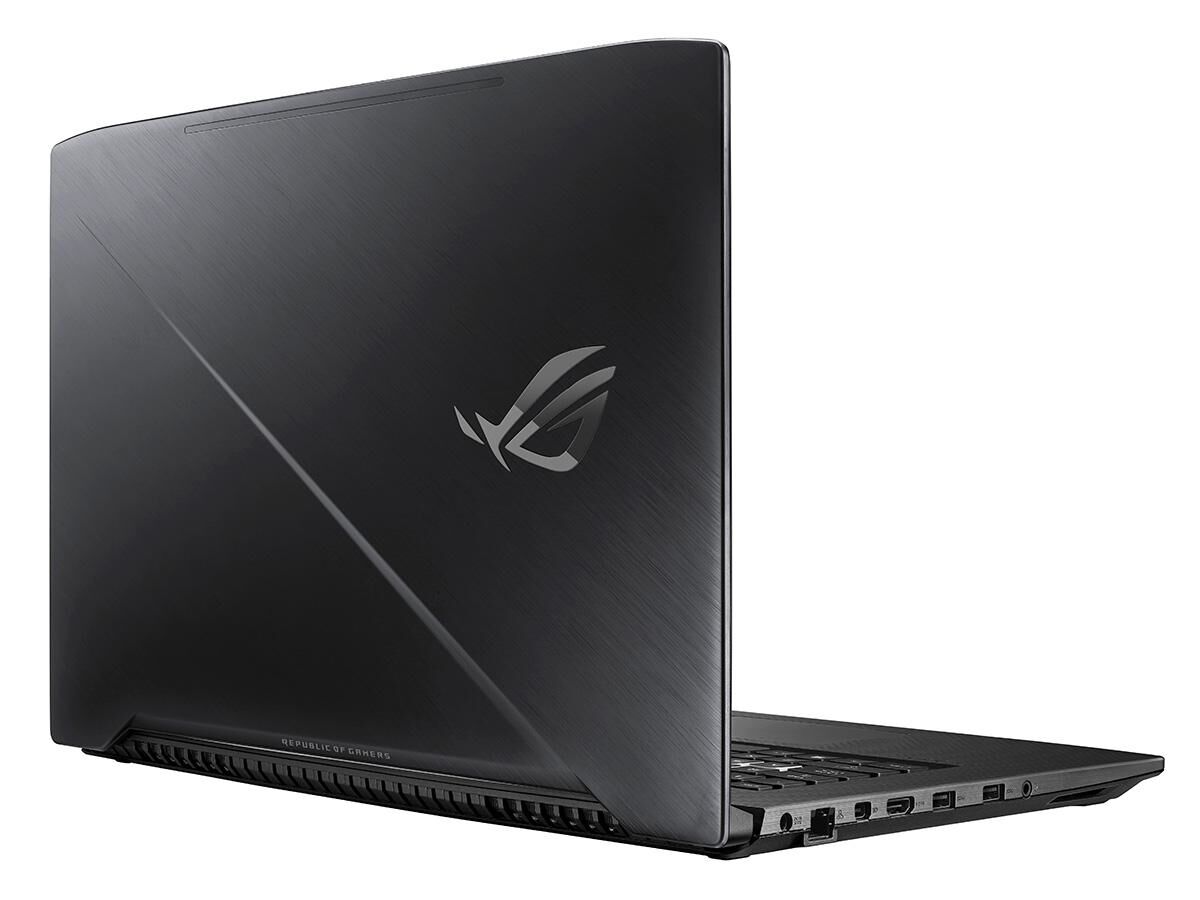
ASUS ROG Strix GL703GS-E5061 laptop features two SO-DIMM slots for DDR4-SDRAM memory upgrade. The system supports maximum RAM capacity of 32 GB with DDR4 specifications at 2666 MHz frequency. Compatible memory modules utilize SO-DIMM form factor. Upgrade configurations allow installation of matched pairs to achieve full capacity specifications. The GL703GS-E5061 model accommodates DDR4-SDRAM memory upgrades within these technical parameters and slot limitations.
Memory Upgrade Specifications
| Specification | Value |
|---|---|
| Memory slots | 2x SO-DIMM |
| Form factor | SO-DIMM |
| Memory type | DDR4-SDRAM |
| Frequency | 2666 MHz |
| Maximum RAM | 32 GB |
| Voltage | 1.2V |
| Number of pins | 260-pin |
| Interface | PC4 |
| PC Speed Rating | PC4-2666 (PC4-21328) |
| Bandwidth | 21.3 GB/s |
| Laptop Release date | 08 November 2019 |
Additional Notes
- The ASUS ROG GL703GS-E5061 contains 2 SO-DIMM slots, which limits concurrent memory modules to a pair and eliminates future expansion beyond the 32 GB ceiling without removing existing modules.
- DDR4-2666 MHz operates at a lower frequency tier compared to contemporary DDR4-3200 and DDR4-3600 standards, creating a potential 12-19% bandwidth disadvantage relative to newer gaming systems and workstation platforms.
- SO-DIMM form factor confirms this unit is a laptop; replacement modules must match this physical specification precisely, as full-size UDIMM modules are mechanically incompatible with the socket configuration.
- The 32 GB maximum capacity constraint becomes a practical ceiling for memory-intensive workflows such as 4K video editing, large dataset processing, or simultaneous virtual machine operation within a single system instance.
- Upgrading to the 32 GB configuration requires both SO-DIMM slots to contain 16 GB modules; populating only 1 slot leaves 16 GB of unused capacity potential and introduces asymmetric memory configuration penalties in dual-channel bandwidth delivery.
- DDR4-2666 memory modules are widely available and typically cost-competitive, as this frequency standard has transitioned to mature market status following the industry shift toward DDR4-3200+ specifications.