ASUS ROG GL703GS-E5011T RAM upgrade specifications

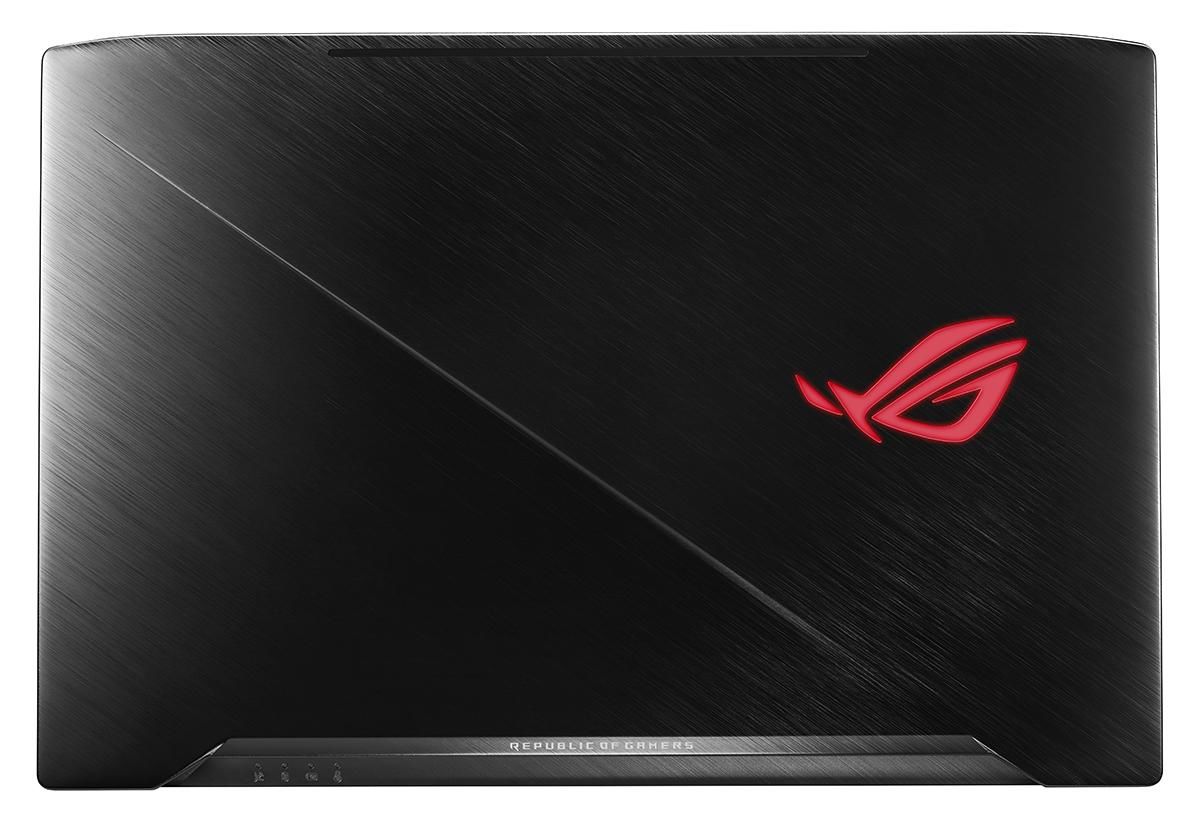
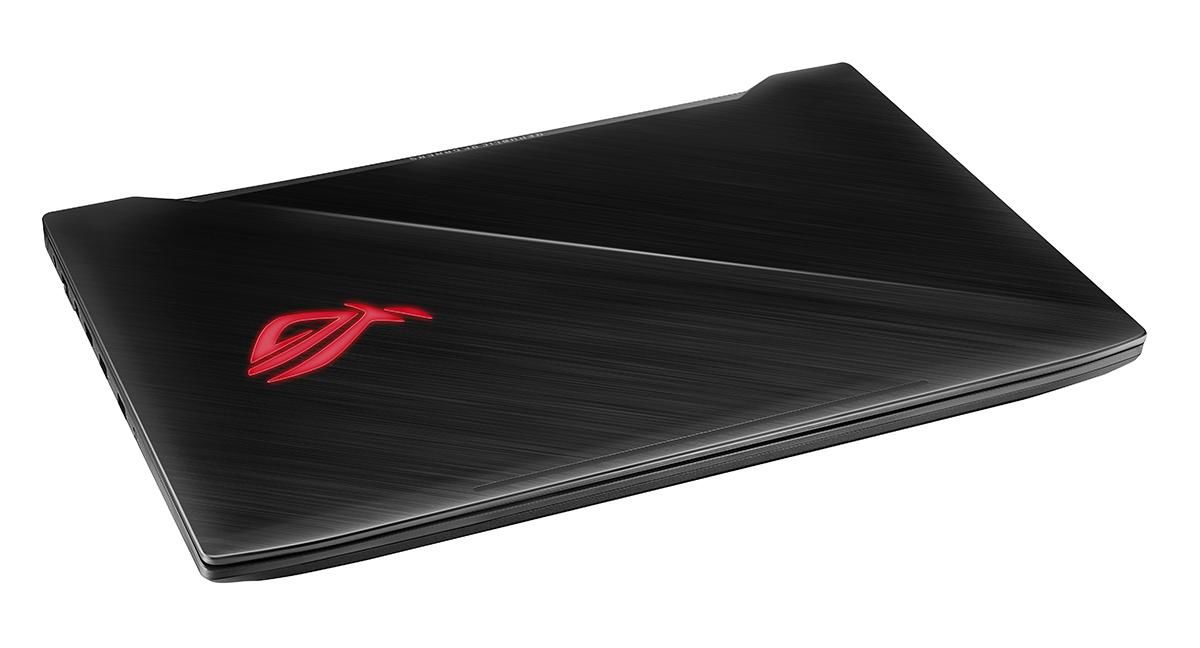
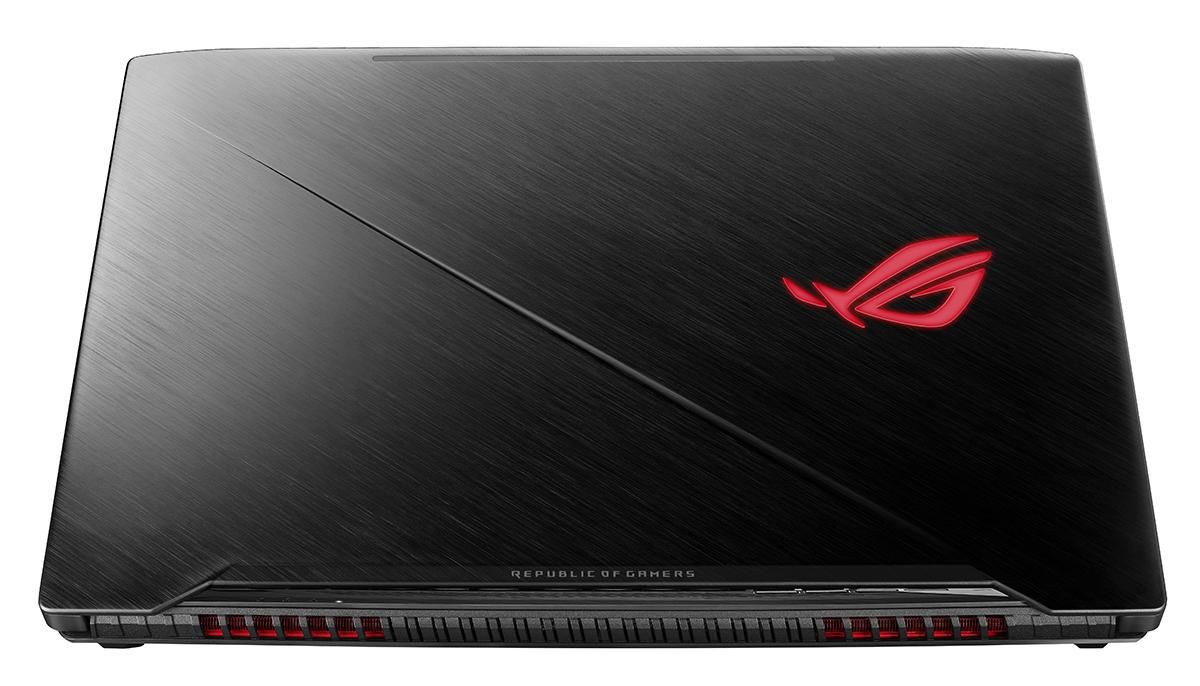
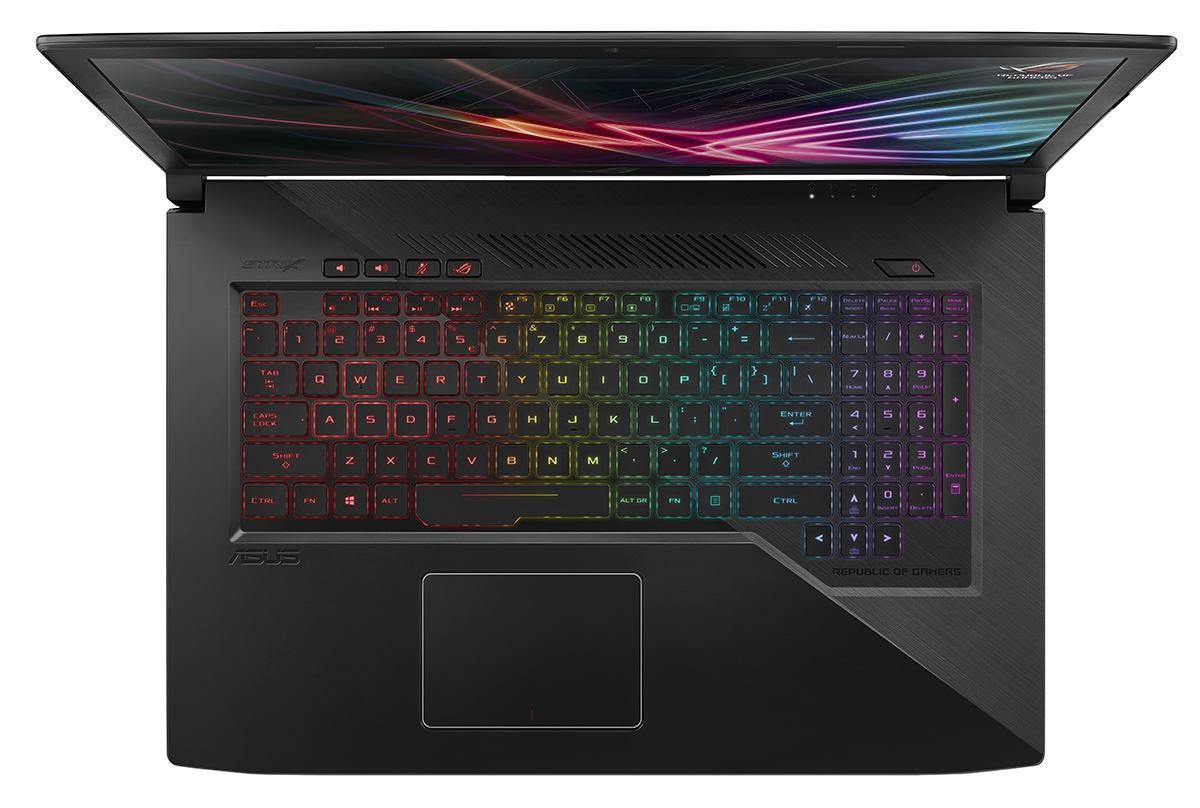
ASUS ROG Strix GL703GS-E5011T laptop supports DDR4-SDRAM memory upgrades with two SO-DIMM slots for maximum capacity of 32 GB total. Specifications indicate compatible RAM operates at 2800 MHz frequency. Upgrade configurations allow installation of memory modules in dual-slot configuration, enabling enhanced multitasking and performance capabilities. Memory modules must adhere to SO-DIMM form factor specifications for proper compatibility with this gaming laptop model.
Memory Upgrade Specifications
| Specification | Value |
|---|---|
| Memory slots | 2x SO-DIMM |
| Form factor | SO-DIMM |
| Memory type | DDR4-SDRAM |
| Frequency | 2800 MHz |
| Maximum RAM | 32 GB |
| Voltage | 1.2V |
| Number of pins | 260-pin |
| Interface | PC4 |
| PC Speed Rating | PC4-2800 (PC4-22400) |
| Bandwidth | 22.4 GB/s |
| Laptop Release date | 23 April 2018 |
Additional Notes
- The ASUS ROG GL703GS-E5011T contains 2 SO-DIMM slots operating at 2800 MHz, which establishes a hard ceiling of 32 GB total capacity. Exceeding this configuration requires motherboard replacement, rendering any additional modules incompatible at the firmware level.
- DDR4-2800 MHz represents a mid-range frequency for this generation. Modules rated above 2800 MHz will downclock to 2800 MHz automatically, eliminating performance gains from premium memory kits and wasting the cost differential.
- SO-DIMM form factor restricts upgrades to laptop-class memory exclusively. Desktop DDR4 UDIMM modules cannot physically seat in these slots regardless of electrical compatibility, blocking a broader supplier pool and potentially limiting price options during component sourcing.
- The 2-slot architecture means maximum per-slot capacity is 16 GB. Populating only 1 slot disables dual-channel operation, reducing memory bandwidth utilization by approximately 50% and creating a performance penalty in workloads sensitive to memory throughput.
- Simultaneous installation of mixed memory capacities (for example, 8 GB + 16 GB) may trigger JEDEC fallback modes or BIOS warnings. Manufacturer documentation should be consulted before combining modules of different densities to avoid unstable operation or forced downclocking.
- Warranty integrity depends on obtaining DDR4-SDRAM modules meeting JEDEC standards and matching the 2800 MHz specification. Non-standard overclocked modules or incompatible subtimings could void coverage if hardware failure is attributed to electrical stress on memory slots.