ASUS ROG GL703VD-GC007 RAM upgrade specifications
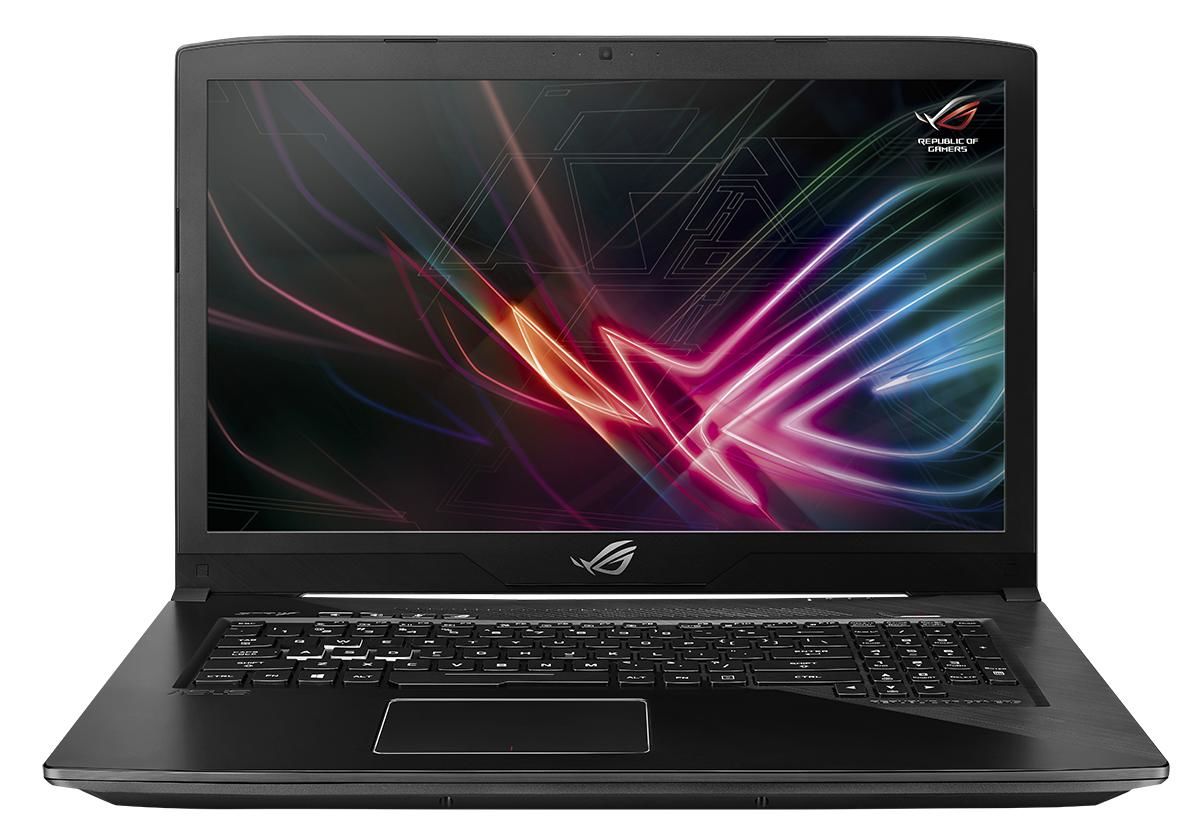


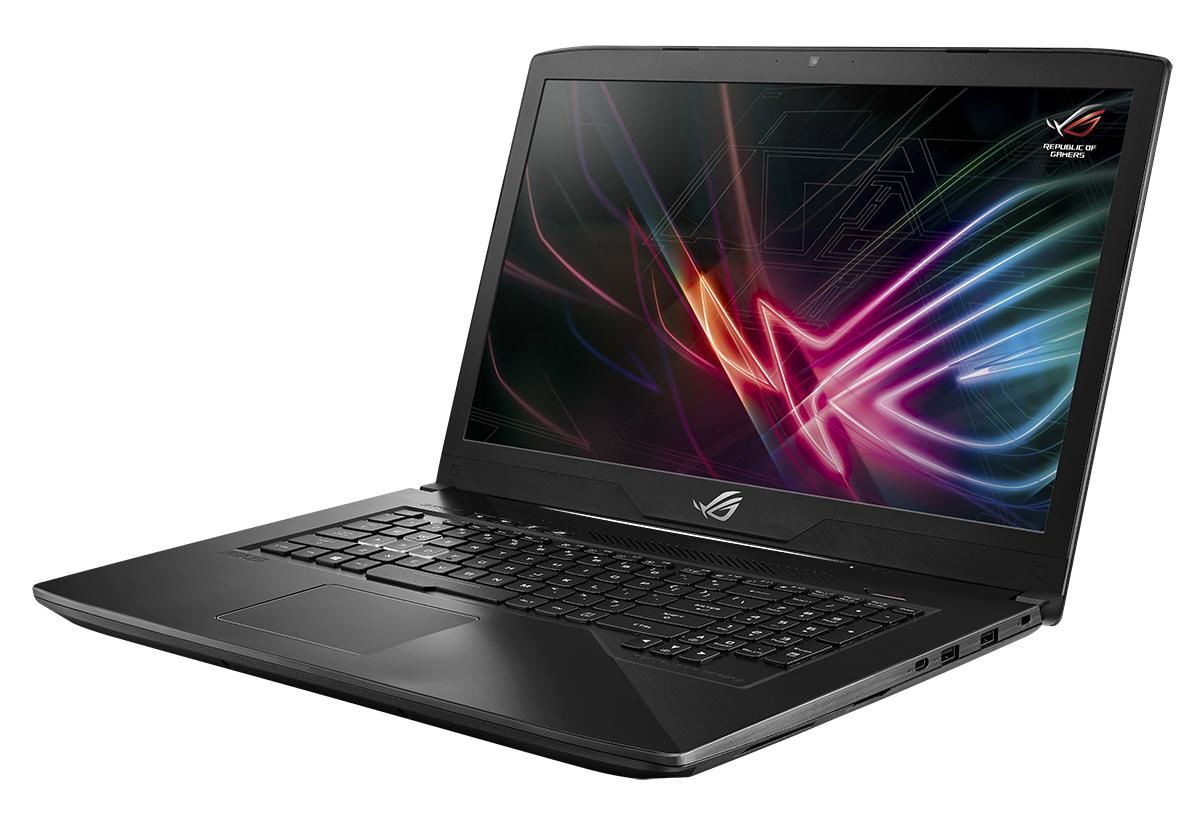

ASUS ROG Strix GL703VD-GC007 laptop memory upgrade specifications include two SO-DIMM slots supporting DDR4-SDRAM memory modules. The system accommodates maximum RAM capacity of 32 GB total. Compatible memory operates at 2400 MHz frequency. Upgrade configurations utilize SO-DIMM form factor modules, enabling users to expand memory capacity by replacing or adding compatible DDR4 memory modules within the available slots. Specifications define the upgrade parameters for this gaming laptop model.
Memory Upgrade Specifications
| Specification | Value |
|---|---|
| Memory slots | 2x SO-DIMM |
| Form factor | SO-DIMM |
| Memory type | DDR4-SDRAM |
| Frequency | 2400 MHz |
| Maximum RAM | 32 GB |
| Voltage | 1.2V |
| Number of pins | 260-pin |
| Interface | PC4 |
| PC Speed Rating | PC4-2400 (PC4-19200) |
| Bandwidth | 19.2 GB/s |
| Laptop Release date | 25 February 2018 |
Additional Notes
- The ASUS ROG GL703VD-GC007 requires SO-DIMM modules rather than standard desktop DIMMs, necessitating laptop-specific memory purchases that typically cost more per gigabyte than their desktop counterparts.
- The 32 GB maximum capacity splits into two 16 GB modules, meaning users currently running dual 8 GB sticks must replace both modules entirely rather than adding to existing capacity.
- The 2400 MHz frequency represents the highest stable speed for this configuration, as attempting to install faster modules will result in automatic downclocking to this specification.
- DDR4-SDRAM technology ensures forward compatibility with widely available modules but eliminates the possibility of using older DDR3 laptop memory from previous systems.
- Dual-channel architecture requires matched pairs for optimal bandwidth, making single-module configurations operate at half the potential memory throughput.
- The SO-DIMM form factor limits heat dissipation compared to full-size modules, restricting overclocking headroom even on modules rated for higher frequencies.
- Non-ECC architecture means the system prioritizes performance over error correction, making this configuration unsuitable for workloads requiring memory validation.
- The two-slot limitation prevents incremental capacity upgrades beyond 32 GB, requiring complete memory replacement rather than supplemental expansion for future needs.
- Modules with XMP profiles will function but only at JEDEC standard speeds, as mobile platforms typically lack BIOS options for enabling manufacturer-specific performance profiles.
- The voltage specification typically defaults to 1.2V for DDR4 SO-DIMMs, and modules requiring higher voltage may encounter stability issues or fail to boot.