ASUS ROG GL704GM-DH74 RAM upgrade specifications

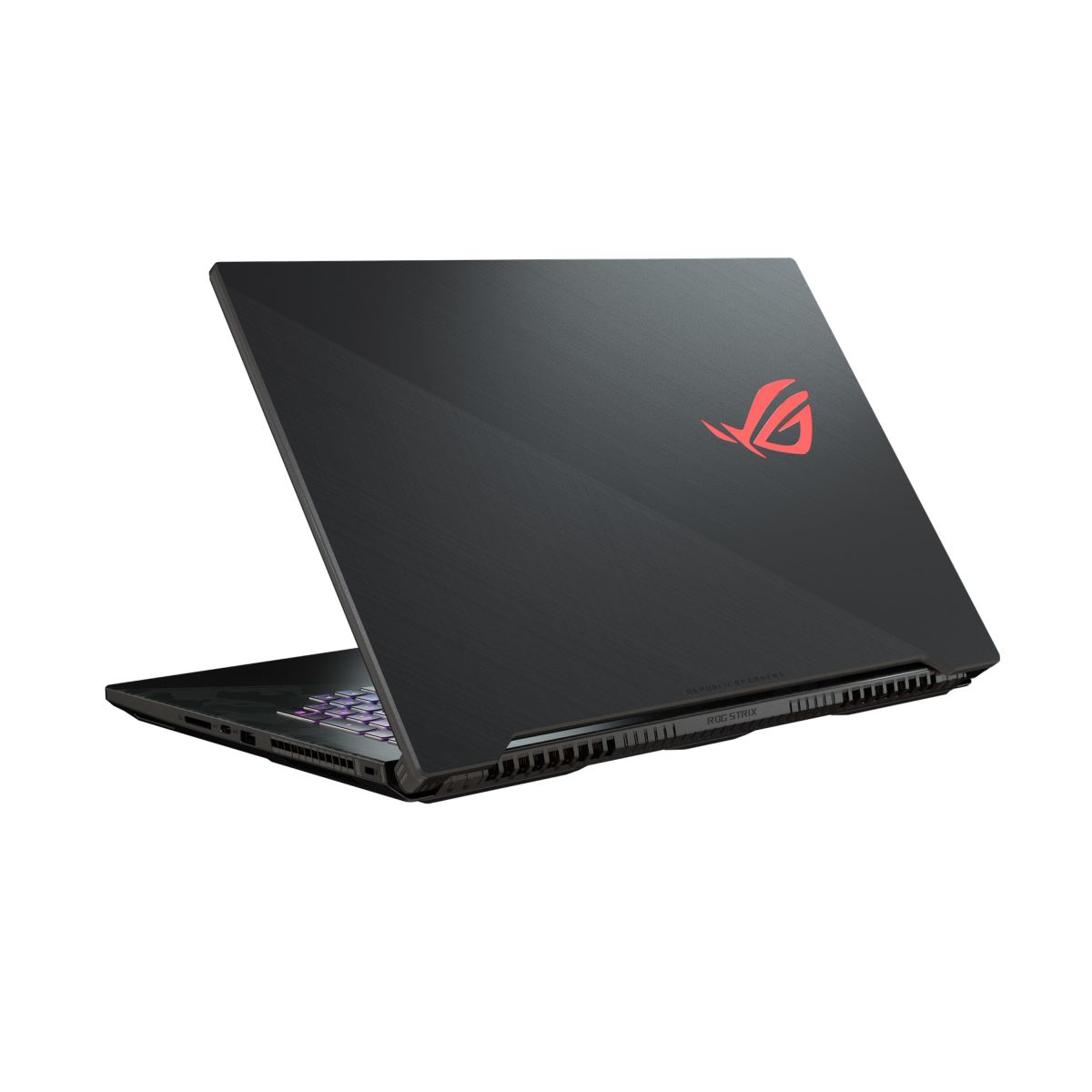

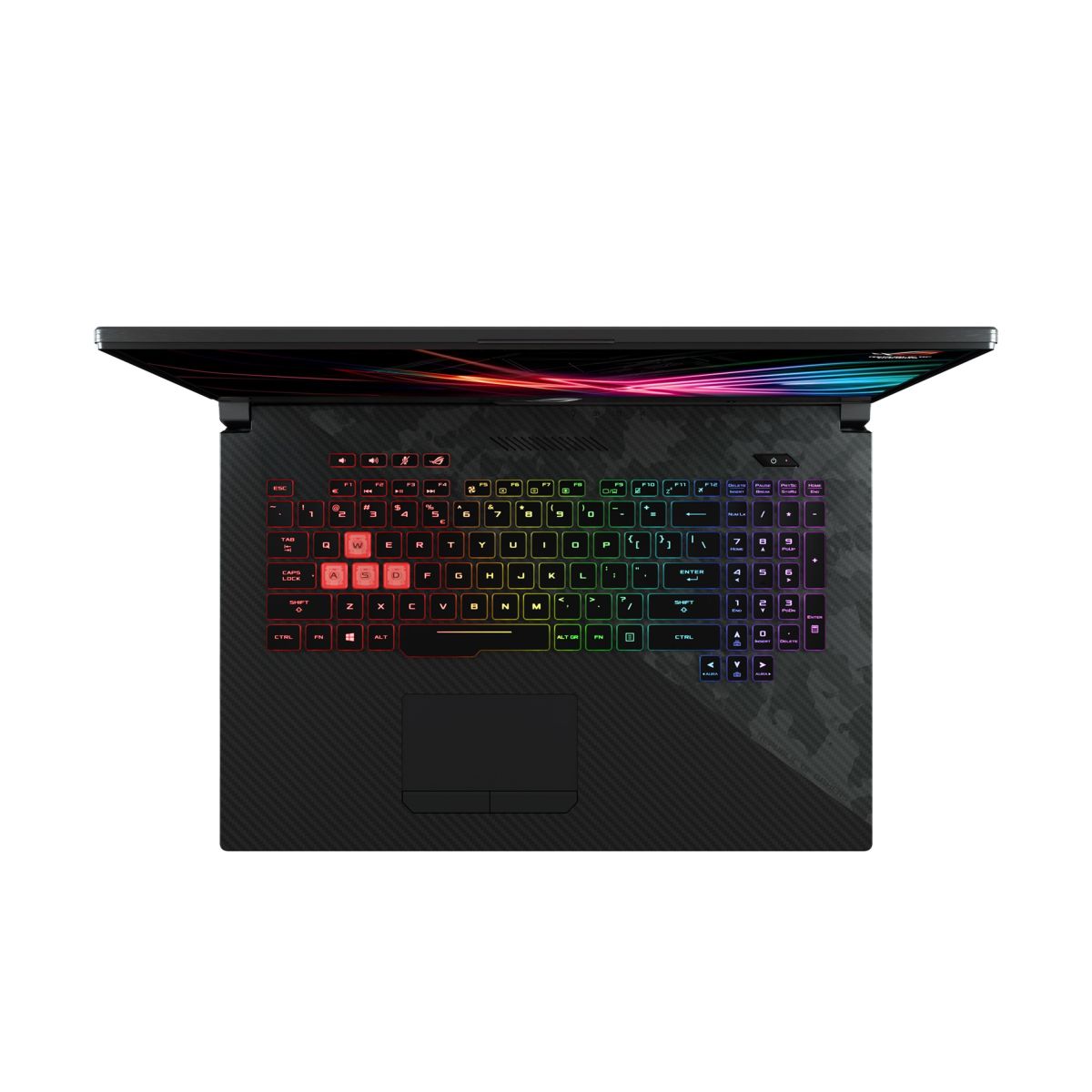

The ASUS ROG Strix GL704GM-DH74 gaming laptop features two SO-DIMM slots supporting DDR4-SDRAM memory upgrade specifications. Compatible DDR4 modules operate at 2666 MHz frequency, with maximum RAM capacity of 32 GB total. The SO-DIMM form factor enables memory upgrade and expansion for enhanced system performance. Specifications indicate 2x SO-DIMM slots available for DDR4 memory installation, supporting up to 16 GB per slot for total maximum upgrade capacity of 32 GB RAM.
Memory Upgrade Specifications
| Specification | Value |
|---|---|
| Memory slots | 2x SO-DIMM |
| Form factor | SO-DIMM |
| Memory type | DDR4-SDRAM |
| Frequency | 2666 MHz |
| Maximum RAM | 32 GB |
| Voltage | 1.2V |
| Number of pins | 260-pin |
| Interface | PC4 |
| PC Speed Rating | PC4-2666 (PC4-21328) |
| Bandwidth | 21.3 GB/s |
| Laptop Release date | 13 December 2018 |
Additional Notes
- The ASUS ROG GL704GM-DH74 requires laptop-specific SO-DIMM modules rather than desktop DIMM memory, eliminating compatibility with standard tower PC components.
- The 32 GB ceiling reflects chipset limitations rather than physical slot availability, preventing future expansion beyond this threshold regardless of module density improvements.
- DDR4-2666 represents the maximum validated speed for this configuration, meaning higher-frequency modules will downclock to 2666 MHz without performance benefit.
- Dual SO-DIMM architecture enables dual-channel operation when matched pairs are installed, doubling memory bandwidth compared to single-module configurations.
- The 2666 MHz specification indicates non-ECC unbuffered memory compatibility, as gaming-oriented platforms typically lack error correction circuitry found in workstation models.
- Maximum density per slot reaches 16 GB, requiring matched 16 GB modules to achieve the 32 GB system limit across both available positions.
- Voltage requirements default to DDR4 standard 1.2V operation, with XMP profiles and manual overclocking disabled in most gaming laptop BIOS implementations.
- CAS latency optimization remains limited compared to desktop platforms, as laptop firmware rarely exposes granular timing controls for manual tuning.
- Mixed-capacity configurations will function but sacrifice dual-channel symmetry on the unmatched portion, creating asymmetric bandwidth allocation.
- Thermal constraints within laptop chassis may throttle sustained memory-intensive workloads differently than advertised speeds suggest under desktop cooling conditions.
- Bottom panel removal provides access to both slots without keyboard or motherboard disassembly, maintaining warranty integrity when using approved modules.
- JEDEC-compliant modules ensure automatic SPD recognition at boot, while non-standard kits may require BIOS intervention unavailable on locked firmware.