ASUS ROG GL704GM-EV001T RAM upgrade specifications
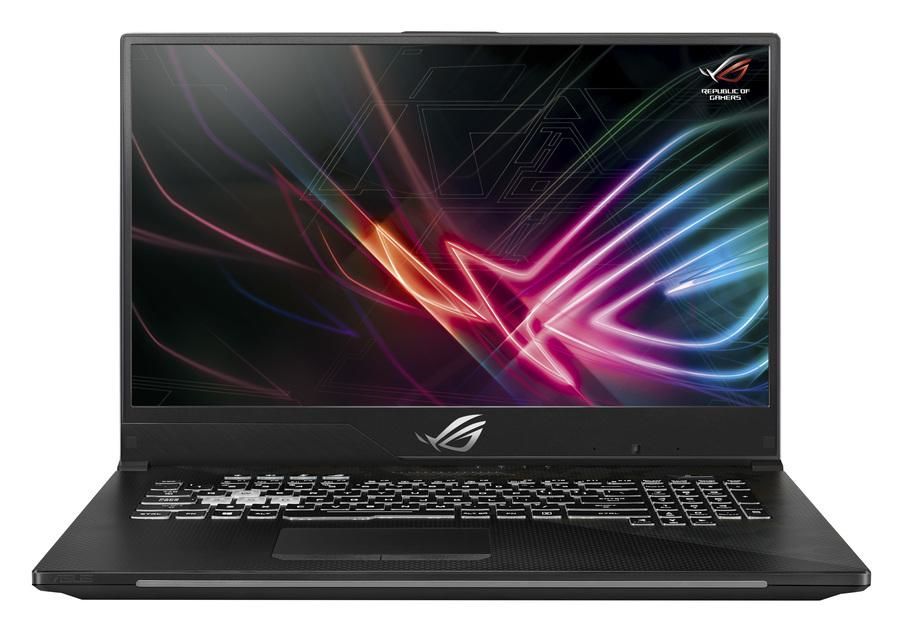

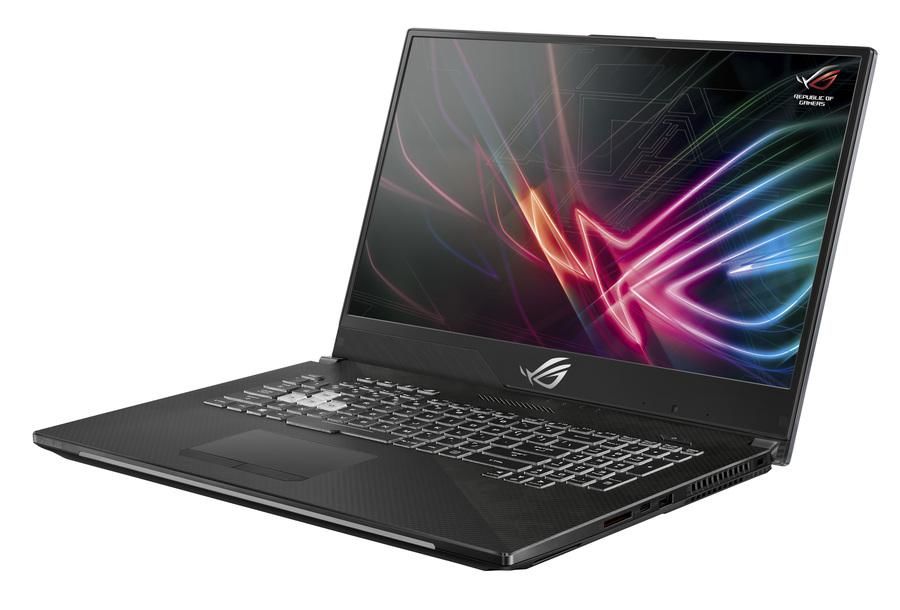

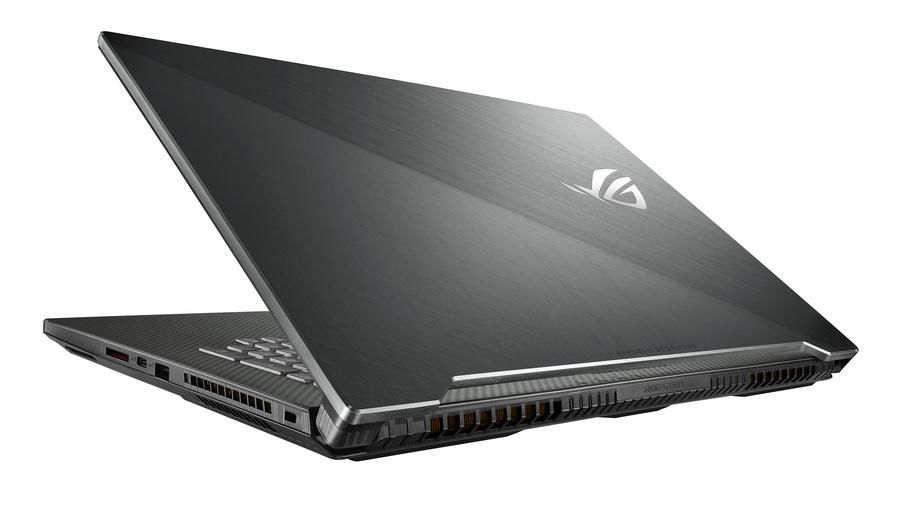
ASUS ROG Strix GL704GM-EV001T compatible RAM upgrade specifications include DDR4-SDRAM memory with maximum capacity of 32 GB. Laptop contains 2x SO-DIMM slots for memory expansion. Each upgrade module operates at 2666 MHz frequency. Compatible upgrade modules utilize SO-DIMM form factor specifications. Maximum supported memory capacity specifications allow for dual-slot configuration totaling 32 GB RAM. Upgrade specifications enable compatible DDR4-SDRAM module installation in available SO-DIMM slots.
Memory Upgrade Specifications
| Specification | Value |
|---|---|
| Memory slots | 2x SO-DIMM |
| Form factor | SO-DIMM |
| Memory type | DDR4-SDRAM |
| Frequency | 2666 MHz |
| Maximum RAM | 32 GB |
| Voltage | 1.2V |
| Number of pins | 260-pin |
| Interface | PC4 |
| PC Speed Rating | PC4-2666 (PC4-21328) |
| Bandwidth | 21.3 GB/s |
| Laptop Release date | 24 October 2018 |
Additional Notes
- DDR4-2666 MHz frequency indicates memory controller compatibility with Intel 8th-gen Core processors; DDR4 modules rated for faster speeds (3000 MHz or higher) will downclock to 2666 MHz, resulting in no performance gain from premium memory purchases.
- 2 SO-DIMM slots with 32 GB maximum capacity constrains upgrade paths to 16 GB per module; single-channel configuration is not possible after any upgrade, maintaining dual-channel architecture regardless of final capacity.
- SO-DIMM form factor requires low-profile memory modules; standard-height heat spreaders exceeding 32 mm may obstruct lid closure on this compact gaming chassis, necessitating verification of specific module dimensions before purchase.
- Upgrading from factory configuration to 32 GB maximum requires both DIMM slots to be populated; this eliminates future expansion capability, making 16+16 GB configuration the practical ceiling for warranty-safe upgrades.
- DDR4-2666 paired with 8th-gen Intel architecture creates a memory bandwidth ceiling of approximately 42.7 GB/s; this is sufficient for gaming but becomes a potential bottleneck in content creation workflows involving large dataset processing.
- Dual SO-DIMM architecture on a 2-slot motherboard means memory failure affects system stability more severely than in multi-slot configurations; replacement of a faulty module leaves the system in a mismatched-speed state if the remaining module differs in specifications.