ASUS ROG GX650PZ-NM015W RAM upgrade specifications


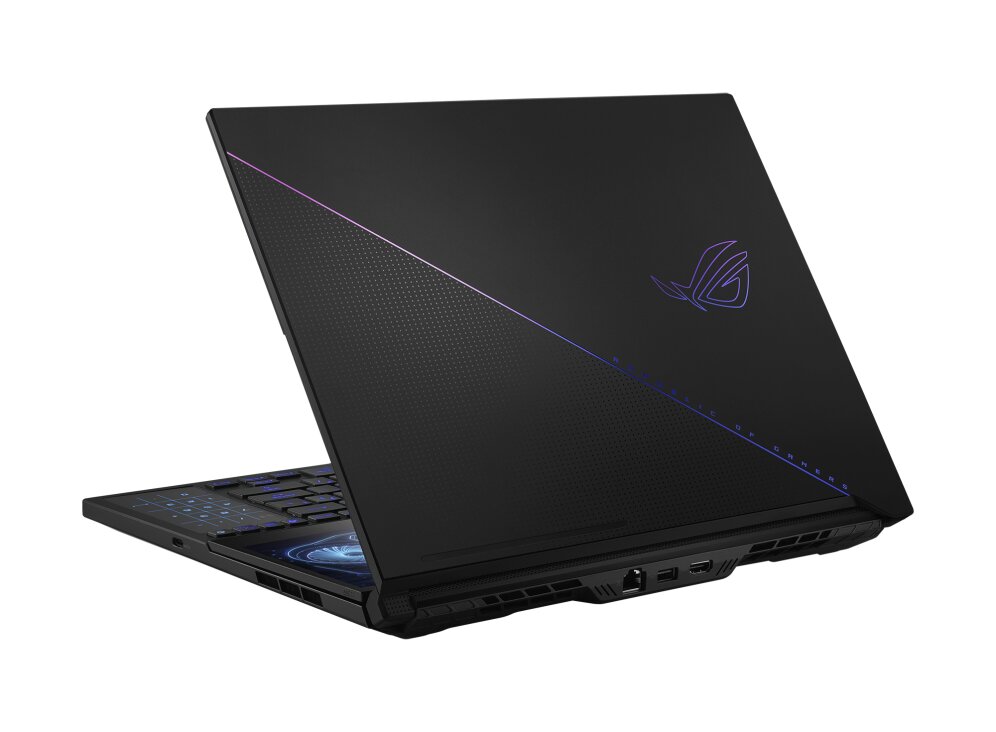

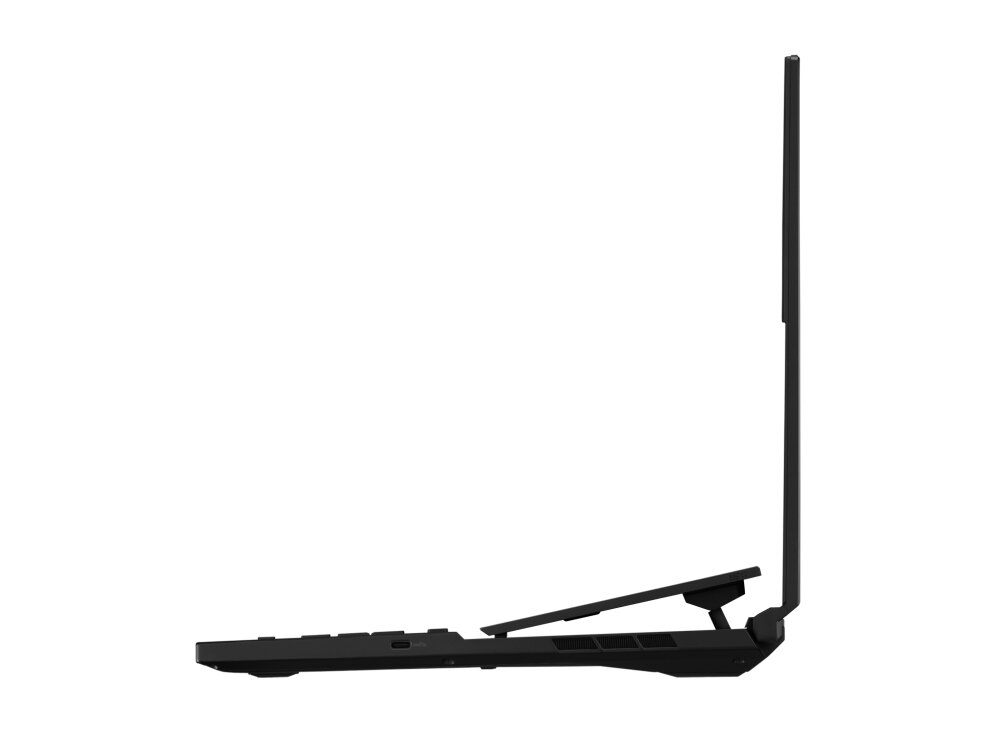
The ASUS ROG Zephyrus Duo 16 GX650PZ-NM015W laptop features two SO-DIMM slots supporting DDR5-SDRAM memory at 4800 MHz frequency. Maximum RAM capacity reaches 64 GB when both slots are populated. The upgrade specifications indicate compatible DDR5 SO-DIMM modules can be installed to enhance system memory performance. Current memory configuration and available slots determine upgrade capacity options for this gaming laptop model.
Memory Upgrade Specifications
| Specification | Value |
|---|---|
| Memory slots | 2x SO-DIMM |
| Form factor | SO-DIMM |
| Memory type | DDR5-SDRAM |
| Frequency | 4800 MHz |
| Maximum RAM | 64 GB |
| Voltage | 1.1V |
| Number of pins | 262-pin |
| Interface | PC5 |
| PC Speed Rating | PC5-4800 (PC5-38400) |
| Bandwidth | 38.4 GB/s |
| Laptop Release date | 13 April 2023 |
Additional Notes
- The ASUS ROG GX650PZ-NM015W employs a 2-slot SO-DIMM architecture, meaning both memory slots must be populated to achieve the 64 GB maximum. Removal of either module disables dual-channel operation, reducing memory bandwidth by approximately 50% and degrading performance in CPU-bound and GPU-bound workloads.
- DDR5-4800 MHz represents the JEDEC standard frequency for this platform. Mixing DDR5 modules of different speeds will downclock all installed memory to the slowest module's specification. Pairing the stock configuration with aftermarket DDR5-6000 or DDR5-7200 modules will result in operation at 4800 MHz, negating any speed advantage of premium memory.
- The 2-slot SO-DIMM configuration creates an upgrade ceiling at 64 GB total capacity. This constraint means storage-intensive applications and virtualization environments cannot scale memory beyond this limit without hardware replacement of the motherboard or system architecture.
- SO-DIMM memory operates at reduced voltage and carries tighter thermal tolerances than full-size DIMM modules. Overclocked DDR5 configurations on this platform generate higher heat dissipation around the memory slots, potentially reducing component lifespan if ambient temperatures exceed 25°C or if passive cooling near the SO-DIMM slots is obstructed.
- Warranty coverage for third-party memory upgrades typically depends on installation methodology. Upgrades performed by the end user generally retain device warranty validity, whereas improper seating or physical damage during installation may void coverage for memory-related failures.