ASUS ROG GX650PZ-NM030W RAM upgrade specifications


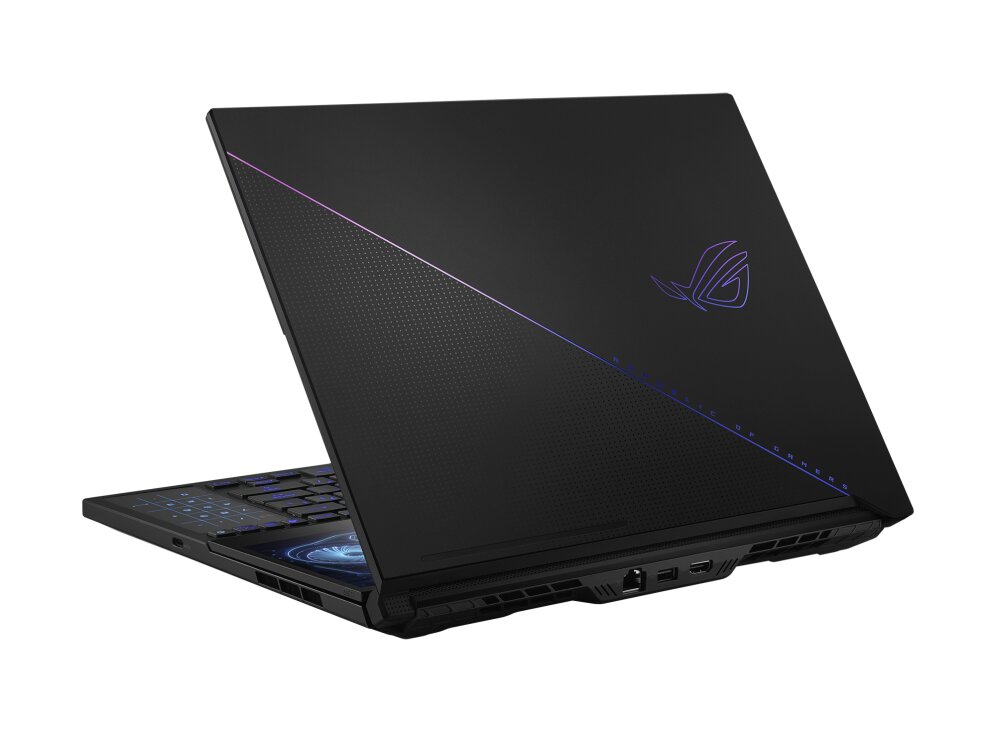

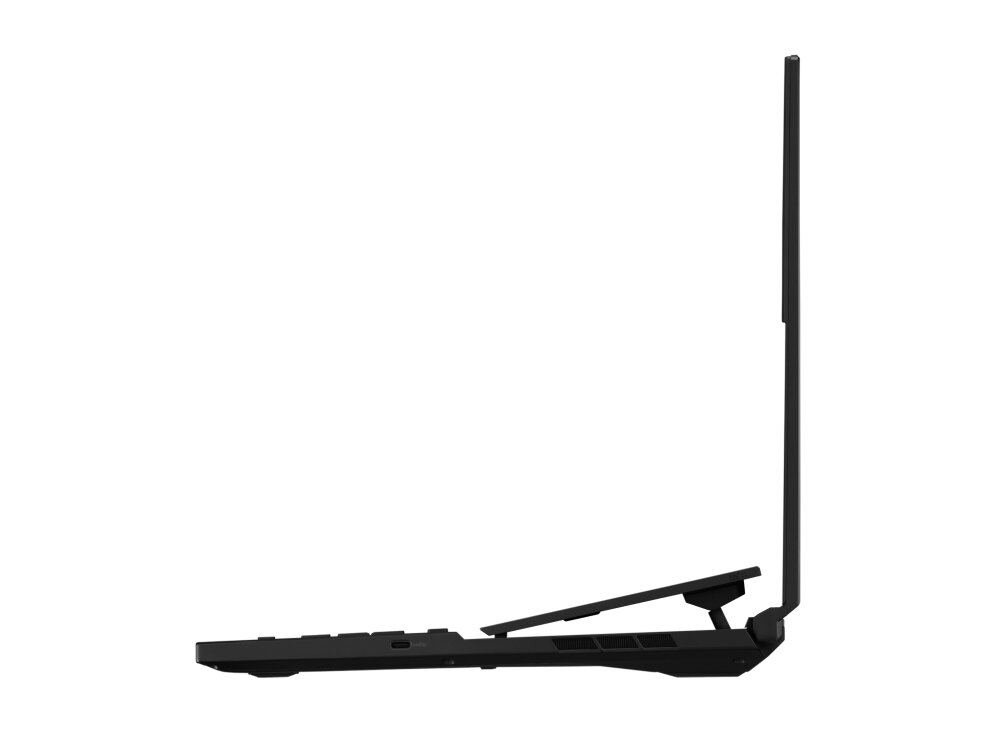
ASUS ROG Zephyrus Duo 16 model GX650PZ-NM030W features two SO-DIMM slots for DDR5-SDRAM memory upgrade. The laptop supports maximum RAM capacity of 64 GB total, with compatible memory modules operating at 4800 MHz frequency. Specifications indicate dual-channel memory configuration enabling hardware upgrades through standard SO-DIMM form factor components for enhanced system performance and multitasking capabilities.
Memory Upgrade Specifications
| Specification | Value |
|---|---|
| Memory slots | 2x SO-DIMM |
| Form factor | SO-DIMM |
| Memory type | DDR5-SDRAM |
| Frequency | 4800 MHz |
| Maximum RAM | 64 GB |
| Voltage | 1.1V |
| Number of pins | 262-pin |
| Interface | PC5 |
| PC Speed Rating | PC5-4800 (PC5-38400) |
| Bandwidth | 38.4 GB/s |
| Laptop Release date | 07 February 2023 |
Additional Notes
- The ASUS ROG GX650PZ-NM030W uses laptop-class SO-DIMM slots rather than desktop DIMM form factors, restricting module selection to mobile-specific DDR5 inventory with narrower vendor availability than desktop equivalents.
- DDR5-4800 operation requires memory modules rated for 4800 MHz or higher; standard DDR5-4800 modules will function, but DDR5-5600 or faster variants may not achieve rated speeds due to memory controller limitations in the platform's chipset.
- The 2-slot configuration creates a single-slot upgrade constraint: users cannot expand incrementally from a stock configuration without either replacing existing modules or occupying the second slot, limiting staged upgrade flexibility.
- 64 GB maximum capacity represents a practical ceiling where single 32 GB SO-DIMM modules remain expensive relative to their desktop counterparts, making full-capacity upgrades economically inefficient for most workflows.
- DDR5 memory modules operate at higher voltages (1.25V) than DDR4 predecessors; mixing generation types is electrically incompatible, requiring complete memory replacement rather than supplementation with existing DDR4 modules from other systems.
- SO-DIMM modules generate measurably higher thermal density than desktop DIMMs due to component density; sustained high-frequency operation at 4800 MHz may trigger throttling if the laptop's airflow design lacks dedicated memory cooling pathways.
- JEDEC profile limitations mean that XMP/DOCP overclocking profiles on third-party modules will not be recognized; the system defaults to JEDEC standard frequencies, negating performance claims on binned high-speed variants.