ASUS ROG GX650PZ-XS96 RAM upgrade specifications




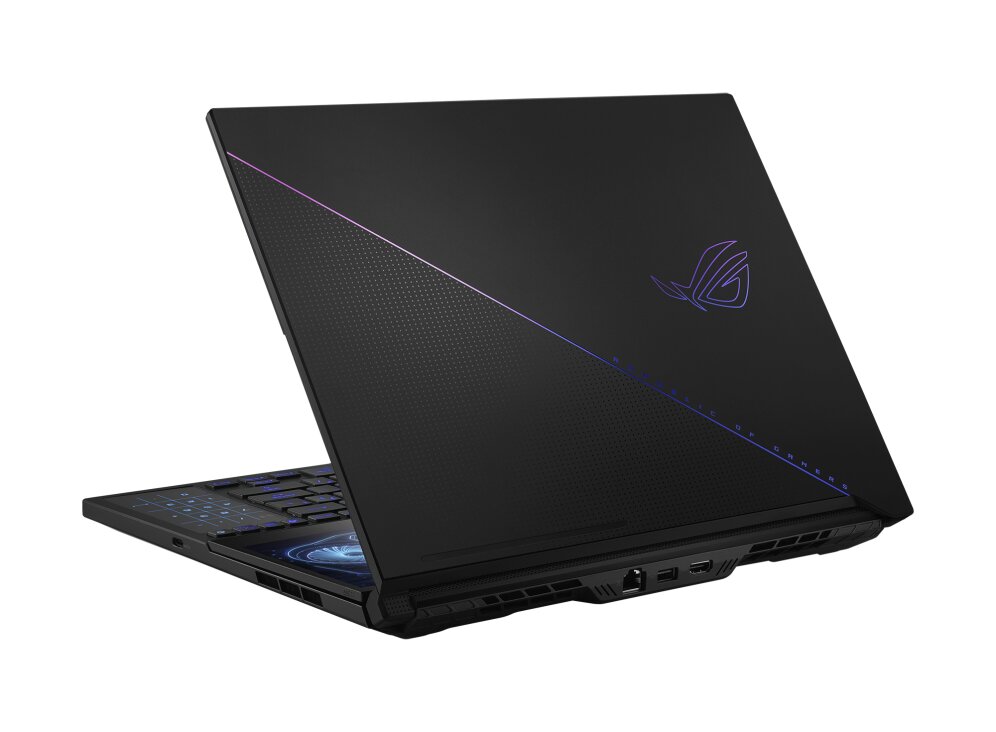
The ASUS ROG Zephyrus Duo 16 GX650PZ-XS96 features DDR5-SDRAM memory upgrade specifications with two SO-DIMM slots supporting maximum capacity of 64 GB. Compatible memory modules operate at 4800 MHz frequency. Upgrade options accommodate dual SO-DIMM form factor memory configuration, enabling expansion up to the specified maximum RAM capacity for enhanced system performance and multitasking capabilities.
Memory Upgrade Specifications
| Specification | Value |
|---|---|
| Memory slots | 2x SO-DIMM |
| Form factor | SO-DIMM |
| Memory type | DDR5-SDRAM |
| Frequency | 4800 MHz |
| Maximum RAM | 64 GB |
| Voltage | 1.1V |
| Number of pins | 262-pin |
| Interface | PC5 |
| PC Speed Rating | PC5-4800 (PC5-38400) |
| Bandwidth | 38.4 GB/s |
| Laptop Release date | 10 February 2023 |
Additional Notes
- The ASUS ROG GX650PZ-XS96 requires DDR5 SO-DIMM modules, which are physically incompatible with DDR4 slots due to different notch positioning and voltage requirements.
- The 4800 MHz frequency specification represents JEDEC standard speed for DDR5, with potential support for higher XMP/EXPO profiles if enabled in BIOS.
- Dual-channel memory architecture activates when both SO-DIMM slots contain matched capacity modules, doubling effective bandwidth compared to single-module configurations.
- The 64 GB maximum capacity constraint limits individual module density to 32 GB per slot when fully populated.
- DDR5 SO-DIMM modules operate at 1.1 volts compared to DDR4's 1.2 volts, reducing power consumption but requiring compatible voltage regulation circuitry.
- Memory upgrades maintain manufacturer warranty status since SO-DIMM slots provide tool-free access through bottom panel removal.
- Mixed-capacity configurations will function but force all modules to operate in flex mode, potentially reducing bandwidth efficiency on asymmetric workloads.
- The 4800 MHz base speed ensures compatibility with enterprise DDR5 modules rated at JEDEC standard timings, typically CL40 or CL42.
- SO-DIMM form factor prevents installation of standard UDIMM desktop modules due to incompatible physical dimensions and pin configurations.
- Single-rank versus dual-rank module topology affects memory interleaving performance, with dual-rank configurations offering marginal bandwidth advantages in specific applications.