ASUS ROG GX650RX-LO010W RAM upgrade specifications




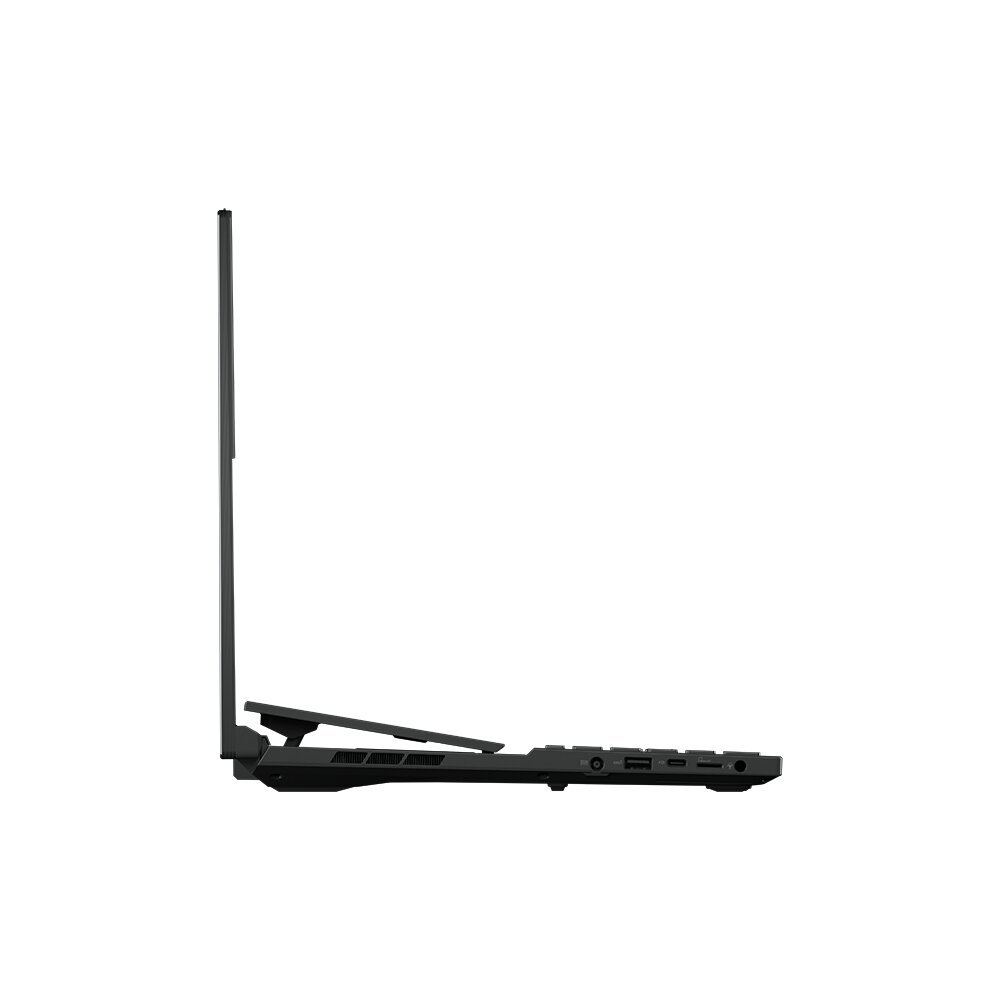
The ASUS ROG Zephyrus Duo 16 GX650RX-LO010W features DDR5-SDRAM memory upgrade capabilities with 2x SO-DIMM slots supporting a maximum RAM capacity of 64 GB. Memory specifications include DDR5 technology operating at 4800 MHz frequency with SO-DIMM form factor compatibility. Specifications indicate the laptop's memory configuration allows for RAM upgrades utilizing DDR5 standards, compatible with the dual slot configuration for enhanced system performance and multitasking capabilities.
Memory Upgrade Specifications
| Specification | Value |
|---|---|
| Memory slots | 2x SO-DIMM |
| Form factor | SO-DIMM |
| Memory type | DDR5-SDRAM |
| Frequency | 4800 MHz |
| Maximum RAM | 64 GB |
| Voltage | 1.1V |
| Number of pins | 262-pin |
| Interface | PC5 |
| PC Speed Rating | PC5-4800 (PC5-38400) |
| Bandwidth | 38.4 GB/s |
| Laptop Release date | 28 November 2021 |
Additional Notes
- The DDR5-SDRAM specification limits backward compatibility, as DDR4 modules cannot be installed regardless of physical form factor matching.
- The 4800 MHz frequency represents the baseline JEDEC standard for DDR5, though higher-speed modules may downclock to this specification depending on system firmware and processor memory controller capabilities.
- Dual SO-DIMM configuration enables dual-channel operation when matched modules are installed, providing theoretical maximum bandwidth of 76.8 GB/s at 4800 MHz.
- The 64 GB maximum capacity requires 2 modules of 32 GB each, which may carry cost implications compared to more common 16 GB density modules.
- SO-DIMM form factor indicates permanent soldering is not employed for the ASUS ROG GX650RX-LO010W, allowing post-purchase capacity expansion without motherboard replacement.
- Operating voltage for DDR5 at 4800 MHz typically remains at 1.1V, reducing power consumption compared to DDR4 equivalents while potentially affecting thermal headroom in compact chassis designs.
- Installation of non-matching capacity modules across the 2 slots will maintain functionality but may disable flex mode optimizations or revert to single-channel operation depending on BIOS implementation.
- ECC support depends on processor specification rather than memory slot capability, though SO-DIMM DDR5 modules with on-die ECC remain active independent of system-level error correction.
- XMP 3.0 or EXPO profile compatibility requires verification against motherboard qualified vendor lists, as advertised module speeds above 4800 MHz involve overclocking beyond JEDEC specifications.
- Thermal sensors integrated into DDR5 modules enable real-time temperature monitoring, though accessibility depends on system management software rather than hardware capability alone.