ASUS ROG GX650RX-LO034W RAM upgrade specifications




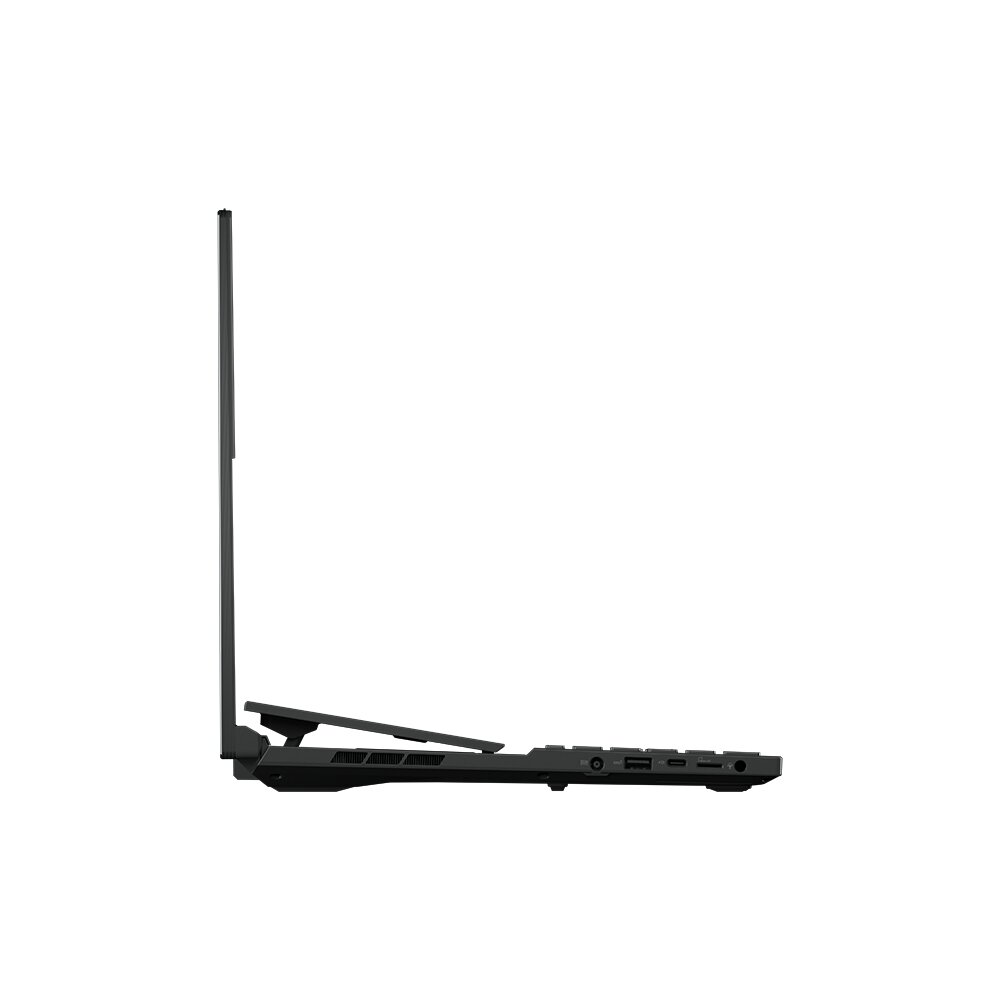
The ASUS ROG Zephyrus Duo 16 GX650RX-LO034W features DDR5-SDRAM memory with two SO-DIMM slots supporting maximum RAM capacity of 64 GB. Memory upgrade specifications include DDR5-SDRAM modules at 4800 MHz frequency. Compatible memory upgrades utilize SO-DIMM form factor modules. The laptop contains two upgrade slots for memory expansion, enabling users to configure memory capacity up to the maximum 64 GB specification. Specifications indicate the system supports DDR5-SDRAM technology for enhanced performance characteristics.
Memory Upgrade Specifications
| Specification | Value |
|---|---|
| Memory slots | 2x SO-DIMM |
| Form factor | SO-DIMM |
| Memory type | DDR5-SDRAM |
| Frequency | 4800 MHz |
| Maximum RAM | 64 GB |
| Voltage | 1.1V |
| Number of pins | 262-pin |
| Interface | PC5 |
| PC Speed Rating | PC5-4800 (PC5-38400) |
| Bandwidth | 38.4 GB/s |
| Laptop Release date | 17 February 2022 |
Additional Notes
- The DDR5-SDRAM architecture operates at significantly higher voltages compared to DDR4, preventing any cross-generation module compatibility.
- A dual-channel configuration requires matched pairs to maintain symmetric bandwidth allocation across both memory controllers.
- The 64 GB ceiling indicates chipset-level addressing limitations rather than slot count restrictions.
- The 4800 MHz frequency represents JEDEC baseline specification for DDR5, with potential headroom for higher-binned modules if the memory controller supports XMP 3.0 profiles.
- SO-DIMM modules generate different thermal profiles than desktop counterparts, making passive cooling reliance on chassis airflow patterns critical for stability under sustained loads.
- Installation requires low insertion force to prevent socket damage, as SO-DIMM retention clips operate with tighter tolerances than standard DIMM mechanisms.
- Mixing modules with different primary timings can force the memory controller to default to JEDEC fallback speeds, negating manufacturer-rated performance specifications.
- The physical notch position on DDR5 SO-DIMMs differs from DDR4 modules, creating a mechanical incompatibility barrier independent of electrical signaling differences.
- Upgrading beyond factory configuration on the ASUS ROG GX650RX-LO034W may require BIOS updates to ensure proper SPD detection and training sequence completion.
- Single-rank versus dual-rank module architecture affects memory interleaving efficiency, with dual-rank configurations sometimes offering marginal bandwidth improvements in specific workloads.
- Operating frequency stability depends on trace length symmetry on the motherboard, making certain capacity configurations more prone to training failures at advertised speeds.
- ECC SO-DIMM modules, despite physical compatibility, typically remain non-functional without explicit chipset support and BIOS implementation.