ASUS ROG GA401IU-HA068 RAM upgrade specifications
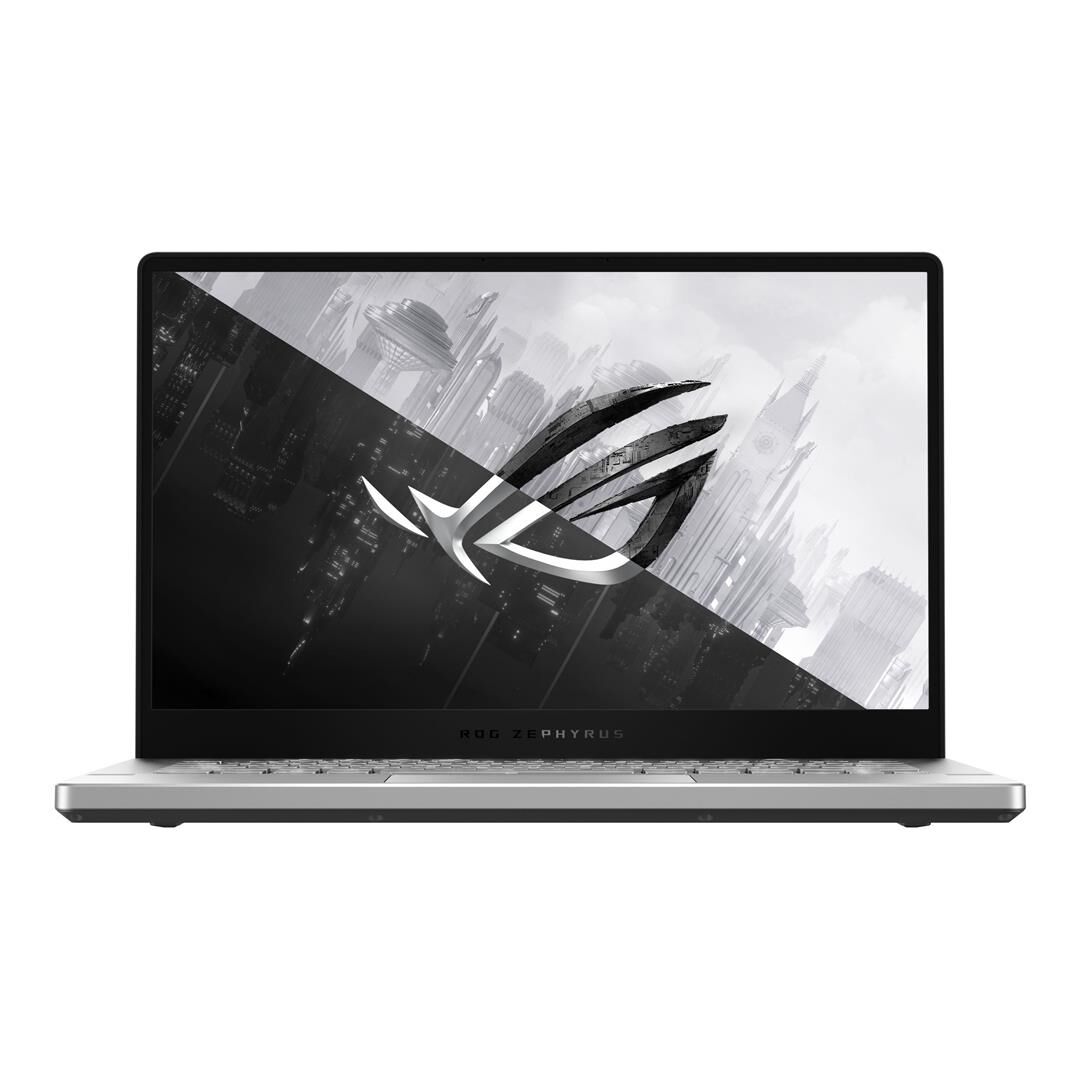
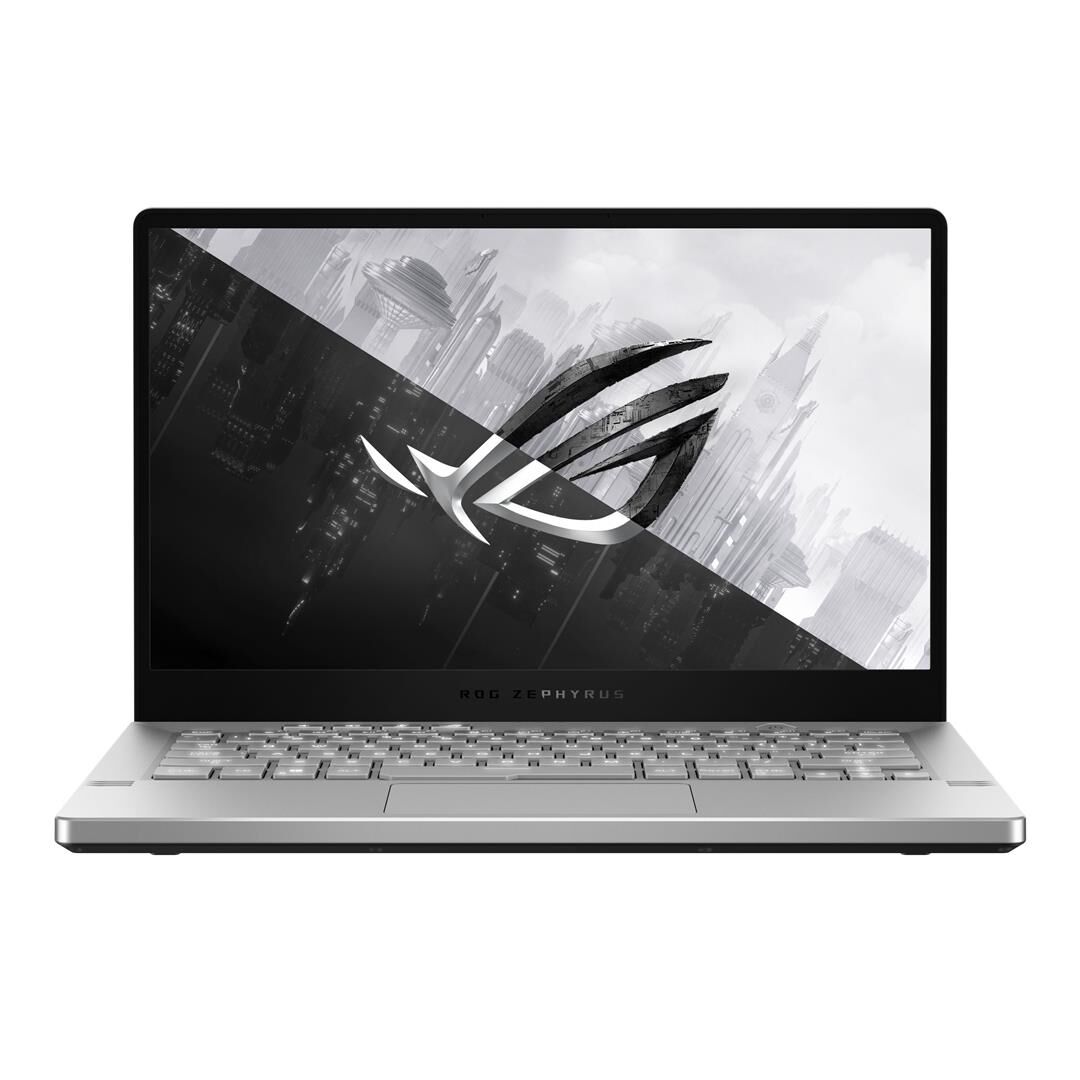
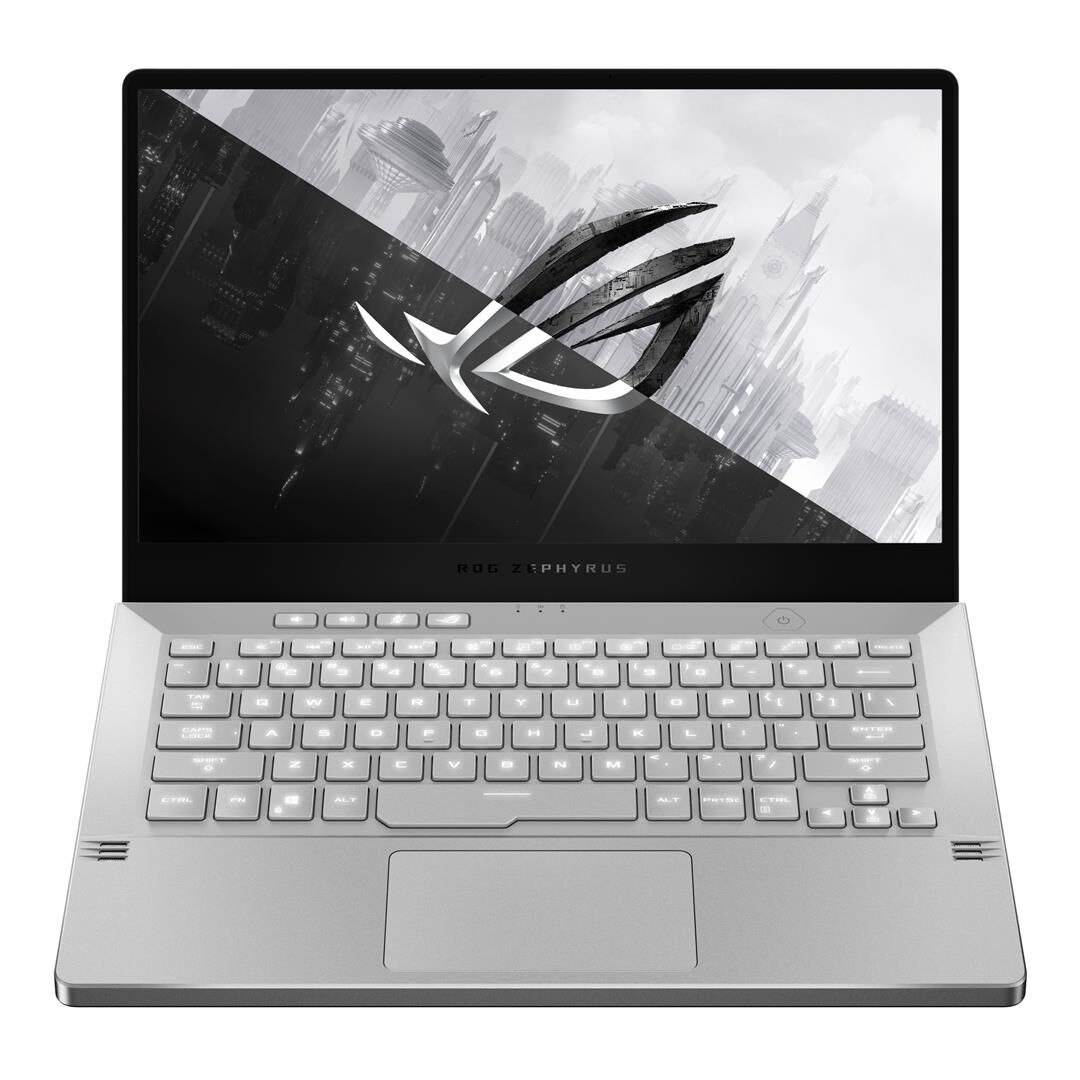
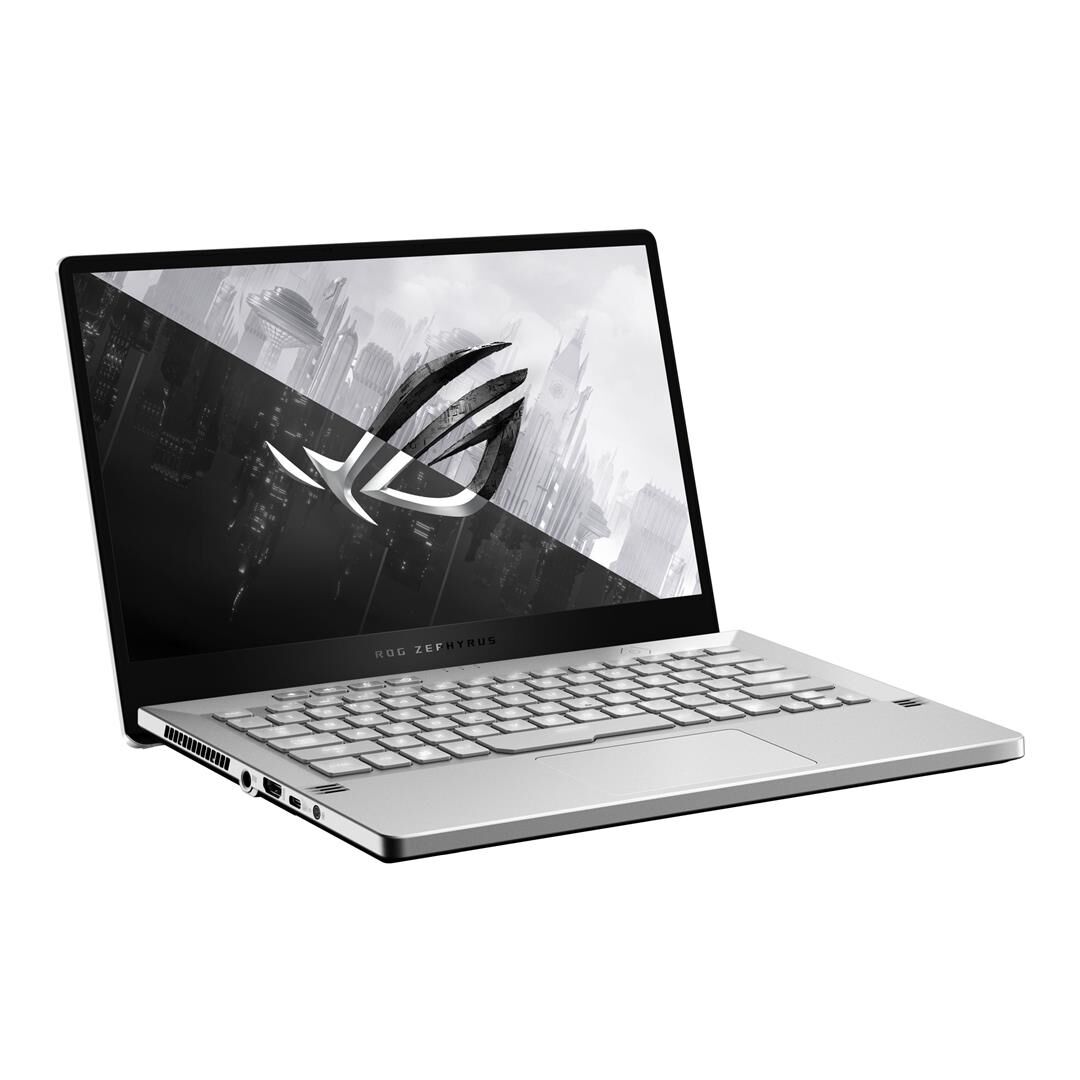
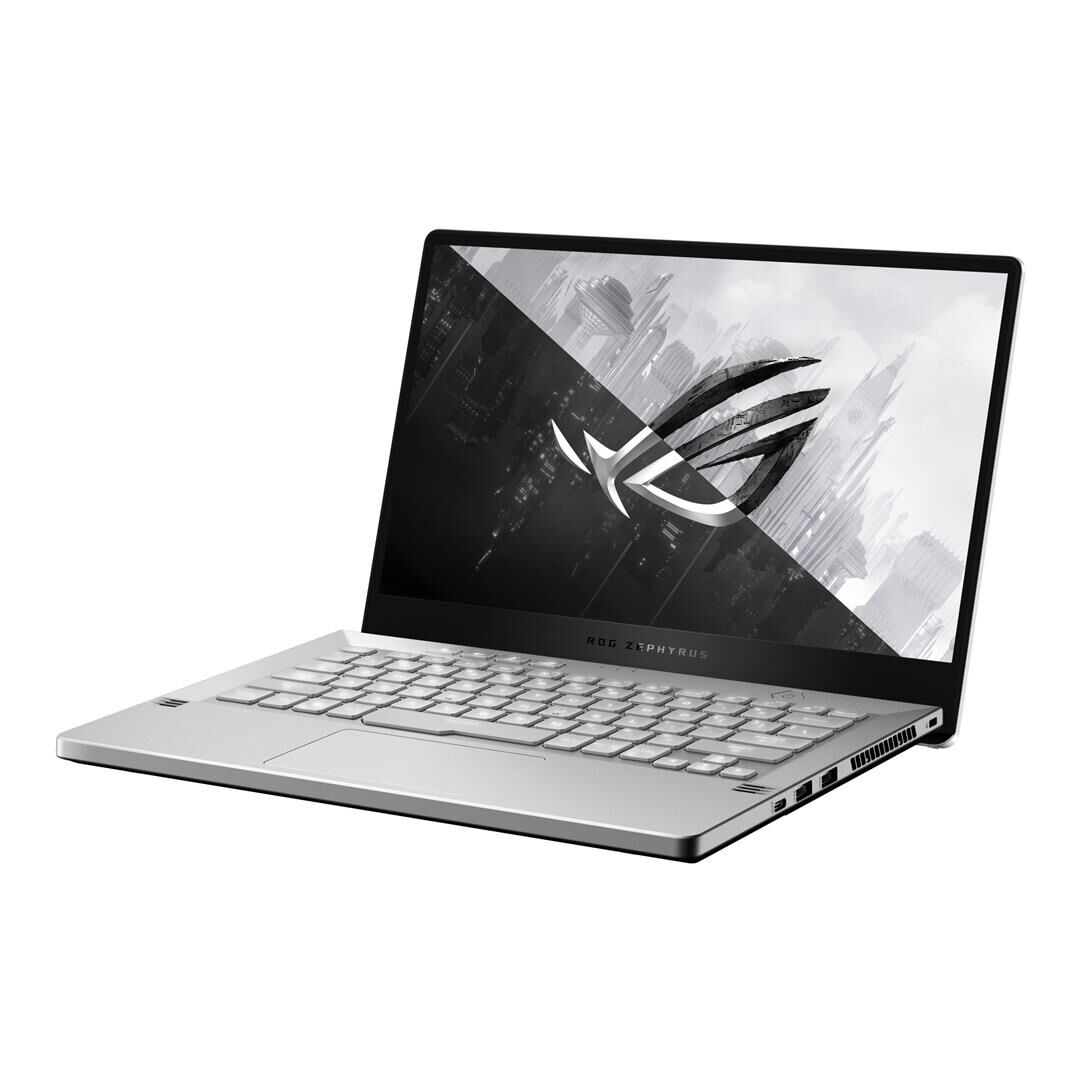
ASUS ROG Zephyrus G14 GA401IU-HA068 supports DDR4-SDRAM memory upgrades with a maximum RAM capacity of 24 GB. The laptop features one SO-DIMM memory slot for expansion, compatible with DDR4 modules operating at 3200 MHz. The upgrade specifications indicate a hybrid memory configuration utilizing on-board storage combined with the single SO-DIMM slot to achieve maximum capacity. The upgrade allows for enhanced multitasking and performance optimization for the gaming and content creation platform.
Memory Upgrade Specifications
| Specification | Value |
|---|---|
| Memory slots | 1x SO-DIMM |
| Form factor | On-board + SO-DIMM |
| Memory type | DDR4-SDRAM |
| Frequency | 3200 MHz |
| Maximum RAM | 24 GB |
| Voltage | 1.2V |
| Number of pins | 260-pin |
| Interface | PC4 |
| PC Speed Rating | PC4-3200 (PC4-25600) |
| Bandwidth | 25.6 GB/s |
| Laptop Release date | 01 March 2021 |
Additional Notes
- The ASUS ROG GA401IU-HA068 contains 16 GB of soldered RAM and 1 vacant SO-DIMM slot, allowing a maximum upgrade to 24 GB total capacity rather than 32 GB, which indicates 8 GB of onboard memory cannot be expanded or replaced.
- SO-DIMM DDR4-3200 modules must match the onboard frequency specification exactly; DDR4 variants rated above 3200 MHz will downclock to 3200 MHz due to controller limitations and provide no performance gain.
- Single-channel memory operation occurs until the SO-DIMM slot is populated; dual-channel bandwidth becomes available only after installing a compatible 8 GB DDR4-SO-DIMM module, increasing memory throughput by approximately 50 percent for applications sensitive to latency.
- Upgrading beyond the factory 16 GB configuration to the 24 GB ceiling requires sourcing a single 8 GB SO-DIMM; installation involves removing the bottom panel and positioning the module at a 45-degree angle into the locked slot.
- Warranty coverage remains intact for RAM upgrades on this model if the SO-DIMM originates from a manufacturer listed in the official compatibility documentation; installing third-party memory without verification may void hardware support claims despite being technically functional.
- Memory bandwidth becomes a secondary bottleneck if paired with high-end discrete GPU configurations, as DDR4-3200 in dual-channel mode delivers 51.2 GB/s versus the typical PCIe 3.0 x16 throughput of 16 GB/s, creating asymmetric system design constraints.