ASUS ROG GA401II-HE092T RAM upgrade specifications


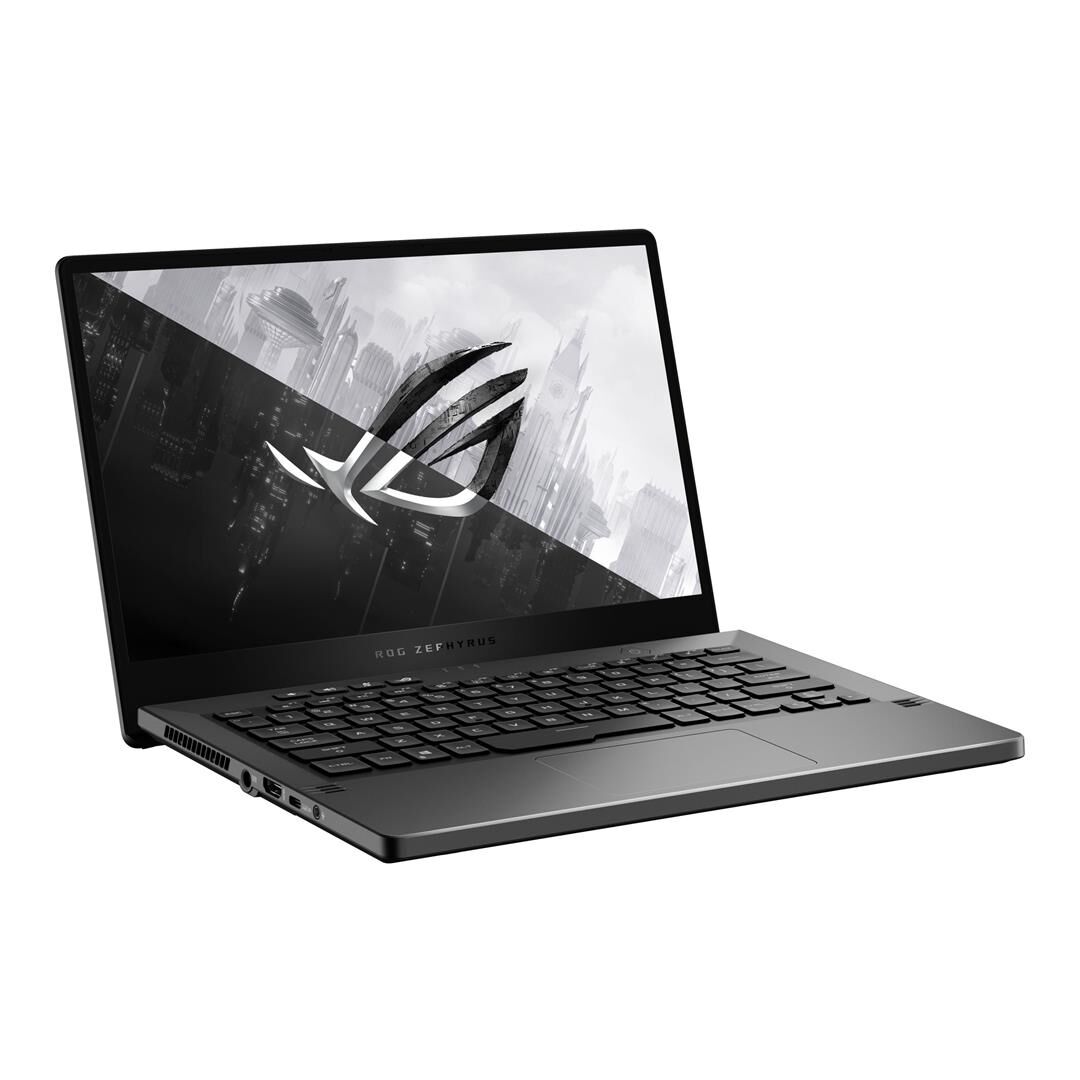
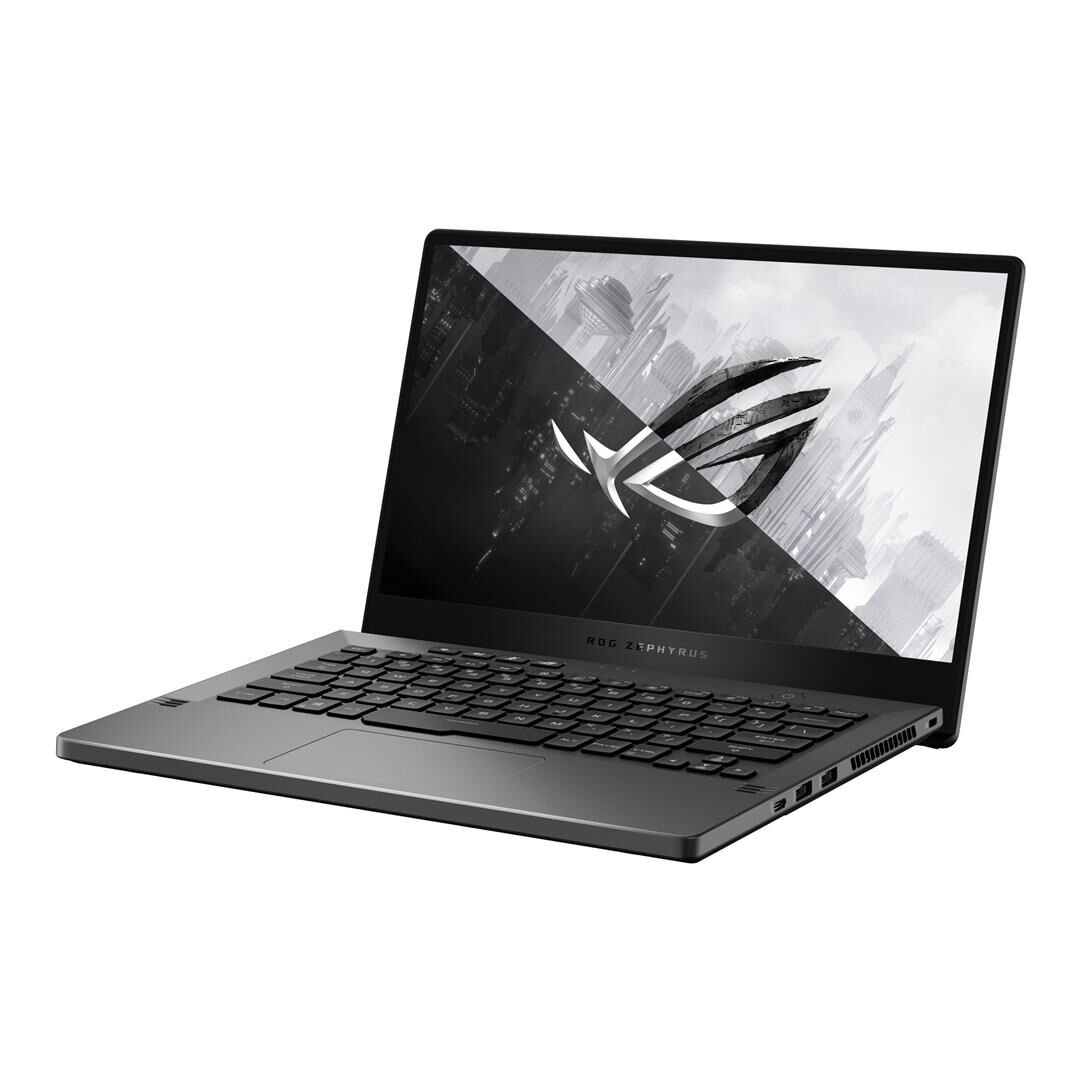
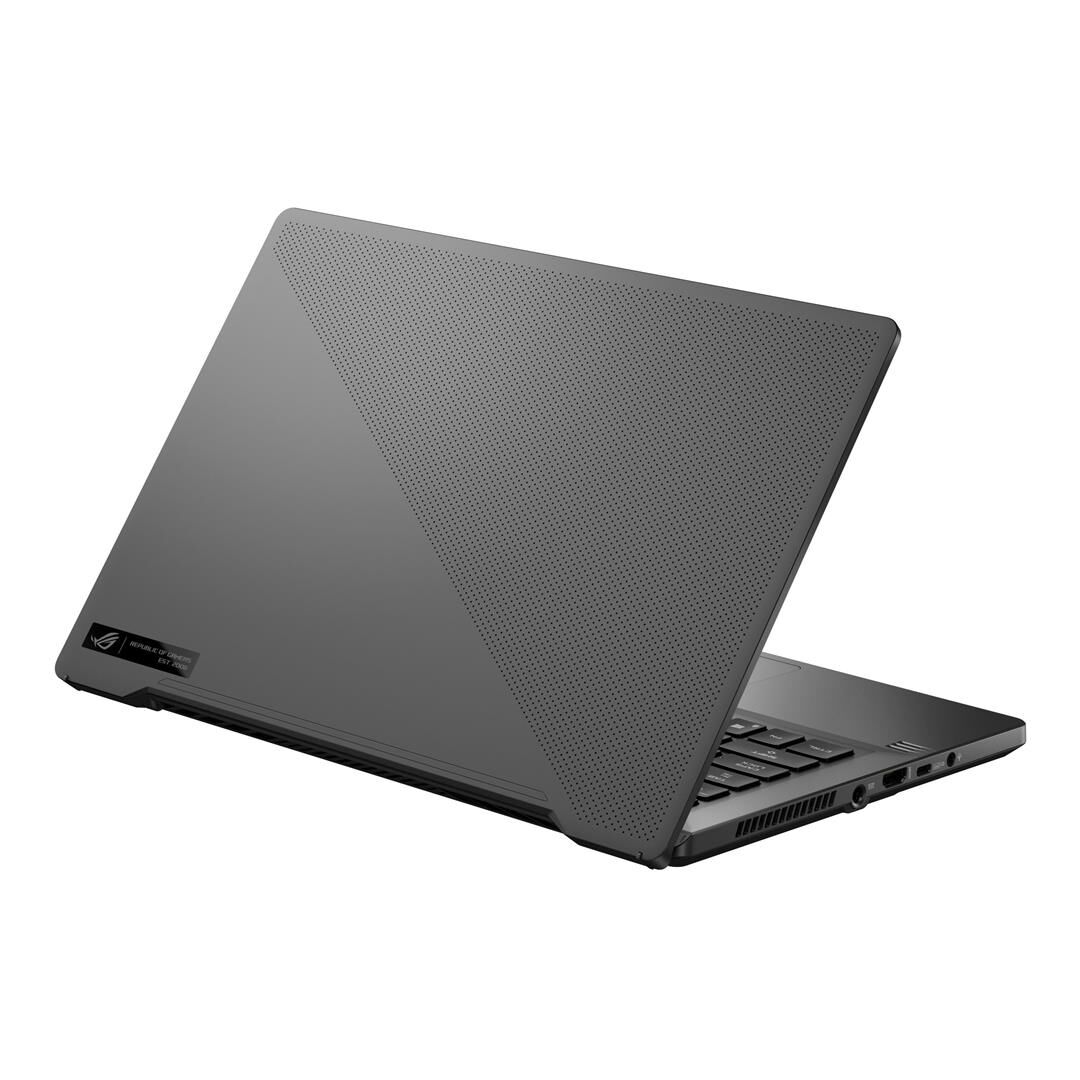
ASUS ROG Zephyrus G14 model GA401II-HE092T features DDR4-SDRAM memory upgrade specifications with one SO-DIMM slot available for expansion. The laptop contains on-board memory combined with one upgradeable SO-DIMM slot. Maximum RAM capacity reaches 24 GB total when fully populated. Compatible memory modules operate at 3200 MHz frequency. Upgrade specifications support DDR4-SDRAM technology with SO-DIMM form factor modules. The single memory slot allows users to expand RAM capacity beyond factory configuration. DDR4-3200 MHz modules are compatible with this Zephyrus G14 model for memory upgrade purposes.
Memory Upgrade Specifications
| Specification | Value |
|---|---|
| Memory slots | 1x SO-DIMM |
| Form factor | On-board + SO-DIMM |
| Memory type | DDR4-SDRAM |
| Frequency | 3200 MHz |
| Maximum RAM | 24 GB |
| Voltage | 1.2V |
| Number of pins | 260-pin |
| Interface | PC4 |
| PC Speed Rating | PC4-3200 (PC4-25600) |
| Bandwidth | 25.6 GB/s |
| Laptop Release date | 19 November 2020 |
Additional Notes
- The ASUS ROG GA401II-HE092T employs a hybrid memory architecture with one memory bank soldered directly to the motherboard and one accessible SO-DIMM slot, limiting upgrade flexibility compared to dual-slot configurations.
- The 24 GB maximum capacity indicates 8 GB of non-removable soldered RAM, allowing only a single 16 GB SO-DIMM module addition to reach the upper limit.
- The soldered memory operates in single-channel mode when used alone, creating a performance bottleneck in memory-intensive applications until a matching SO-DIMM module enables dual-channel operation.
- Achieving optimal dual-channel bandwidth requires installing an SO-DIMM module, as the onboard memory alone cannot utilize the full 51.2 GB/s theoretical bandwidth available at 3200 MHz.
- The 3200 MHz specification requires DDR4 modules with JEDEC standard or XMP profiles supporting this frequency, as lower-speed modules will cause the entire memory subsystem to downclock to the slower module's rated speed.
- SO-DIMM modules faster than 3200 MHz will automatically throttle down to match the system's maximum supported frequency, offering no performance advantage despite potentially higher cost.
- The single accessible slot means any future upgrade requires complete replacement of the installed SO-DIMM module rather than simple addition, potentially wasting the original module investment.
- Mismatched module capacities between the soldered 8 GB and an SO-DIMM create asymmetric dual-channel operation, where only the first 16 GB runs in dual-channel mode while remaining capacity reverts to slower single-channel access.
- Access to the SO-DIMM slot typically requires bottom panel removal, which may void warranty seals depending on regional warranty policies and service terms.
- The onboard memory configuration eliminates the possibility of complete memory replacement in case of failure, requiring motherboard-level repair or replacement instead of simple module swapping.