ASUS ROG GA401QC-BM205W RAM upgrade specifications



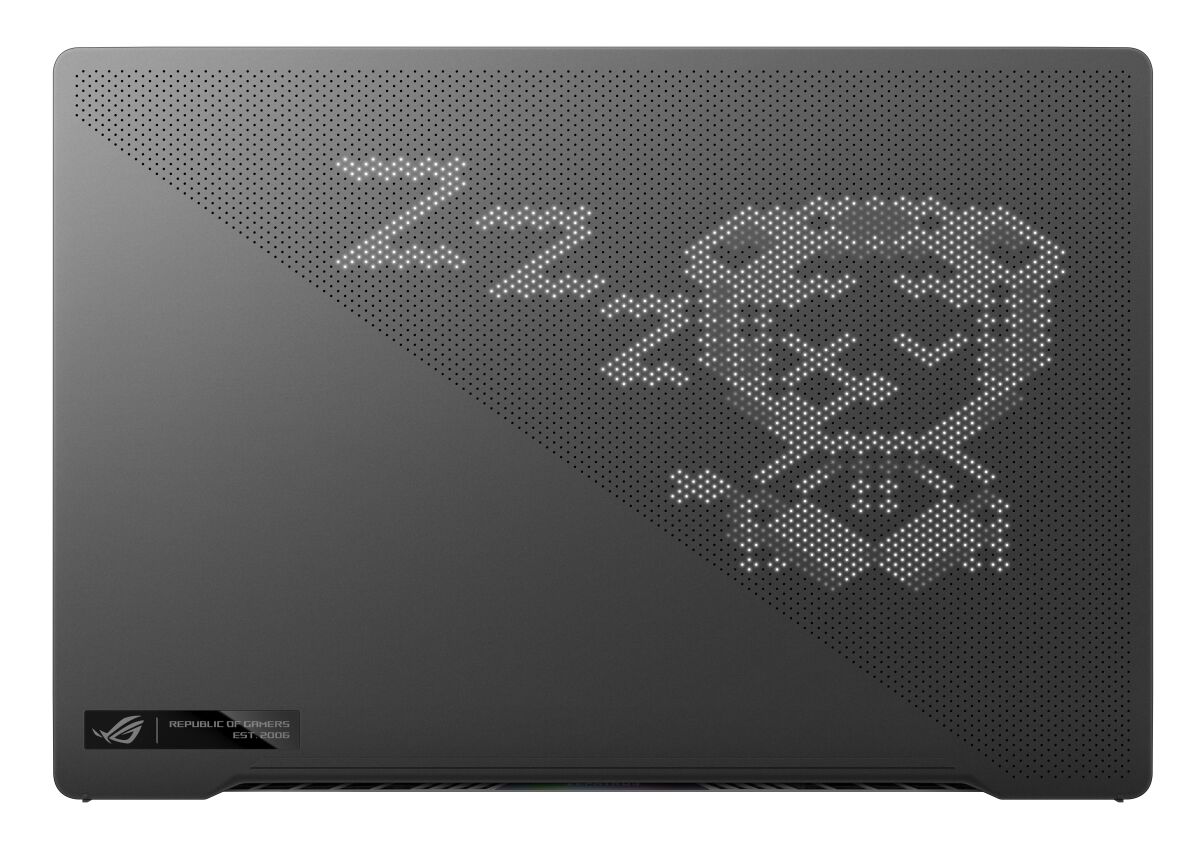
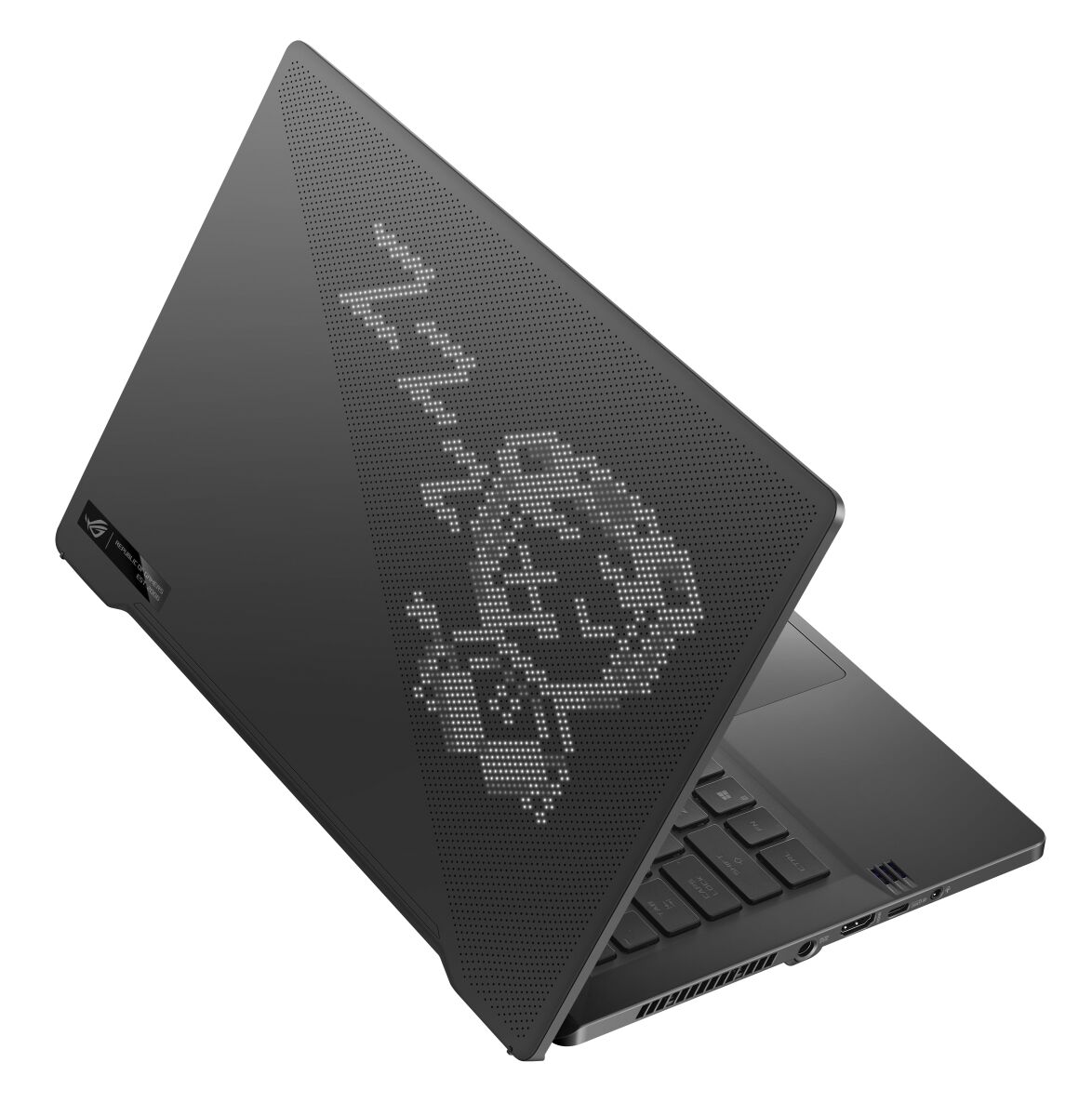
The ASUS ROG Zephyrus G14 GA401QC-BM205W features DDR4-SDRAM memory upgrade specifications compatible with a maximum capacity of 24 GB. The laptop contains 1x SO-DIMM slot for memory expansion, operating at 3200 MHz frequency. The memory configuration includes on-board soldered RAM plus one removable SO-DIMM slot, allowing users to upgrade the existing memory capacity. The specifications support DDR4-SDRAM modules designed for this particular gaming laptop model.
Memory Upgrade Specifications
| Specification | Value |
|---|---|
| Memory slots | 1x SO-DIMM |
| Form factor | On-board + SO-DIMM |
| Memory type | DDR4-SDRAM |
| Frequency | 3200 MHz |
| Maximum RAM | 24 GB |
| Voltage | 1.2V |
| Number of pins | 260-pin |
| Interface | PC4 |
| PC Speed Rating | PC4-3200 (PC4-25600) |
| Bandwidth | 25.6 GB/s |
| Laptop Release date | 19 February 2022 |
Additional Notes
- The presence of a single SO-DIMM slot alongside hardwired memory signifies that the ASUS GA401QC-BM205W utilizes an asymmetrical memory architecture during specific capacity configurations.
- Dual-channel bandwidth functionality remains restricted to the capacity matching the soldered module, resulting in flex mode operation where memory beyond that limit reverts to single-channel speeds.
- Installing a module with higher clock speeds will not yield performance gains as the system firmware downclocks the memory to maintain synchronization with the fixed frequency of the on-board chips.
- Upgrading requires the removal of the existing removable module, as no vacant expansion ports exist for adding complementary memory without replacement.
- The maximum capacity limit suggests that the internal controller is validated for a single 16 GB density module in the expansion slot combined with the integrated 8 GB base memory.
- The soldered component creates a permanent hardware floor that prevents a complete transition to high-performance low-latency aftermarket kits for the entire memory pool.
- System stability is contingent upon matching the voltage and CAS latency of the non-removable memory to avoid boot failures or periodic memory management blue screen errors.