ASUS ROG GA401QC-BM203 RAM upgrade specifications



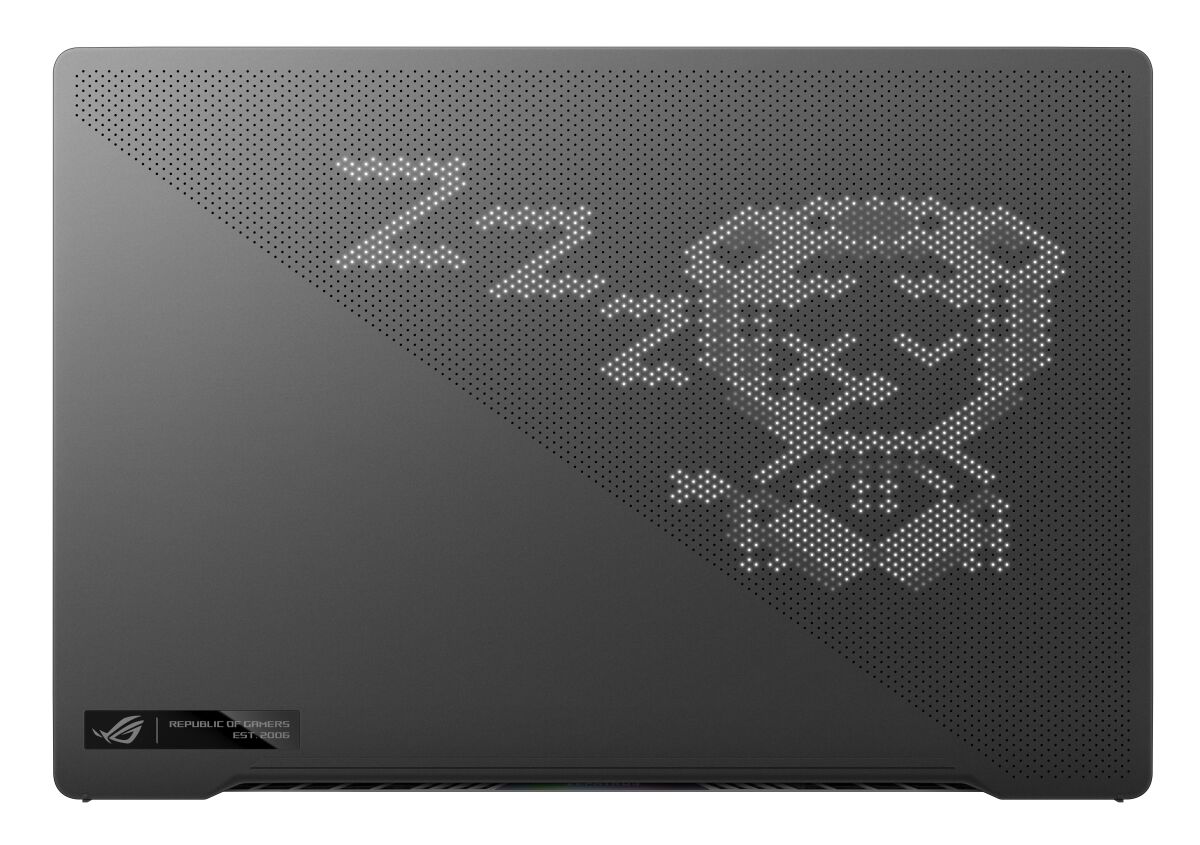
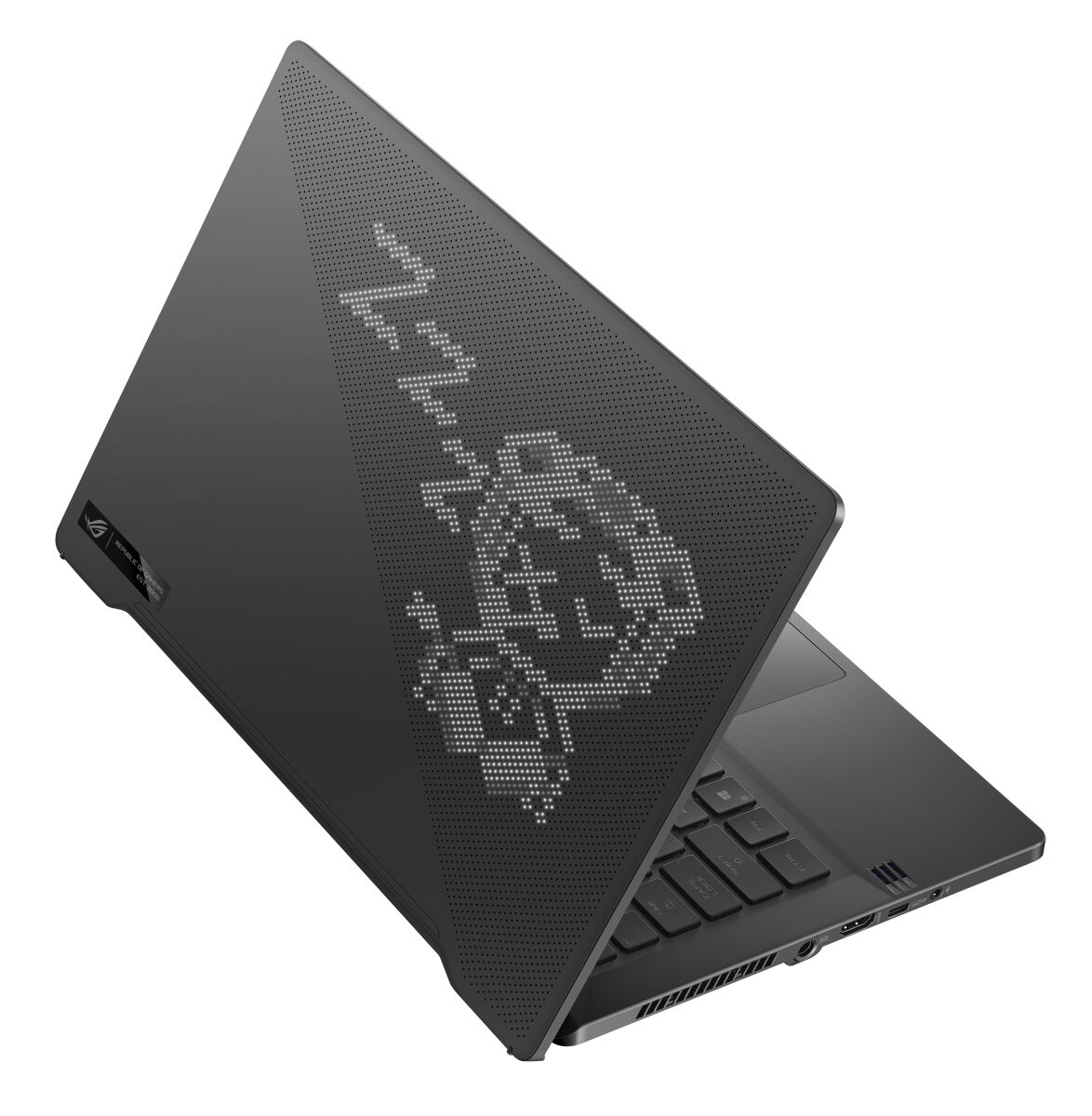
ASUS ROG Zephyrus G14 model GA401QC-BM203 supports DDR4-SDRAM memory upgrades. The laptop features one accessible SO-DIMM slot for RAM expansion, with maximum compatible capacity of 24 GB. Memory specifications include DDR4 operating frequency of 3200 MHz. The system utilizes a hybrid memory configuration combining on-board and SO-DIMM modules. Upgrade slots accommodate standard SO-DIMM form factor modules for increased performance and multitasking capacity.
Memory Upgrade Specifications
| Specification | Value |
|---|---|
| Memory slots | 1x SO-DIMM |
| Form factor | On-board + SO-DIMM |
| Memory type | DDR4-SDRAM |
| Frequency | 3200 MHz |
| Maximum RAM | 24 GB |
| Voltage | 1.2V |
| Number of pins | 260-pin |
| Interface | PC4 |
| PC Speed Rating | PC4-3200 (PC4-25600) |
| Bandwidth | 25.6 GB/s |
| Laptop Release date | 19 February 2022 |
Additional Notes
- The ASUS ROG GA401QC-BM203 contains soldered memory on the motherboard, restricting expansion to a single SO-DIMM slot. Total capacity ceiling of 24 GB indicates 16 GB soldered plus 8 GB maximum SO-DIMM capacity.
- DDR4-3200 MHz specification requires replacement modules to match this frequency exactly. Installing DDR4 modules rated for higher speeds (3600, 4000 MHz) will downclock to 3200 MHz, eliminating any performance premium from faster stock.
- Single-slot architecture creates a memory configuration constraint: the system cannot achieve dual-channel mode benefits typical of 2-slot designs. All memory access routes through one physical pathway, reducing bandwidth efficiency compared to multi-slot configurations.
- SO-DIMM form factor limits module selection to laptop-specific standards. Desktop DDR4-DIMM modules are incompatible and will not physically insert into the available slot.
- The 24 GB ceiling prevents symmetrical memory configurations. Dual-channel pairing between soldered and upgradeable memory cannot occur, as the upgradeable slot holds maximum 8 GB while the on-board portion contains 16 GB.
- Warranty considerations: replacement of the SO-DIMM module under manufacturer coverage typically remains protected provided the soldered memory remains undisturbed. Soldered memory defects cannot be field-repaired without factory-level rework.
- Performance bottleneck potential exists when workloads exceed L3 cache capacity. The single-slot memory pathway may introduce higher latency during simultaneous memory requests compared to dual-channel systems operating at identical frequencies.