ASUS ROG GA401QC-K2123T RAM upgrade specifications



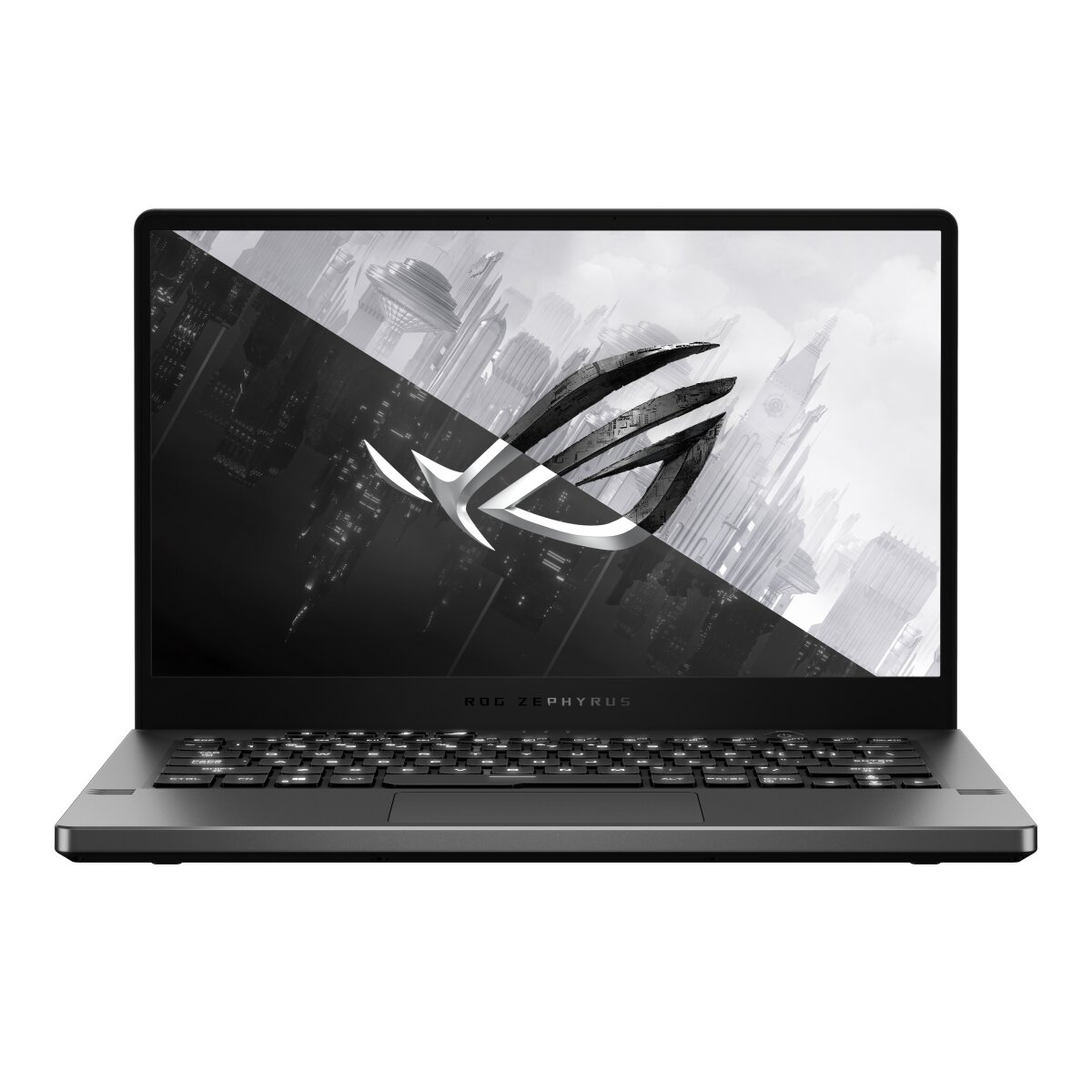

ASUS ROG Zephyrus G14 GA401QC-K2123T memory upgrade specifications include DDR4-SDRAM compatibility with maximum RAM capacity of 24 GB. The laptop features one SO-DIMM slot for memory expansion, compatible with DDR4 modules operating at 3200 MHz frequency. The upgrade slots accommodate additional RAM modules to enhance system performance. Specifications indicate on-board memory plus one expandable SO-DIMM slot configuration for upgraded memory capacity.
Memory Upgrade Specifications
| Specification | Value |
|---|---|
| Memory slots | 1x SO-DIMM |
| Form factor | On-board + SO-DIMM |
| Memory type | DDR4-SDRAM |
| Frequency | 3200 MHz |
| Maximum RAM | 24 GB |
| Voltage | 1.2V |
| Number of pins | 260-pin |
| Interface | PC4 |
| PC Speed Rating | PC4-3200 (PC4-25600) |
| Bandwidth | 25.6 GB/s |
| Laptop Release date | 17 September 2021 |
Additional Notes
- The presence of on board memory indicates that a portion of the system RAM is permanently soldered to the motherboard and cannot be replaced or upgraded.
- Upgrading the single available SO DIMM slot requires matching the 3200 MHz frequency to maintain optimal synchronous timing and avoid downclocking across all memory channels.
- The 24 GB maximum capacity limit implies an asymmetrical memory configuration consisting of 8 GB integrated on the motherboard and a 16 GB module in the expansion slot.
- Dual channel performance benefits remain restricted to the capacity where the integrated memory and the expansion module intersect resulting in partial single channel operation for any remaining data overhead.
- Physical maintenance for the ASUS ROG GA401QC-K2123T involves removing the bottom chassis panel to access the expansion point which does not inherently void the manufacturer warranty provided no internal components suffer physical damage.
- Latency parity between the soldered chips and the user installed module is critical to prevent system stability issues or boot failures during high bandwidth tasks.
- The fixed nature of the primary memory bank means that a failure in the on board chips necessitates a full motherboard replacement rather than a simple modular swap.