ASUS ROG GA401QC-K2123T-BE RAM upgrade specifications
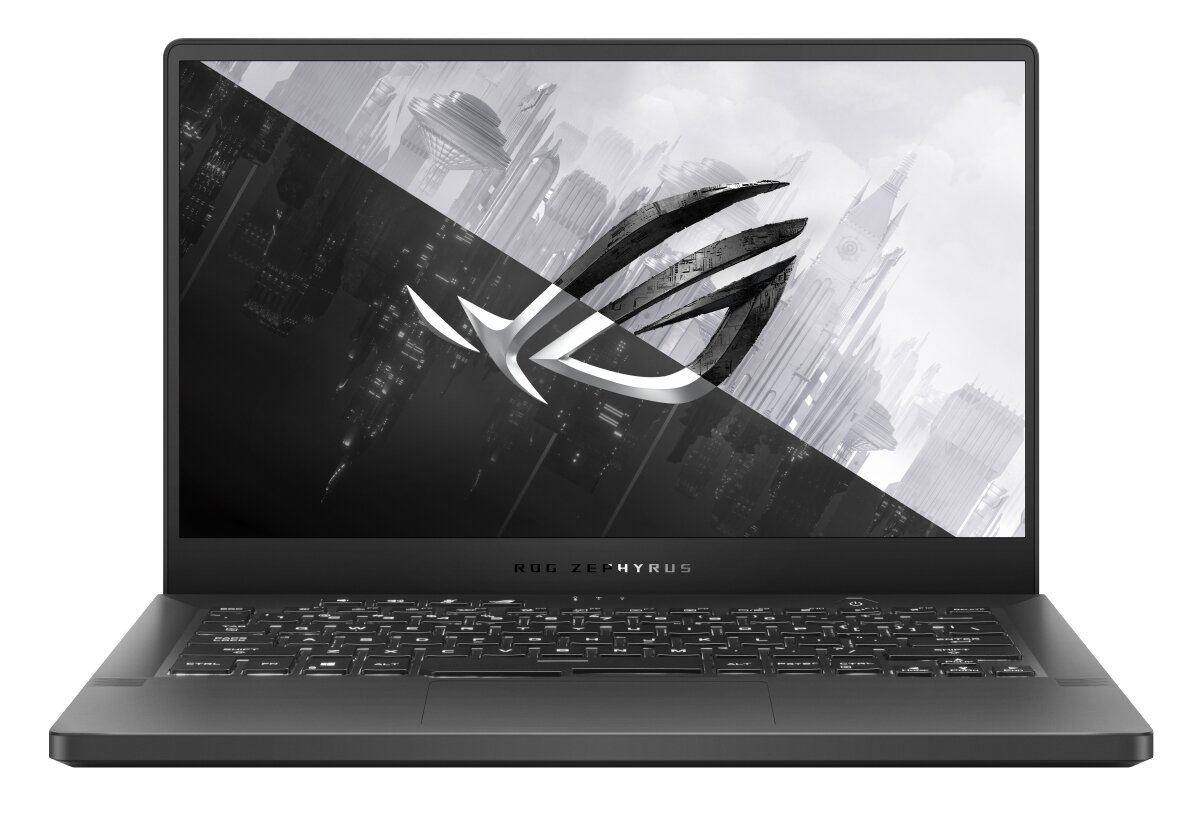

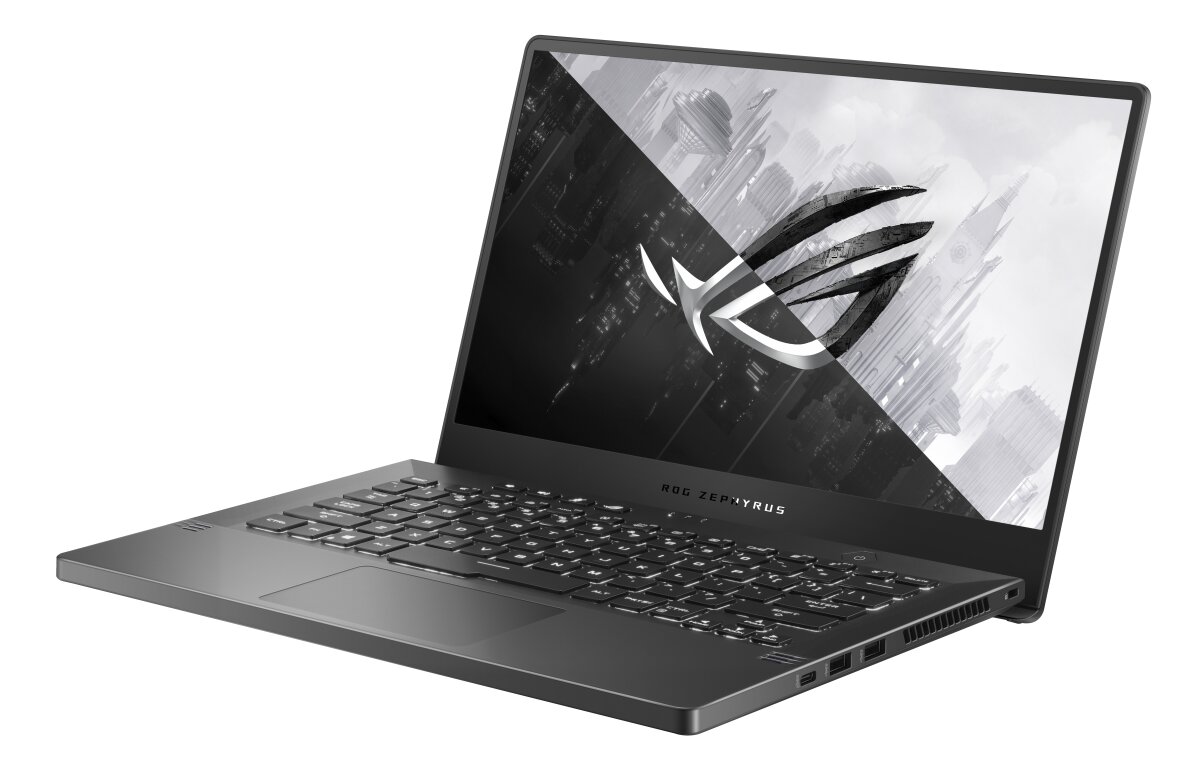

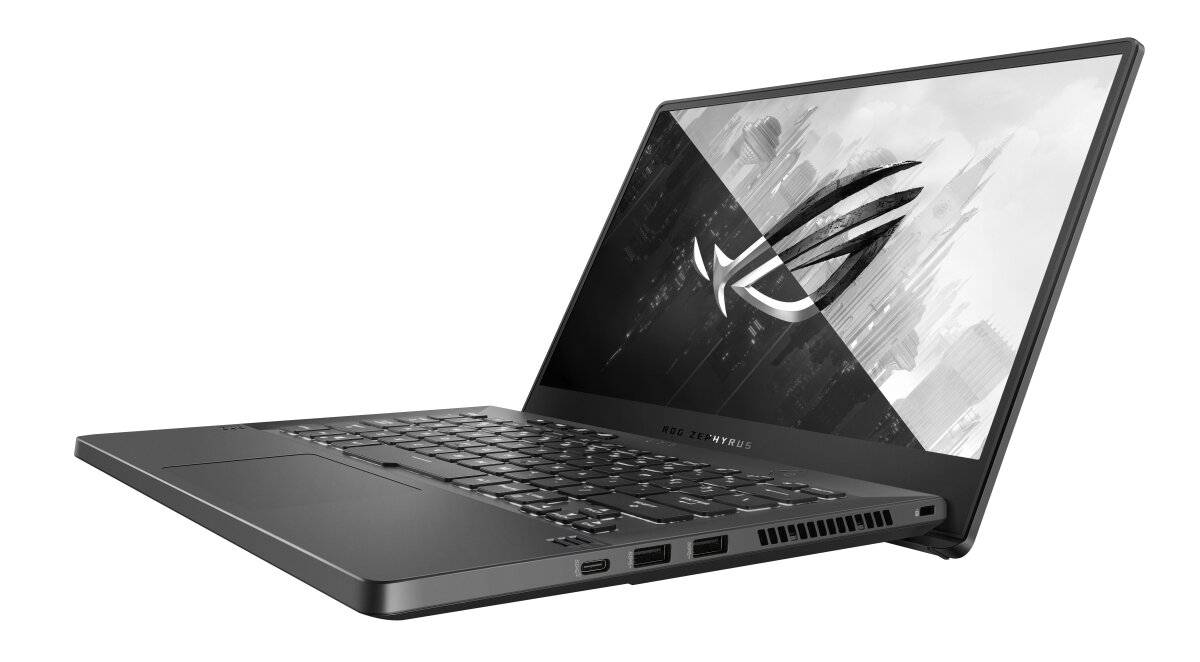
The ASUS ROG Zephyrus G14 GA401QC-K2123T-BE features DDR4-SDRAM memory architecture with a single SO-DIMM slot available for upgrade. The laptop contains integrated on-board memory combined with one expandable slot, supporting a maximum RAM capacity of 24 GB. Compatible memory modules operate at 3200 MHz frequency. The upgrade specifications enable users to enhance system performance by replacing or expanding the SO-DIMM slot memory to reach the maximum supported capacity, providing enhanced multitasking capabilities for gaming and content creation workloads.
Memory Upgrade Specifications
| Specification | Value |
|---|---|
| Memory slots | 1x SO-DIMM |
| Form factor | On-board + SO-DIMM |
| Memory type | DDR4-SDRAM |
| Frequency | 3200 MHz |
| Maximum RAM | 24 GB |
| Voltage | 1.2V |
| Number of pins | 260-pin |
| Interface | PC4 |
| PC Speed Rating | PC4-3200 (PC4-25600) |
| Bandwidth | 25.6 GB/s |
| Laptop Release date | 13 July 2021 |
Additional Notes
- The presence of on board memory indicates that a portion of the system RAM is permanently soldered to the motherboard and cannot be replaced or upgraded.
- The single available SO DIMM slot creates an asymmetrical memory configuration where only the first 16 GB of total capacity will operate in dual channel mode while the remaining 8 GB functions in single channel mode.
- Upgrading the **ASUS ROG GA401QC-K2123T-BE** to its maximum capacity requires a 16 GB module to complement the existing 8 GB soldered memory.
- Using a module with a frequency higher than 3200 MHz will result in the hardware automatically downclocking to match the fixed speed of the soldered chips.
- The hardware architecture creates a hard ceiling for future expansion since the single expansion slot limits the potential for high density memory density increases beyond the 24 GB threshold.
- Latency performance is dictated by the slowest memory component between the soldered module and the inserted SO DIMM which may impact tight timing synchronization during heavy workloads.
- Physical access to the proprietary memory slot requires the removal of the bottom chassis panel which may involve bypassing tamper evident seals depending on regional service policies.