ASUS ROG GA401QE-K2186T RAM upgrade specifications
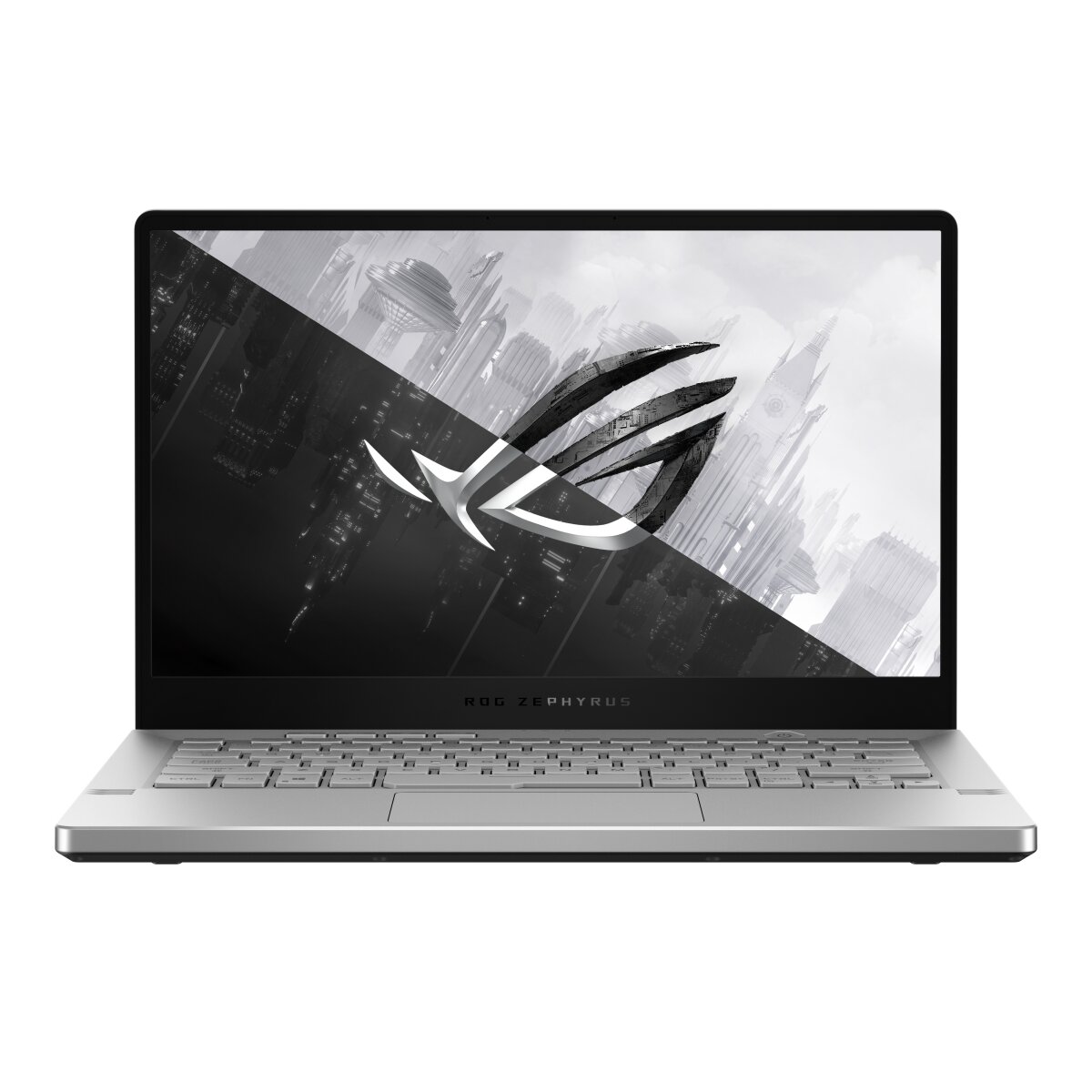
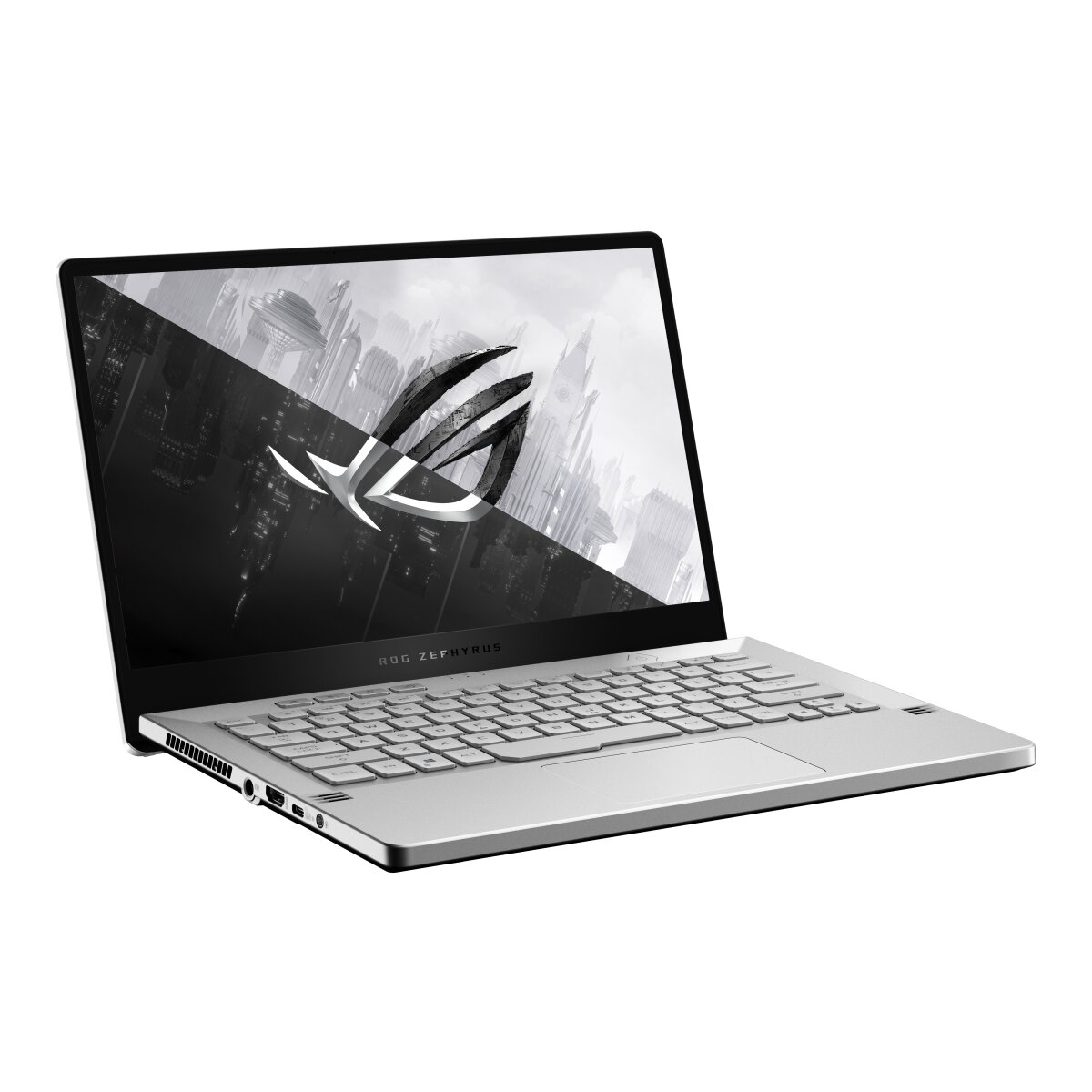
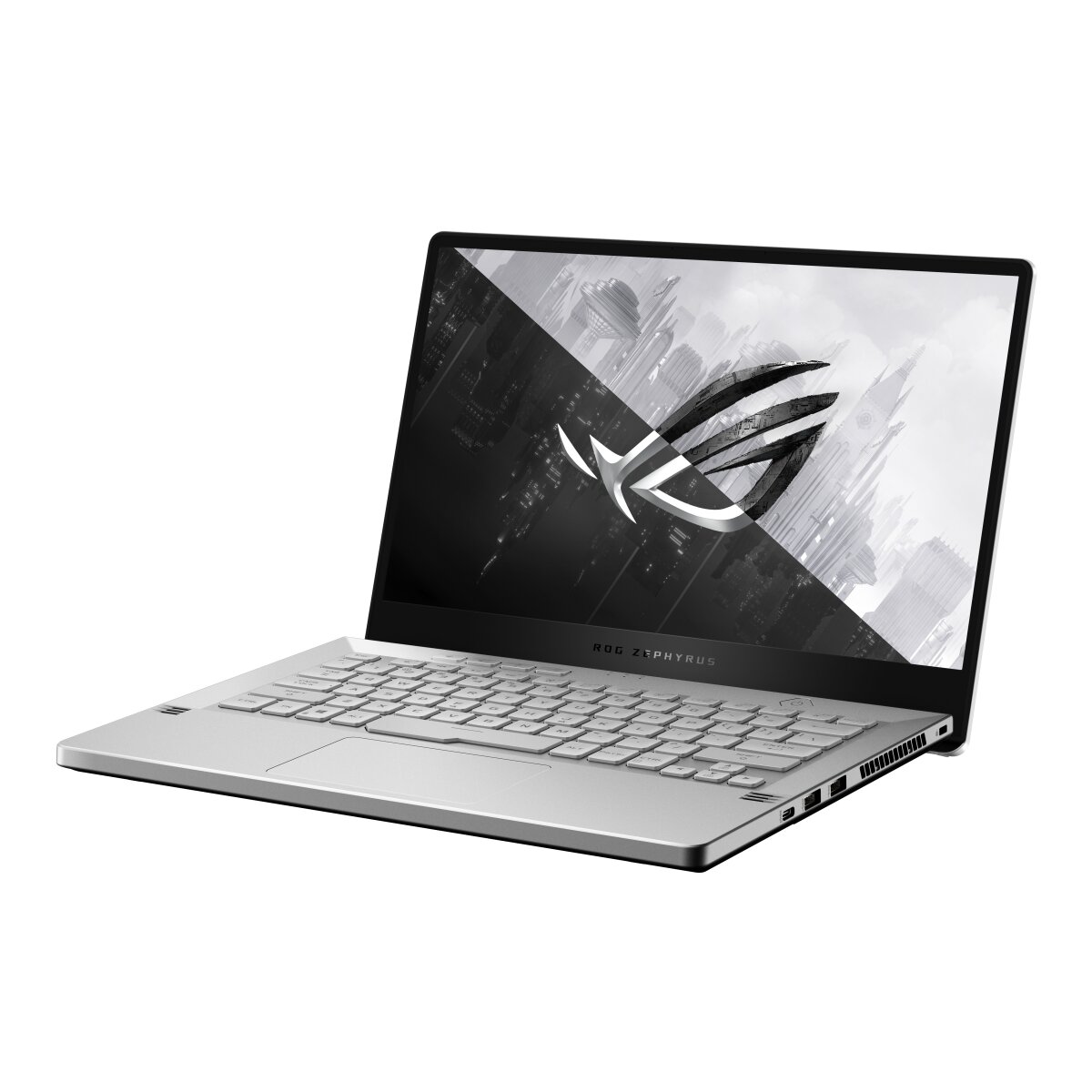
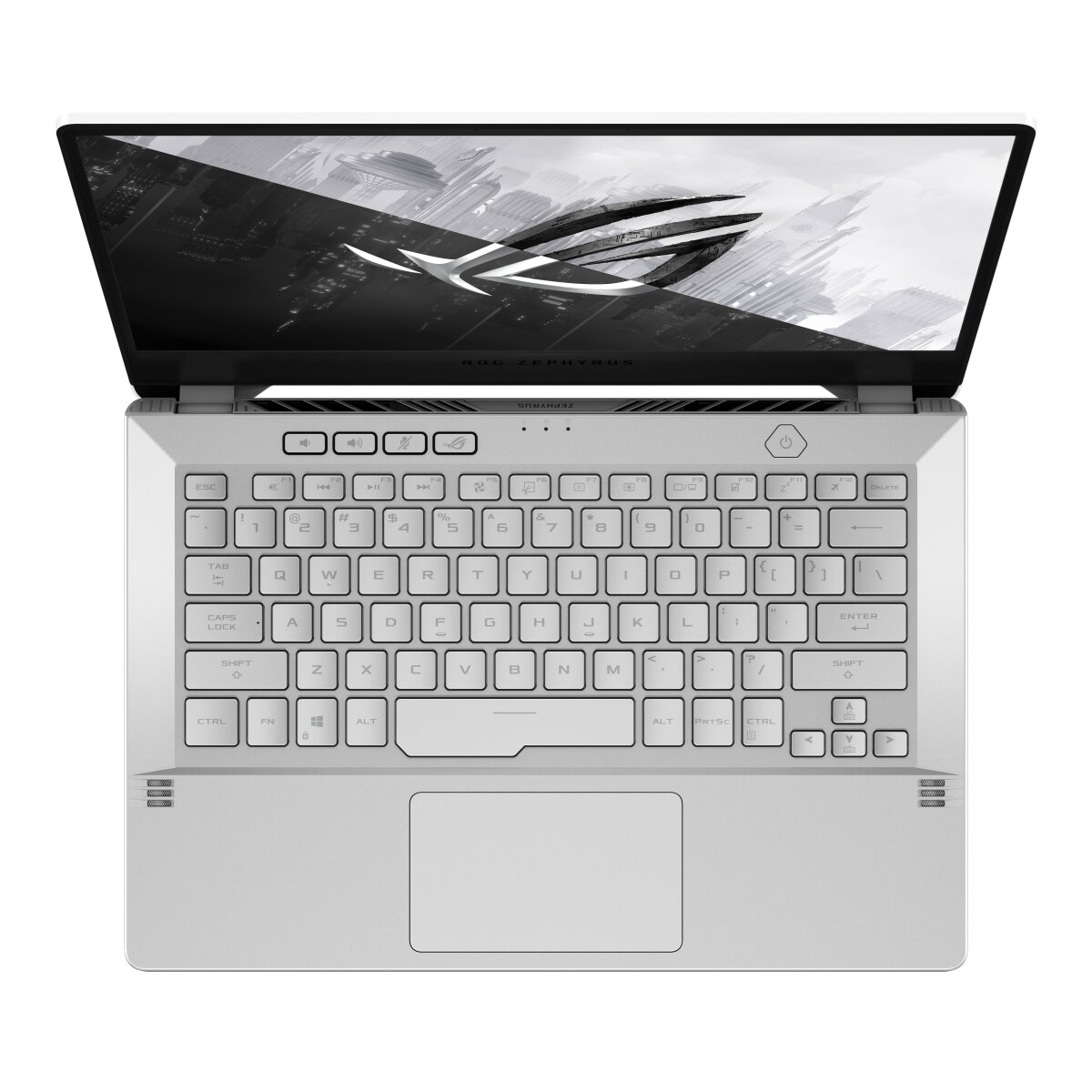
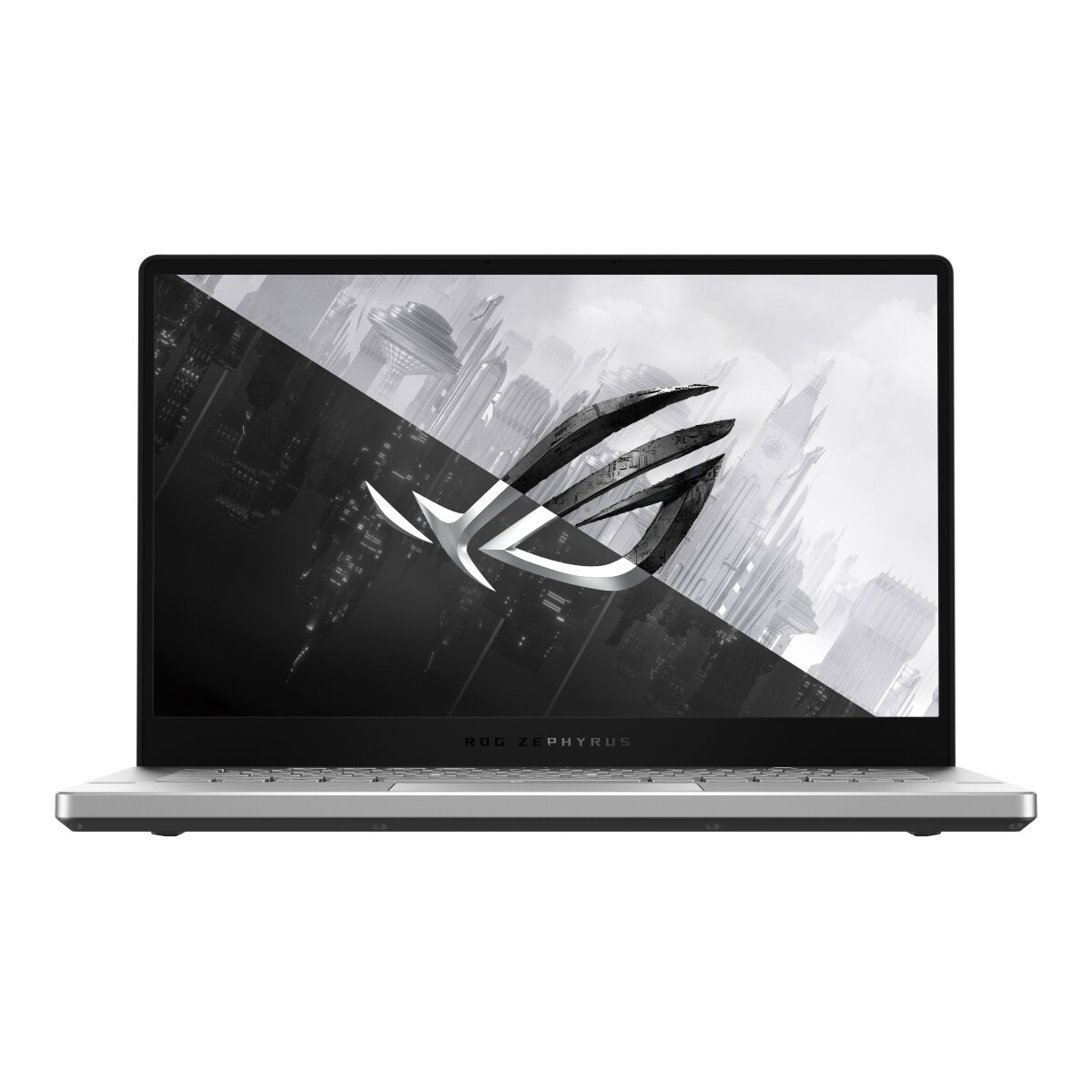
ASUS ROG Zephyrus G14 model GA401QE-K2186T supports DDR4-SDRAM memory upgrade specifications. The laptop features one SO-DIMM memory slot for expansion, with maximum compatible RAM capacity of 24 GB total. Memory operates at 3200 MHz frequency. The upgrade configuration consists of on-board memory combined with the single SO-DIMM slot, allowing users to expand storage capacity by installing compatible DDR4 modules in the available slot.
Memory Upgrade Specifications
| Specification | Value |
|---|---|
| Memory slots | 1x SO-DIMM |
| Form factor | On-board + SO-DIMM |
| Memory type | DDR4-SDRAM |
| Frequency | 3200 MHz |
| Maximum RAM | 24 GB |
| Voltage | 1.2V |
| Number of pins | 260-pin |
| Interface | PC4 |
| PC Speed Rating | PC4-3200 (PC4-25600) |
| Bandwidth | 25.6 GB/s |
| Laptop Release date | 22 October 2021 |
Additional Notes
- The presence of 8 GB of non-removable soldered memory dictates that the single available SO-DIMM slot accepts a maximum particle density of 16 GB to reach the total addressed limit.
- Dual-channel memory architecture only functions symmetrically for the first 16 GB of total system RAM, while the remaining 8 GB operates in single-channel mode through asynchronous flex mode technology.
- The ASUS ROG GA401QE-K2186T requires modules with an internal voltage of 1.2V to maintain stability and prevent thermal throttling within the compact chassis.
- Installing a module with higher rated speeds will result in downclocking to 3200 MHz because the integrated memory controller is hardware-locked to the speed of the on-board chips.
- Accessing the expansion slot necessitates the removal of the bottom panel, which carries a risk of static discharge to the permanent on-board memory array if not properly grounded.
- Mixing modules with different CAS latencies will force the system to default to the slowest common timing profile, potentially increasing overall memory latency.
- The physical height of the SO-DIMM slot is restricted by the slim laptop profile, requiring standard-height modules rather than those with thick integrated heat spreaders.