ASUS ROG GA401QEC-K2064T RAM upgrade specifications


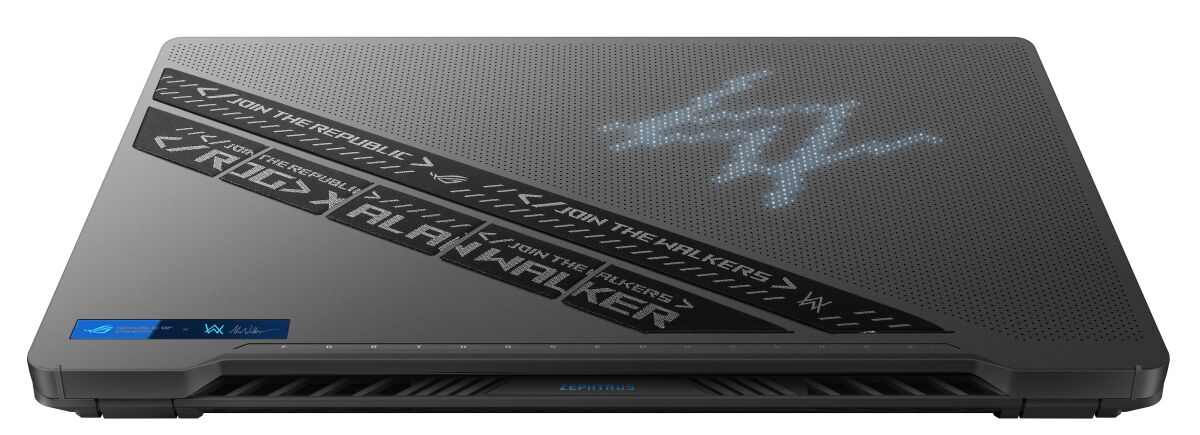


The ASUS ROG Zephyrus G14 GA401QEC-K2064T features DDR4-SDRAM memory specifications with one SO-DIMM upgrade slot compatible with 3200 MHz modules. The laptop contains on-board memory integrated with one additional SO-DIMM slot for expansion. Maximum supported RAM capacity reaches 24 GB upon upgrading the removable module. Specifications indicate memory compatibility with DDR4 technology, allowing users to expand storage capacity beyond factory configuration through the available SO-DIMM slot.
Memory Upgrade Specifications
| Specification | Value |
|---|---|
| Memory slots | 1x SO-DIMM |
| Form factor | On-board + SO-DIMM |
| Memory type | DDR4-SDRAM |
| Frequency | 3200 MHz |
| Maximum RAM | 24 GB |
| Voltage | 1.2V |
| Number of pins | 260-pin |
| Interface | PC4 |
| PC Speed Rating | PC4-3200 (PC4-25600) |
| Bandwidth | 25.6 GB/s |
| Laptop Release date | 19 August 2021 |
Additional Notes
- The ASUS ROG GA401QEC-K2064T utilizes a hybrid memory architecture combining soldered RAM with a single expansion slot, restricting future upgrades to a one-time capacity increase.
- The 24 GB maximum capacity indicates 8 GB permanently soldered to the motherboard, allowing only a single 16 GB SO-DIMM module addition to reach the system limit.
- Dual-channel memory operation requires the installed SO-DIMM module to match the soldered memory specifications, as mismatched speeds or timings will force both modules to operate at the lower specification.
- The DDR4-3200 speed specification represents the maximum supported frequency, though actual performance depends on the AMD Ryzen processor's memory controller capabilities and BIOS configuration.
- Installing a module slower than 3200 MHz will downclock the entire memory subsystem, including the soldered portion, reducing bandwidth for integrated graphics and CPU operations.
- The single SO-DIMM slot eliminates future capacity expansion once populated with a 16 GB module, as the soldered memory cannot be replaced or upgraded without motherboard-level intervention.
- Memory replacement requires a module with identical voltage specifications to the soldered RAM, typically 1.2V for standard DDR4, to prevent POST failures or system instability.
- The on-board memory component is not covered under standard upgrade procedures, meaning any capacity increase beyond factory configuration relies entirely on the accessible SO-DIMM slot.
- CAS latency differences between the soldered module and the aftermarket SO-DIMM may introduce asymmetric dual-channel operation, potentially affecting memory-intensive workloads despite matched frequencies.
- The SO-DIMM form factor requires notebook-specific modules measuring 67.6 mm in length, incompatible with standard 133.35 mm desktop DIMM modules.
- Thermal constraints in the chassis may limit sustained memory performance during prolonged high-bandwidth operations, as compact laptop designs restrict airflow around memory components.
- Warranty preservation requires using JEDEC-standard DDR4-3200 modules rather than overclocked XMP profiles, which may void coverage despite physical compatibility.