ASUS ROG GA401QM-K2039T RAM upgrade specifications


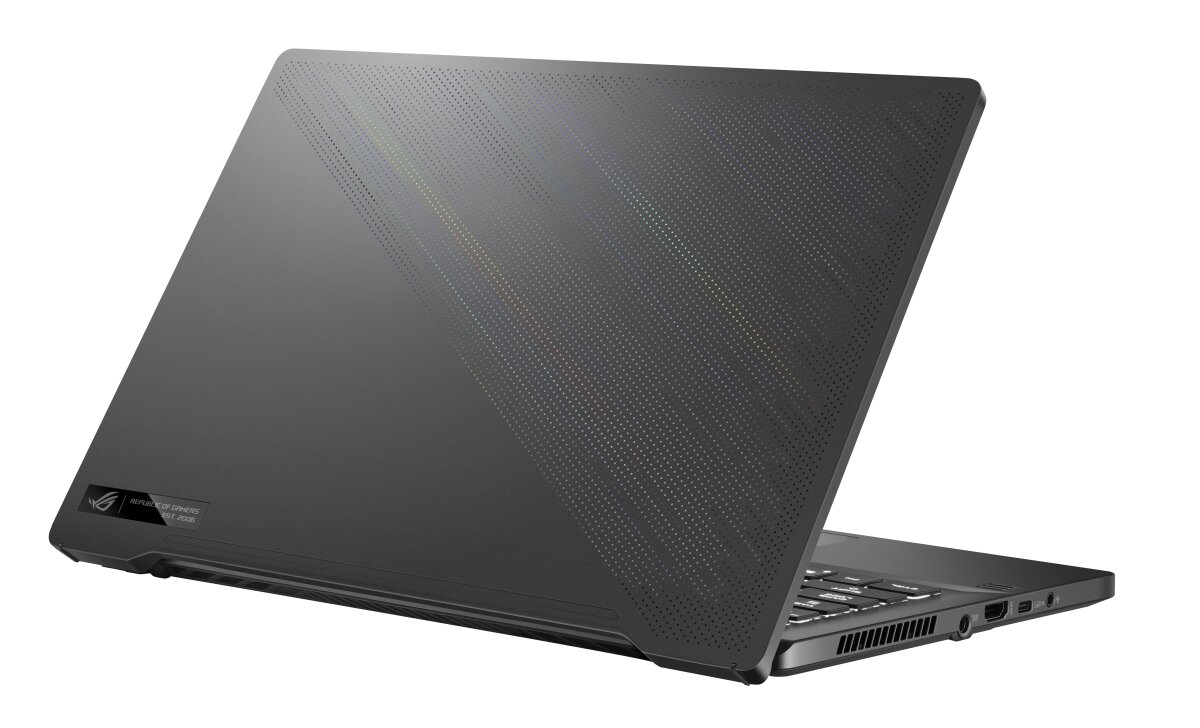


ASUS ROG Zephyrus G14 model GA401QM-K2039T supports DDR4-SDRAM memory upgrade with one SO-DIMM slot available. Maximum RAM capacity reaches 24 GB through upgrade configuration. Compatible memory operates at 3200 MHz frequency. Laptop features mixed memory architecture with on-board soldered components and one upgradeable SO-DIMM slot for expanding system memory specifications.
Memory Upgrade Specifications
| Specification | Value |
|---|---|
| Memory slots | 1x SO-DIMM |
| Form factor | On-board + SO-DIMM |
| Memory type | DDR4-SDRAM |
| Frequency | 3200 MHz |
| Maximum RAM | 24 GB |
| Voltage | 1.2V |
| Number of pins | 260-pin |
| Interface | PC4 |
| PC Speed Rating | PC4-3200 (PC4-25600) |
| Bandwidth | 25.6 GB/s |
| Laptop Release date | 14 July 2021 |
Additional Notes
- The ASUS ROG GA401QM-K2039T features a hybrid memory configuration with one permanently soldered module paired with a single SO-DIMM expansion slot, preventing complete memory replacement.
- The 24 GB maximum capacity indicates 8 GB of soldered memory on the motherboard, leaving 16 GB as the highest compatible SO-DIMM module size for dual-channel operation.
- Dual-channel bandwidth functions only when the SO-DIMM capacity matches or exceeds the soldered module size, with any excess operating in single-channel mode at reduced bandwidth.
- Installing a SO-DIMM smaller than 8 GB creates asymmetric memory allocation, forcing all capacity into flex mode with mixed single and dual-channel access patterns.
- DDR4-3200 timing compatibility requires SO-DIMM modules rated at JEDEC standard or XMP profiles matching this frequency to avoid automatic downclocking.
- The single SO-DIMM design limits future expansion to one upgrade event, as no additional slots exist for incremental capacity increases beyond the initial installation.
- Physical access typically requires bottom panel removal on this chassis design, with the soldered component remaining permanently inaccessible for service or replacement.
- Warranty preservation depends on using manufacturer-approved SO-DIMM specifications, as incompatible voltage or non-standard modules may void coverage during installation.
- The on-board memory creates a fixed baseline performance floor that persists regardless of SO-DIMM configuration, preventing total memory subsystem failure if the expansion module develops errors.
- Memory-intensive workloads exceeding 24 GB require external solutions or system replacement, as no internal expansion path exists beyond this architectural limitation.