ASUS ROG GA402NJ-L4034W RAM upgrade specifications
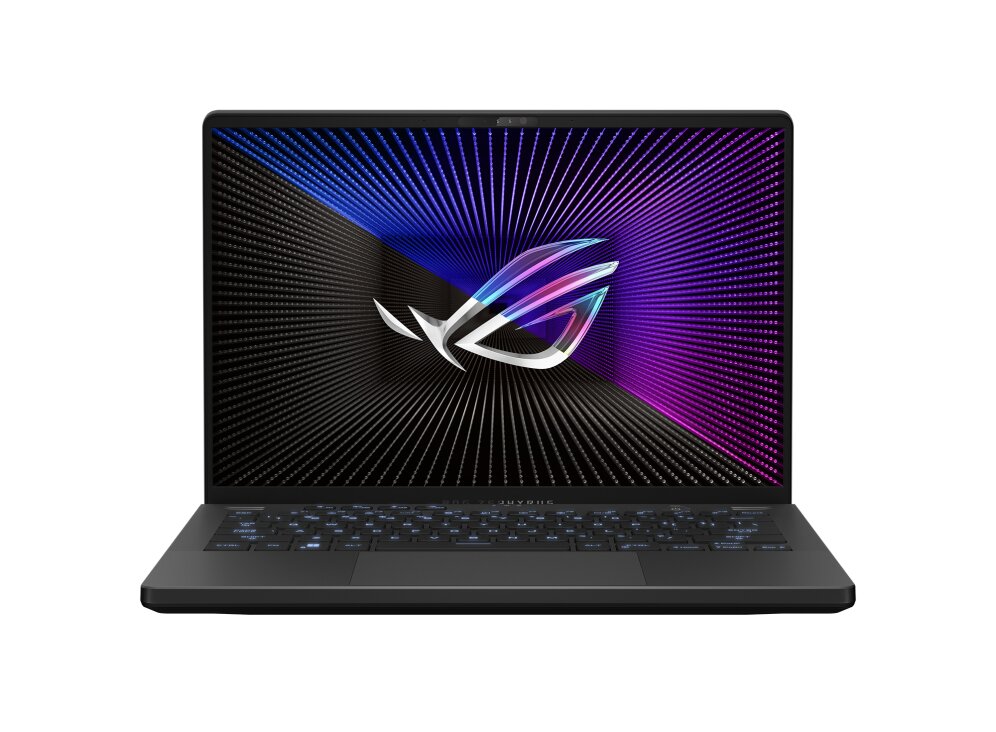
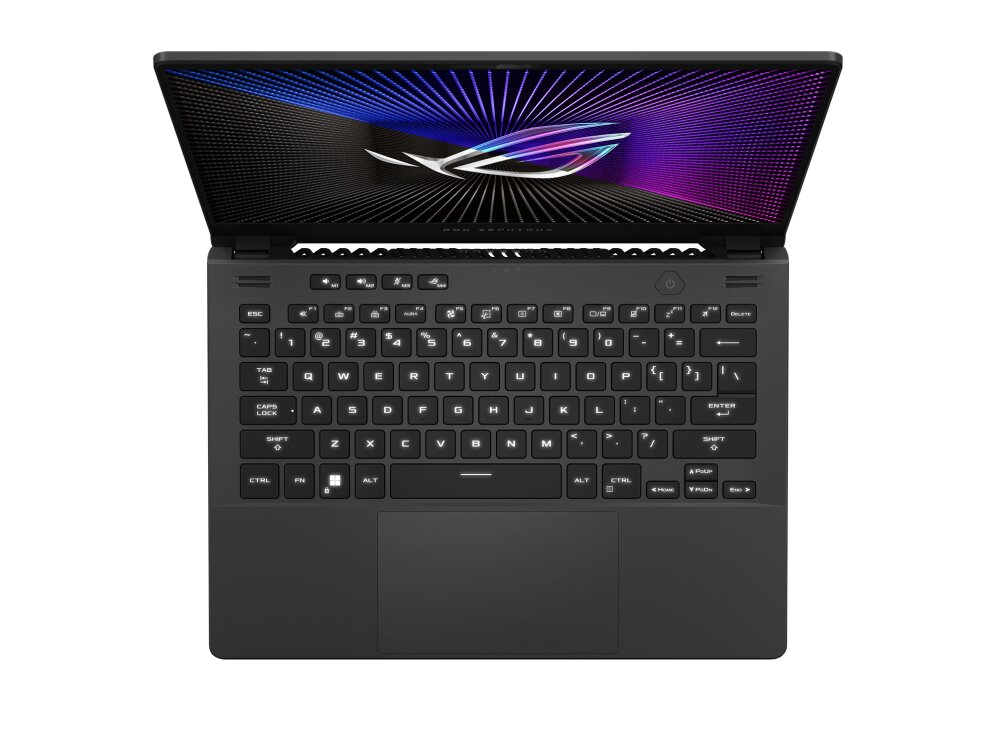
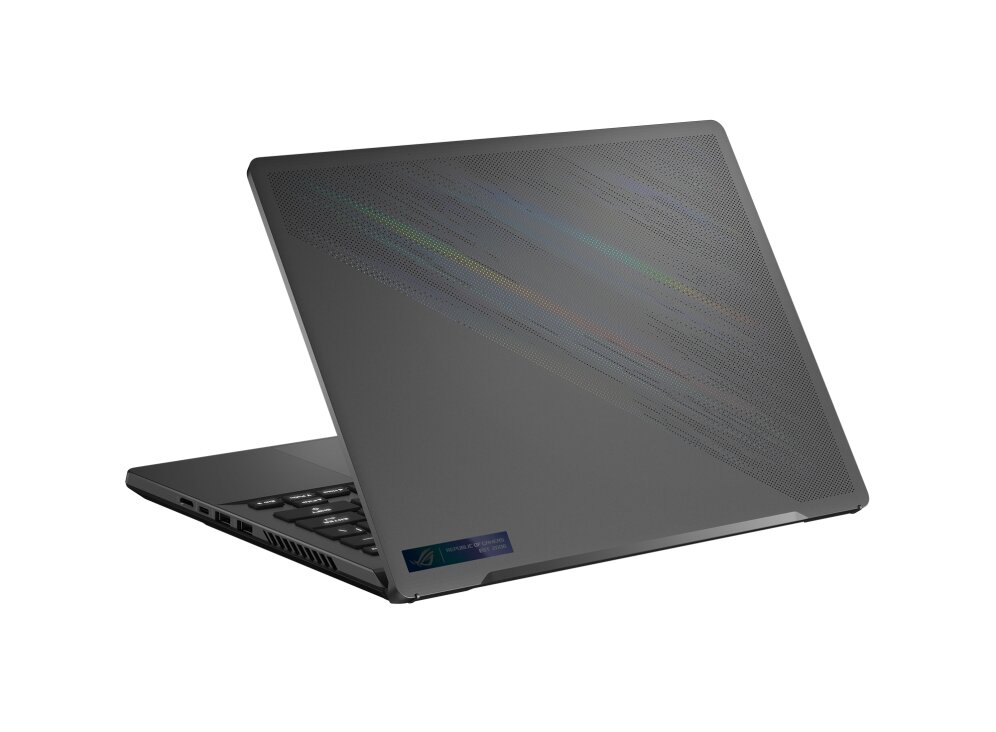
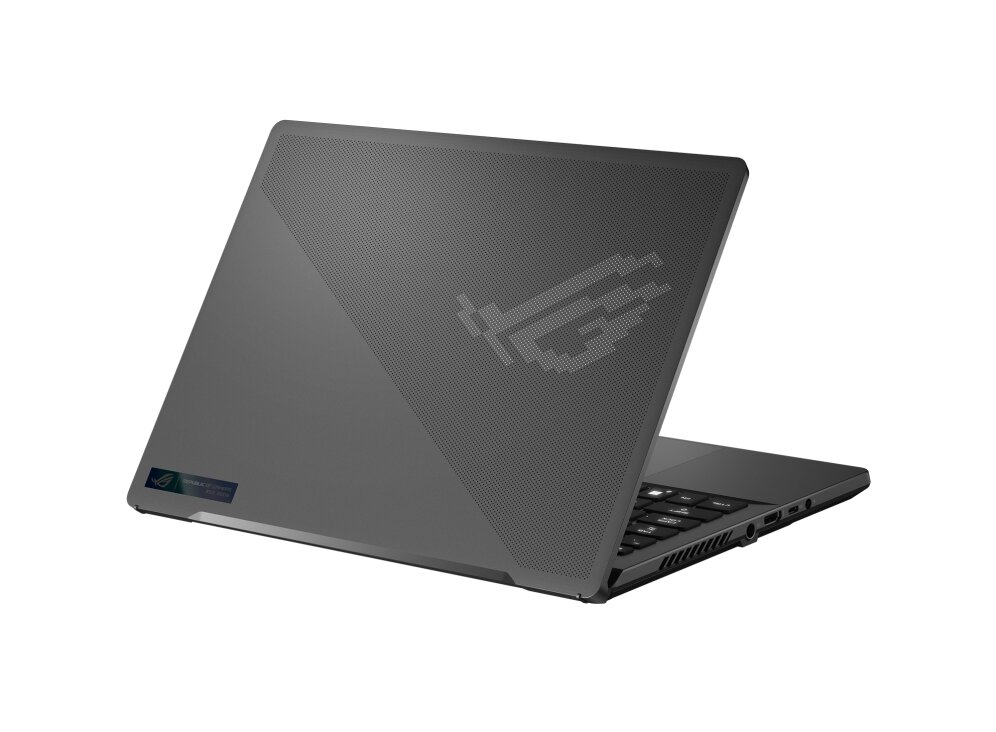
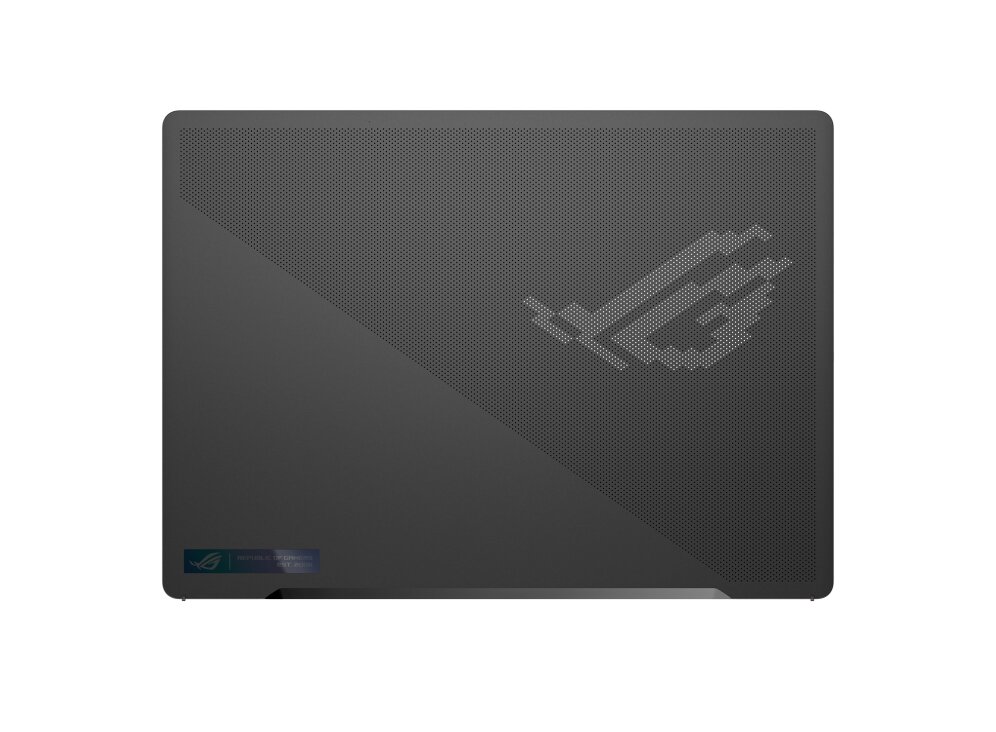
ASUS ROG Zephyrus G14 GA402NJ-L4034W features DDR5-SDRAM memory upgrade specifications. The laptop contains one SO-DIMM slot available for memory expansion alongside on-board memory. Maximum RAM capacity reaches 24 GB when fully upgraded. Compatible memory modules operate at 4800 MHz frequency. Specifications indicate a single upgradeable SO-DIMM slot, allowing users to expand total system memory to the maximum supported capacity through appropriate DDR5 RAM module installation.
Memory Upgrade Specifications
| Specification | Value |
|---|---|
| Memory slots | 1x SO-DIMM |
| Form factor | On-board + SO-DIMM |
| Memory type | DDR5-SDRAM |
| Frequency | 4800 MHz |
| Maximum RAM | 24 GB |
| Voltage | 1.1V |
| Number of pins | 262-pin |
| Interface | PC5 |
| PC Speed Rating | PC5-4800 (PC5-38400) |
| Bandwidth | 38.4 GB/s |
| Laptop Release date | 13 May 2023 |
Additional Notes
- The ASUS ROG GA402NJ-L4034W features a hybrid memory architecture combining soldered RAM with a single expansion slot, limiting future upgrade flexibility compared to dual SO-DIMM configurations.
- The 24 GB maximum capacity indicates 8 GB soldered onboard with support for a single 16 GB SO-DIMM module, as dual-channel DDR5 configurations typically support 32 GB or higher totals when fully modular.
- Memory operates in dual-channel mode only when the SO-DIMM module matches or exceeds the capacity of the soldered component, otherwise asymmetric configuration may result in partial single-channel operation affecting bandwidth-sensitive applications.
- DDR5-4800 represents JEDEC baseline specification, meaning the system does not support XMP or EXPO overclocking profiles that higher-binned modules may advertise.
- The single upgrade slot becomes permanently occupied once populated with a 16 GB module to reach maximum capacity, eliminating further expansion options without replacing the installed component.
- Soldered memory cannot be removed or replaced without board-level rework, meaning any failure of the onboard component requires motherboard service rather than simple module replacement.
- Installation requires matching DDR5 SO-DIMM voltage specifications at 1.1V, as DDR4 modules are physically incompatible despite similar form factors.
- The 262-pin SO-DIMM interface differs from desktop DIMM standards, restricting compatible module sourcing to laptop-specific DDR5 inventory.
- Thermal constraints in compact chassis designs may throttle sustained memory-intensive workloads even when operating within official specifications, particularly when fully populated.
- Warranty preservation requires using modules within manufacturer-specified speed and capacity limits, as exceeding 4800 MHz or 24 GB total may void coverage depending on regional service terms.