ASUS ROG GA402NJ-L4034W-Gaming RAM upgrade specifications
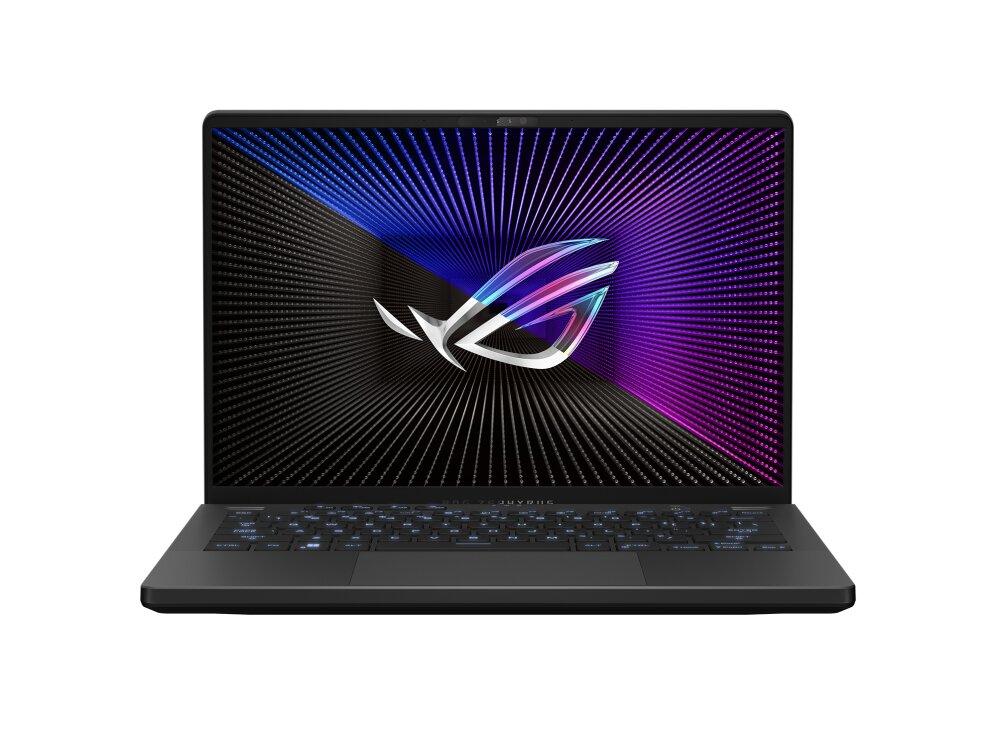
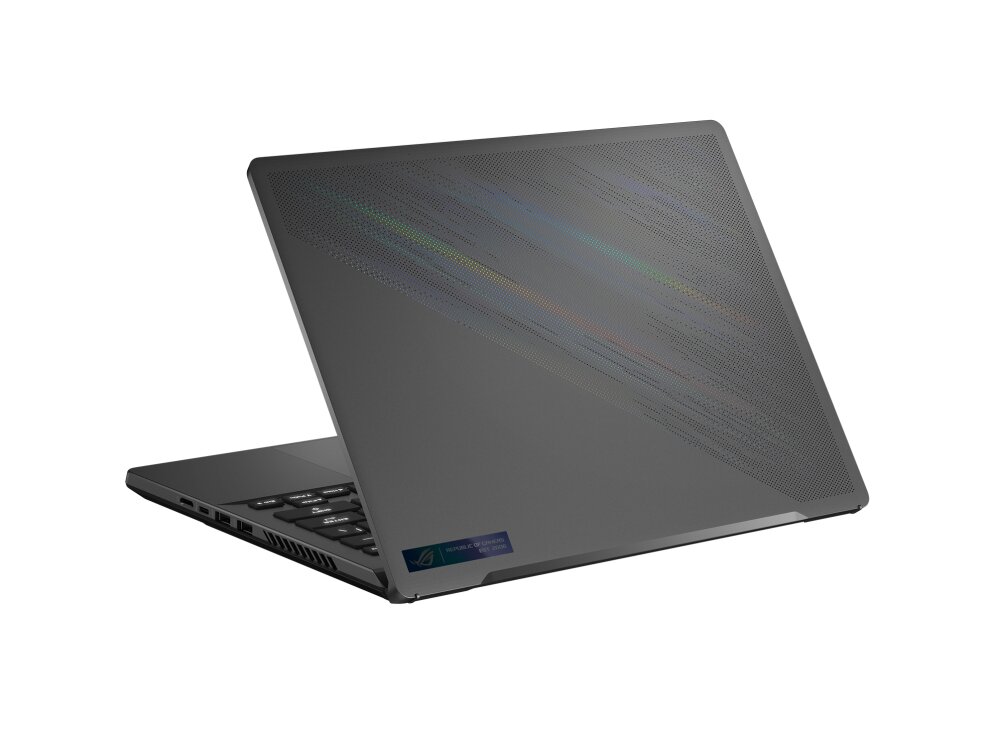
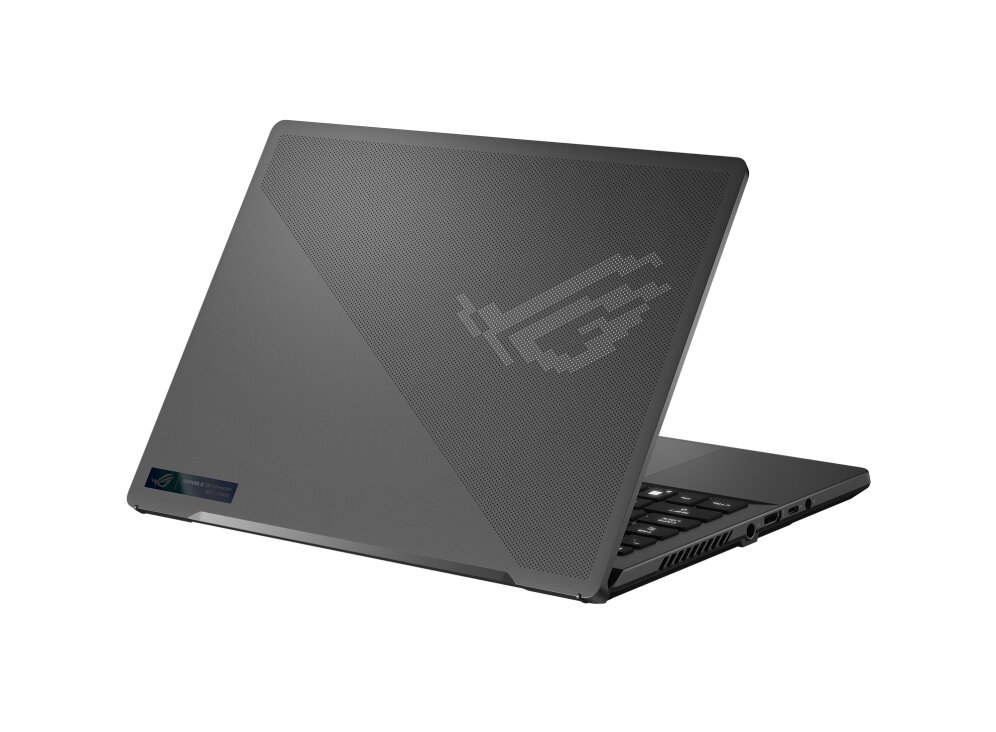
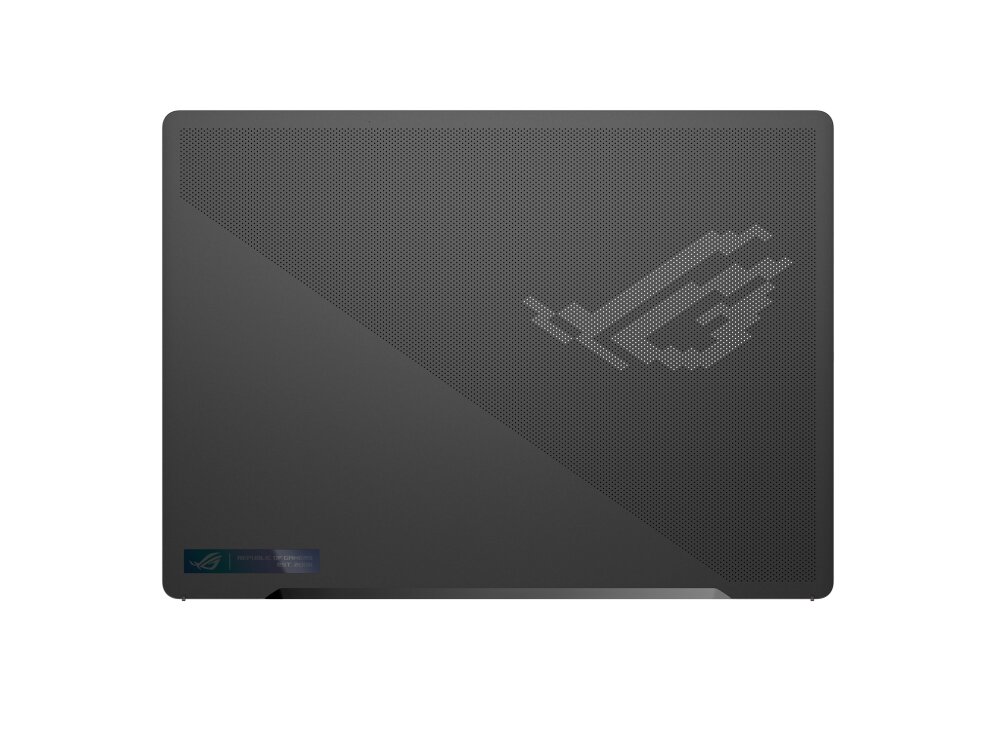
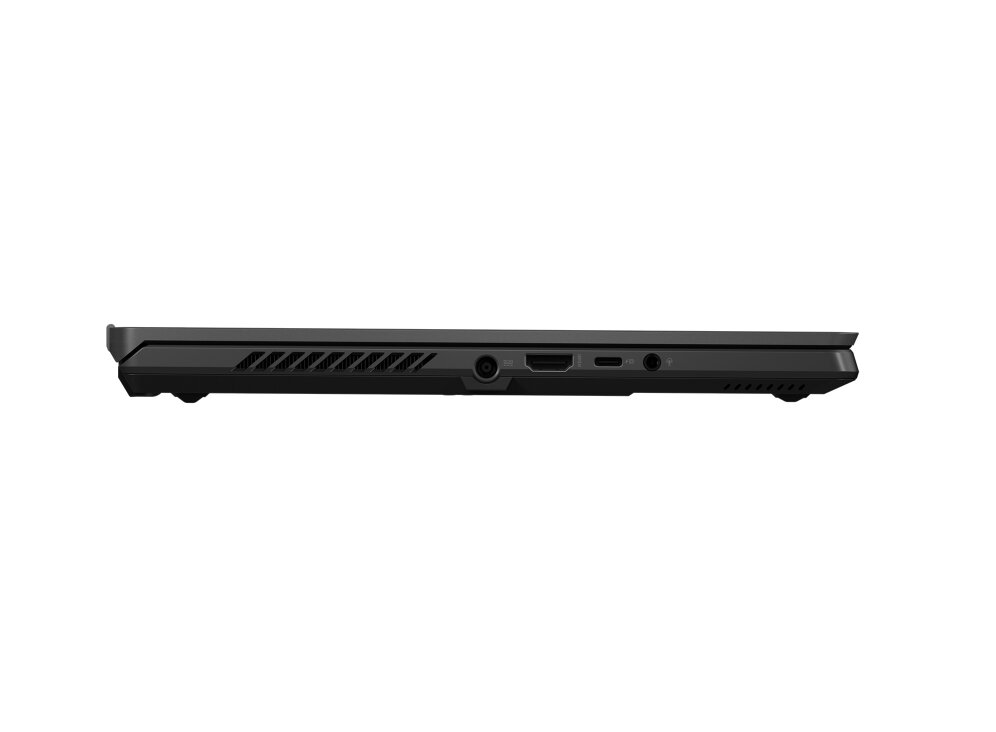
ASUS ROG Zephyrus G14 GA402NJ-L4034W-Gaming supports DDR5-SDRAM memory upgrades with specifications enabling maximum RAM capacity of 24 GB. The laptop features 1x SO-DIMM slot for upgrade compatibility, with on-board memory configuration. Memory operates at 4800 MHz frequency. Upgrade specifications are compatible with DDR5 standard modules, allowing users to expand system memory beyond factory configuration through the available SO-DIMM slot.
Memory Upgrade Specifications
| Specification | Value |
|---|---|
| Memory slots | 1x SO-DIMM |
| Form factor | On-board + SO-DIMM |
| Memory type | DDR5-SDRAM |
| Frequency | 4800 MHz |
| Maximum RAM | 24 GB |
| Voltage | 1.1V |
| Number of pins | 262-pin |
| Interface | PC5 |
| PC Speed Rating | PC5-4800 (PC5-38400) |
| Bandwidth | 38.4 GB/s |
| Laptop Release date | 13 April 2023 |
Additional Notes
- The presence of a single SO-DIMM slot alongside permanent on-board memory creates an asymmetrical dual-channel configuration if the module capacities do not match.
- Upgrading the **ASUS ROG GA402NJ-L4034W-Gaming** necessitates the removal of any existing module in the lone expansion slot since no vacant secondary slots exist for additive capacity.
- The 24 GB maximum threshold indicates that a 16 GB module is the highest compatible density for the expansion slot to supplement the 8 GB integrated into the motherboard.
- System memory performance will be constrained by the slowest component if a module with higher latency or lower frequency is installed in the expansion slot.
- The hardware architecture relies on the integrated 4800 MHz clock speed which prevents the utilization of XMP profiles or higher frequency overhead from aftermarket modules.
- Physical installation requires bottom panel removal which exposes internal components to electrostatic discharge risks and demands specialized tools for the captive screw system.
- Total system bandwidth functions in a flex mode where only the matched portion of the memory operates in synchronous dual-channel while the remainder shifts to single-channel speeds.