ASUS ROG GA402RJ-L8099W RAM upgrade specifications
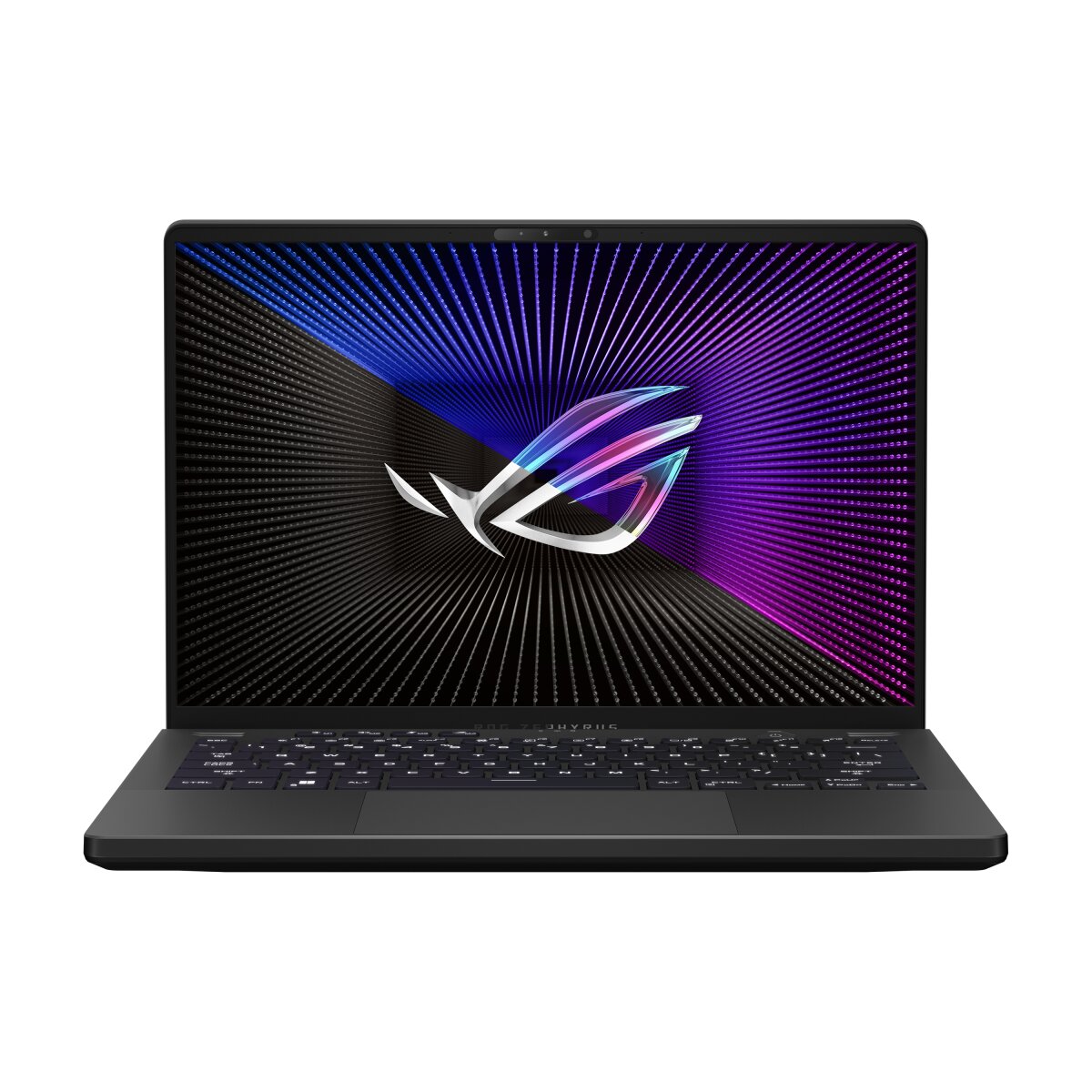
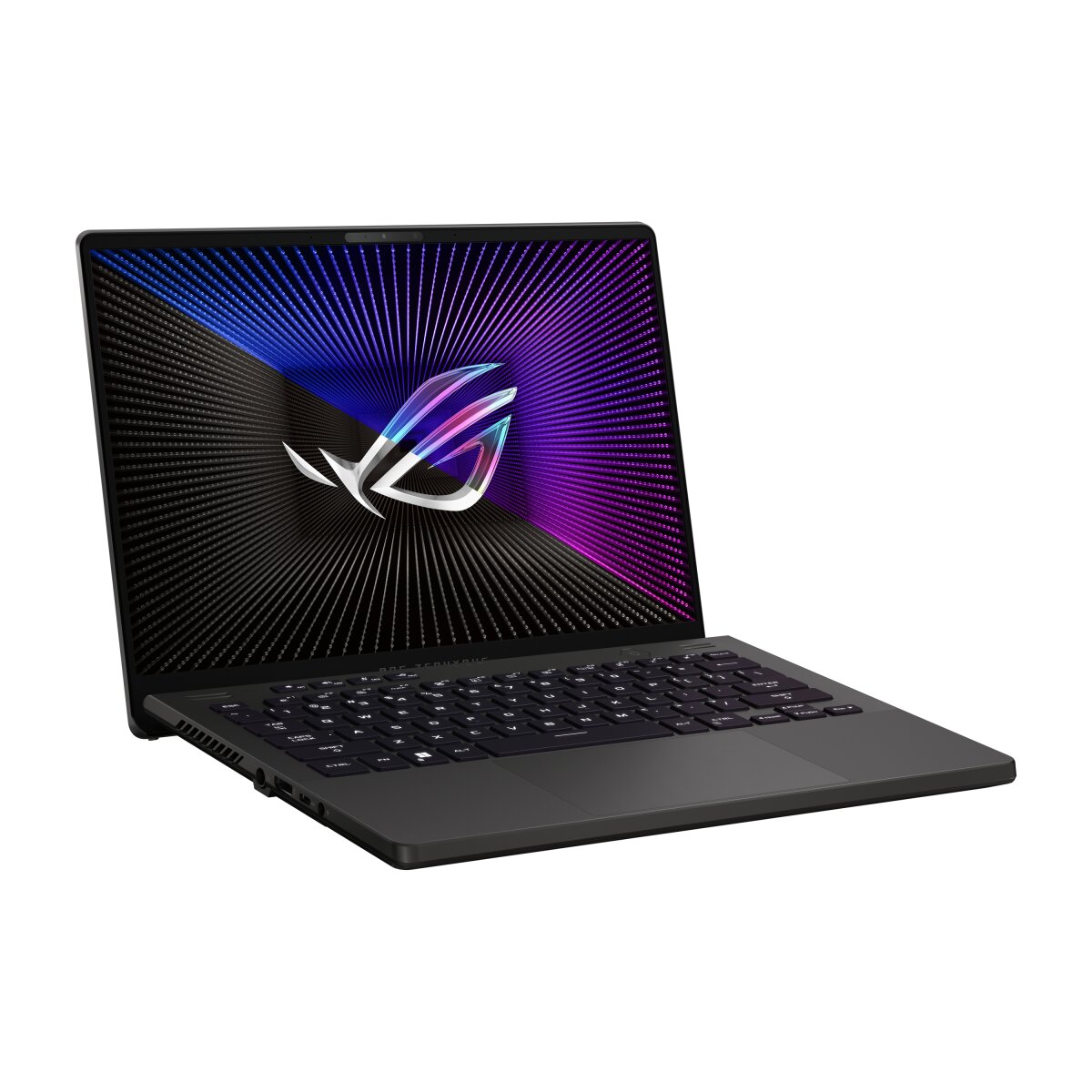
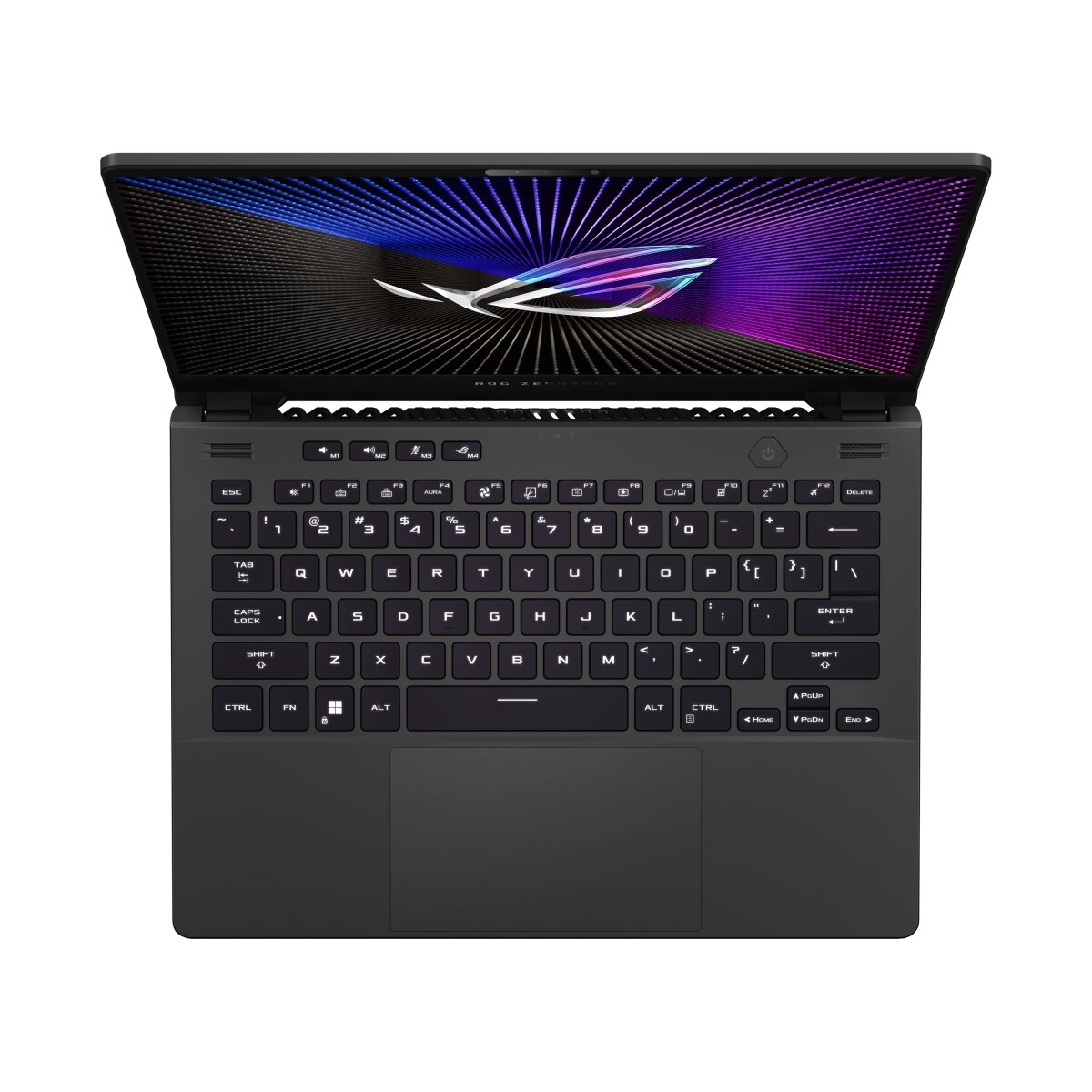
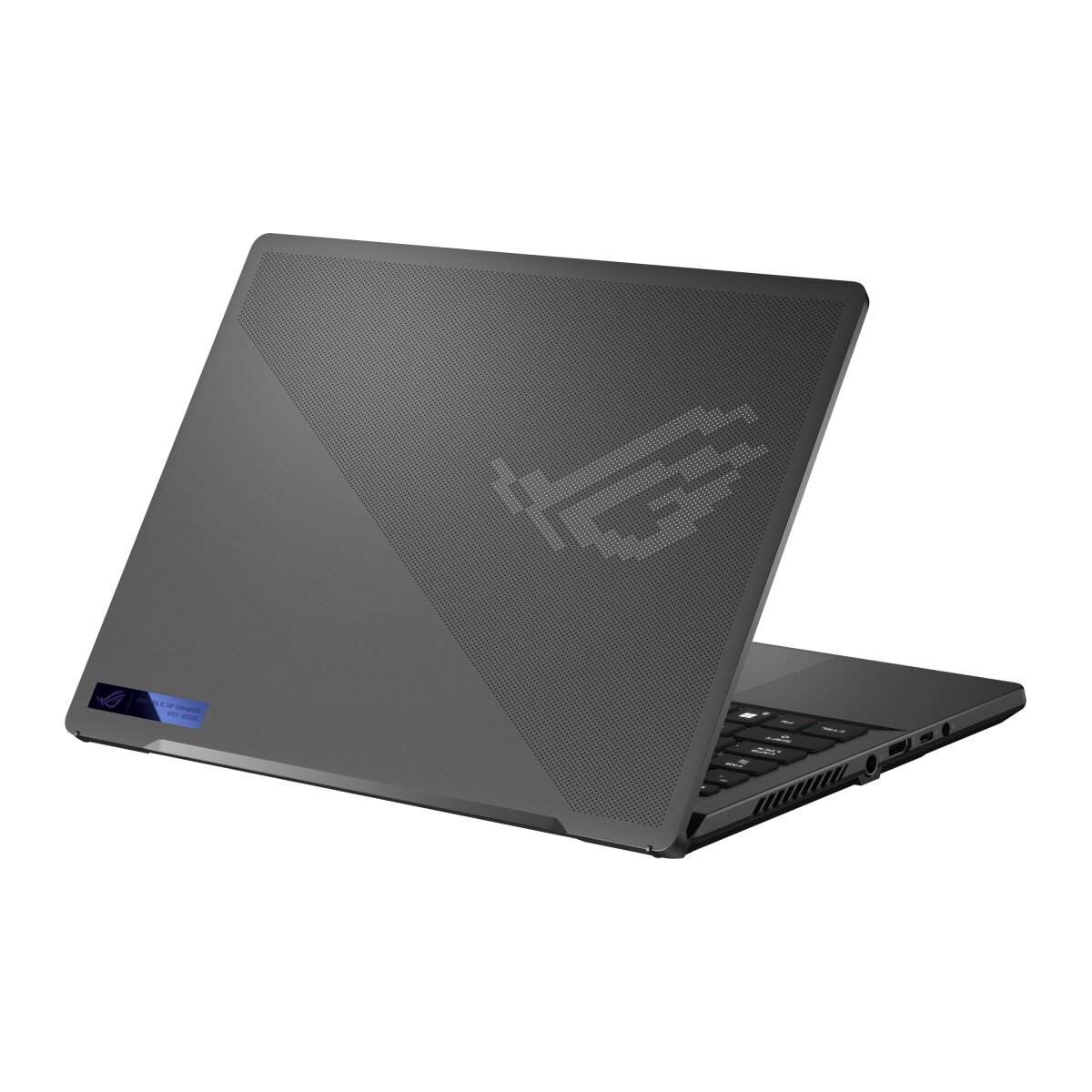
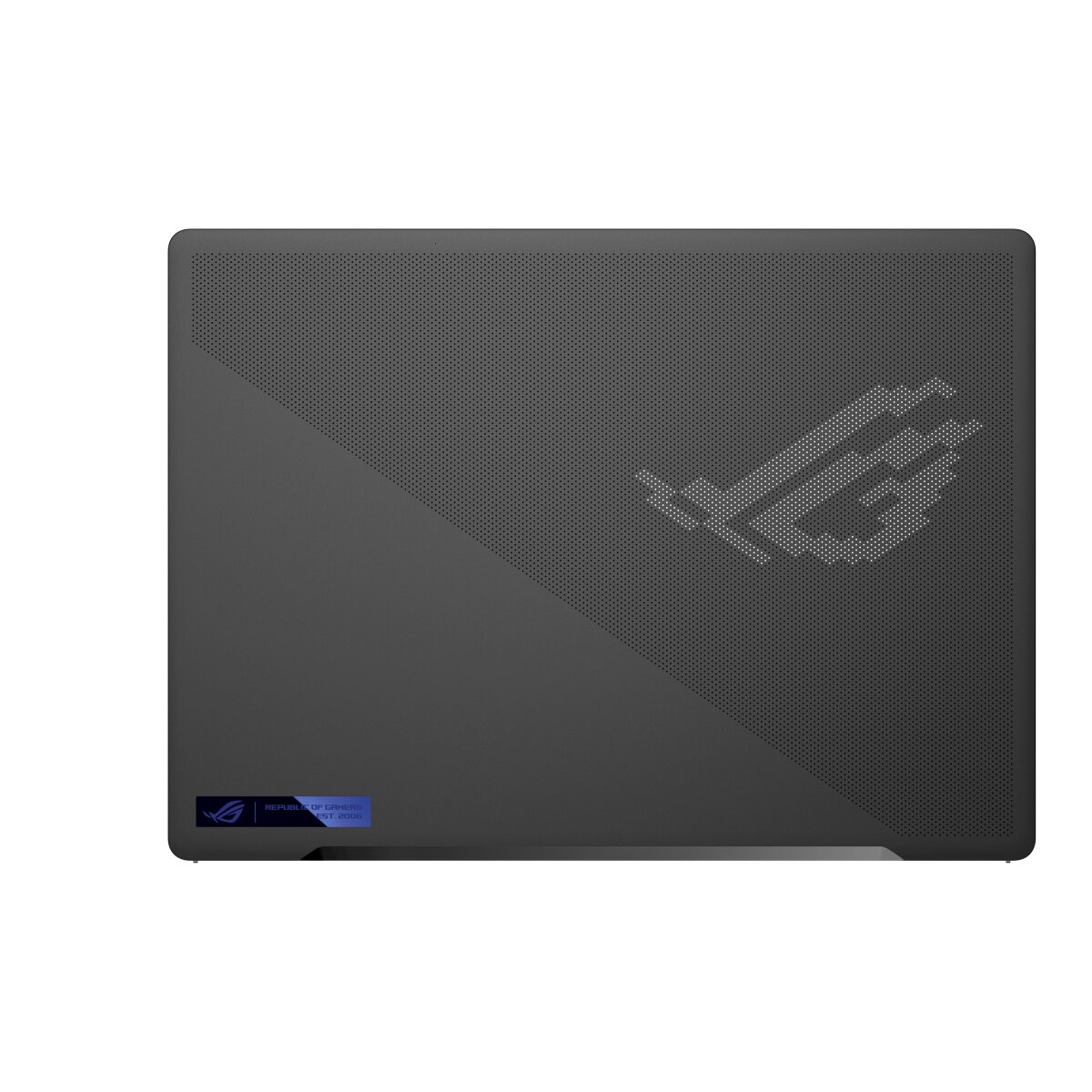
The ASUS ROG Zephyrus G14 GA402RJ-L8099W features DDR5-SDRAM memory specifications with one SO-DIMM slot available for upgrades. The laptop includes on-board memory combined with a single upgradeable SO-DIMM slot, supporting maximum RAM capacity of 24 GB. Compatible memory operates at 3200 MHz frequency. Upgrade options allow for expanding the installed memory through the accessible SO-DIMM slot to achieve the maximum specifications supported by this gaming laptop model.
Memory Upgrade Specifications
| Specification | Value |
|---|---|
| Memory slots | 1x SO-DIMM |
| Form factor | On-board + SO-DIMM |
| Memory type | DDR5-SDRAM |
| Frequency | 3200 MHz |
| Maximum RAM | 24 GB |
| Voltage | 1.1V |
| Number of pins | 262-pin |
| Interface | PC5 |
| PC Speed Rating | PC5-3200 (PC5-25600) |
| Bandwidth | 25.6 GB/s |
| Laptop Release date | 17 February 2022 |
Additional Notes
- The ASUS ROG GA402RJ-L8099W contains soldered memory paired with a single upgrade slot, meaning maximum capacity expansion is constrained by the SO-DIMM module limit rather than slot count.
- DDR5-3200 operates at a frequency ceiling that may not align with newer DDR5-4800 or DDR5-5600 capable processors; installing higher-frequency modules will downclock to 3200 MHz, providing no performance gain while adding cost.
- A single SO-DIMM slot creates an asymmetrical dual-channel configuration when populated; the on-board soldered module and the add-on module will likely run in mixed-capacity mode, potentially reducing memory bandwidth efficiency compared to symmetrical configurations.
- The 24 GB aggregate ceiling (likely 16 GB soldered + 8 GB SO-DIMM maximum) is insufficient for professional workloads requiring 32 GB or higher; this represents a hard upgrade barrier with no workaround.
- SO-DIMM module sourcing for DDR5 remains supply-constrained and carries pricing premiums versus desktop UDIMM equivalents; warranty coverage may require OEM-approved modules, further limiting options.
- Thermal dissipation from soldered memory cannot be managed independently; throttling or stability issues related to on-board memory cannot be addressed through removal or replacement, only through BIOS thermal profiles.
- System performance in memory-intensive applications will plateau at the 3200 MHz frequency regardless of module specifications, creating an effective performance ceiling unrelated to processor capability.