ASUS ROG GA402RJ-L8018W-BE RAM upgrade specifications
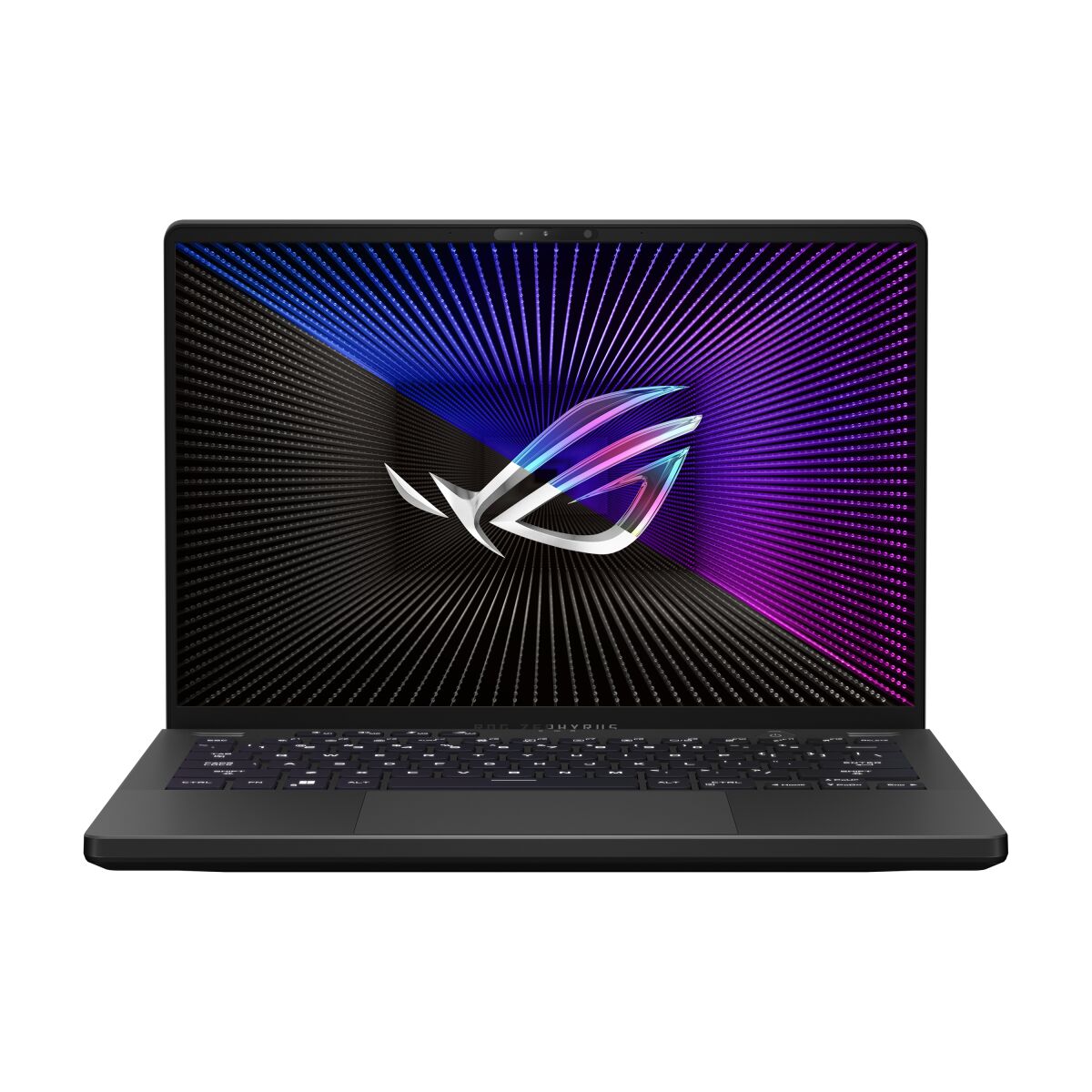
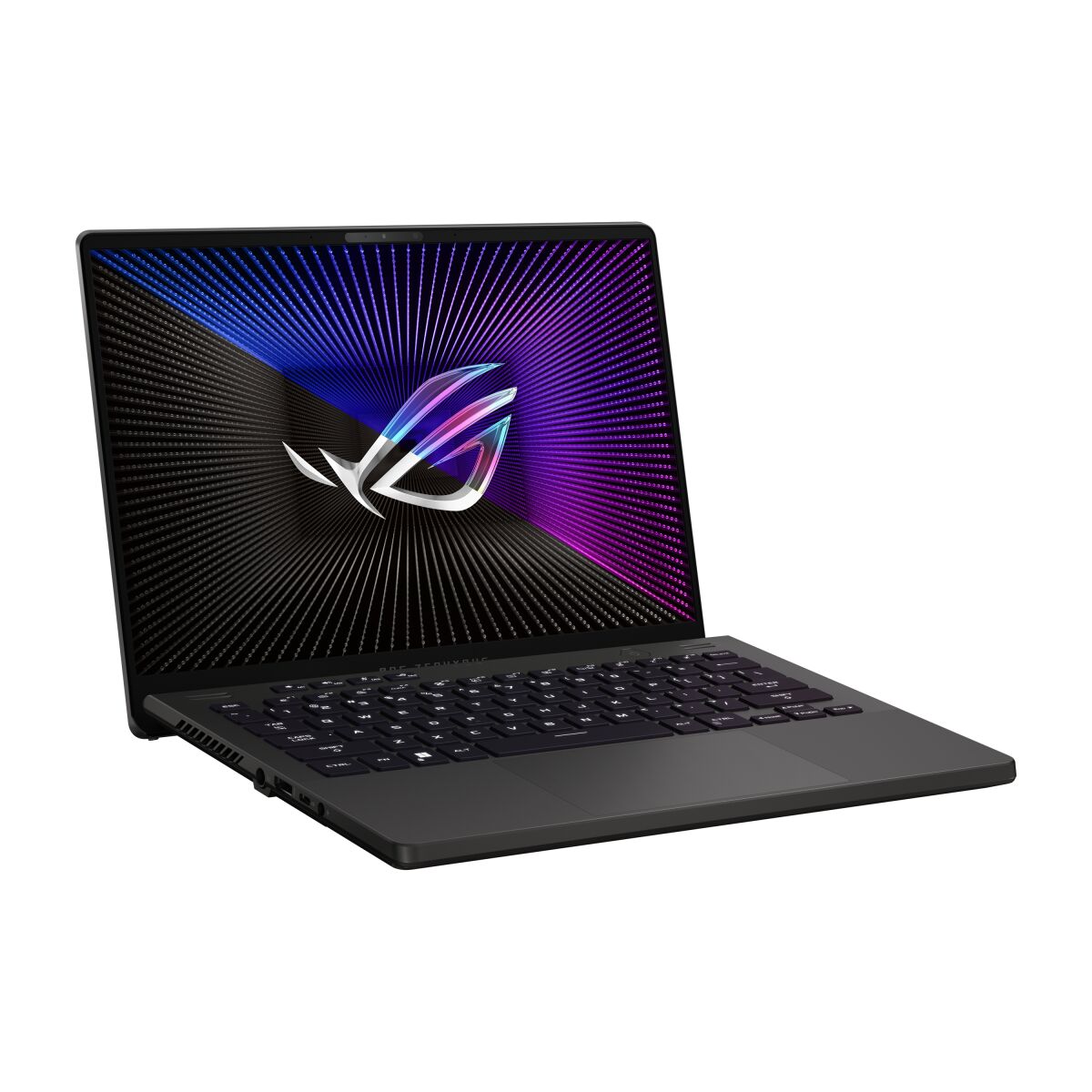
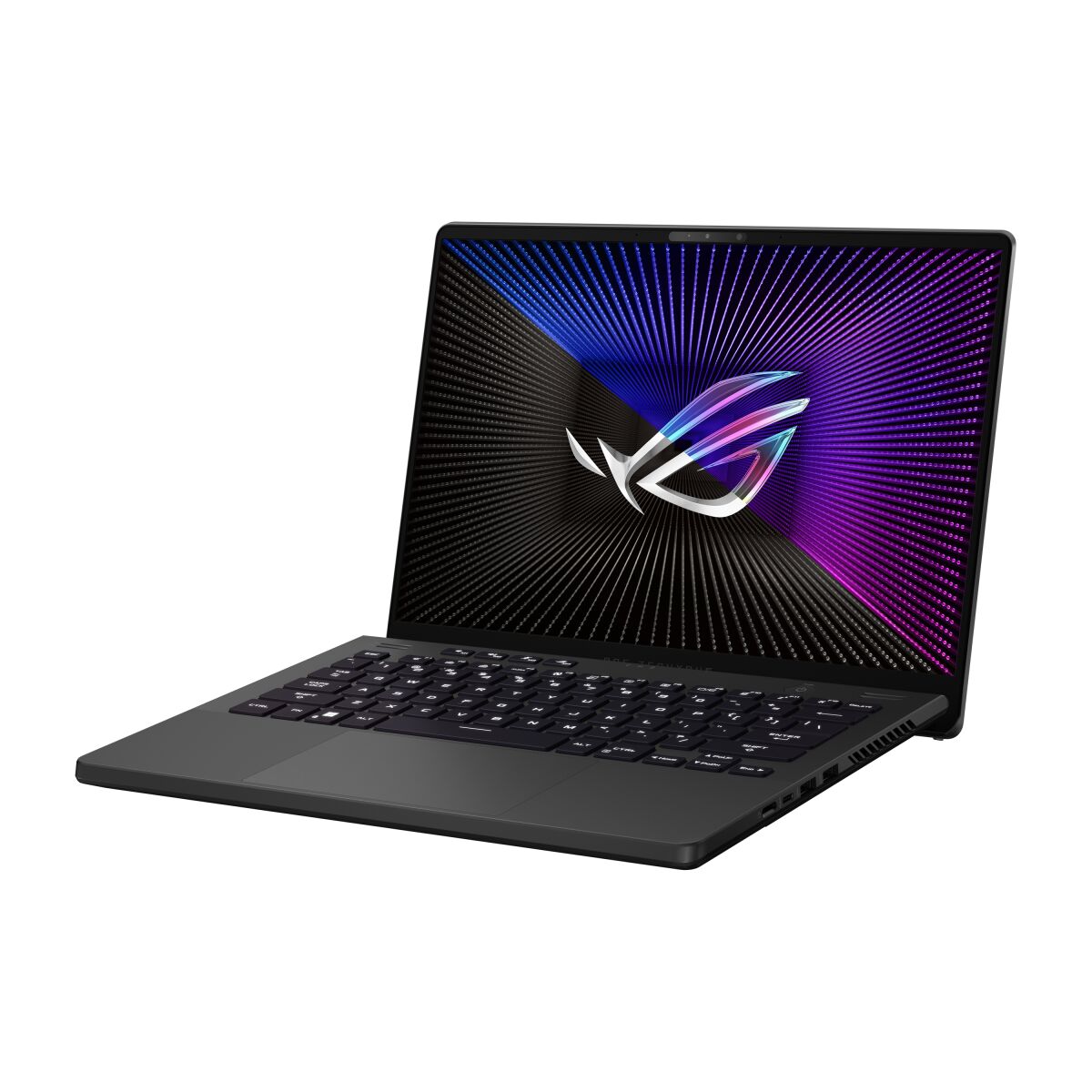
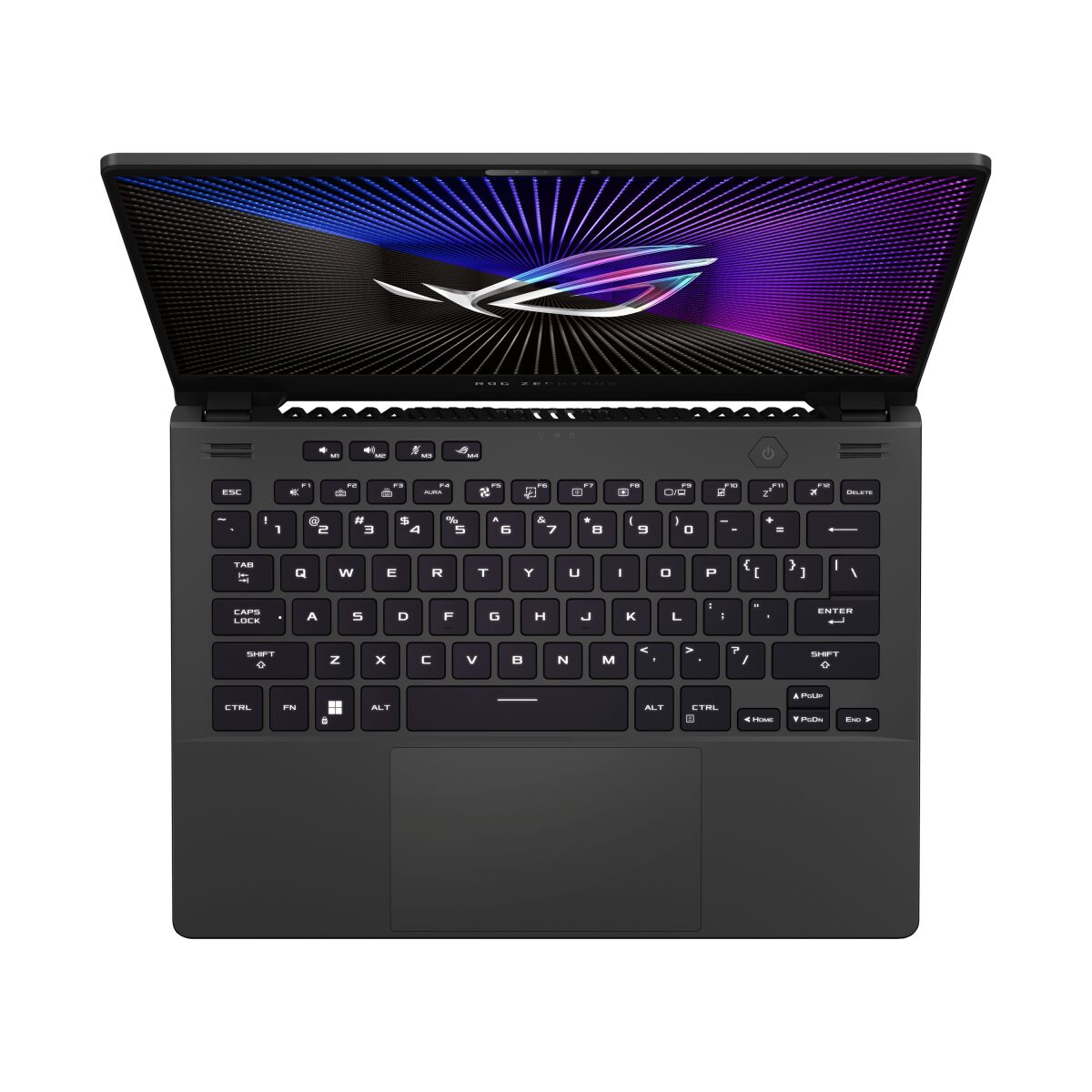
ASUS ROG Zephyrus G14 GA402RJ-L8018W-BE laptop RAM upgrade specifications include DDR5-SDRAM memory type operating at 4800 MHz frequency. The system features one SO-DIMM slot for memory expansion, with 16 GB soldered on-board. Maximum RAM capacity reaches 24 GB total when upgrading the single available slot. Compatible memory modules must meet DDR5-SDRAM specifications and SO-DIMM form factor requirements for proper installation in the designated memory slot.
Memory Upgrade Specifications
| Specification | Value |
|---|---|
| Memory slots | 1x SO-DIMM |
| Form factor | On-board + SO-DIMM |
| Memory type | DDR5-SDRAM |
| Frequency | 4800 MHz |
| Maximum RAM | 24 GB |
| Voltage | 1.1V |
| Number of pins | 262-pin |
| Interface | PC5 |
| PC Speed Rating | PC5-4800 (PC5-38400) |
| Bandwidth | 38.4 GB/s |
| Laptop Release date | 10 January 2022 |
Additional Notes
- The ASUS ROG GA402RJ-L8018W-BE employs a hybrid memory architecture with soldered RAM complementing the single SO-DIMM slot, preventing dual-channel configuration in favor of a fixed asymmetric memory topology.
- The 24 GB ceiling indicates 8 GB of non-removable soldered memory, limiting the SO-DIMM slot to a maximum 16 GB module to remain within system-supported thresholds.
- DDR5 voltage tolerance requires strict adherence to JEDEC standards, as SO-DIMM modules operating outside the 1.1V specification may trigger POST failures or thermal throttling in compact chassis designs.
- The 4800 MHz frequency represents the baseline JEDEC profile, meaning XMP-enabled modules rated for 5200 MHz or higher will downclock to match the motherboard's fixed speed without performance gain.
- Single-slot availability eliminates future expandability beyond the initial upgrade, forcing immediate commitment to the maximum desired capacity rather than incremental additions.
- The on-board memory component is non-serviceable without motherboard-level rework, positioning RAM failure as a logic board replacement scenario rather than an isolated module swap.
- DDR5 SO-DIMM pricing volatility at 16 GB densities creates cost-per-gigabyte disadvantages compared to systems supporting dual 8 GB modules with equivalent total capacity.
- Mixing the factory-installed soldered memory with third-party SO-DIMM modules introduces rank and chip density variables that may affect Infinity Fabric synchronization on AMD platforms.
- The absence of a second SO-DIMM slot eliminates the option to bypass soldered memory entirely, embedding reliance on the manufacturer's pre-installed chip selection for half the total bandwidth.
- Warranty preservation requires verification that the bottom panel removal for SO-DIMM access does not void coverage, as some ROG models employ tamper-evident seals on service hatches.