ASUS ROG GA402RJ-L4105W RAM upgrade specifications
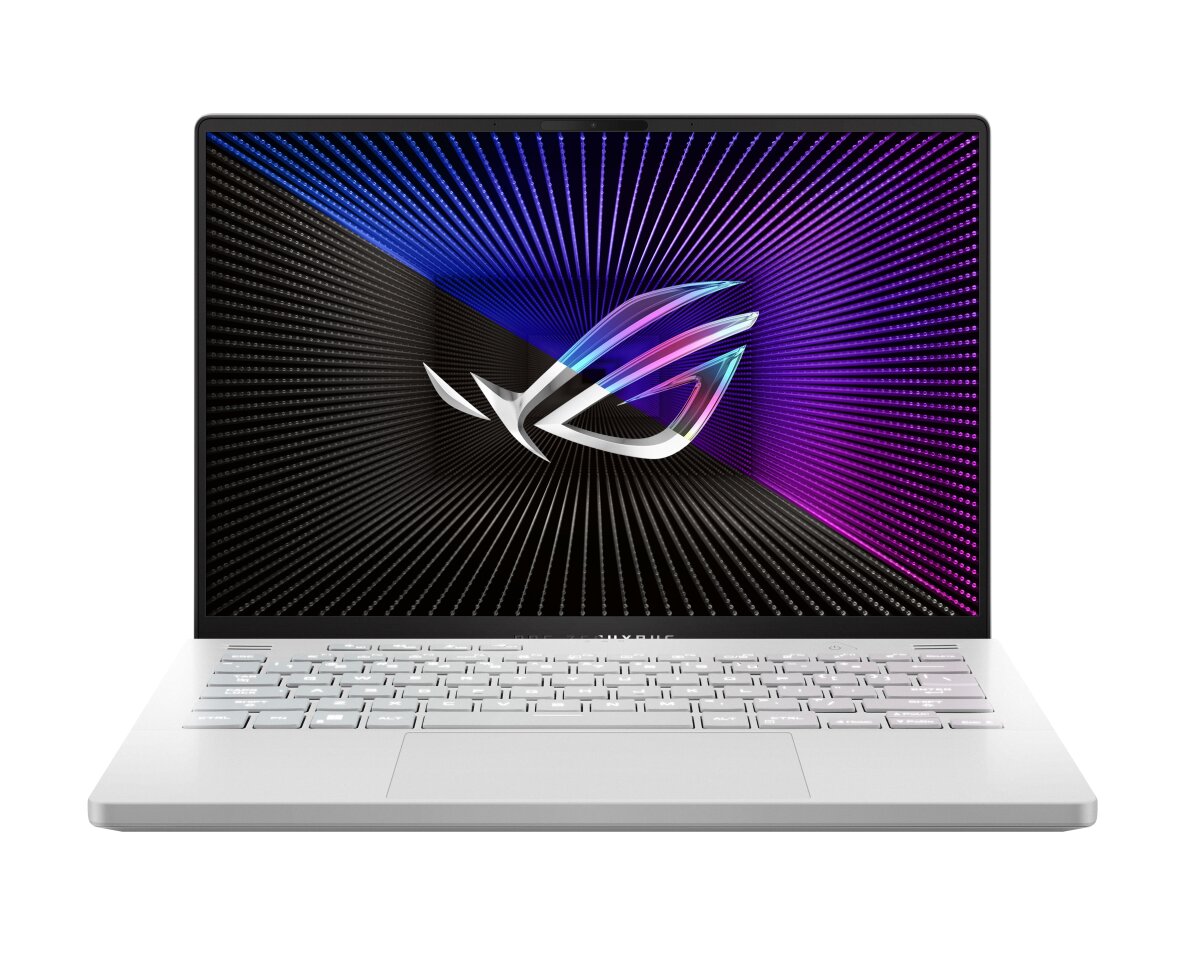
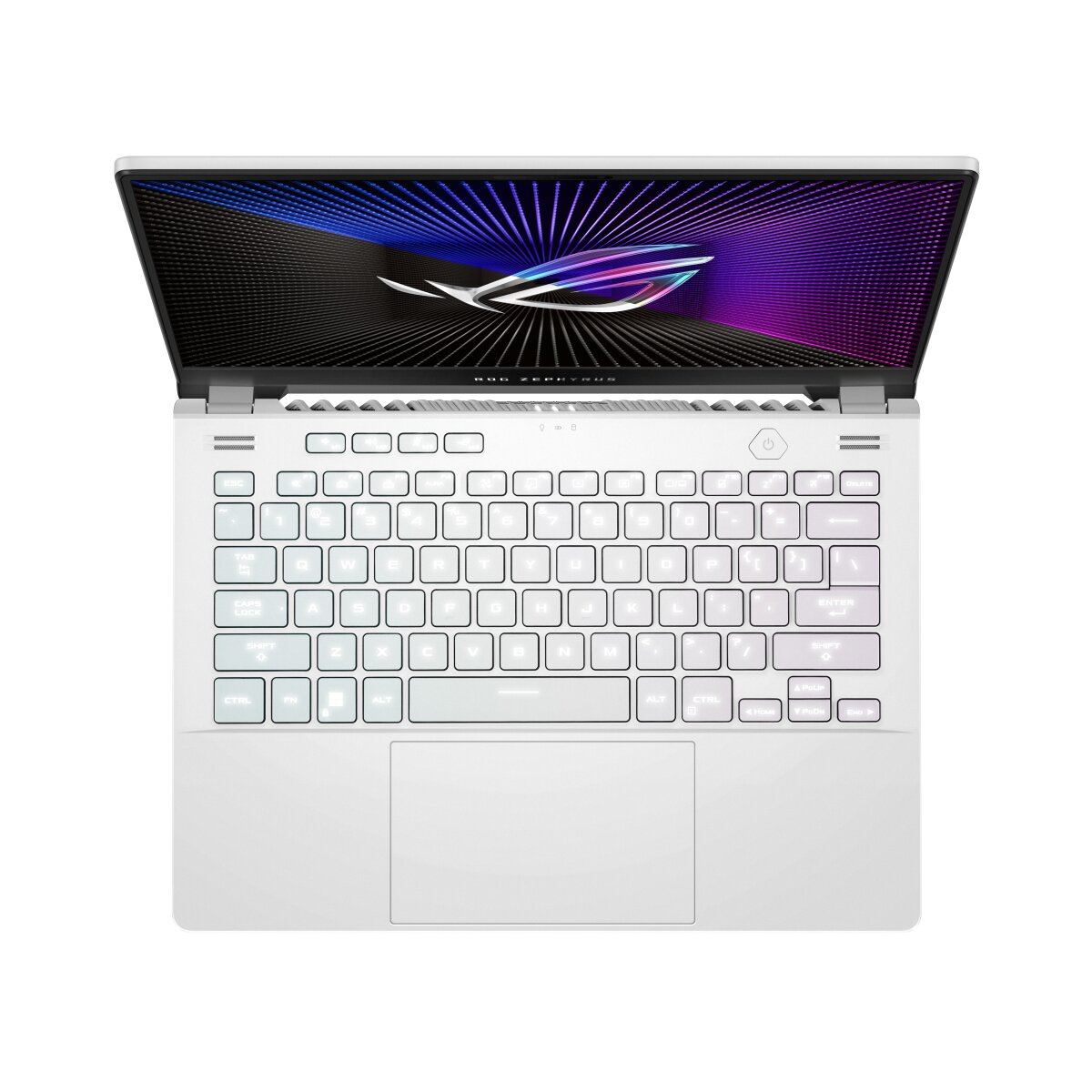

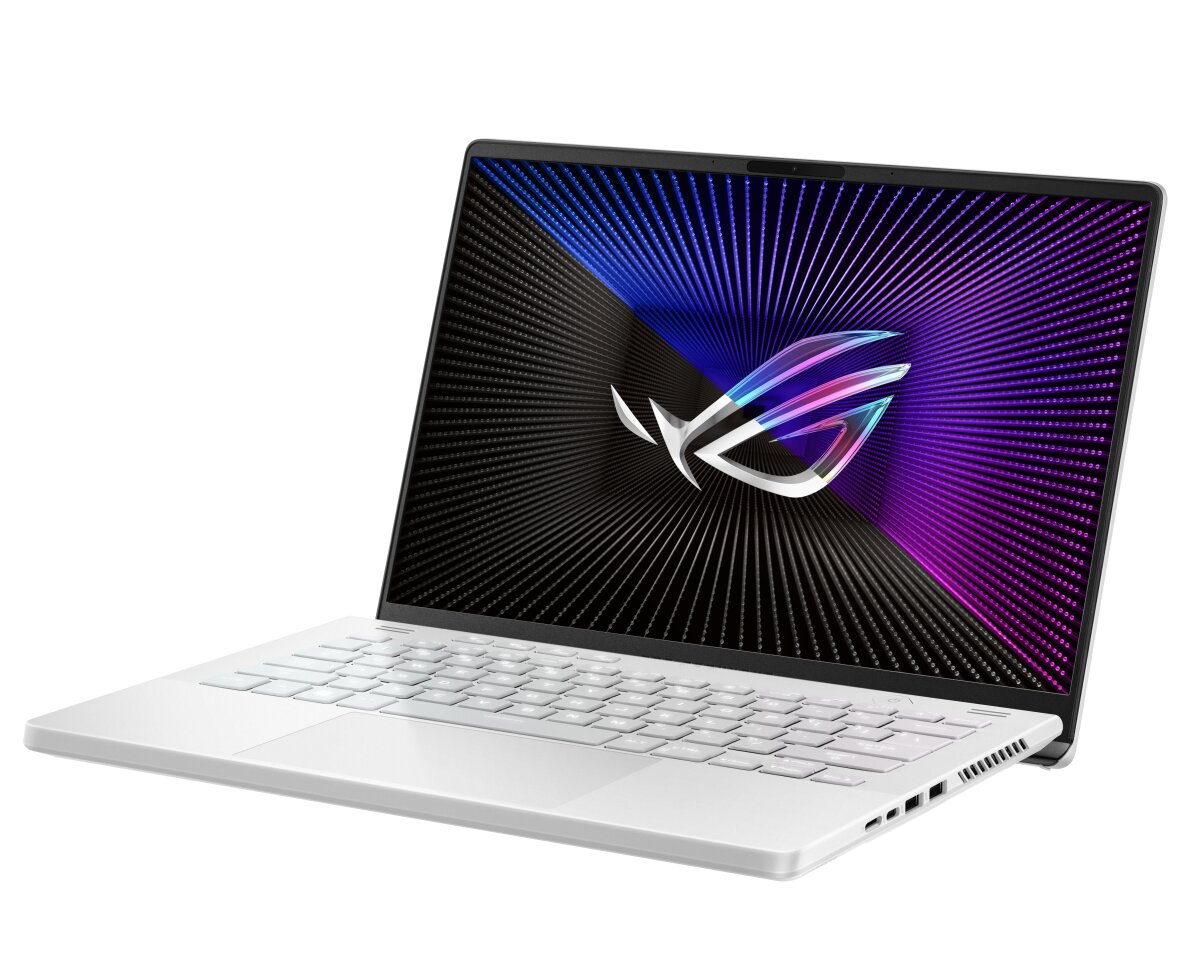
ASUS ROG Zephyrus G14 GA402RJ-L4105W RAM upgrade specifications include one SO-DIMM slot compatible with DDR5-SDRAM memory modules operating at 4800 MHz frequency. Maximum RAM capacity reaches 24 GB through upgrade installation. Memory configuration features on-board soldered RAM combined with single expandable SO-DIMM slot for additional capacity. Specifications indicate DDR5 technology support for enhanced performance and bandwidth. Compatible memory upgrades must match DDR5-SDRAM standard and 4800 MHz frequency specifications for optimal compatibility and operation.
Memory Upgrade Specifications
| Specification | Value |
|---|---|
| Memory slots | 1x SO-DIMM |
| Form factor | On-board + SO-DIMM |
| Memory type | DDR5-SDRAM |
| Frequency | 4800 MHz |
| Maximum RAM | 24 GB |
| Voltage | 1.1V |
| Number of pins | 262-pin |
| Interface | PC5 |
| PC Speed Rating | PC5-4800 (PC5-38400) |
| Bandwidth | 38.4 GB/s |
| Laptop Release date | 19 February 2022 |
Additional Notes
- The ASUS ROG GA402RJ-L4105W incorporates soldered memory on the motherboard, meaning only 1 of the 2 memory channels remains upgradeable through the SO-DIMM slot.
- Upgrading to the 24 GB maximum requires a 16 GB SO-DIMM module, as the on-board portion is fixed and non-removable.
- Single-channel operation will persist after any upgrade due to the asymmetrical memory configuration, resulting in reduced memory bandwidth compared to dual-channel architectures and potential performance degradation in memory-intensive workloads.
- DDR5-4800 SO-DIMM modules are widely available but represent a premium price segment; compatibility verification with ASUS documentation is necessary before purchase, as not all DDR5 SO-DIMMs operate reliably at this frequency specification on this platform.
- Installation of the SO-DIMM module requires access to the memory compartment and does not typically void the manufacturer warranty when performed according to ASUS specifications.
- Memory bandwidth asymmetry may create latency penalties in gaming and content creation tasks, partially offsetting the capacity gains from upgrading the removable slot.