ASUS ROG GA402RJ-L4101W RAM upgrade specifications
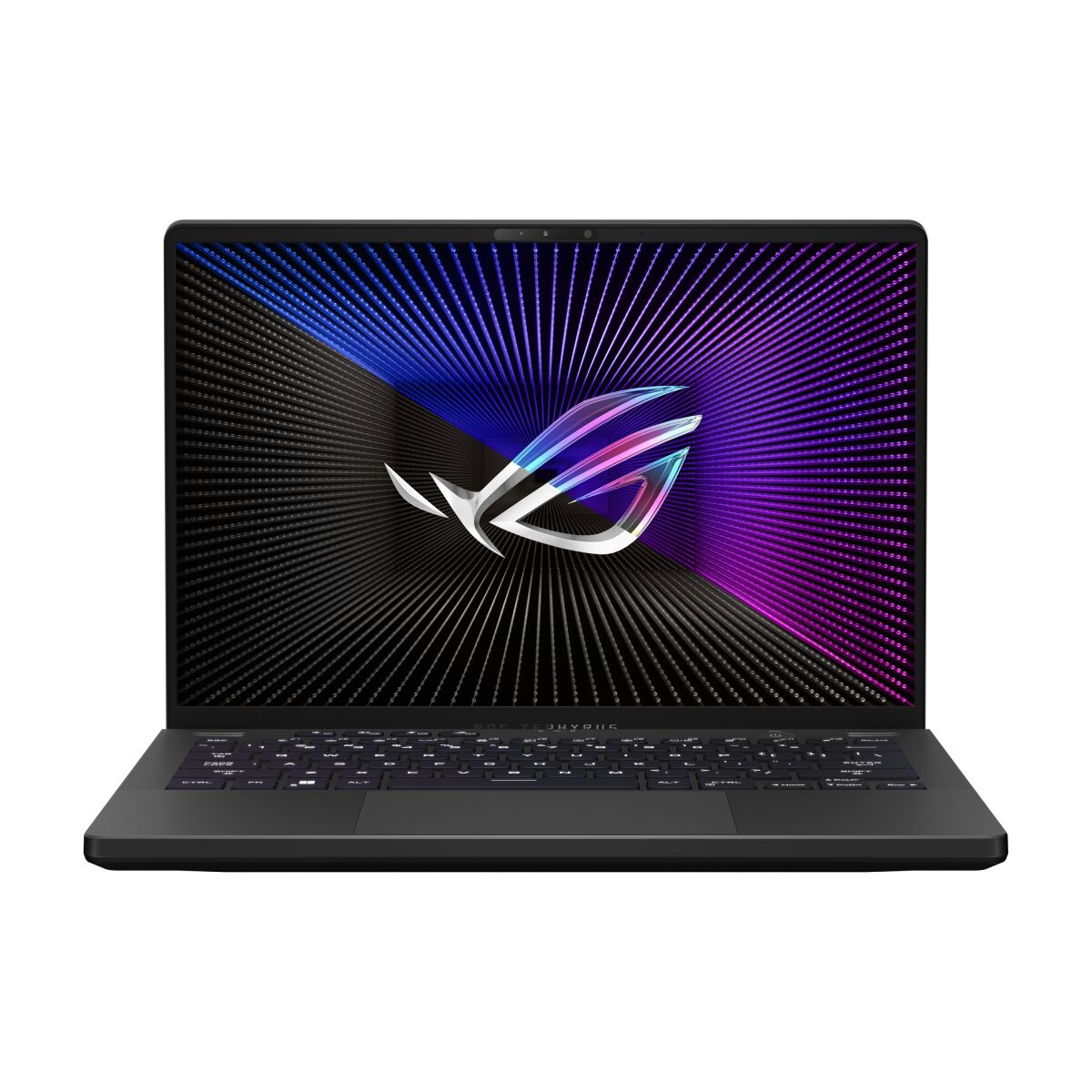
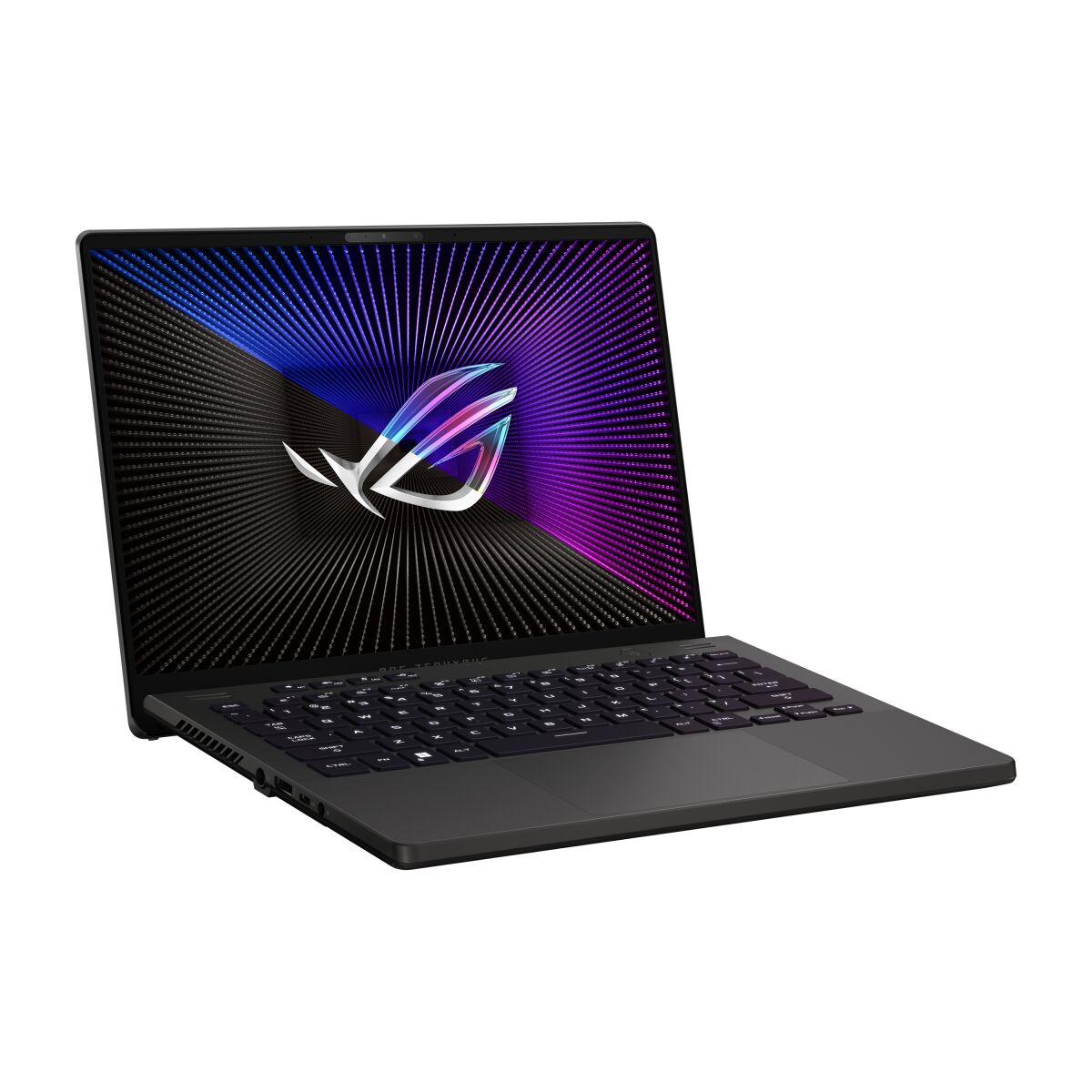
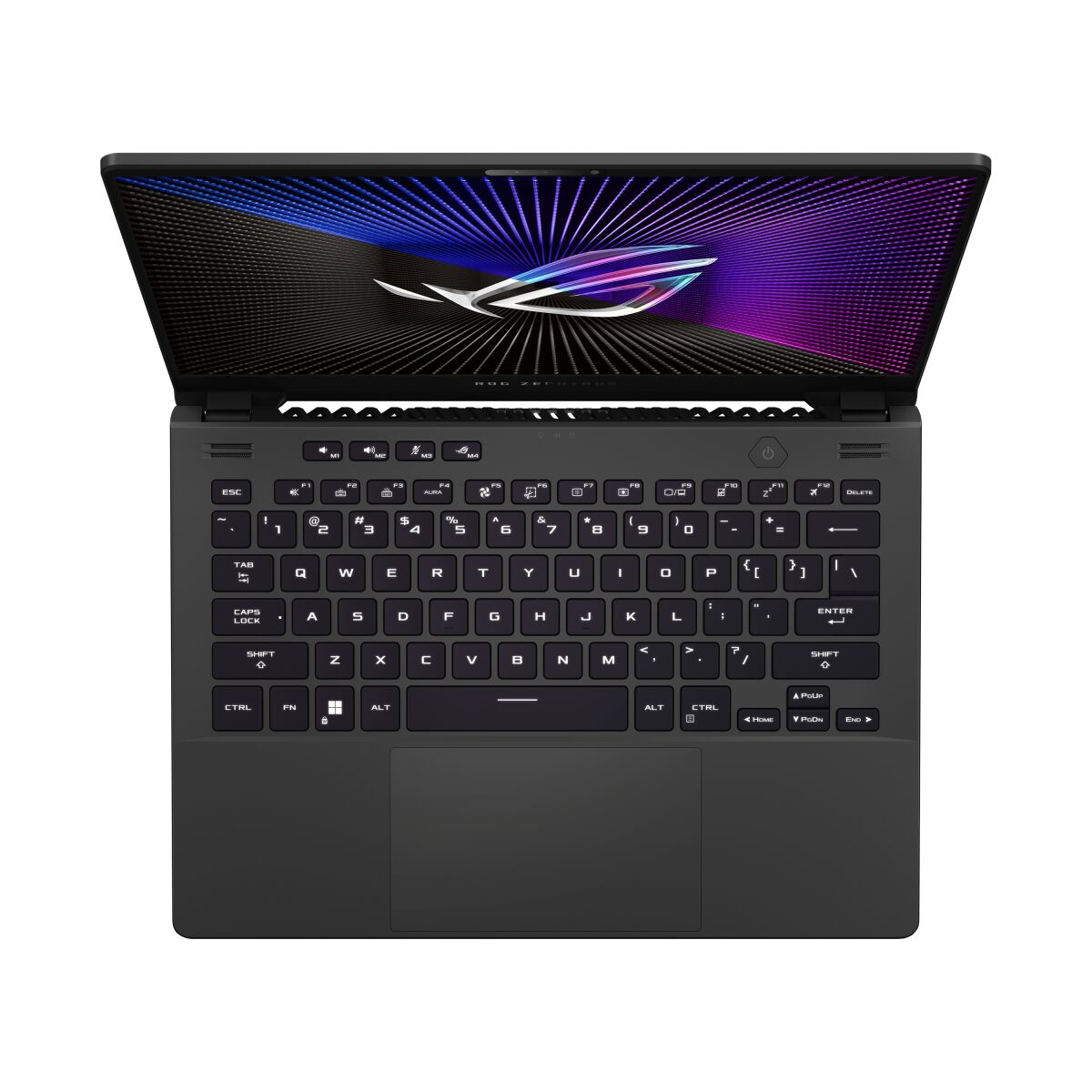

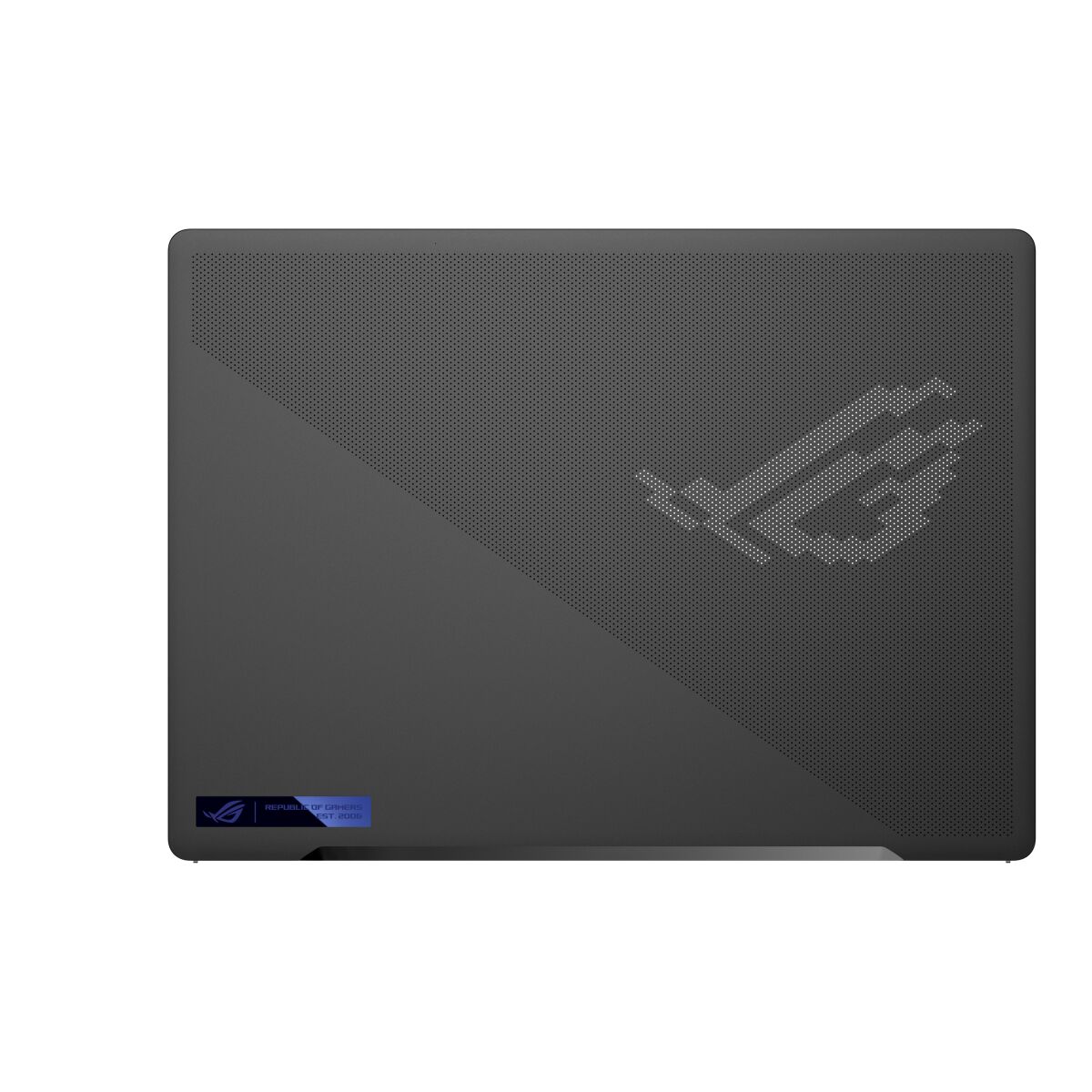
ASUS ROG Zephyrus G14 GA402RJ-L4101W features DDR5-SDRAM memory upgrade specifications. Laptop includes 1x SO-DIMM slot for expansion and maximum RAM capacity of 24 GB. Memory operates at 4800 MHz frequency. Upgrade slot accepts compatible DDR5 modules, providing memory expansion capability beyond on-board memory configuration. Specifications support DDR5-SDRAM standard for enhanced performance.
Memory Upgrade Specifications
| Specification | Value |
|---|---|
| Memory slots | 1x SO-DIMM |
| Form factor | On-board + SO-DIMM |
| Memory type | DDR5-SDRAM |
| Frequency | 4800 MHz |
| Maximum RAM | 24 GB |
| Voltage | 1.1V |
| Number of pins | 262-pin |
| Interface | PC5 |
| PC Speed Rating | PC5-4800 (PC5-38400) |
| Bandwidth | 38.4 GB/s |
| Laptop Release date | 25 March 2022 |
Additional Notes
- The ASUS ROG GA402RJ-L4101W employs a hybrid memory architecture combining soldered RAM with a single expansion slot, preventing symmetric dual-channel configurations and introducing potential performance asymmetry when mixing onboard and SO-DIMM modules.
- The 24 GB maximum capacity constraint indicates 8 GB of permanently soldered DDR5 on the motherboard, limiting the SO-DIMM slot to 16 GB modules and eliminating configurations beyond this fixed ceiling.
- DDR5-4800 represents JEDEC baseline specification rather than performance-tier memory, restricting bandwidth to 38.4 GB/s per channel compared to DDR5-5600 or faster alternatives available in the market.
- Single SO-DIMM slot architecture prevents future memory redundancy and forces complete module replacement rather than incremental capacity additions, unlike traditional dual-slot implementations.
- Mixing 4800 MHz SO-DIMM modules with potentially different onboard memory timings may trigger automatic frequency downclocking or conservative timing adjustments, reducing theoretical performance headroom.
- The onboard memory component voids traditional upgrade paths requiring complete RAM replacement, as the soldered portion remains fixed throughout the laptop's operational lifespan.
- SO-DIMM installation in this configuration requires verification that replacement modules match or exceed DDR5-4800 JEDEC specifications, as incompatible speeds could prevent POST completion or cause system instability.
- Asymmetric memory configurations resulting from pairing 8 GB onboard with 16 GB SO-DIMM create uneven channel population, where only the first 16 GB operates in dual-channel mode while excess capacity runs in reduced-bandwidth single-channel mode.
- Warranty preservation requires non-destructive SO-DIMM installation without motherboard modification, as the soldered component sits beneath factory seals that indicate tampering if disturbed.
- Thermal considerations become relevant when upgrading to maximum capacity, as DDR5 modules generate higher heat output than DDR4 predecessors, potentially impacting the single SO-DIMM slot's temperature envelope in compact chassis designs.