ASUS ROG GA402RJ-L4076W RAM upgrade specifications

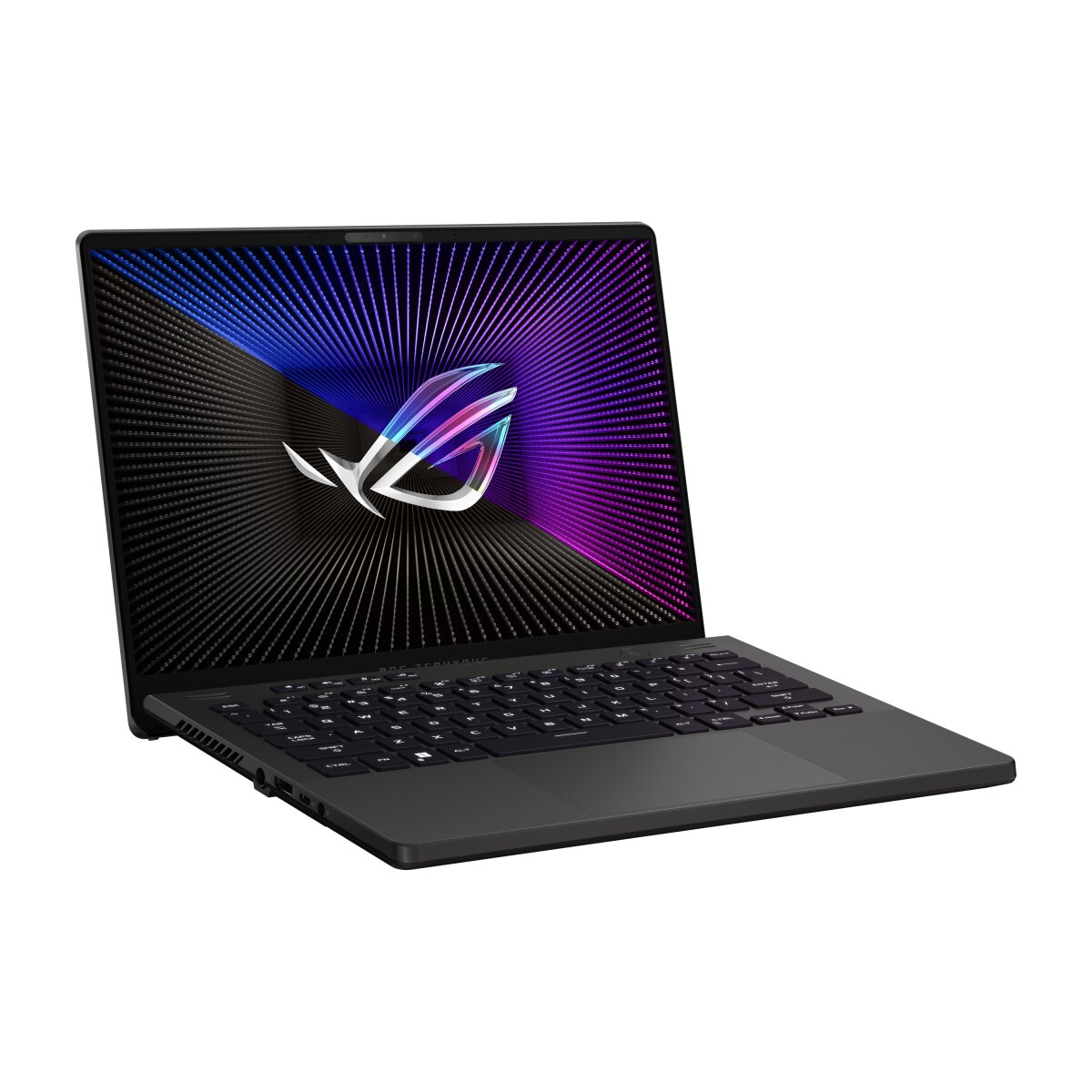



ASUS ROG Zephyrus G14 GA402RJ-L4076W RAM upgrade specifications include DDR5-SDRAM memory operating at 4800 MHz frequency. The laptop features one SO-DIMM slot for RAM expansion, with maximum compatible capacity of 24 GB. Memory configuration consists of on-board RAM combined with the single SO-DIMM slot upgrade option. Specifications enable users to upgrade existing memory modules to achieve maximum supported RAM capacity for enhanced system performance.
Memory Upgrade Specifications
| Specification | Value |
|---|---|
| Memory slots | 1x SO-DIMM |
| Form factor | On-board + SO-DIMM |
| Memory type | DDR5-SDRAM |
| Frequency | 4800 MHz |
| Maximum RAM | 24 GB |
| Voltage | 1.1V |
| Number of pins | 262-pin |
| Interface | PC5 |
| PC Speed Rating | PC5-4800 (PC5-38400) |
| Bandwidth | 38.4 GB/s |
| Laptop Release date | 19 December 2021 |
Additional Notes
- The ASUS ROG GA402RJ-L4076W features a hybrid memory architecture combining soldered RAM with a single SO-DIMM slot, limiting future expansion compared to dual-slot configurations.
- The 24 GB maximum capacity constraint indicates 8 GB of permanent soldered memory, allowing only a 16 GB SO-DIMM module as the largest compatible upgrade option.
- Mixed memory configurations will operate in asymmetric dual-channel mode, which may reduce theoretical bandwidth by up to 25% in memory-intensive applications compared to symmetric dual-channel setups.
- DDR5-4800 represents the minimum JEDEC standard speed for DDR5 technology, though modules rated for higher frequencies will downclock to match the 4800 MHz specification.
- The soldered component prevents warranty-safe removal or replacement, making the factory-installed memory a permanent baseline for the system's total capacity.
- SO-DIMM DDR5 modules require 1.1V operating voltage, which differs from DDR4's 1.2V standard and prevents backward compatibility with older memory technologies.
- Single-slot availability eliminates the possibility of installing two aftermarket modules for symmetrical dual-channel operation, forcing reliance on the factory configuration.
- Peak theoretical bandwidth reaches 38.4 GB/s per channel at 4800 MHz, though real-world performance depends on the asymmetric channel configuration and workload characteristics.
- The on-board memory component typically uses higher-quality binned chips compared to standard SO-DIMM modules, potentially creating latency mismatches when mixing different memory sources.
- Physical installation requires accessing the bottom panel and locating the single accessible RAM slot, which may involve removing cooling assemblies depending on internal layout design.