ASUS ROG GA402RJ-L4086 RAM upgrade specifications
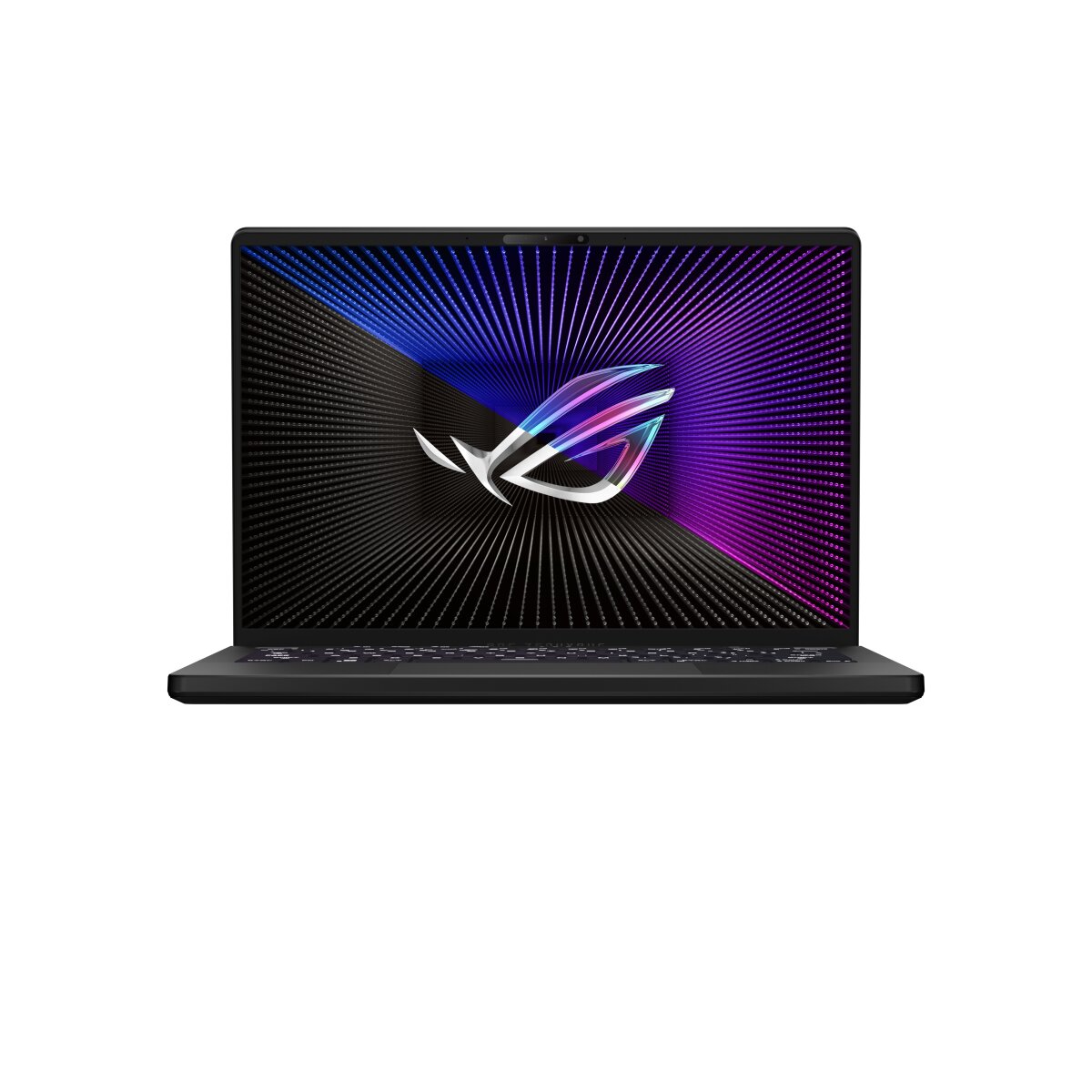
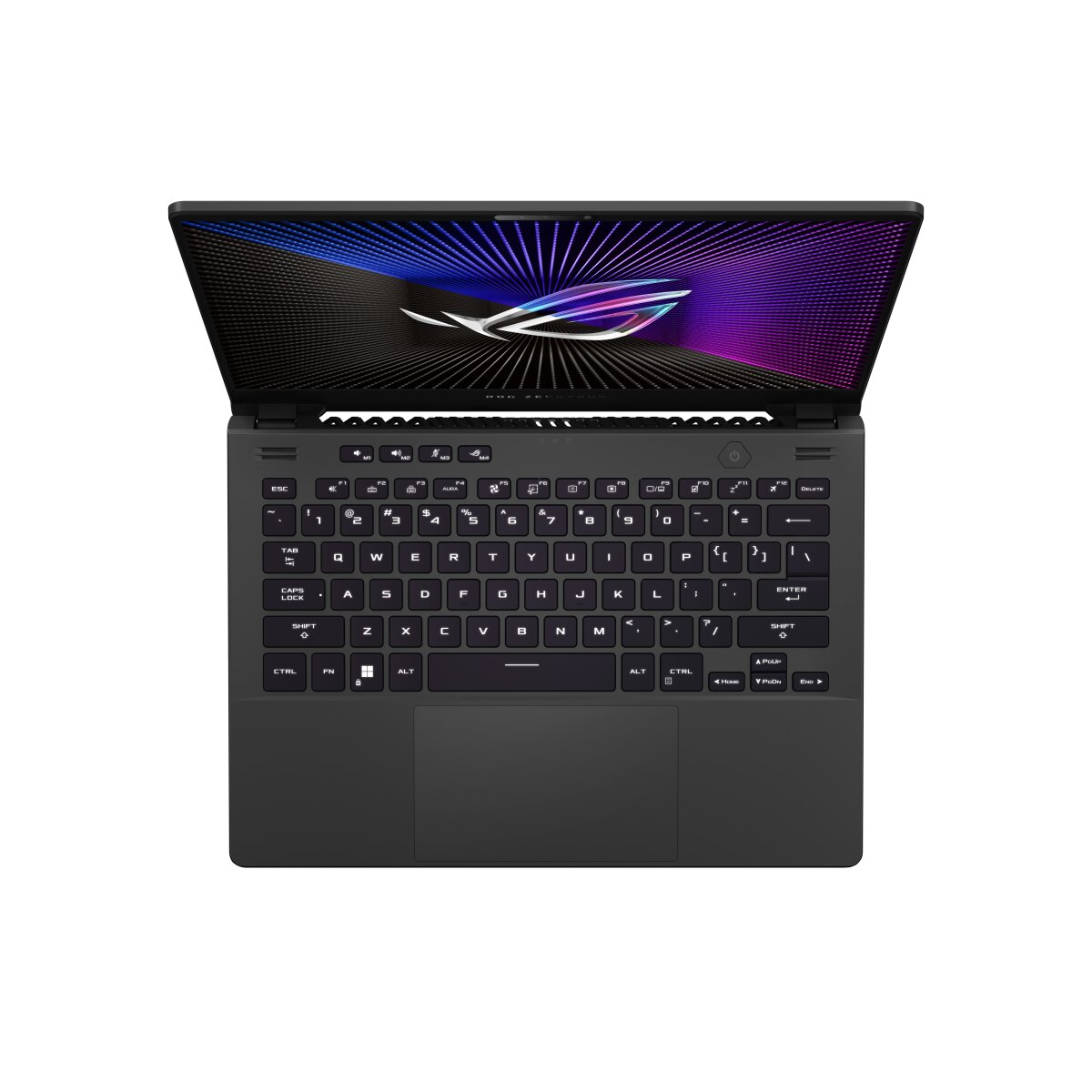
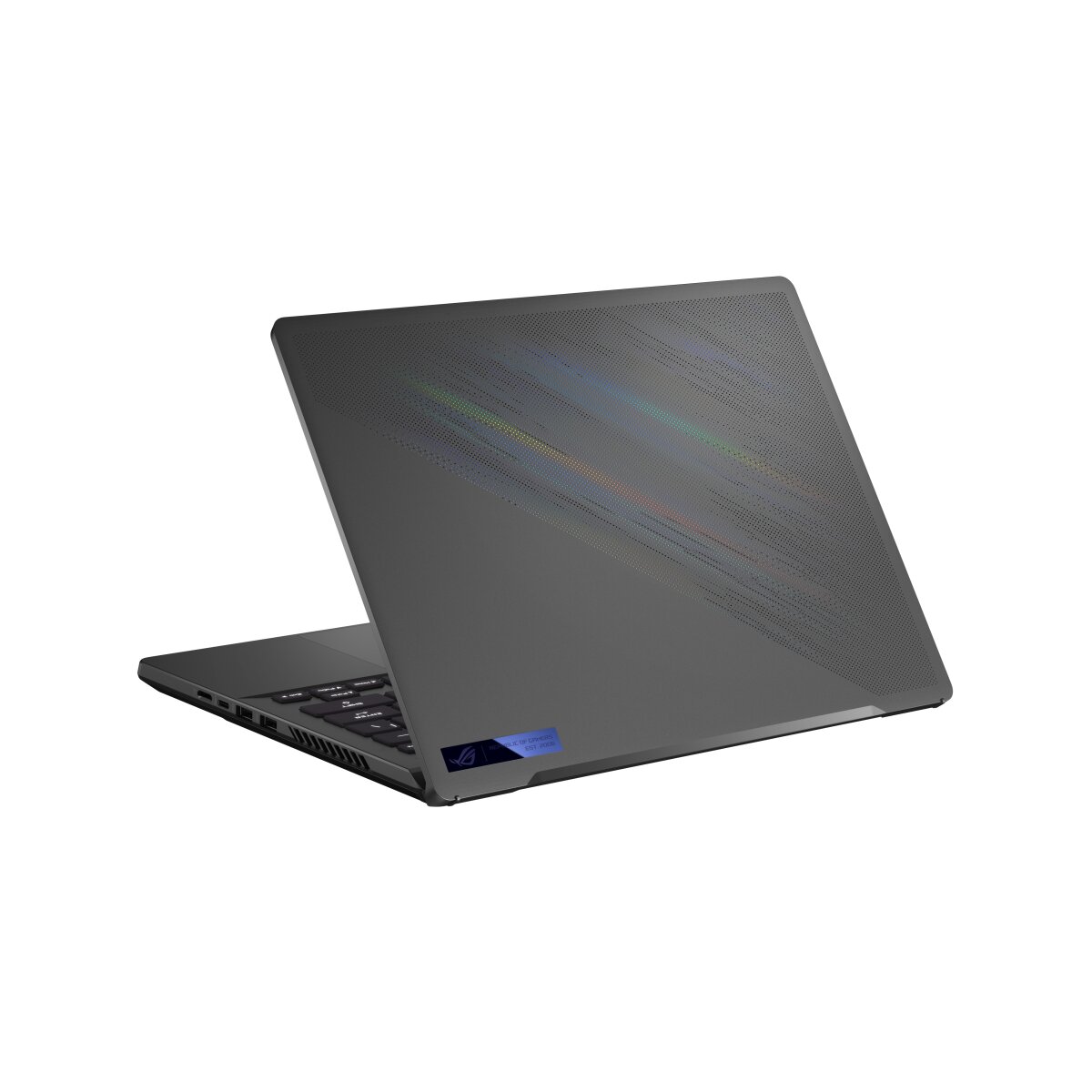
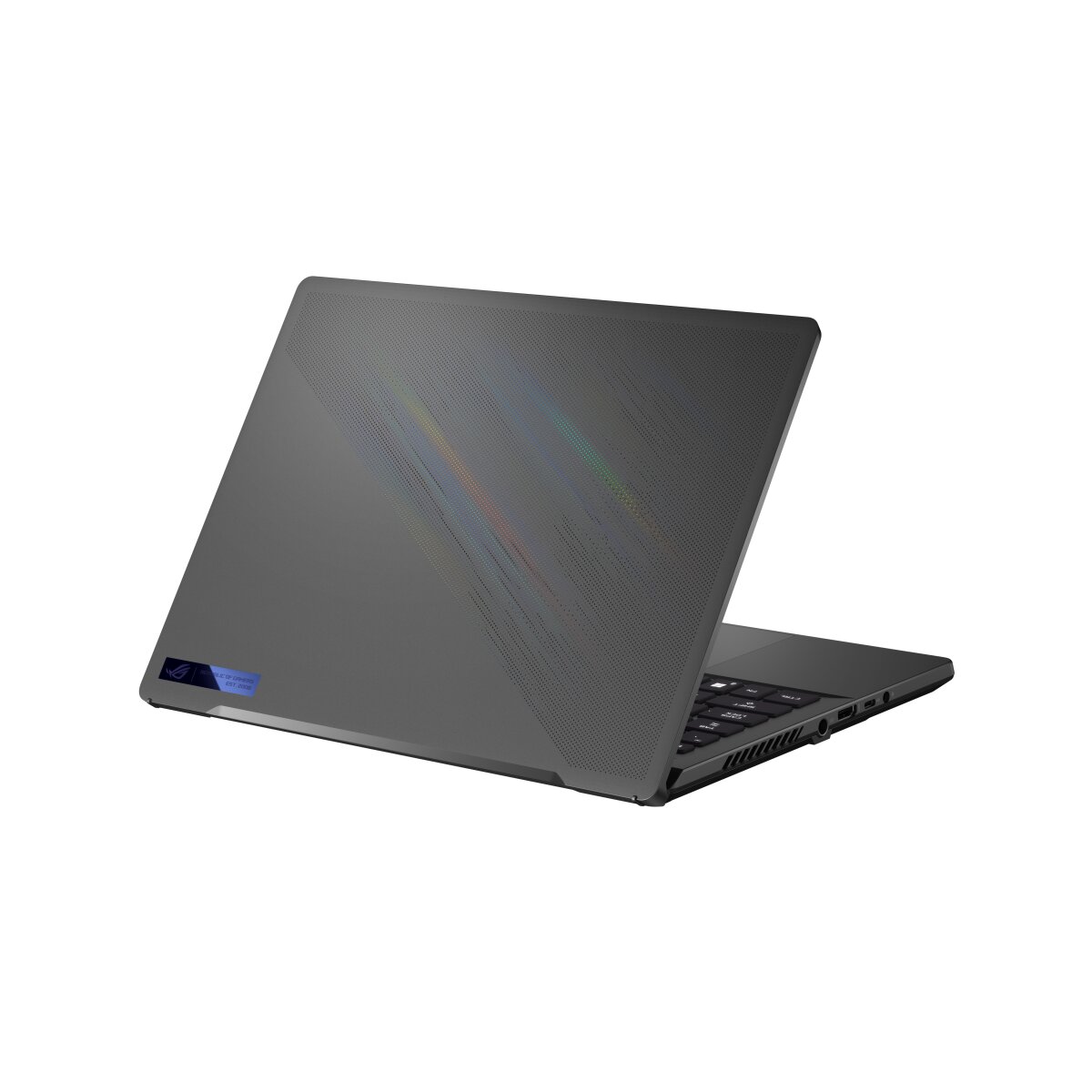
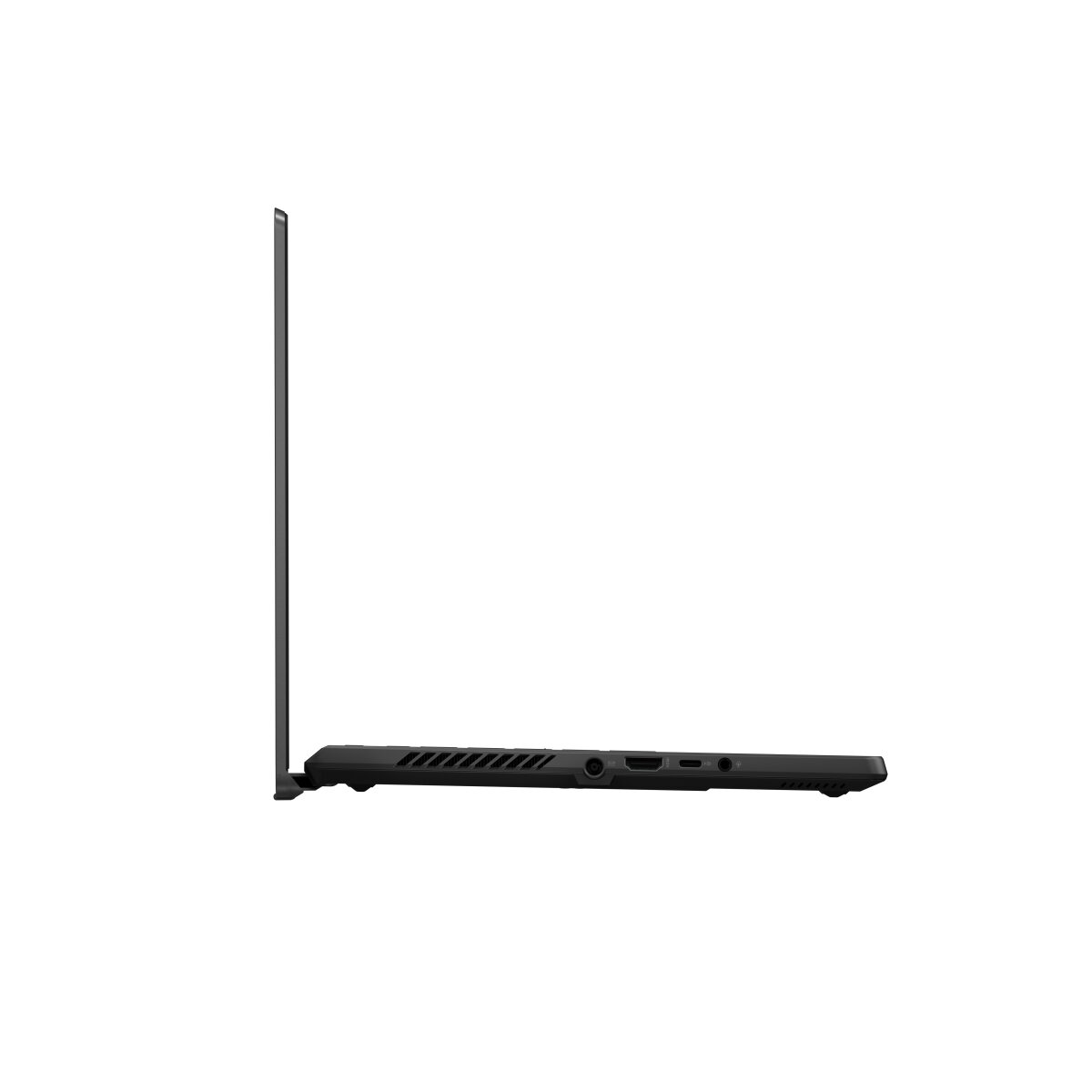
ASUS ROG Zephyrus G14 GA402RJ-L4086 laptop features DDR5-SDRAM memory upgrade specifications with one SO-DIMM slot available for expansion. Compatible RAM upgrade capacity reaches maximum 24 GB total system memory. Memory operates at 4800 MHz frequency. Upgrade slot accommodates DDR5 specifications for enhanced performance. Laptop combines on-board memory with single upgradeable SO-DIMM slot configuration.
Memory Upgrade Specifications
| Specification | Value |
|---|---|
| Memory slots | 1x SO-DIMM |
| Form factor | On-board + SO-DIMM |
| Memory type | DDR5-SDRAM |
| Frequency | 4800 MHz |
| Maximum RAM | 24 GB |
| Voltage | 1.1V |
| Number of pins | 262-pin |
| Interface | PC5 |
| PC Speed Rating | PC5-4800 (PC5-38400) |
| Bandwidth | 38.4 GB/s |
| Laptop Release date | 11 August 2022 |
Additional Notes
- The presence of a single SO-DIMM slot combined with soldered memory implies that only a portion of the system RAM is replaceable, creating a permanent hardware floor for memory capacity.
- Dual-channel memory performance on the ASUS ROG GA402RJ-L4086 depends on matching the density of the expansion module to the fixed on-board capacity, otherwise the system will operate in flex mode with reduced bandwidth across the asymmetrical portion of the RAM.
- Total memory expansion is strictly limited by the remaining addressable capacity of the processor and the pre-configured on-board chip, preventing the use of high-density 32 GB or 64 GB modules.
- The DDR5 architecture utilizes internal sub-channels which provides a performance advantage over older generations even in single-slot configurations, though peak throughput remains contingent on the 4800 MHz synchronization between the fixed and removable components.
- Physical installation of new memory does not require the removal of existing modules, but requires careful handling of the internal chassis to avoid disrupting the thermal solution often shared across the soldered memory area.
- Future-proofing is constrained by the maximum 24 GB limit, which may serve as a bottleneck for heavy workstation tasks like high-resolution video editing or complex virtual machine environments that demand larger memory pools.