ASUS ROG GA402RJ-L8159W RAM upgrade specifications

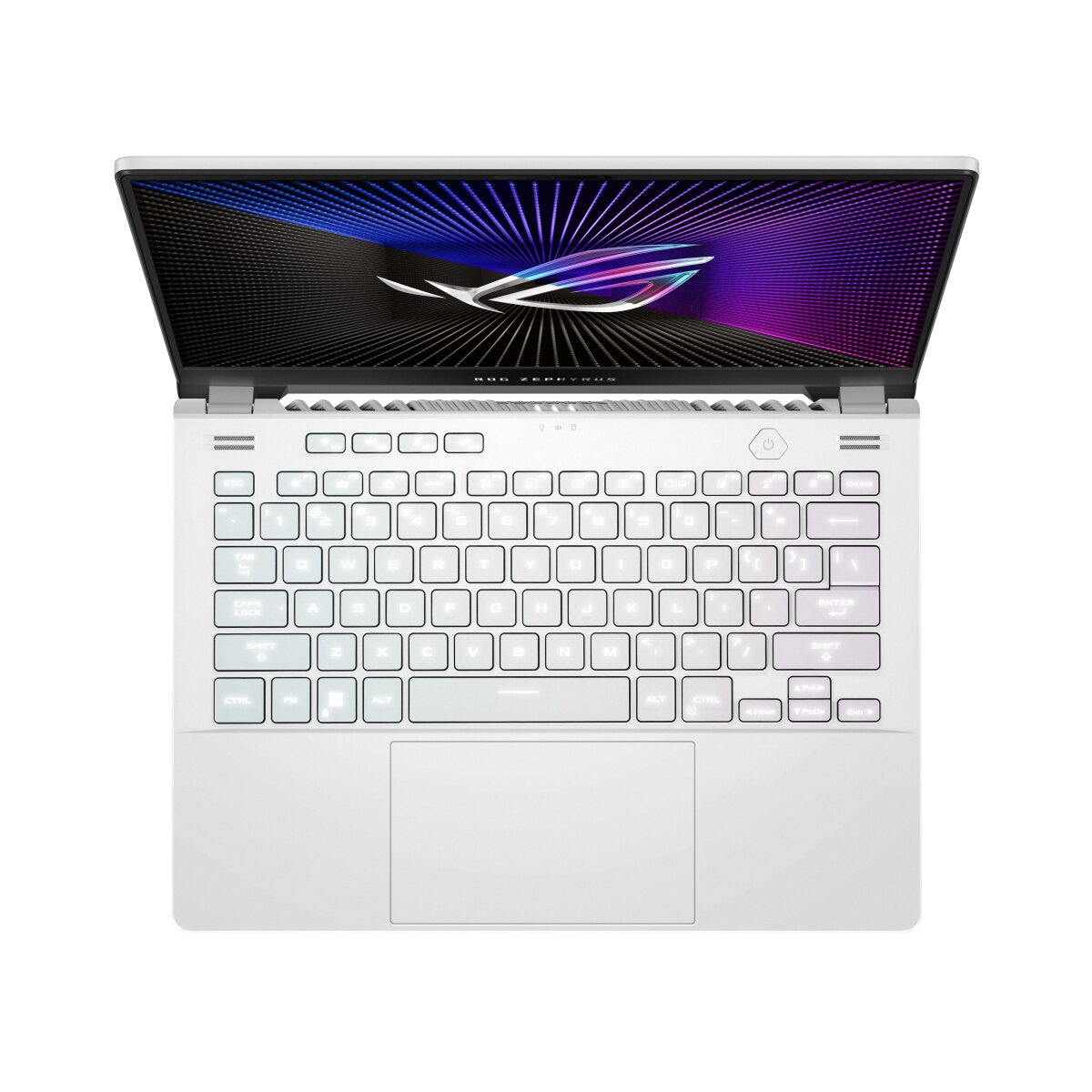



The ASUS ROG Zephyrus G14 GA402RJ-L8159W features DDR5-SDRAM memory configuration with one SO-DIMM upgrade slot available. The laptop contains on-board memory combined with one expandable SO-DIMM slot. Maximum RAM capacity reaches 24 GB through compatible upgrades. Memory operates at 3200 MHz frequency. RAM upgrade specifications indicate a single memory slot for expansion, allowing users to enhance system memory beyond factory configuration. Compatible DDR5-SDRAM modules can be installed in the available SO-DIMM slot to boost total memory capacity.
Memory Upgrade Specifications
| Specification | Value |
|---|---|
| Memory slots | 1x SO-DIMM |
| Form factor | On-board + SO-DIMM |
| Memory type | DDR5-SDRAM |
| Frequency | 3200 MHz |
| Maximum RAM | 24 GB |
| Voltage | 1.1V |
| Number of pins | 262-pin |
| Interface | PC5 |
| PC Speed Rating | PC5-3200 (PC5-25600) |
| Bandwidth | 25.6 GB/s |
| Laptop Release date | 06 April 2022 |
Additional Notes
- The ASUS ROG GA402RJ-L8159W features 8 GB of soldered memory on the motherboard, limiting total system memory to 24 GB when combined with a 16 GB SO-DIMM module.
- Exceeding the 24 GB threshold may trigger POST failures or force the system to operate in single-channel mode, negating dual-channel bandwidth advantages.
- Mismatched capacity configurations between the soldered module and the SO-DIMM slot will activate asymmetric dual-channel mode, reducing memory bandwidth in workloads exceeding the smaller module's capacity.
- DDR5-4800 or DDR5-5600 modules will downclock to 3200 MHz due to motherboard chipset limitations, eliminating any speed benefit from higher-specification memory.
- The single accessible SO-DIMM slot requires full system disassembly and bottom panel removal, typically voiding regional warranty seals in markets with tamper-evident service policies.
- Non-standard memory module heights exceeding 30 mm may interfere with chassis clearance near the cooling assembly, preventing proper panel closure.
- Incorrect voltage specification modules (1.25V instead of standard 1.1V DDR5) will either fail to initialize or reduce stability under sustained memory-intensive operations.
- The soldered memory component cannot be replaced without board-level rework, making the 8 GB base allocation a permanent performance floor for the system's lifespan.
- Dual-rank SO-DIMM modules may introduce compatibility issues with certain AMD Ryzen mobile platforms, requiring BIOS updates to maintain stability at rated speeds.
- Temperature-sensitive workloads will see throttling at sustained memory bandwidth saturation due to shared thermal dissipation zones between the SO-DIMM slot and adjacent M.2 SSD bay.