ASUS ROG GA402RK-L8032W-BE RAM upgrade specifications
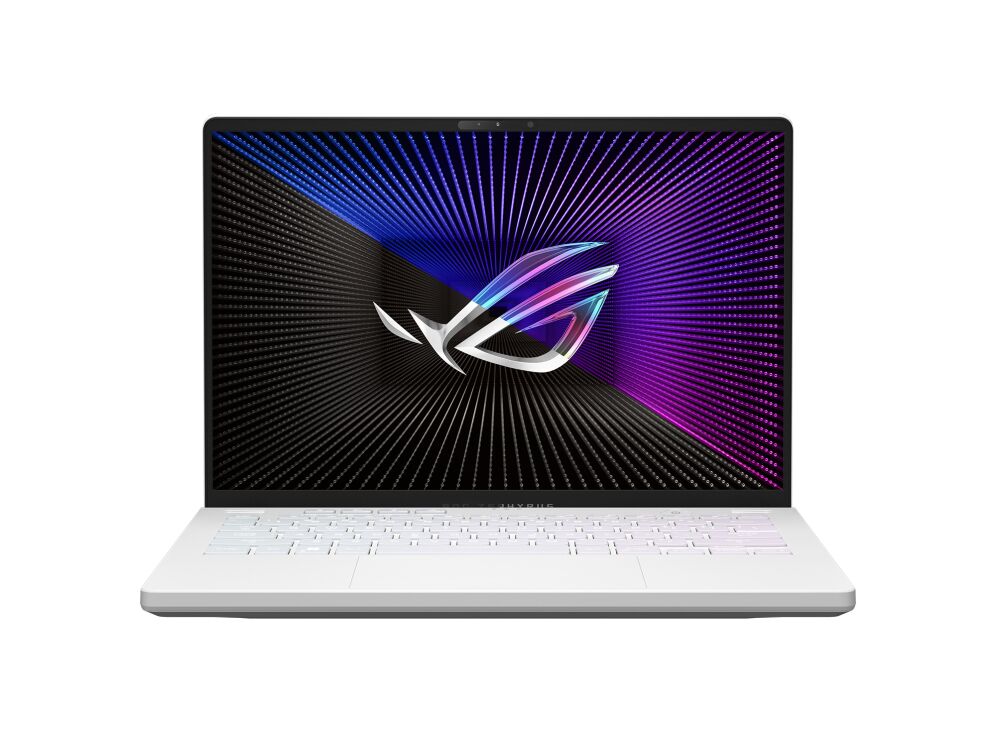
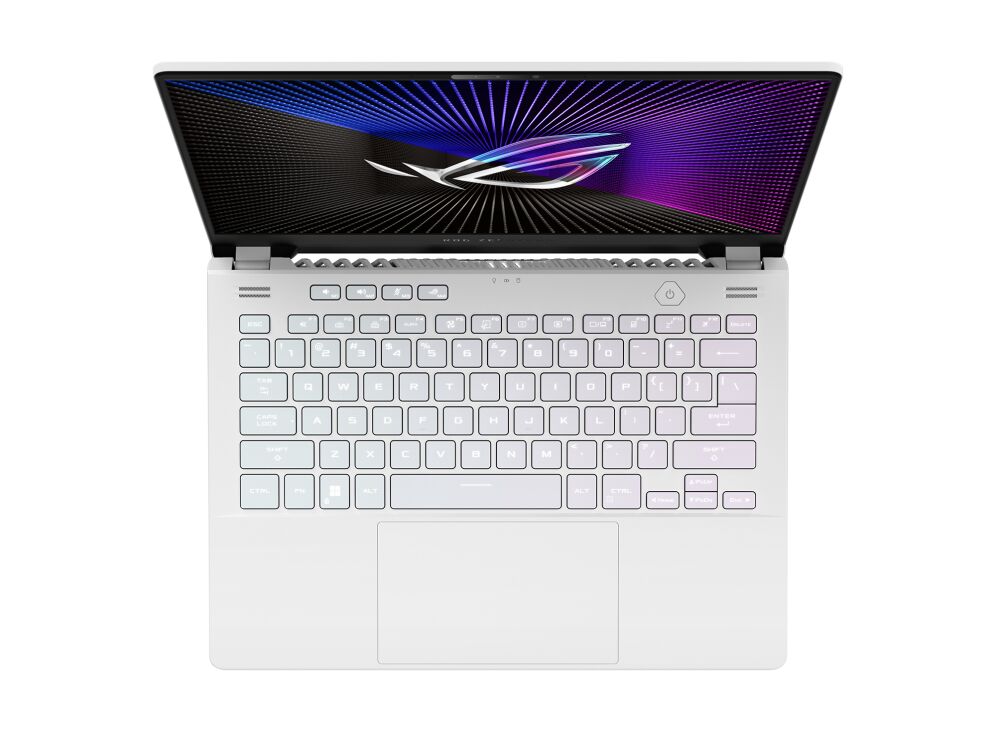
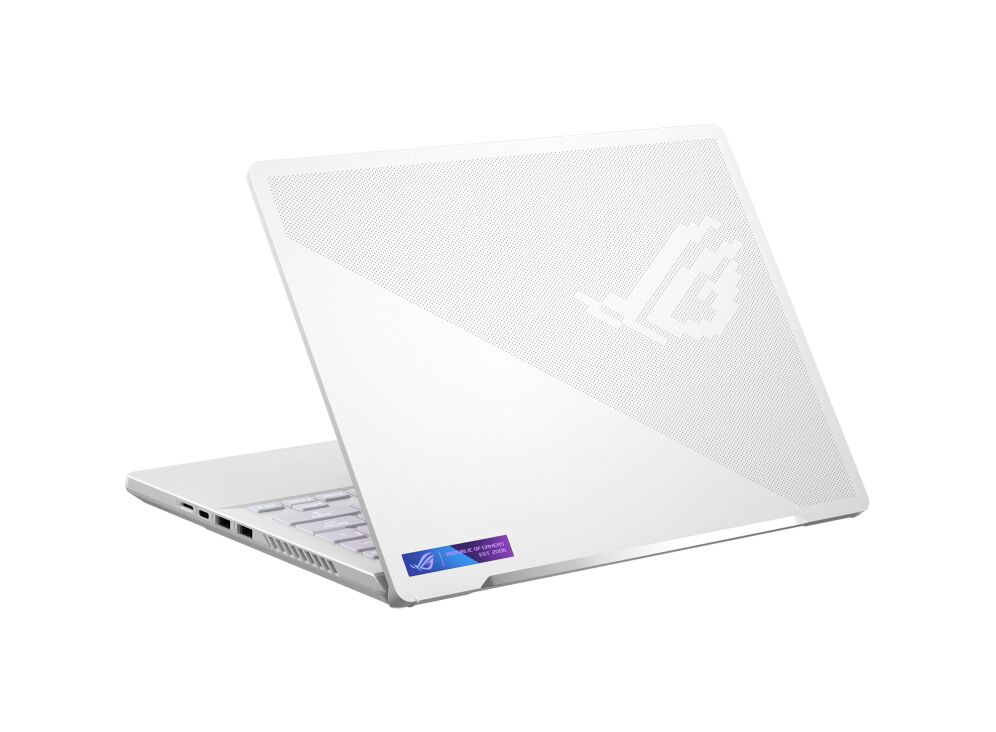
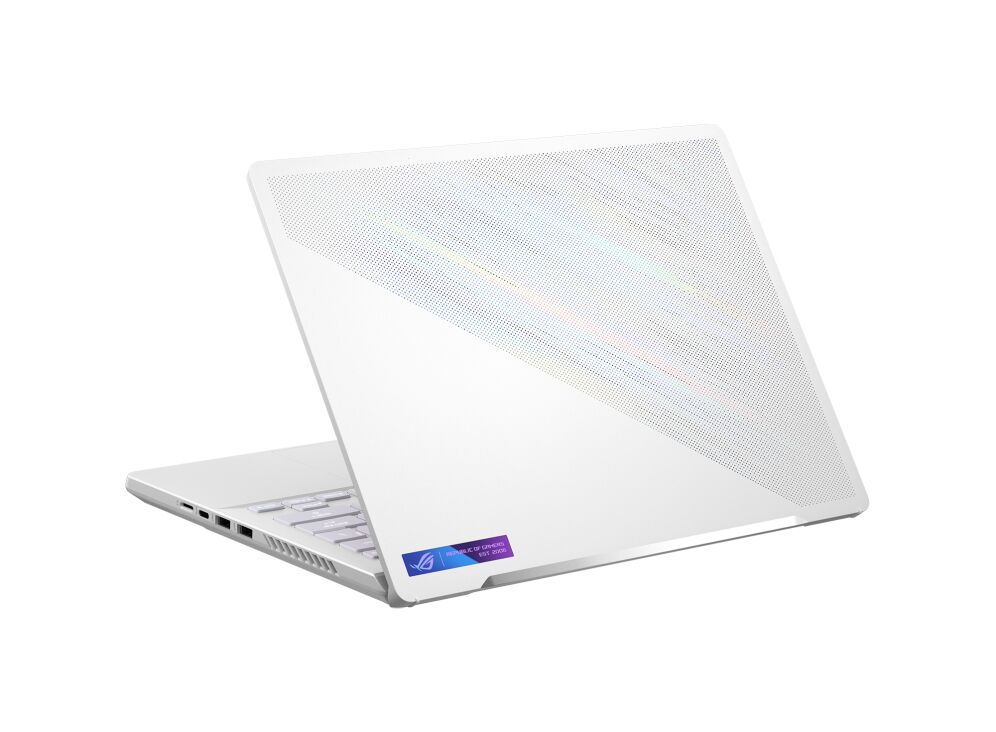
The ASUS ROG Zephyrus G14 GA402RK-L8032W-BE features DDR5-SDRAM memory with upgrade capacity. The laptop contains one SO-DIMM slot for memory expansion, supporting a maximum of 32 GB total RAM capacity. Compatible DDR5 modules operate at 4800 MHz frequency. The memory configuration utilizes on-board memory combined with the expandable SO-DIMM slot, allowing users to upgrade the base memory specifications. Replacement and additional memory modules must meet DDR5 compatibility standards for proper functionality with this gaming laptop model.
Memory Upgrade Specifications
| Specification | Value |
|---|---|
| Memory slots | 1x SO-DIMM |
| Form factor | On-board + SO-DIMM |
| Memory type | DDR5-SDRAM |
| Frequency | 4800 MHz |
| Maximum RAM | 32 GB |
| Voltage | 1.1V |
| Number of pins | 262-pin |
| Interface | PC5 |
| PC Speed Rating | PC5-4800 (PC5-38400) |
| Bandwidth | 38.4 GB/s |
| Laptop Release date | 10 January 2022 |
Additional Notes
- The ASUS ROG GA402RK-L8032W-BE contains soldered memory on the motherboard, leaving only 1 SO-DIMM slot available for user upgrades. This architectural constraint means maximum expandable capacity reaches 32 GB total, not 32 GB additional.
- DDR5-4800 memory operates at significantly higher latency overhead compared to DDR4 alternatives. Bandwidth utilization depends heavily on workload patterns; gaming and content creation may not saturate the full 4800 MHz capability, whereas data-intensive applications benefit more substantially from the higher transfer rate.
- SO-DIMM memory carries tighter spatial tolerances than full-size DIMM modules. Installation in confined laptop chassis may require removal of thermal components or keyboard assemblies, adding complexity beyond standard desktop memory swaps. Professional service intervention may void certain warranty provisions depending on ASUS support policies.
- Mixing soldered and modular memory creates asymmetrical performance characteristics. The onboard portion operates on independent timing parameters that cannot be adjusted by the replaceable module, potentially creating latency imbalances during simultaneous memory access patterns.
- DDR5-4800 SO-DIMM modules remain scarce in consumer markets relative to DDR4 equivalents. Pricing premiums and limited model availability restrict upgrade options compared to mainstream memory ecosystems, extending procurement timelines and increasing cost per gigabyte.