ASUS ROG GA402RK-L8091W-BE RAM upgrade specifications
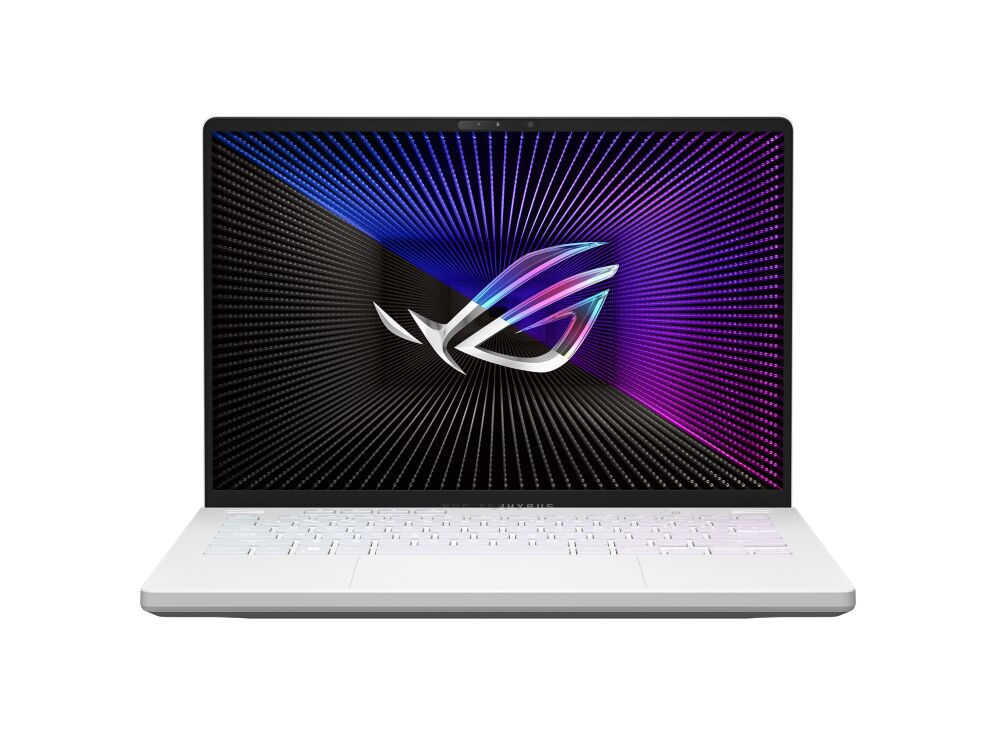
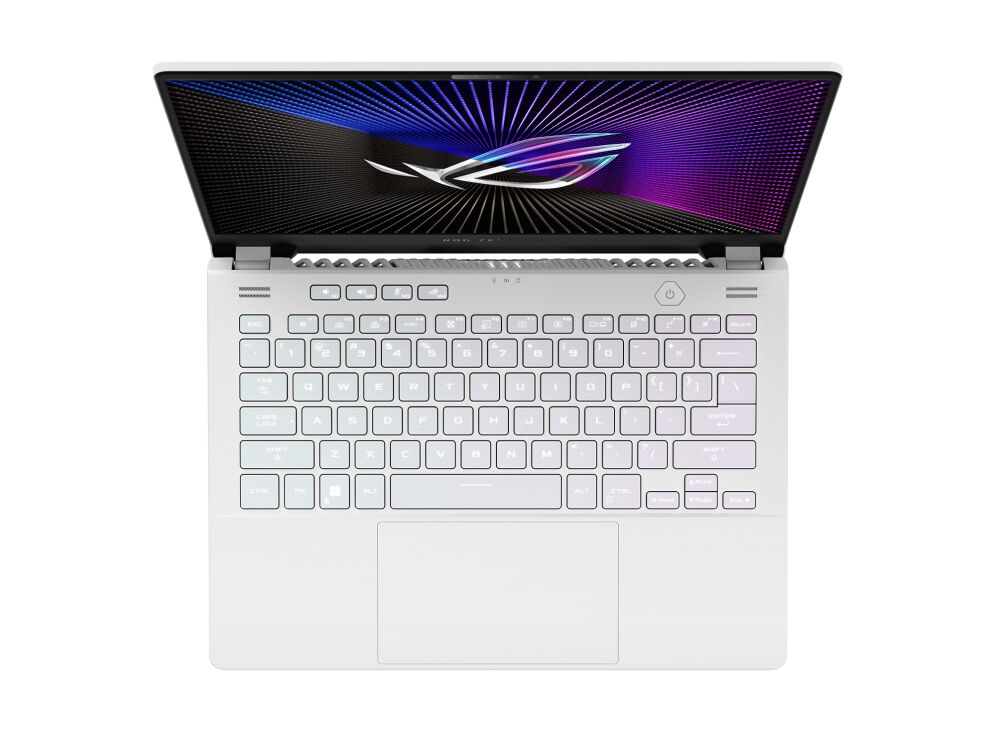
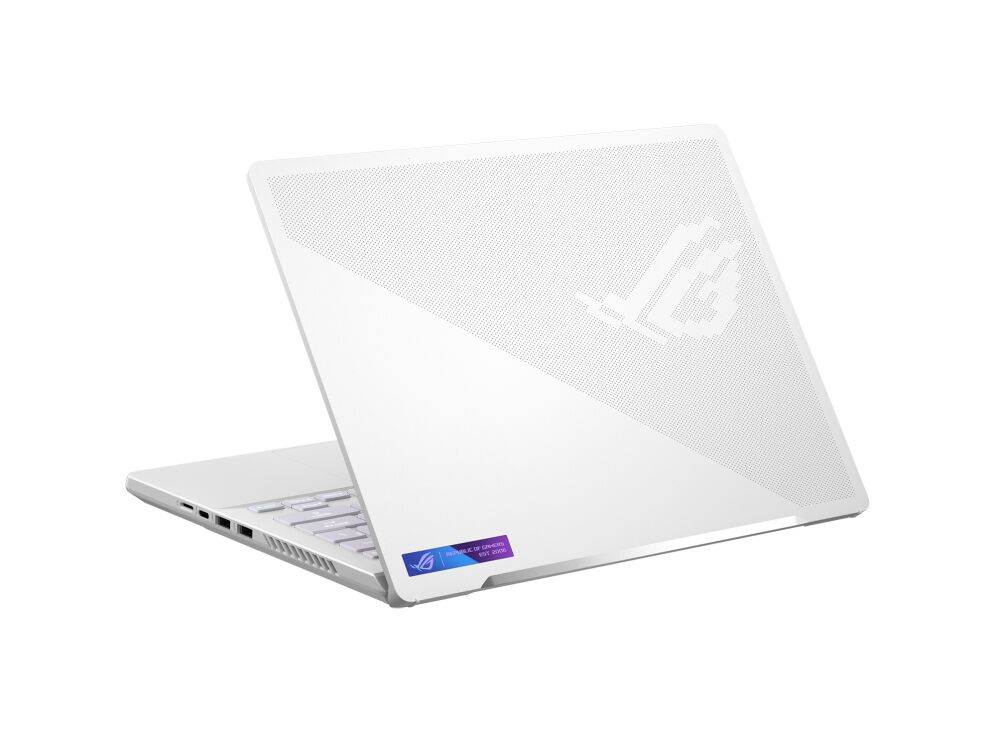
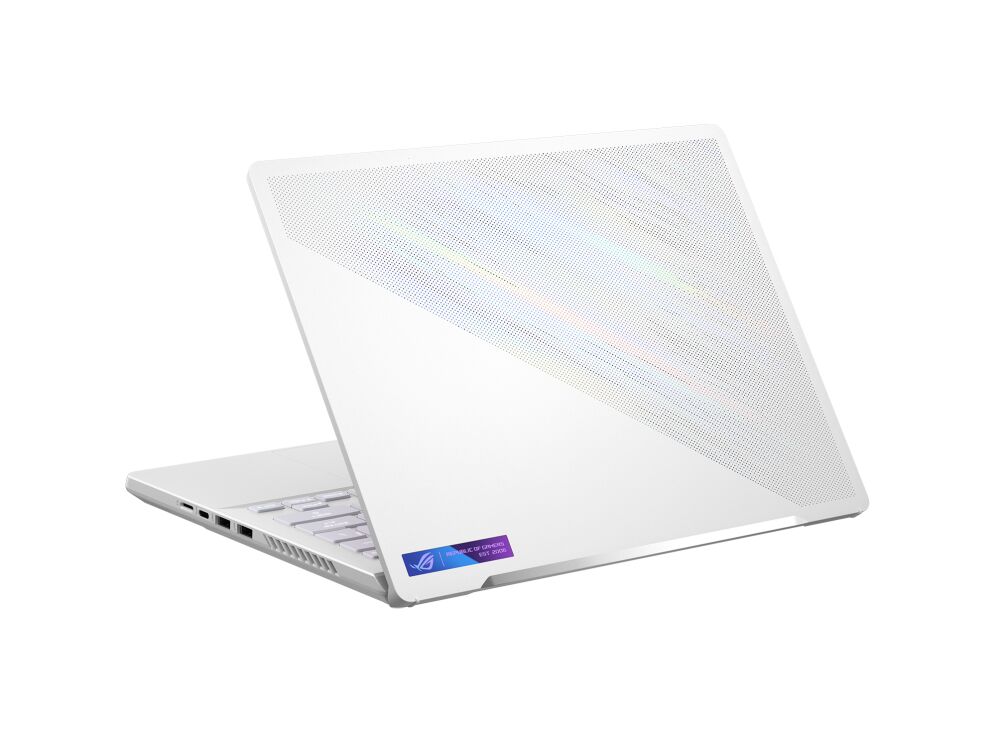
The ASUS ROG Zephyrus G14 GA402RK-L8091W-BE features DDR5-SDRAM memory with one SO-DIMM slot for upgrade purposes. The laptop is compatible with memory modules operating at 4800 MHz frequency. Maximum RAM capacity reaches 32 GB through the expansion slot, supplemented by on-board memory. Specifications indicate single-channel upgrade capability via SO-DIMM form factor, enabling users to expand the system's memory configuration beyond factory specifications.
Memory Upgrade Specifications
| Specification | Value |
|---|---|
| Memory slots | 1x SO-DIMM |
| Form factor | On-board + SO-DIMM |
| Memory type | DDR5-SDRAM |
| Frequency | 4800 MHz |
| Maximum RAM | 32 GB |
| Voltage | 1.1V |
| Number of pins | 262-pin |
| Interface | PC5 |
| PC Speed Rating | PC5-4800 (PC5-38400) |
| Bandwidth | 38.4 GB/s |
| Laptop Release date | 10 January 2022 |
Additional Notes
- The ASUS ROG GA402RK-L8091W-BE contains soldered memory on the motherboard, with only 1 expandable SO-DIMM slot, limiting total capacity growth to 32 GB regardless of future DDR5 density increases.
- Mismatched DDR5 frequencies between onboard and SO-DIMM modules force the system to operate at the slower module's speed, reducing bandwidth efficiency if a lower-rated module is installed.
- SO-DIMM form factor requires disassembly of the chassis base to access the single memory slot, creating mechanical intervention requirements for any upgrade work.
- The 32 GB ceiling leaves minimal headroom for workloads exceeding 24 GB sustained memory pressure, as system overhead typically consumes 2-4 GB on Ryzen-based platforms.
- DDR5-4800 MHz operation demands strict module certification; non-validated third-party SO-DIMM units may trigger system instability or fail to initialize despite technical compatibility with the DDR5 standard.
- Hybrid memory architecture (soldered plus expandable) prevents complete memory replacement strategies; malfunction of onboard memory renders the entire system non-functional without factory repair.
- Single-slot expansion eliminates dual-channel configuration benefits for the added module, causing latency penalties compared to dual-module setups that provide interleaved memory access patterns.