ASUS ROG GA402RK-XS96-WH RAM upgrade specifications
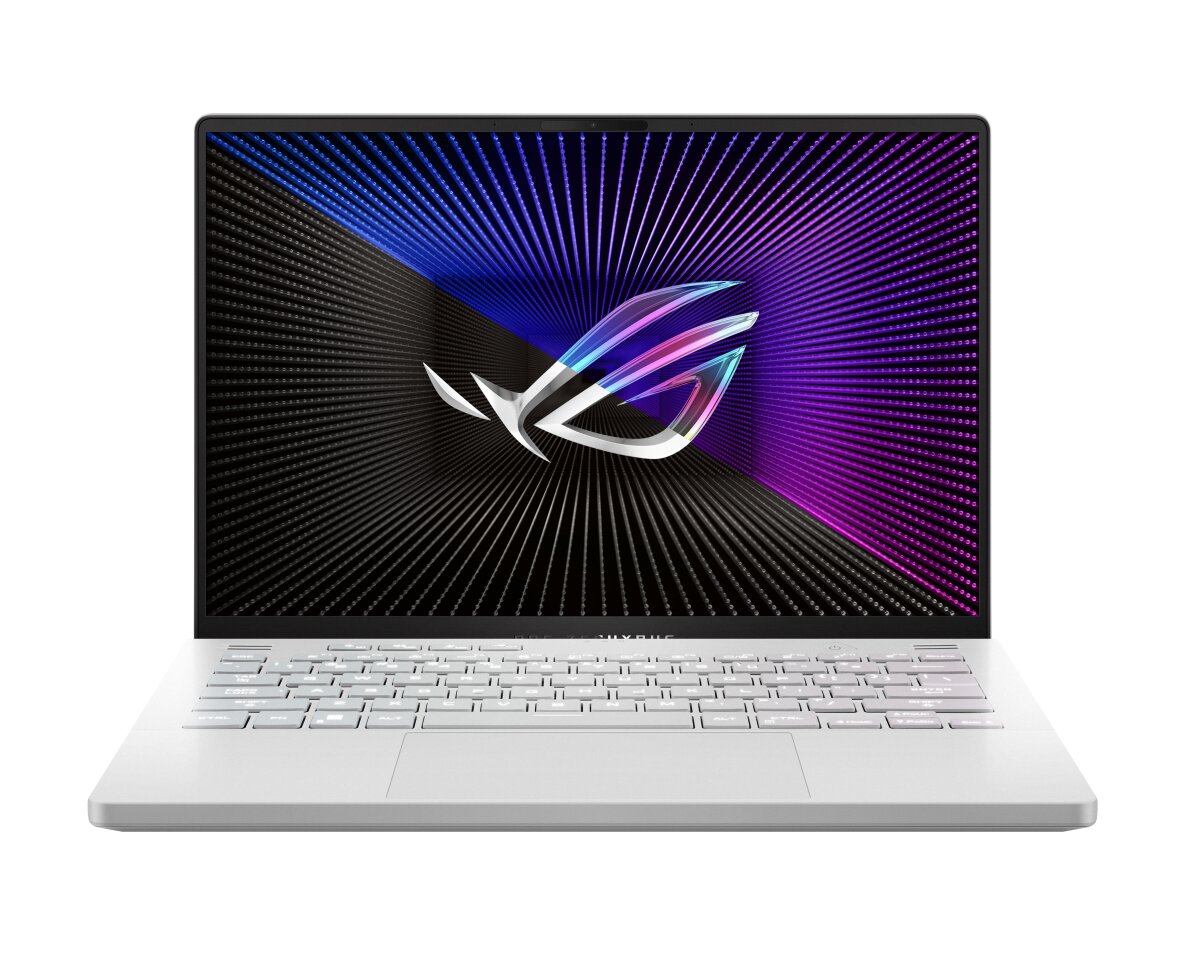
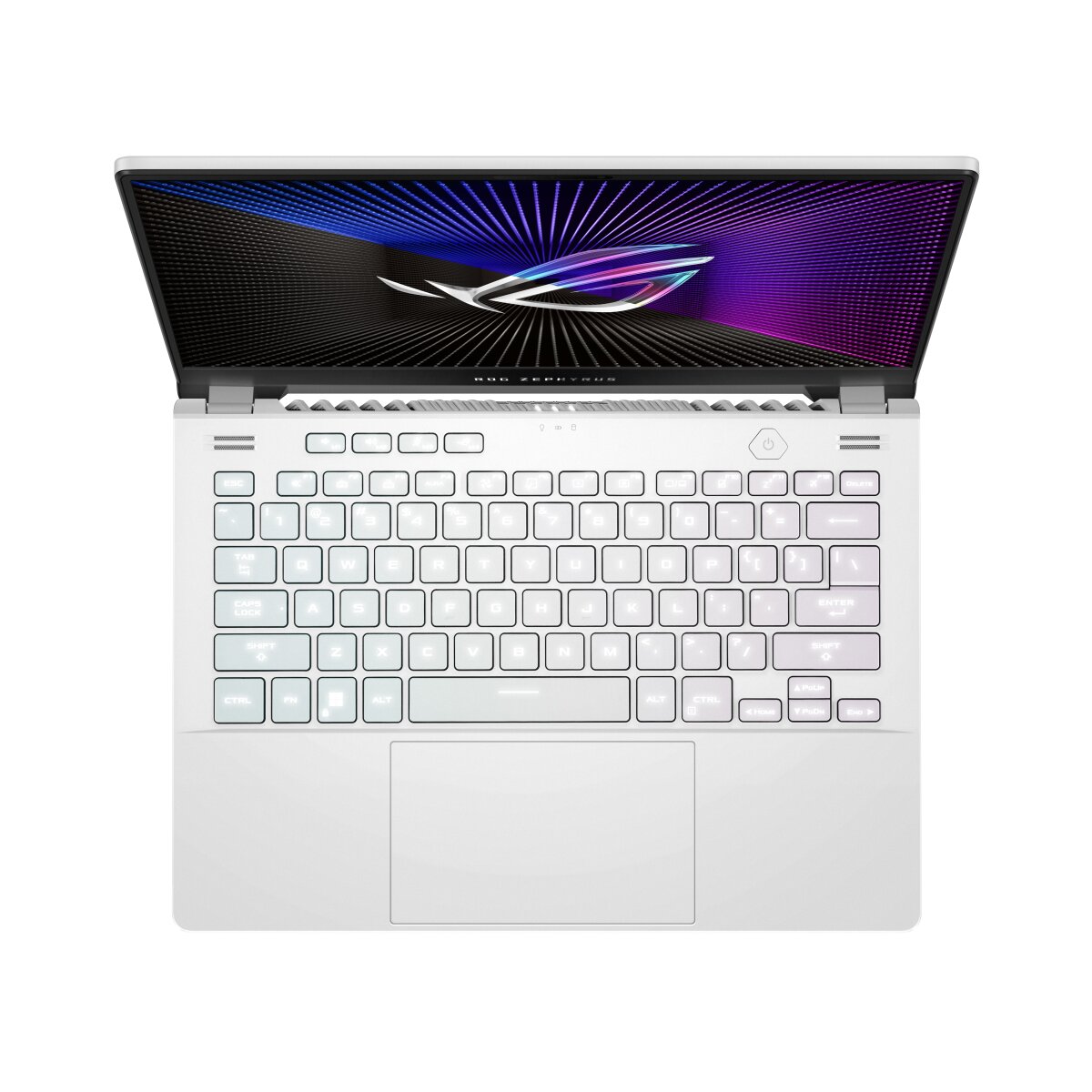
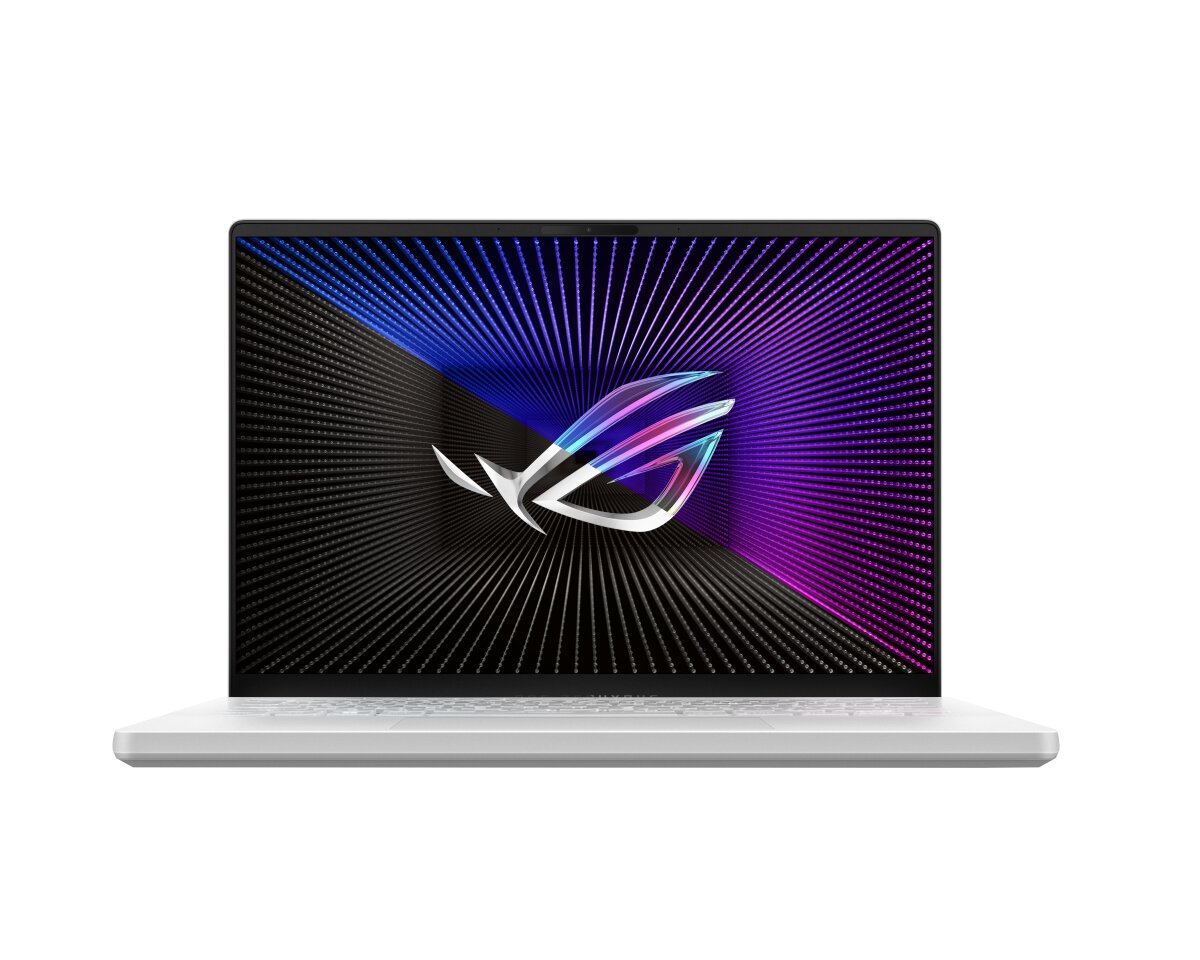
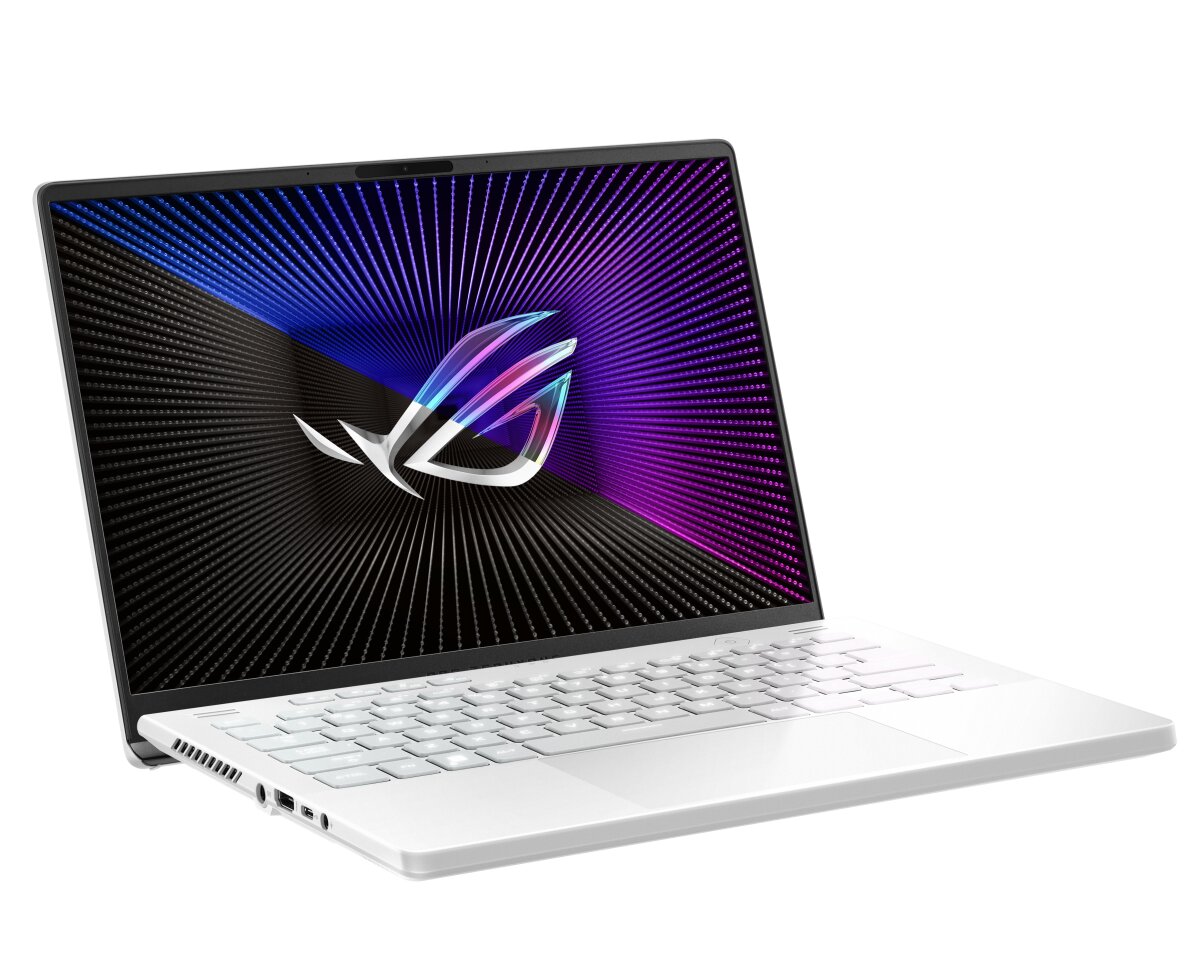
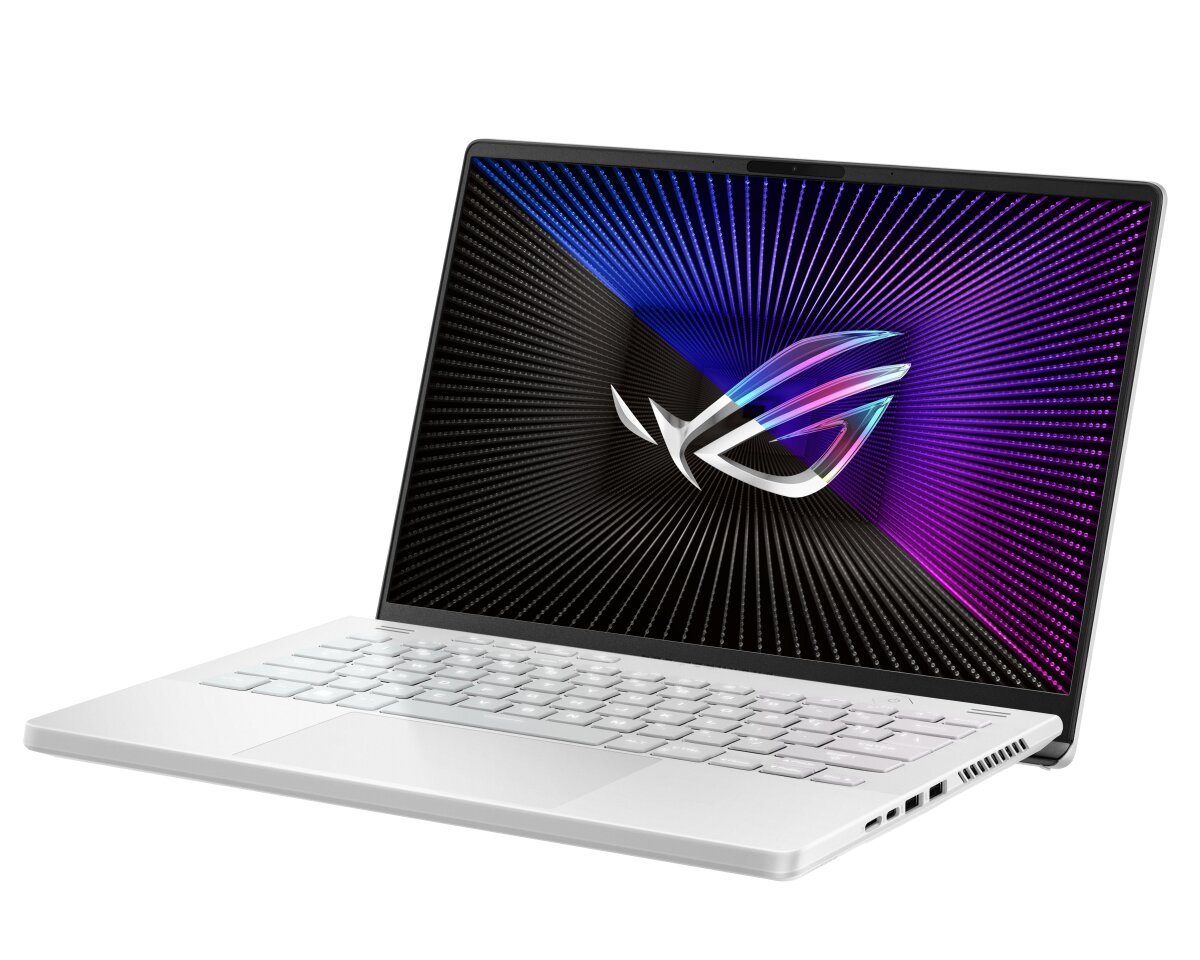
The ASUS ROG Zephyrus G14 GA402RK-XS96-WH supports DDR5-SDRAM memory upgrades with a maximum capacity of 32 GB. The laptop features one SO-DIMM slot for memory expansion, compatible with DDR5-4800 MHz specifications. The memory configuration includes on-board RAM plus one upgradeable SO-DIMM slot, allowing users to expand the total system memory up to the maximum supported capacity of 32 GB for enhanced multitasking and performance capabilities.
Memory Upgrade Specifications
| Specification | Value |
|---|---|
| Memory slots | 1x SO-DIMM |
| Form factor | On-board + SO-DIMM |
| Memory type | DDR5-SDRAM |
| Frequency | 4800 MHz |
| Maximum RAM | 32 GB |
| Voltage | 1.1V |
| Number of pins | 262-pin |
| Interface | PC5 |
| PC Speed Rating | PC5-4800 (PC5-38400) |
| Bandwidth | 38.4 GB/s |
| Laptop Release date | 03 March 2023 |
Additional Notes
- The ASUS ROG GA402RK-XS96-WH contains soldered on-board memory paired with a single upgradeable SO-DIMM slot, creating an asymmetrical configuration that limits effective dual-channel bandwidth utilization when a single module is installed.
- DDR5-4800 MHz operation requires BIOS validation against the installed module's JEDEC profile; third-party modules not certified for this system may default to lower frequencies, reducing memory throughput by 15-20 percent.
- The 32 GB ceiling is dictated by SO-DIMM physical constraints and platform firmware, making this the final RAM upgrade path with no further expansion options available.
- SO-DIMM installation in ultrabook form factors demands careful alignment to avoid contact pin damage; warranty coverage typically excludes force-induced failures during user installation.
- On-board memory cannot be replaced or removed, locking a portion of the system's total capacity into the factory configuration regardless of future upgrade preferences.
- Adding a 32 GB SO-DIMM module would create a mixed-capacity scenario (on-board + 32 GB) where memory interleaving behavior depends on firmware implementation and may not optimize both modules equally.
- DDR5 module compatibility extends beyond frequency matching; voltage regulation and thermal behavior of newer-generation SO-DIMM modules may differ from design assumptions, requiring module validation before deployment.