ASUS ROG GA402XI-N2020W RAM upgrade specifications
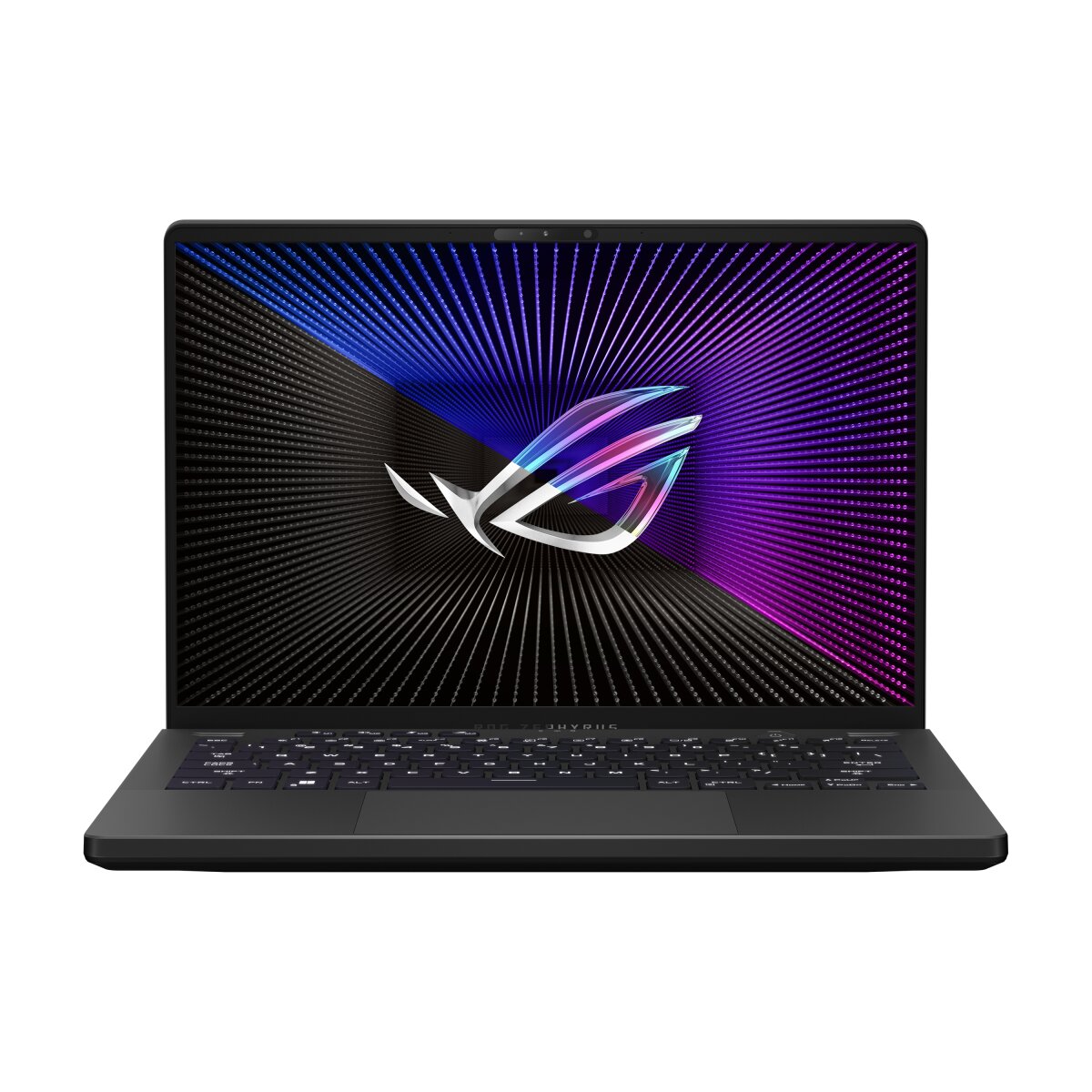
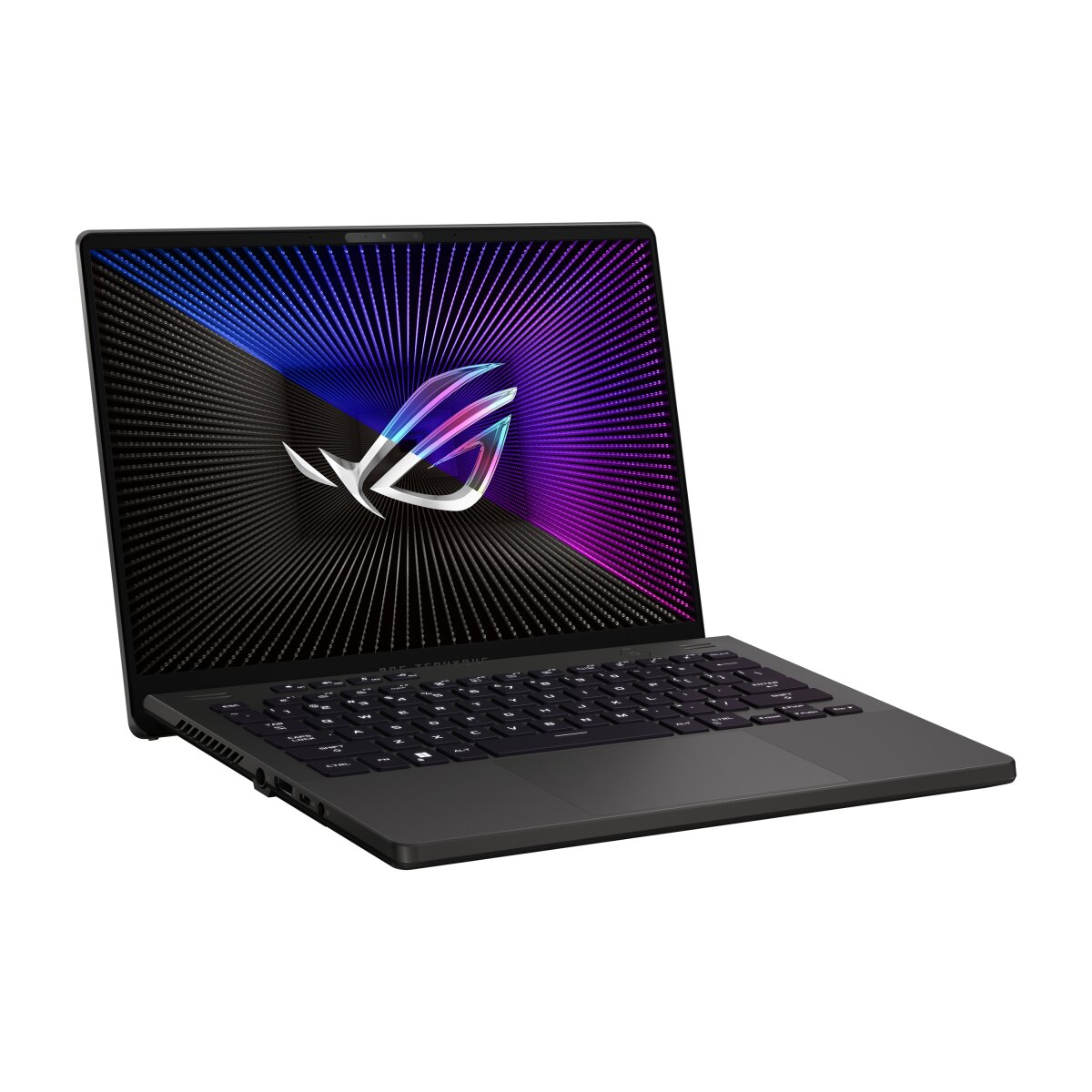
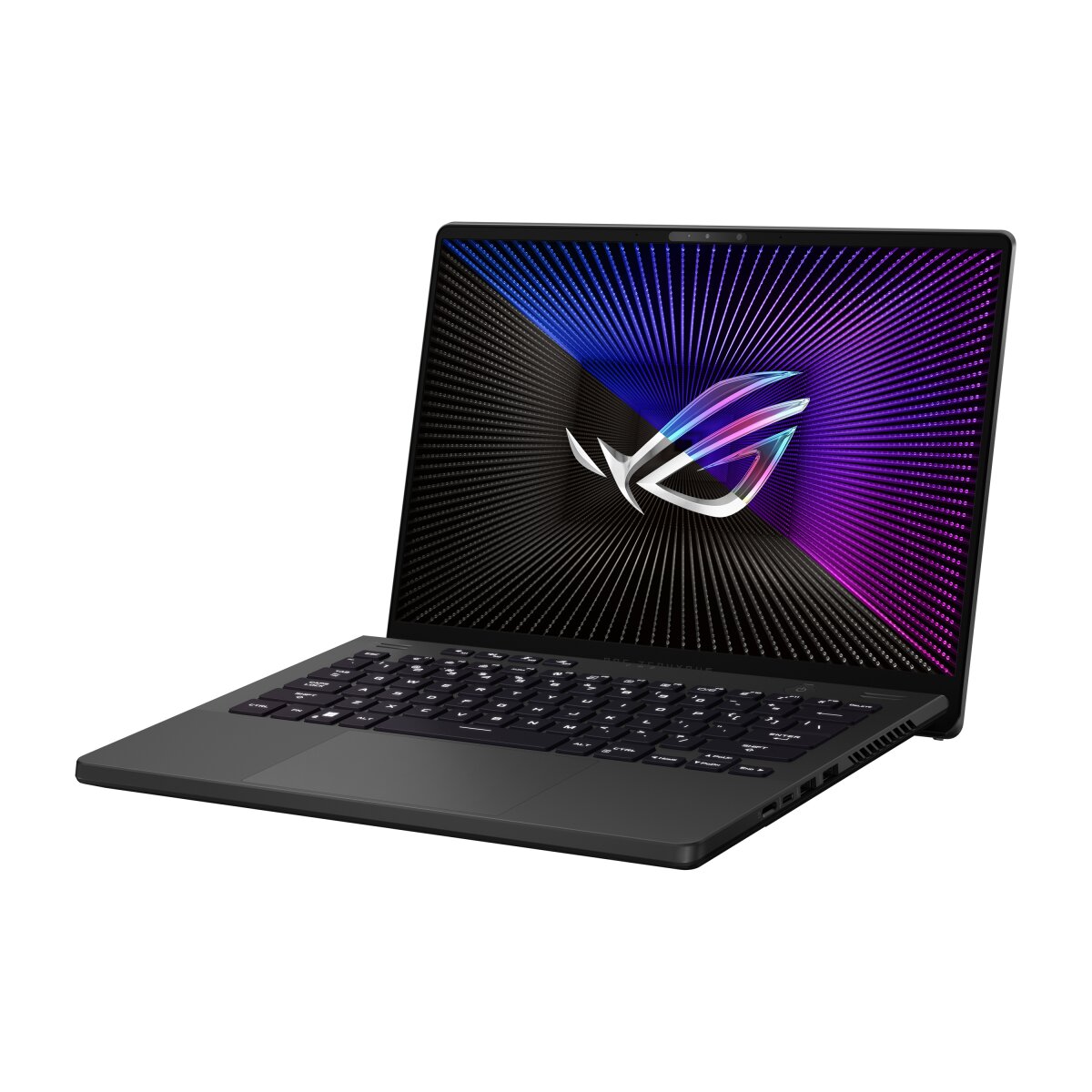
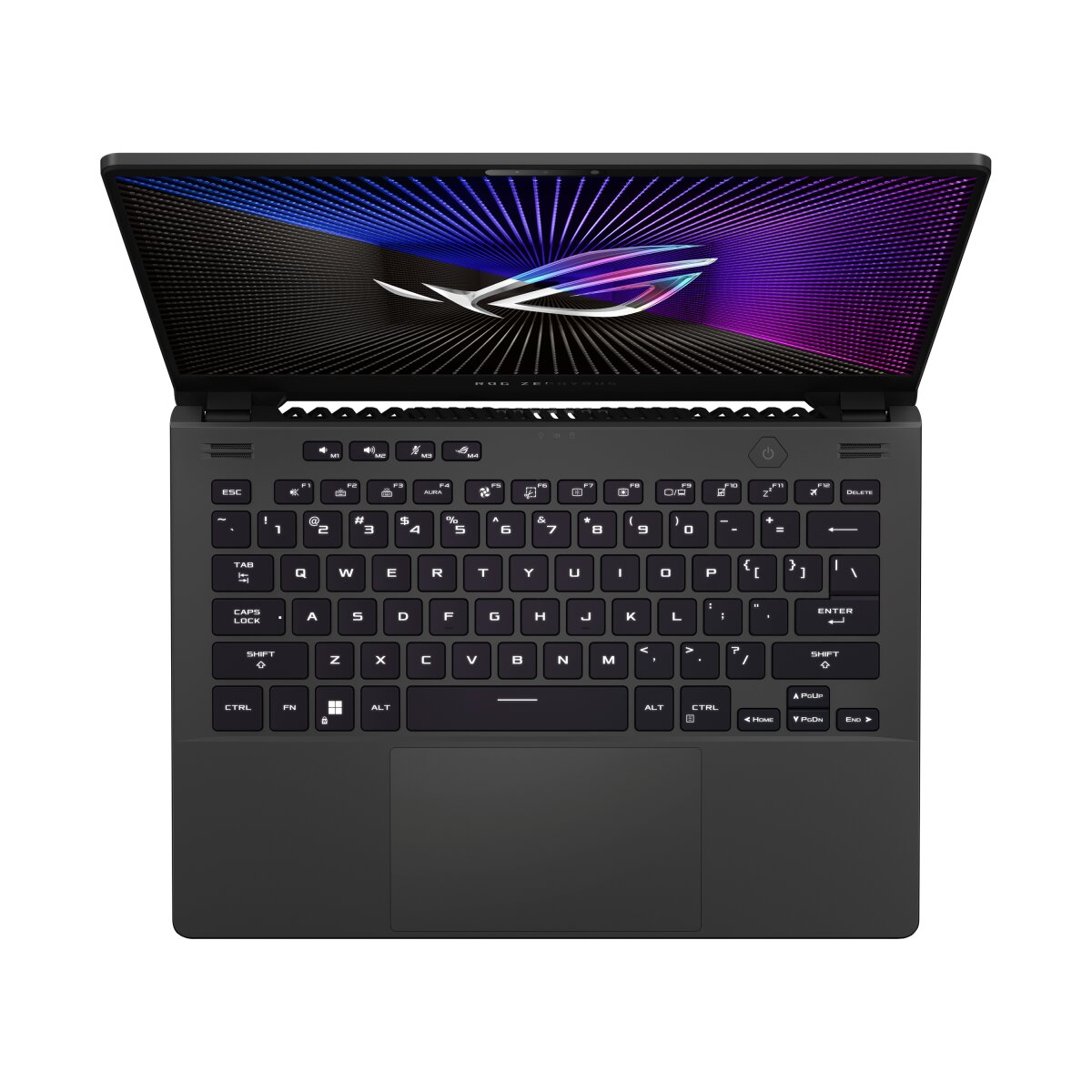
The ASUS ROG Zephyrus G14 GA402XI-N2020W features DDR5-SDRAM memory specifications compatible with 4800 MHz frequency operation. The laptop contains one SO-DIMM slot for memory upgrade, with maximum RAM capacity of 32 GB. Memory configuration comprises on-board memory combined with expandable SO-DIMM slot, allowing users to increase total system memory capacity through compatible DDR5 modules.
Memory Upgrade Specifications
| Specification | Value |
|---|---|
| Memory slots | 1x SO-DIMM |
| Form factor | On-board + SO-DIMM |
| Memory type | DDR5-SDRAM |
| Frequency | 4800 MHz |
| Maximum RAM | 32 GB |
| Voltage | 1.1V |
| Number of pins | 262-pin |
| Interface | PC5 |
| PC Speed Rating | PC5-4800 (PC5-38400) |
| Bandwidth | 38.4 GB/s |
| Laptop Release date | 07 February 2023 |
Additional Notes
- The ASUS ROG GA402XI-N2020W utilizes a single SO-DIMM slot paired with soldered on-board memory, creating an asymmetrical configuration that limits total capacity expansion to 32 GB regardless of slot population.
- DDR5-4800 MHz operation requires a Ryzen 7000-series or newer processor to maintain rated frequency stability; pairing with older generation CPUs will force the module to operate at reduced clock speeds, negating performance gains from higher-spec memory.
- The SO-DIMM form factor constrains compatible modules to laptop-class DDR5 variants; desktop DDR5 UDIMM sticks are physically incompatible and cannot be adapted without specialized hardware modifications that void warranty coverage.
- Upgrading the removable SO-DIMM slot while retaining factory on-board memory creates potential performance asymmetry between the soldered and removable channels, which may reduce effective bandwidth utilization compared to matched-pair configurations.
- The single expandable slot eliminates future scalability beyond the 32 GB theoretical maximum; users cannot progressively upgrade capacity without removing and replacing the initial module.
- Warranty-safe memory upgrades require sourcing DDR5 SO-DIMM modules rated for 4800 MHz or lower; purchasing higher-frequency variants will not improve system performance and may introduce compatibility negotiation overhead during boot cycles.