ASUS ROG GA402XI-NC019W RAM upgrade specifications
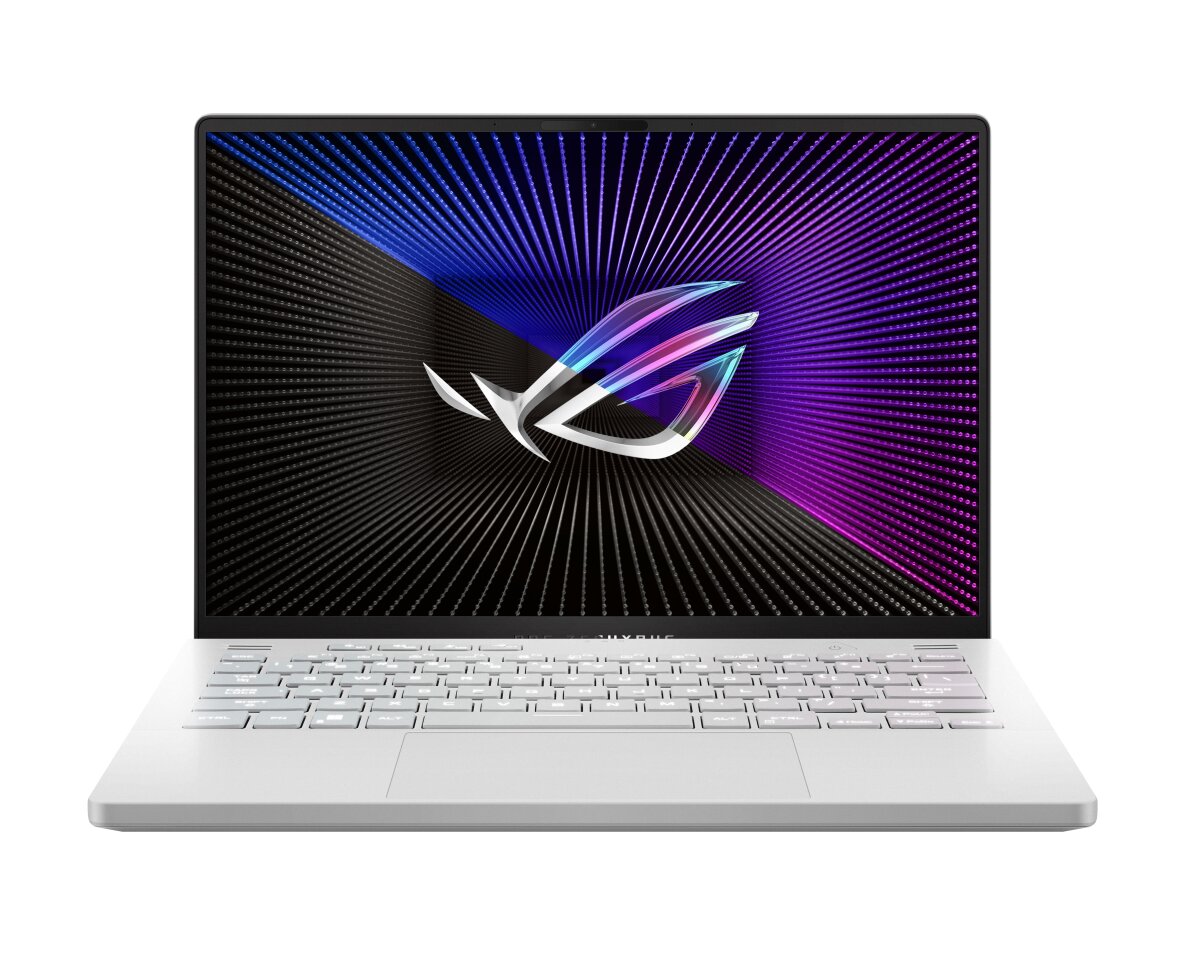
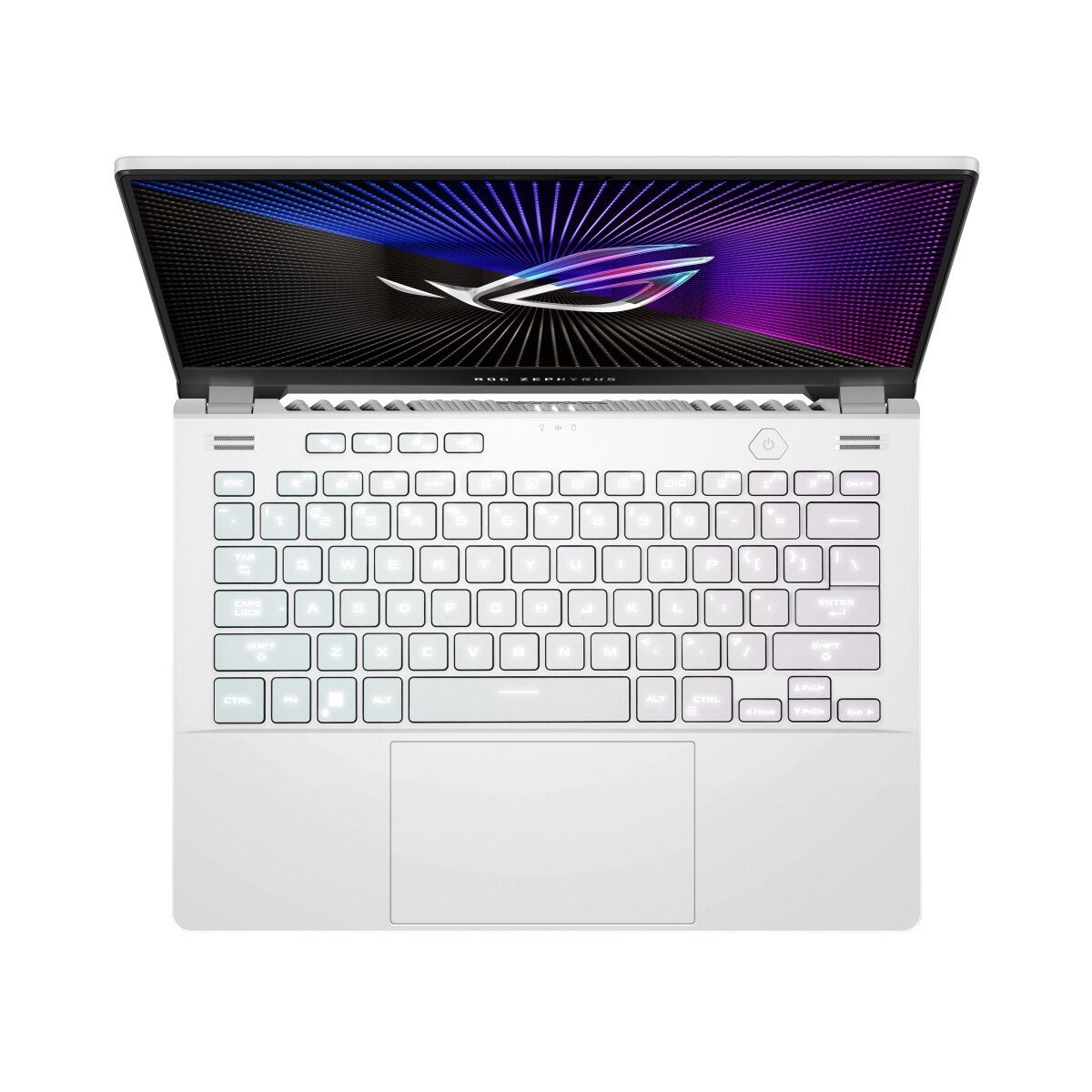



ASUS ROG Zephyrus G14 GA402XI-NC019W contains one SO-DIMM slot for RAM upgrades. The laptop features DDR5-SDRAM memory with 4800 MHz frequency specifications. Maximum compatible RAM capacity reaches 32 GB through the upgradeable SO-DIMM slot, with additional on-board memory integrated into the motherboard. Memory upgrade specifications are limited to single-slot configuration for this model.
Memory Upgrade Specifications
| Specification | Value |
|---|---|
| Memory slots | 1x SO-DIMM |
| Form factor | On-board + SO-DIMM |
| Memory type | DDR5-SDRAM |
| Frequency | 4800 MHz |
| Maximum RAM | 32 GB |
| Voltage | 1.1V |
| Number of pins | 262-pin |
| Interface | PC5 |
| PC Speed Rating | PC5-4800 (PC5-38400) |
| Bandwidth | 38.4 GB/s |
| Laptop Release date | 04 April 2023 |
Additional Notes
- The ASUS ROG GA402XI-NC019W incorporates a hybrid memory architecture combining soldered memory with a single expansion slot, limiting upgrade flexibility compared to dual-slot configurations.
- The onboard memory portion cannot be removed or replaced, meaning the base memory capacity is permanently fixed and any future upgrade only adds to this existing foundation.
- DDR5 modules operating at 4800 MHz will function in dual-channel mode only if the installed SO-DIMM matches the capacity of the soldered memory, otherwise the system reverts to asymmetric or flex mode with reduced bandwidth efficiency.
- Installing a SO-DIMM with higher frequency than 4800 MHz will result in automatic downclocking to match the slower onboard memory speed, preventing any performance gain from premium modules.
- The 32 GB maximum capacity constraint suggests the soldered memory is likely 16 GB, leaving only one 16 GB SO-DIMM as a viable upgrade to reach the system ceiling.
- Accessing the single SO-DIMM slot requires disassembling the bottom chassis, which typically involves removing multiple screws and potentially breaking adhesive seals that may affect warranty coverage depending on regional service policies.
- DDR5 SO-DIMM modules require specific voltage tolerances and non-ECC unbuffered specifications, as registered or ECC variants designed for workstation platforms will not initialize properly in this consumer gaming architecture.
- The memory controller's 4800 MHz native frequency represents JEDEC standard DDR5 speed, meaning XMP or EXPO overclocked modules offer no advantage and may introduce stability issues if the system attempts to apply incompatible timing profiles.
- Thermal considerations become relevant with DDR5 due to higher operating temperatures compared to DDR4, requiring adequate chassis ventilation to prevent memory throttling during sustained workloads.
- Mixing different memory brands or die revisions between the soldered component and the SO-DIMM can trigger conservative memory training algorithms that reduce effective bandwidth below theoretical specifications.