ASUS ROG GA402XV-N2041 RAM upgrade specifications
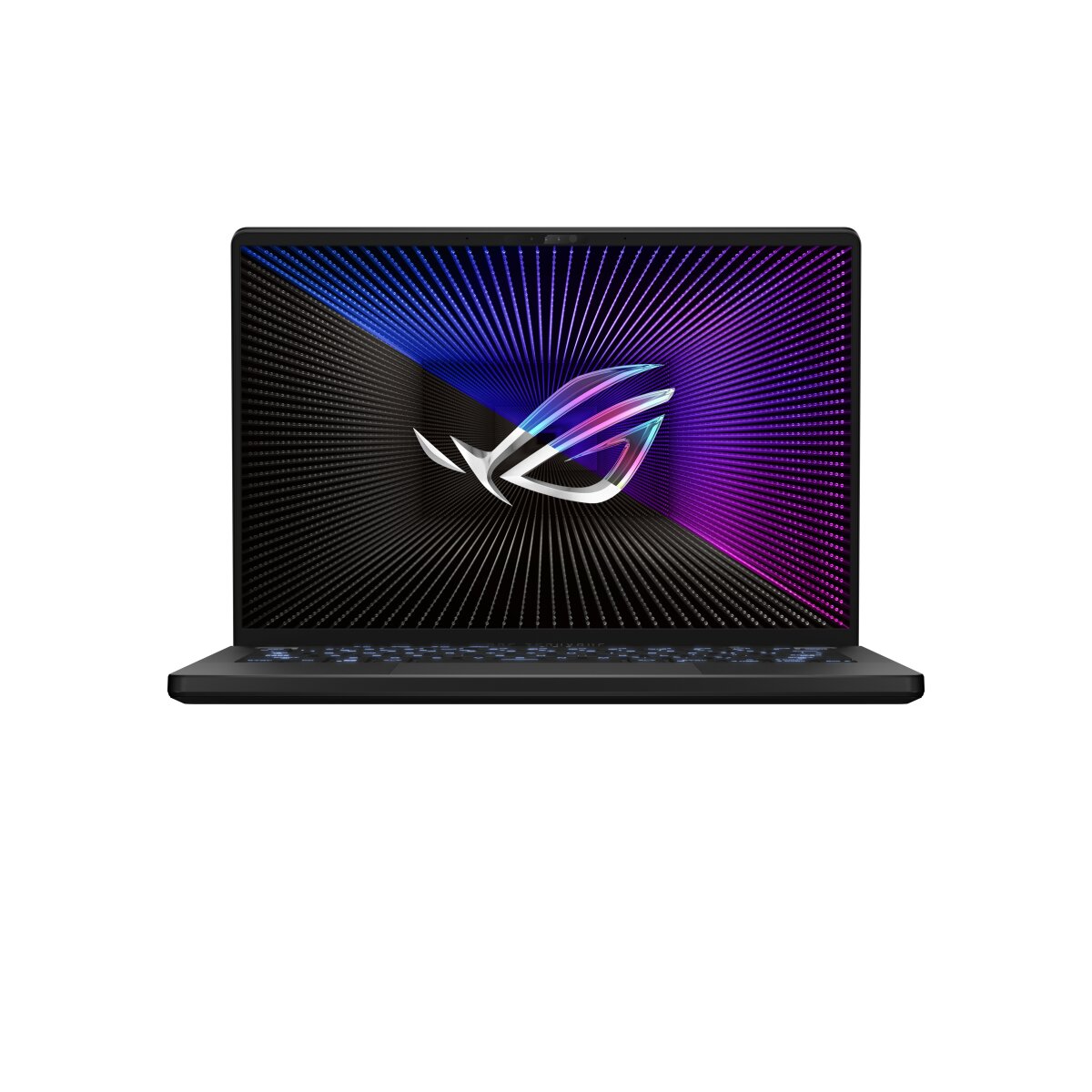
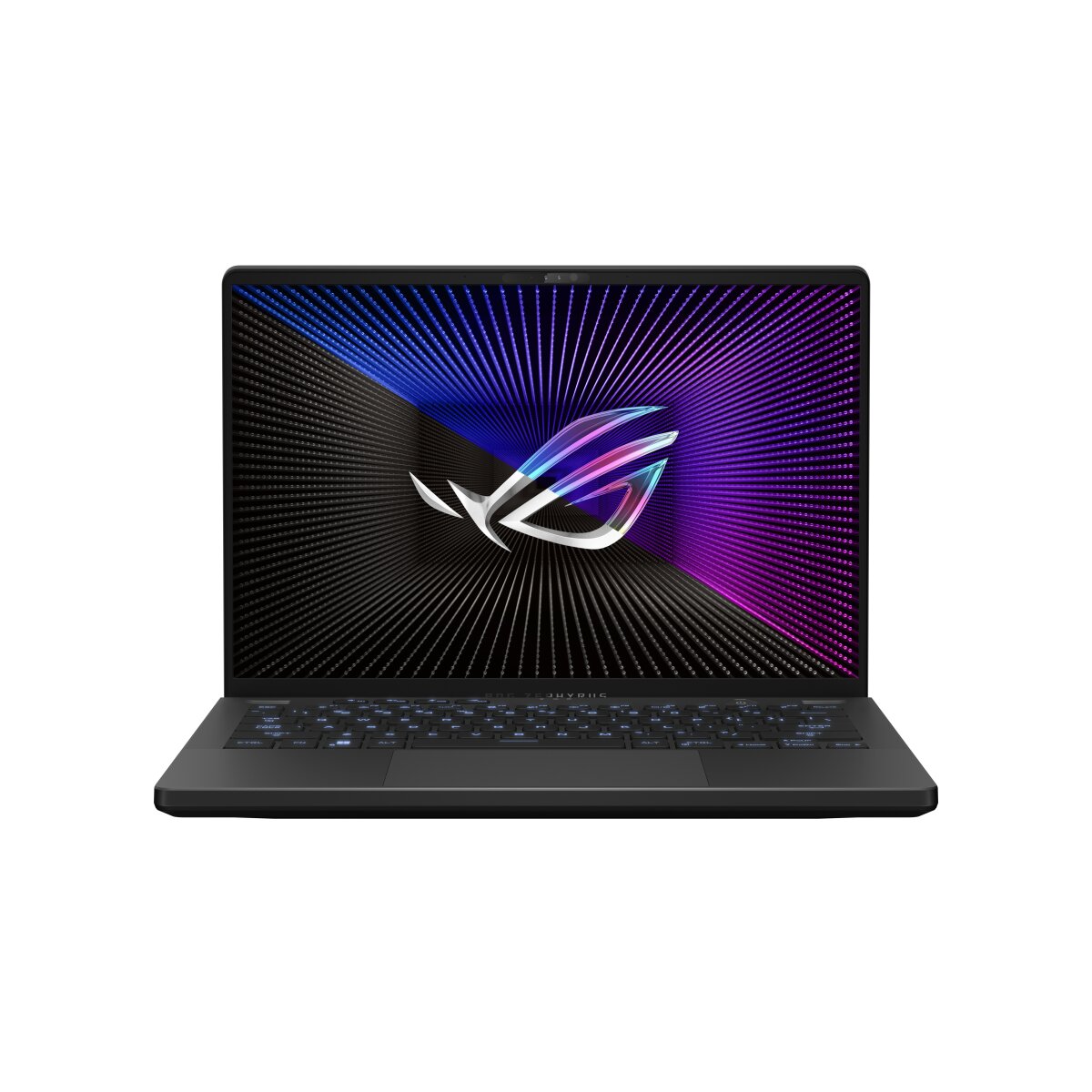
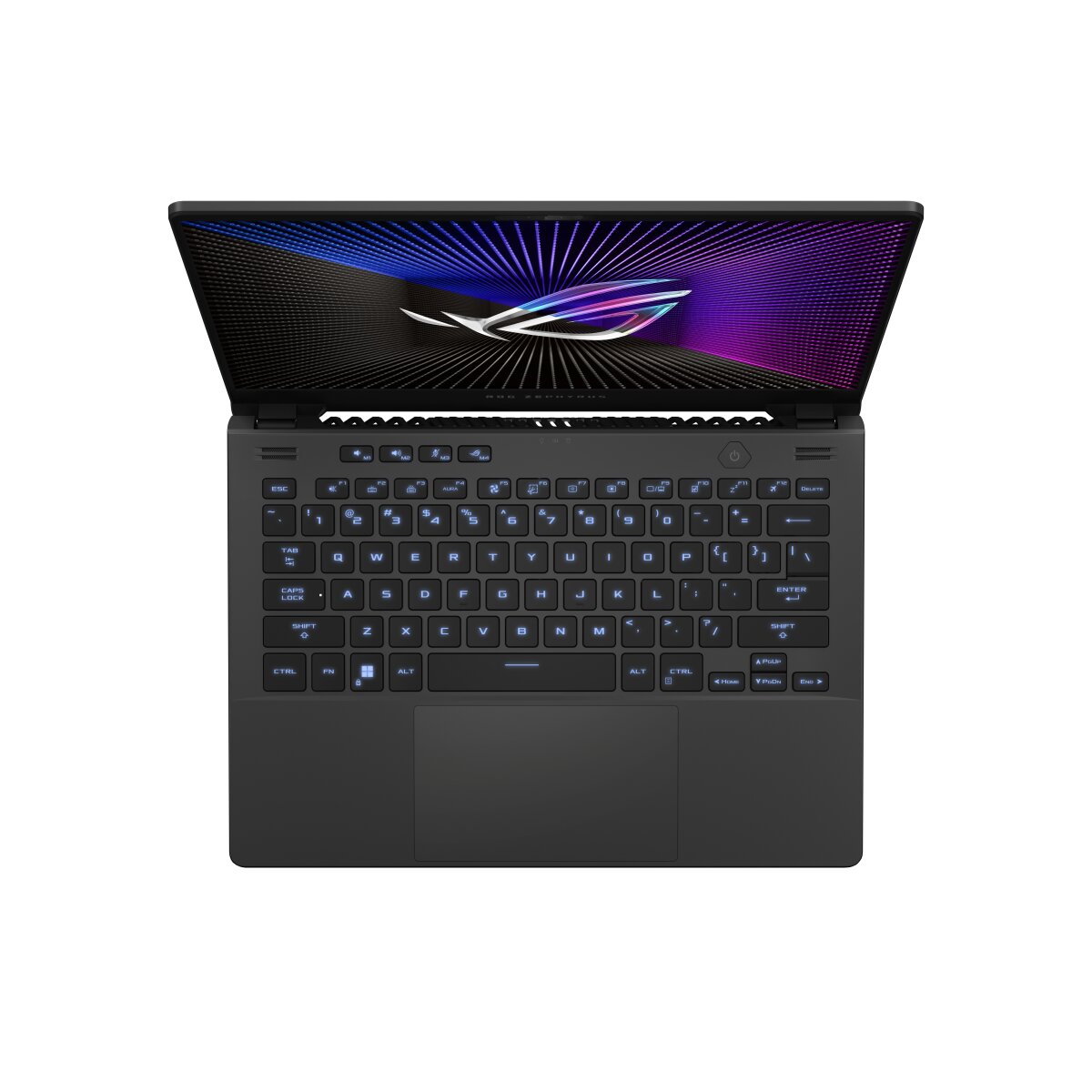
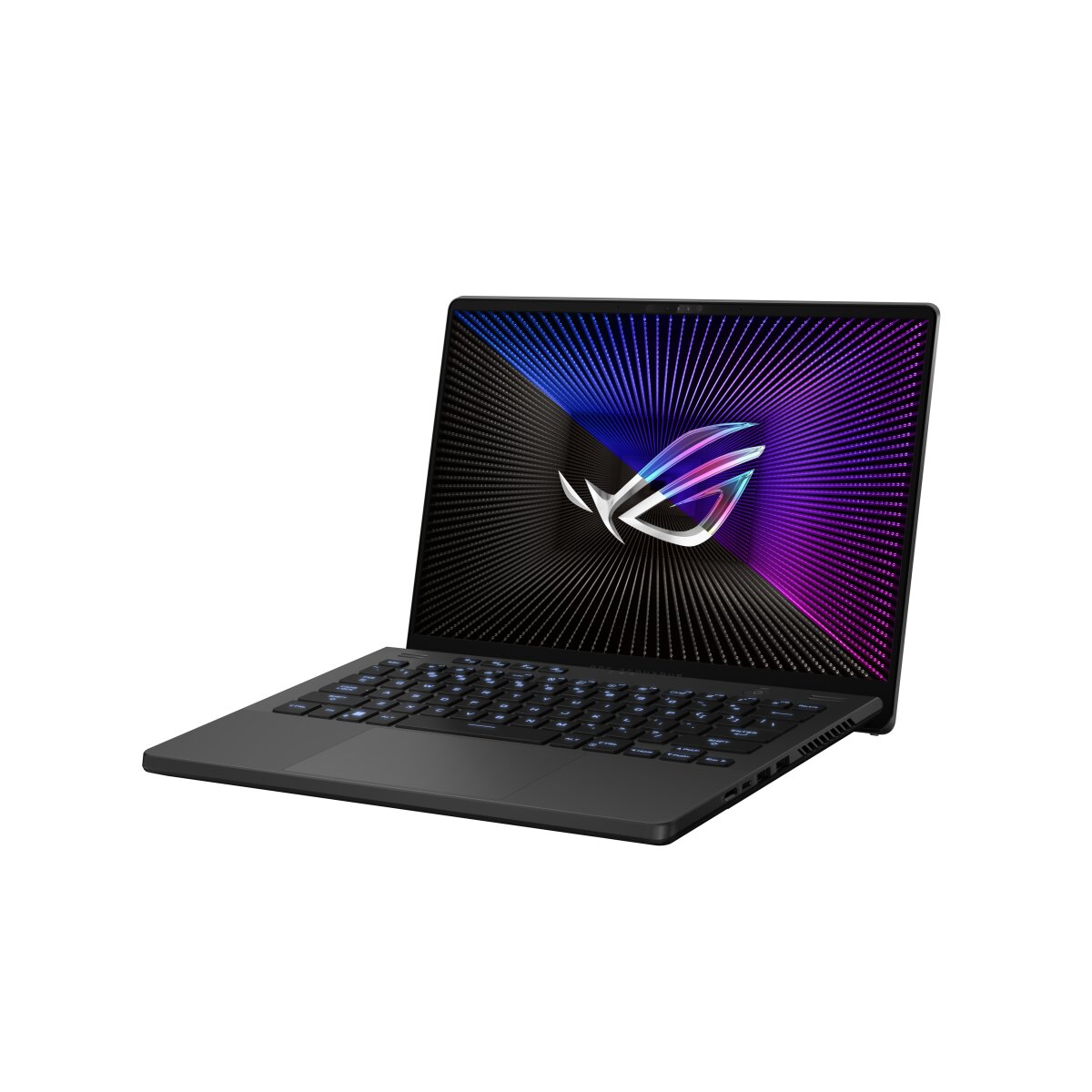
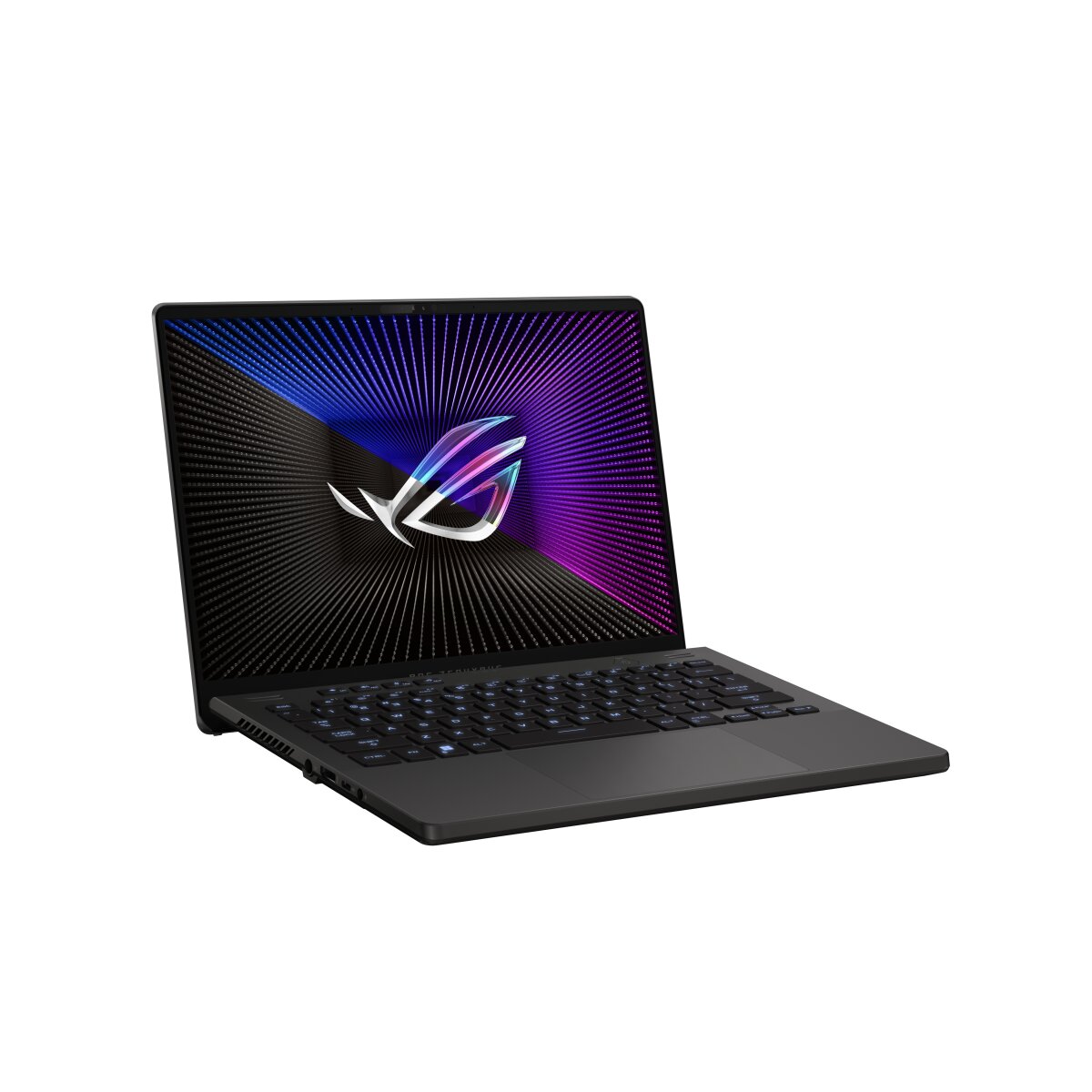
ASUS ROG Zephyrus G14 GA402XV-N2041 memory upgrade specifications include DDR5-SDRAM compatible modules operating at 4800 MHz frequency. The laptop features one SO-DIMM memory slot for upgrades, with maximum RAM capacity of 32 GB total. Memory configuration consists of on-board soldered memory plus one expandable SO-DIMM slot. Compatible DDR5 modules can be installed in the available slot to increase system memory capacity up to the maximum specified limit. Specifications support standard DDR5 laptop memory form factors for upgrade compatibility.
Memory Upgrade Specifications
| Specification | Value |
|---|---|
| Memory slots | 1x SO-DIMM |
| Form factor | On-board + SO-DIMM |
| Memory type | DDR5-SDRAM |
| Frequency | 4800 MHz |
| Maximum RAM | 32 GB |
| Voltage | 1.1V |
| Number of pins | 262-pin |
| Interface | PC5 |
| PC Speed Rating | PC5-4800 (PC5-38400) |
| Bandwidth | 38.4 GB/s |
| Laptop Release date | 27 January 2023 |
Additional Notes
- The ASUS ROG GA402XV-N2041 implements a hybrid memory architecture combining soldered RAM with a single expansion slot, limiting total system memory to 32 GB regardless of the installed module capacity.
- The onboard memory operates in a dual-channel configuration only when paired with a matching SO-DIMM module in terms of capacity and timings, otherwise reverting to asymmetric or flex mode with reduced bandwidth.
- Modules rated above 4800 MHz will automatically downclock to match the system's supported frequency, making higher-speed kits functionally equivalent to standard 4800 MHz modules in this configuration.
- The 32 GB ceiling typically indicates 16 GB of soldered memory, restricting the SO-DIMM slot to a maximum 16 GB module to avoid exceeding architectural limits.
- DDR5's native dual-channel per module design means each physical stick already contains two independent 32-bit channels, differentiating upgrade behavior from DDR4 systems.
- Non-standard module voltages or extreme low-latency kits may encounter stability issues due to laptop-specific power delivery constraints and locked BIOS voltage controls.
- Installing unbuffered ECC SO-DIMMs will result in error-correcting features being disabled, as consumer-grade systems lack the memory controller pathways for ECC functionality.
- The single-slot design prevents future capacity expansion beyond the initial upgrade, requiring immediate selection of the maximum desired capacity rather than incremental additions.
- Thermal throttling may occur with high-density modules under sustained workloads, as laptop cooling systems prioritize CPU and GPU thermal loads over memory temperature management.
- JEDEC-standard modules provide guaranteed compatibility, while XMP-profiled gaming kits require motherboard support for SPD profile switching, which remains inconsistent across laptop BIOS implementations.