ASUS ROG GA402XV-N2051W RAM upgrade specifications
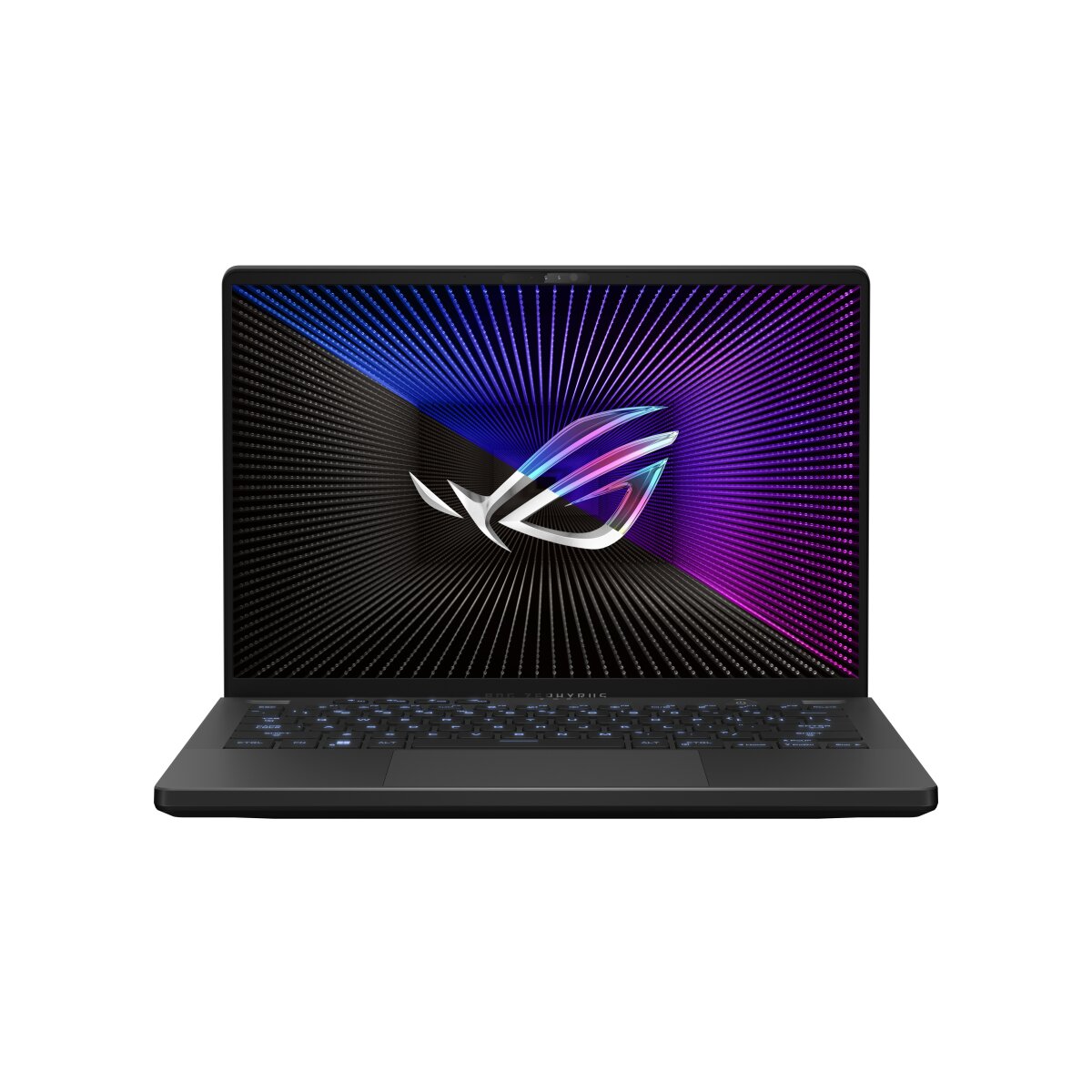
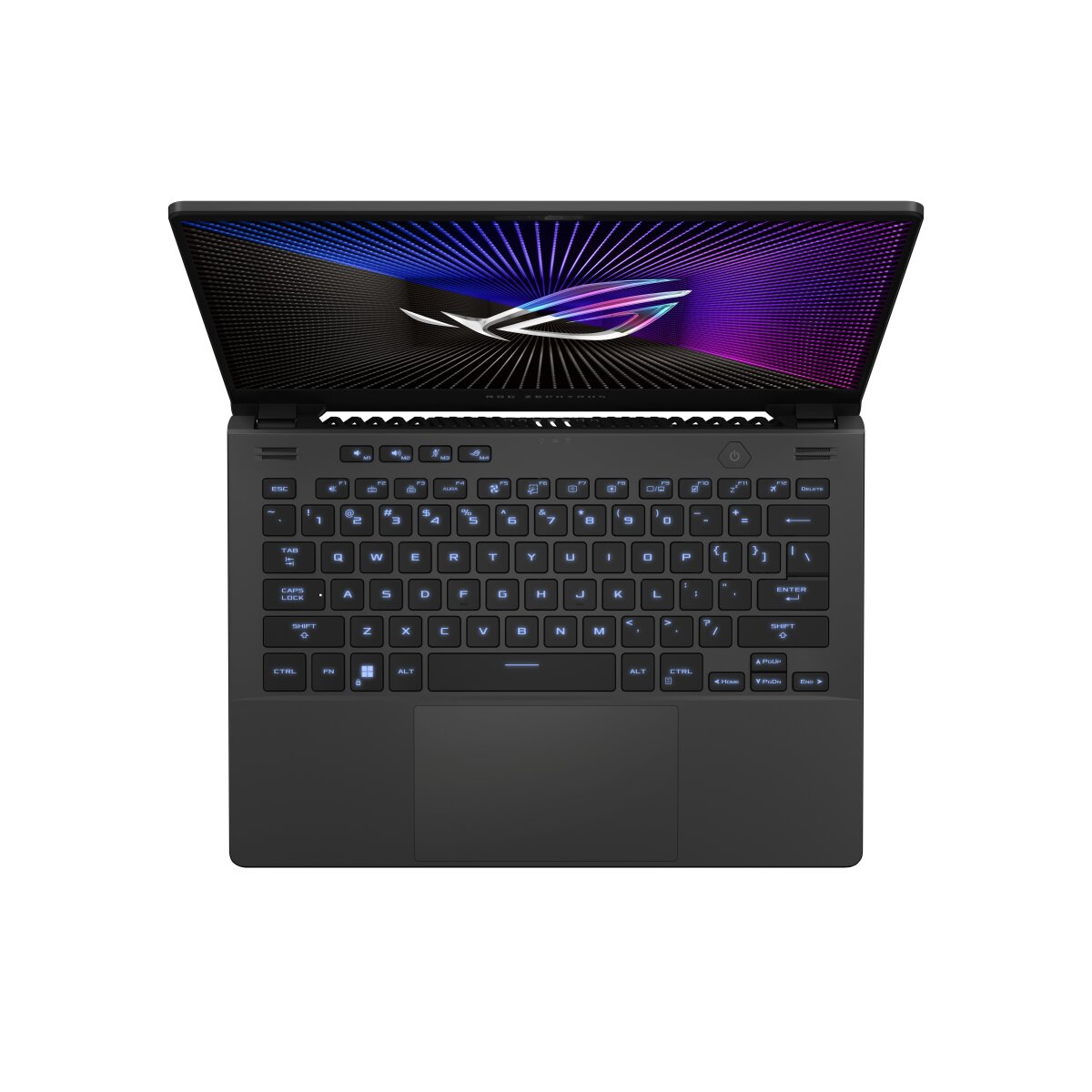
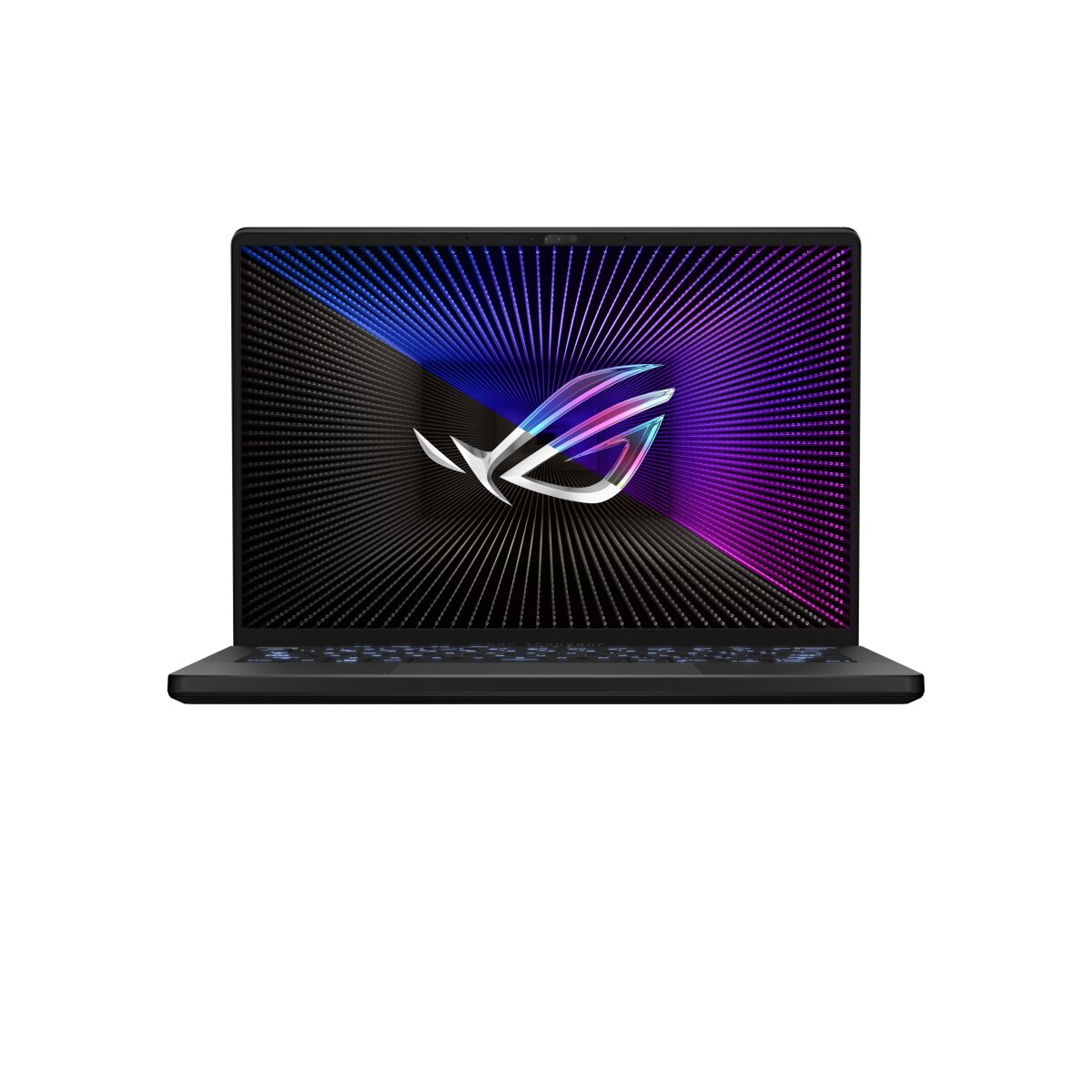
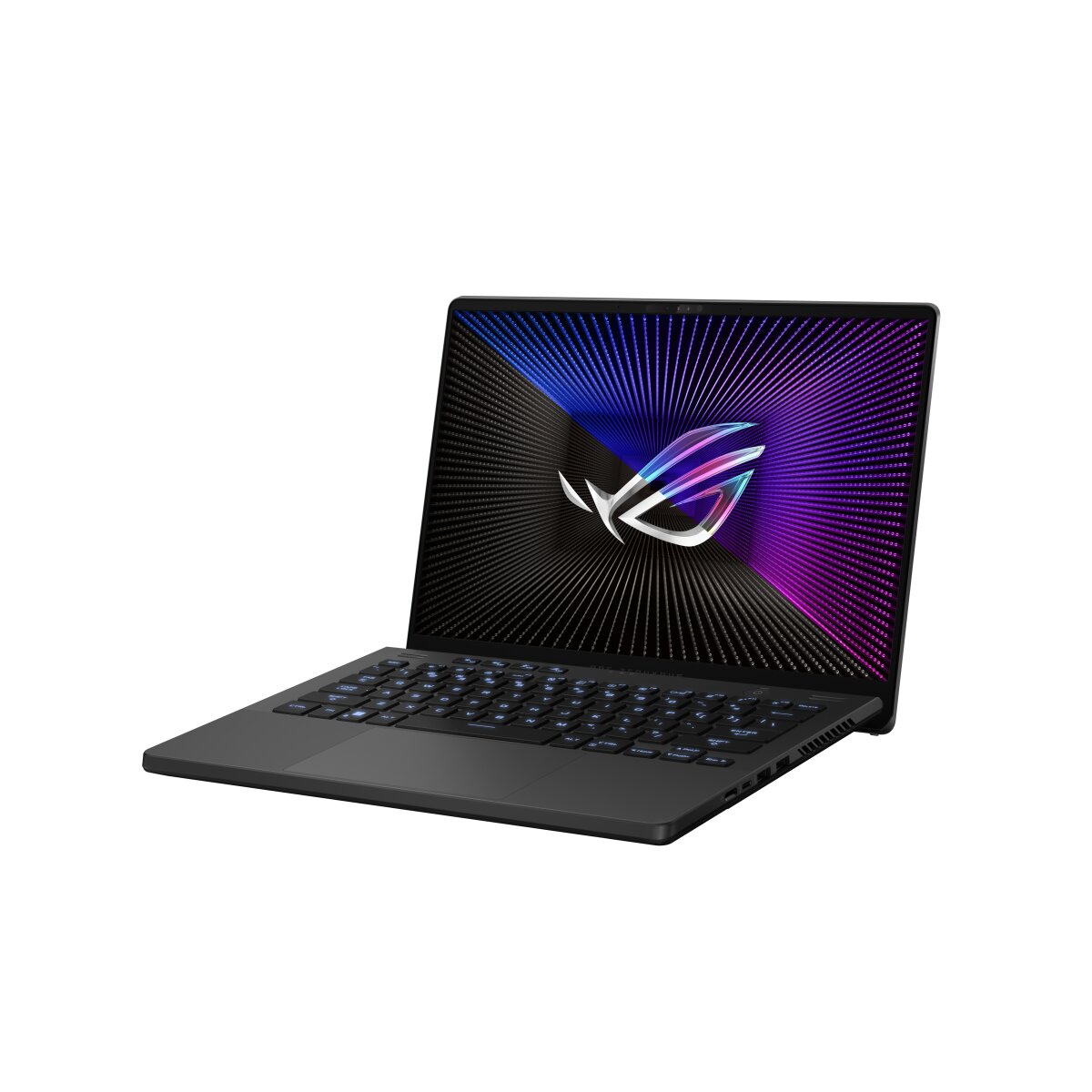
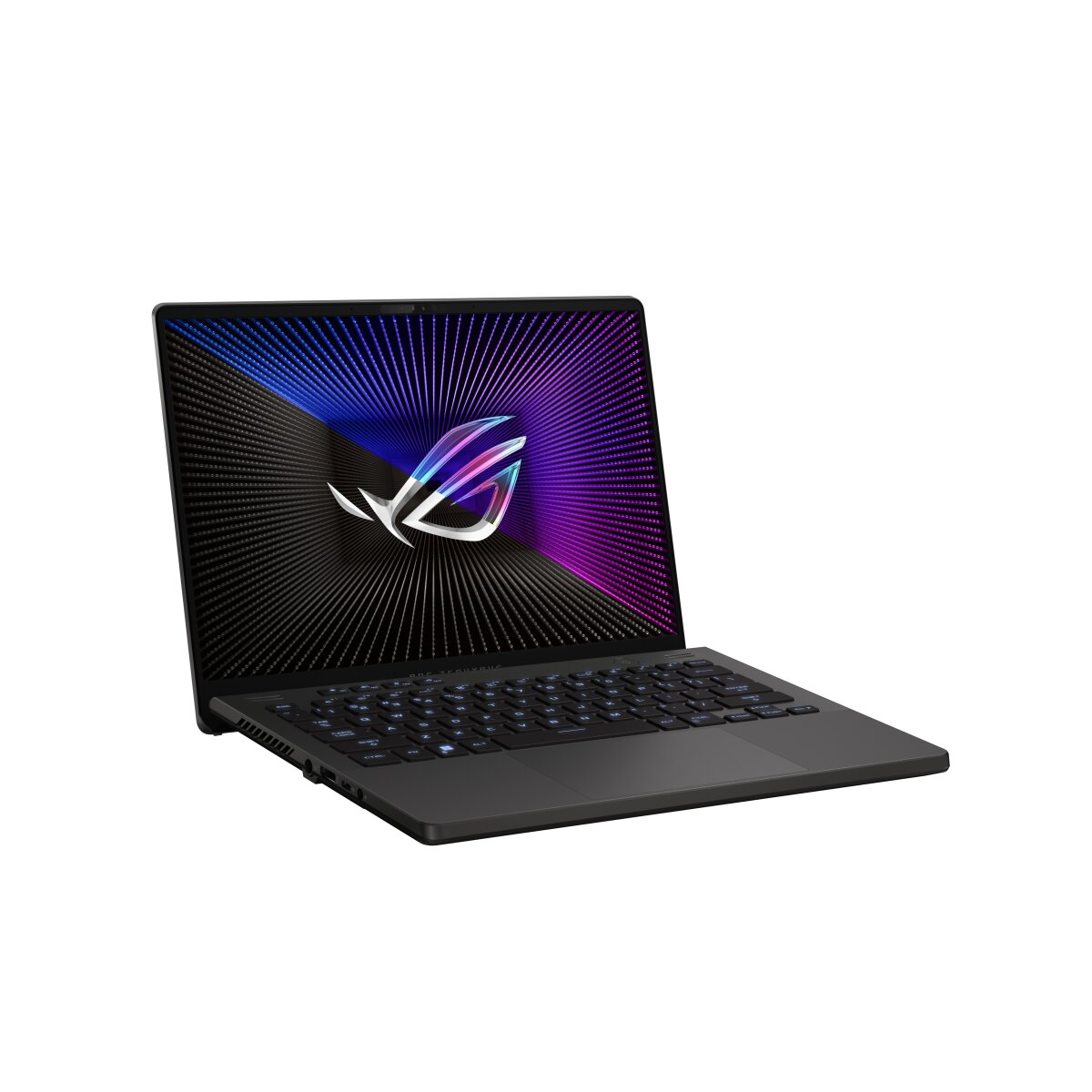
ASUS ROG Zephyrus G14 GA402XV-N2051W compatible RAM upgrade specifications include DDR5-SDRAM memory operating at 4800 MHz frequency. The laptop features one SO-DIMM memory slot for expansion, with maximum upgrade capacity of 32 GB. Memory configuration consists of on-board memory combined with SO-DIMM slot support. Upgrade specifications are compatible with DDR5 standard modules meeting ASUS laptop memory requirements for enhanced system performance and multitasking capabilities.
Memory Upgrade Specifications
| Specification | Value |
|---|---|
| Memory slots | 1x SO-DIMM |
| Form factor | On-board + SO-DIMM |
| Memory type | DDR5-SDRAM |
| Frequency | 4800 MHz |
| Maximum RAM | 32 GB |
| Voltage | 1.1V |
| Number of pins | 262-pin |
| Interface | PC5 |
| PC Speed Rating | PC5-4800 (PC5-38400) |
| Bandwidth | 38.4 GB/s |
Additional Notes
- The ASUS ROG GA402XV-N2051W features a hybrid memory architecture with soldered on-board memory combined with a single SO-DIMM slot, preventing dual-channel configuration through matched module pairs.
- Achieving maximum capacity requires installing a 32 GB SO-DIMM module if the on-board memory occupies less than the system ceiling, or accepting a lower total if the soldered amount already approaches the limit.
- Memory asymmetry between the soldered component and the SO-DIMM module may invoke flex mode operation rather than symmetric dual-channel, potentially reducing bandwidth efficiency in certain workloads.
- DDR5-4800 represents the JEDEC baseline specification for DDR5, meaning modules rated for higher frequencies will downclock to match the system's supported speed without performance penalty.
- The single upgradeable slot design eliminates the option to add memory in balanced pairs, making it critical to verify the existing on-board capacity before purchasing a replacement module to avoid wasted resources.
- DDR5 SO-DIMM modules require voltage regulation circuitry on the module itself rather than the motherboard, which prevents backward compatibility with DDR4 slots despite similar physical dimensions.
- Systems with partially soldered memory typically maintain warranty coverage when replacing the user-accessible SO-DIMM, though physical damage to the slot or surrounding components during installation would void protection.
- The 4800 MHz operating frequency delivers approximately 38.4 GB/s theoretical bandwidth per channel, though real-world transfer rates depend on command rate, CAS latency, and whether asymmetric capacities force flex mode.