ASUS ROG GA402XY-NC050W RAM upgrade specifications



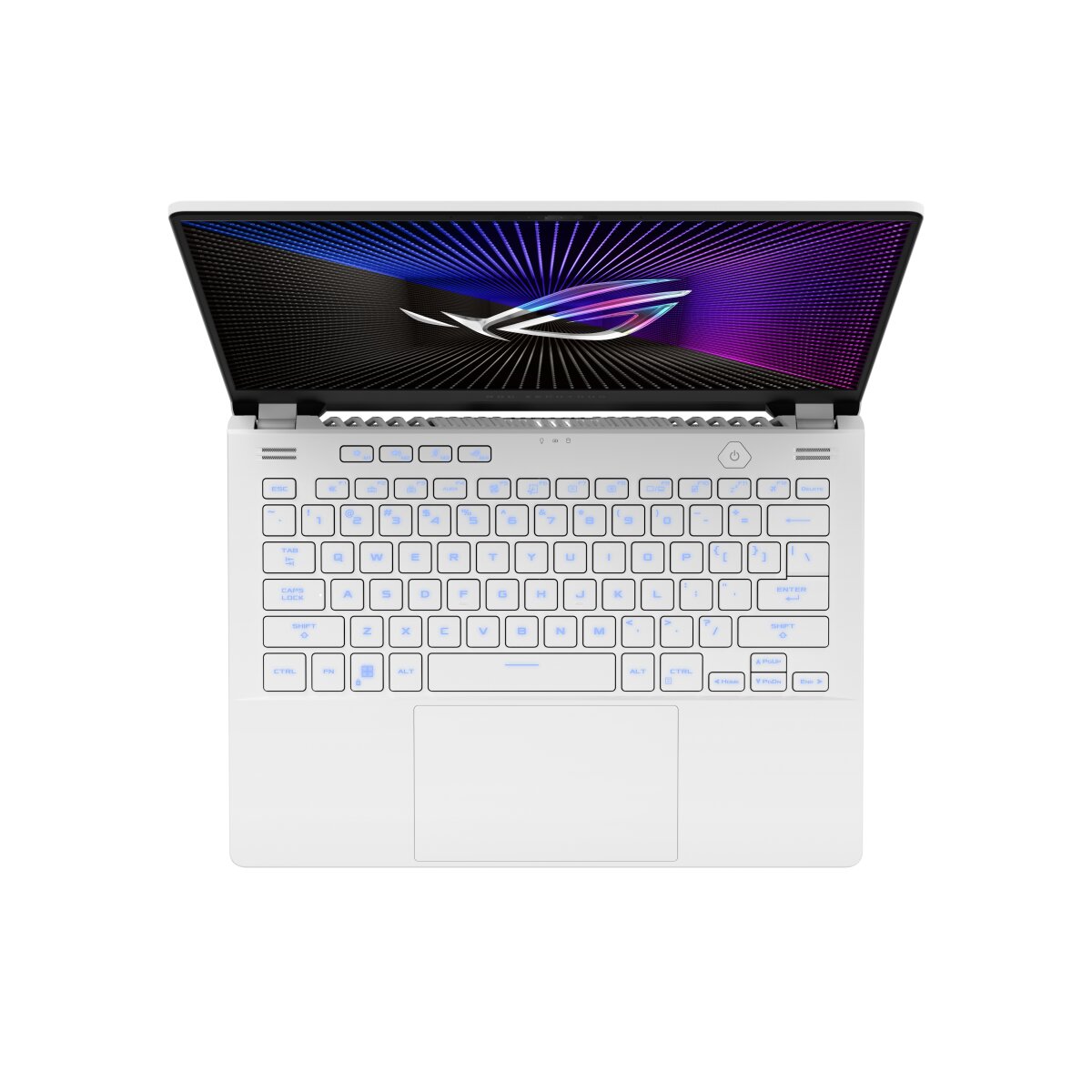
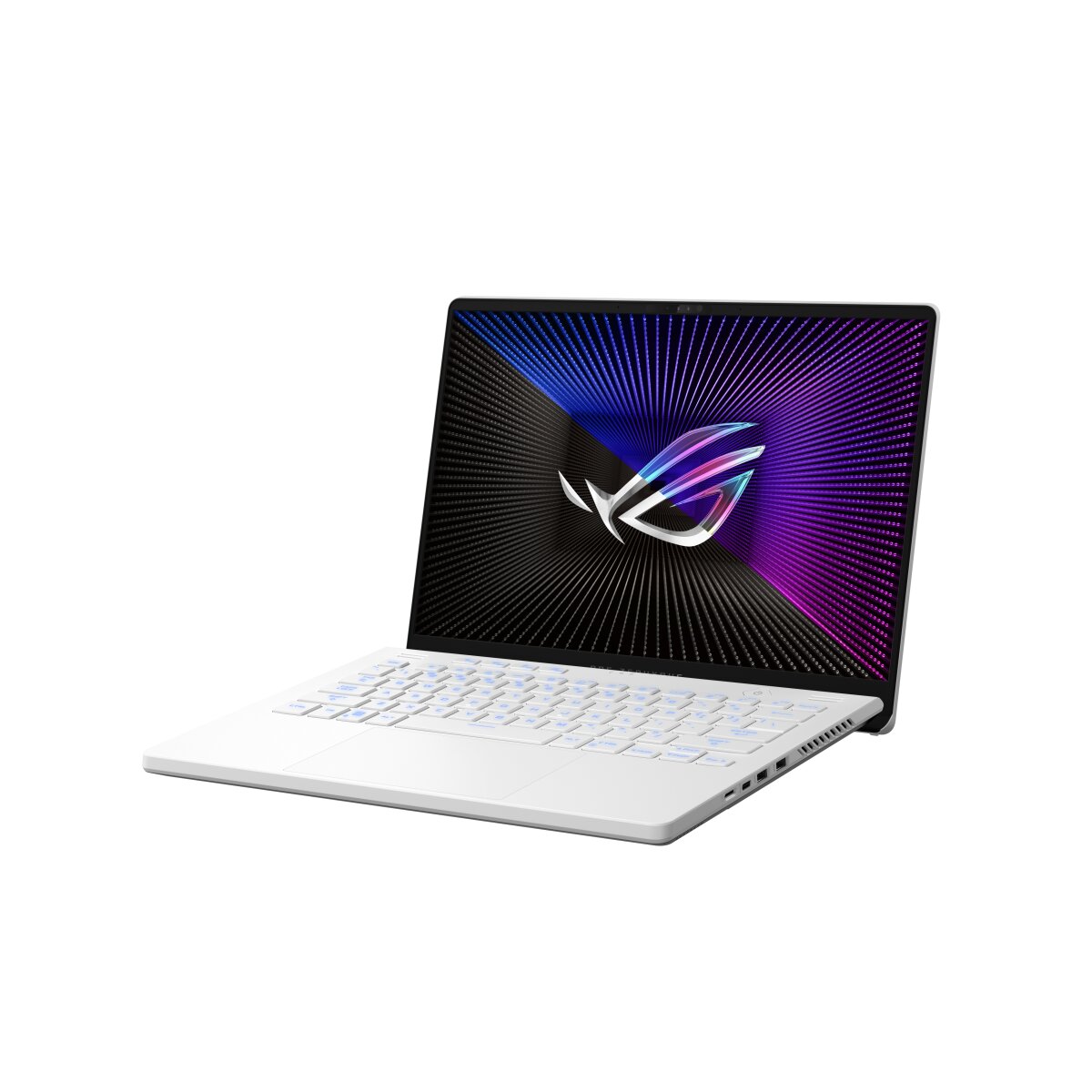
ASUS ROG Zephyrus G14 GA402XY-NC050W laptop features DDR5-SDRAM memory with maximum upgrade capacity of 32 GB. The system includes one SO-DIMM slot for RAM expansion, operating at 4800 MHz frequency. Memory configuration utilizes on-board plus SO-DIMM form factor, enabling compatible DDR5 module installation. Specifications support single-slot memory upgrades to achieve maximum capacity. Standard RAM upgrade slots accommodate SO-DIMM format specifications for compatible DDR5-SDRAM memory expansion.
Memory Upgrade Specifications
| Specification | Value |
|---|---|
| Memory slots | 1x SO-DIMM |
| Form factor | On-board + SO-DIMM |
| Memory type | DDR5-SDRAM |
| Frequency | 4800 MHz |
| Maximum RAM | 32 GB |
| Voltage | 1.1V |
| Number of pins | 262-pin |
| Interface | PC5 |
| PC Speed Rating | PC5-4800 (PC5-38400) |
| Bandwidth | 38.4 GB/s |
Additional Notes
- The on-board plus SO-DIMM configuration indicates part of the system memory is permanently soldered to the motherboard and cannot be removed or replaced under any circumstances.
- The single SO-DIMM slot limits memory expansion to a one-time upgrade event, as there is no second slot available for incremental capacity additions.
- DDR5-4800 operates at reduced latency timings compared to DDR4 equivalents at similar frequencies, affecting real-world application responsiveness beyond raw bandwidth metrics.
- Mixing the soldered memory with a different speed SO-DIMM module will force both components to operate at the frequency of the slower module, potentially underutilizing the installed capacity.
- The 32 GB maximum capacity constraint suggests the on-board memory occupies 16 GB, leaving 16 GB as the practical ceiling for the SO-DIMM slot addition.
- DDR5 modules require higher voltage regulation precision than DDR4, with power management integrated into the SO-DIMM itself rather than the motherboard, affecting thermal characteristics during sustained workloads.
- The ROG GA402XY-NC050W configuration prevents dual-channel bandwidth optimization if the SO-DIMM slot remains empty, as asymmetric memory population reduces theoretical throughput by approximately 50 percent.
- Non-standard SO-DIMM latency profiles may cause POST failures or force the system to revert to JEDEC standard speeds, negating manufacturer-rated XMP or EXPO performance gains.
- Physical access to the single SO-DIMM slot typically requires complete bottom panel removal on this chassis design, voiding certain regional warranty protections if security seals are present.
- DDR5 error correction mechanisms operate differently than DDR4 ECC implementations, with on-die correction handling single-bit errors transparently without OS-level reporting on consumer modules.