ASUS ROG GA402XY-XS96 RAM upgrade specifications
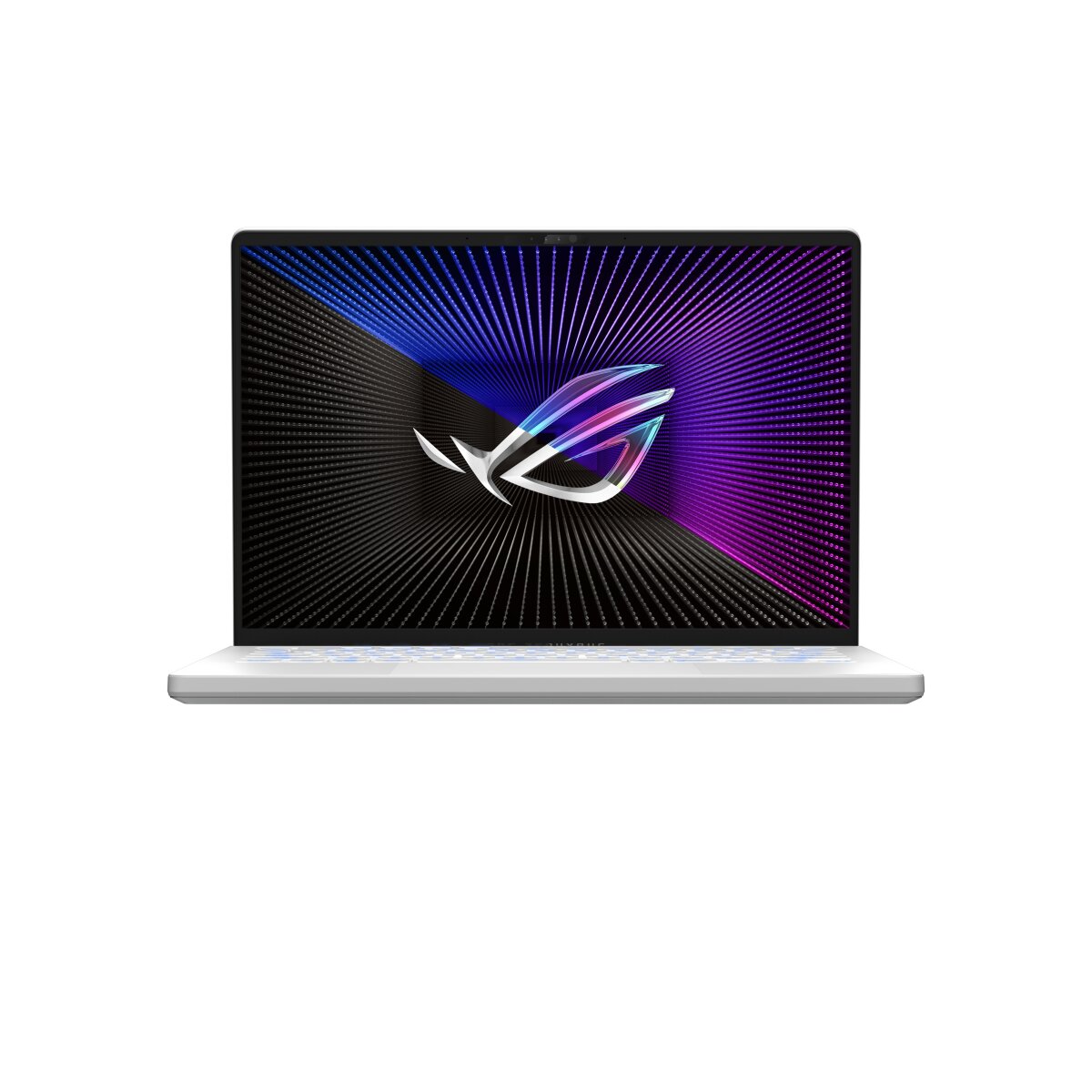
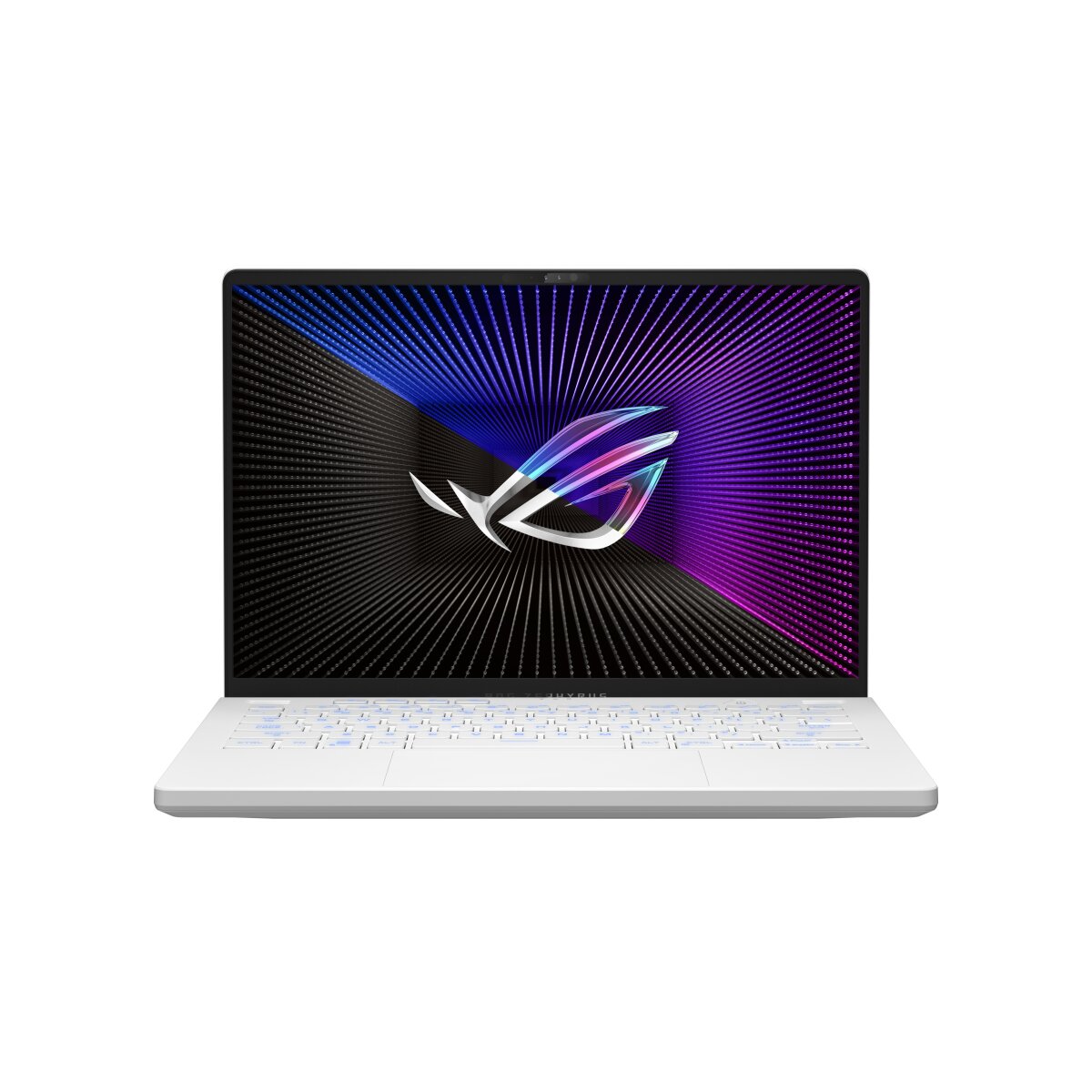
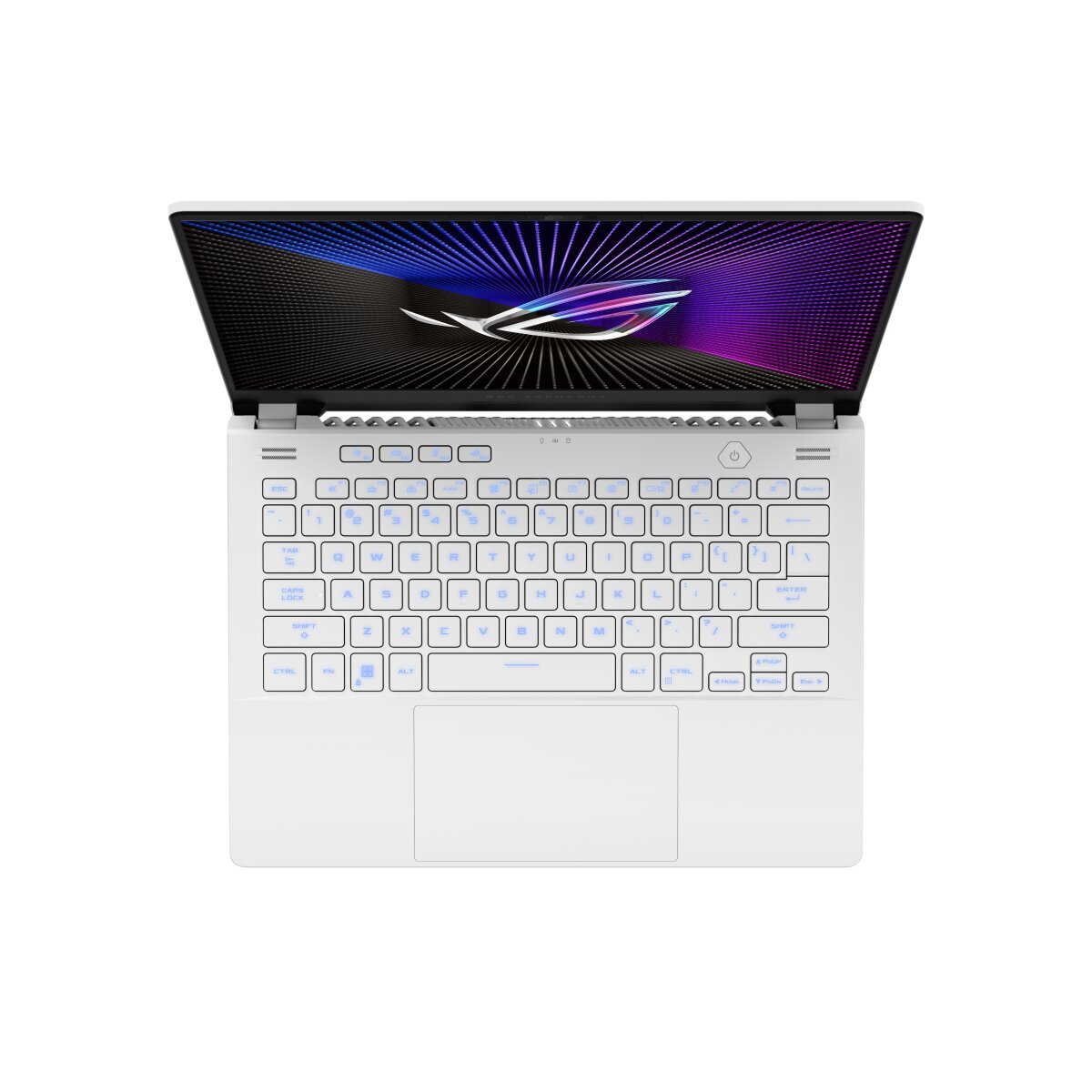
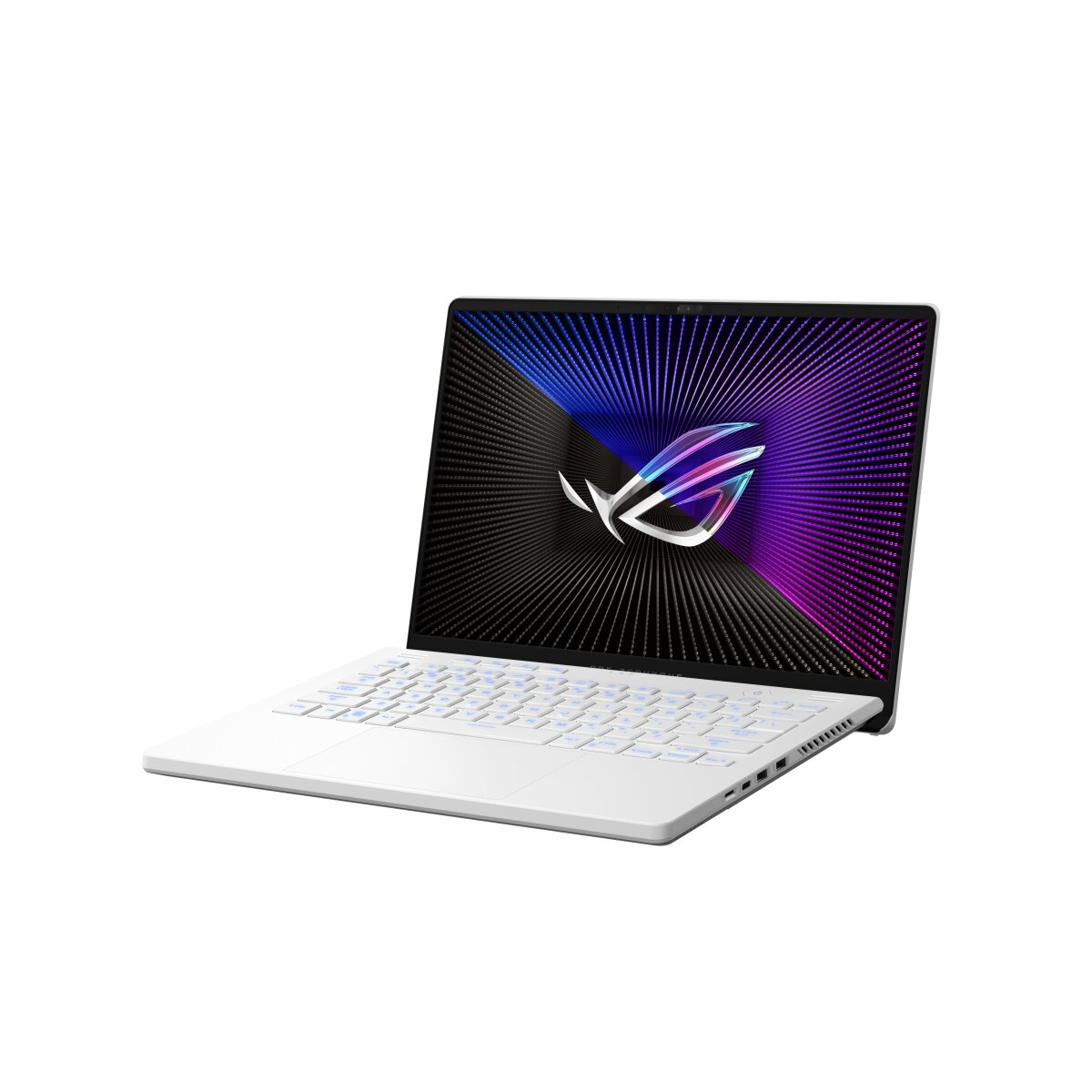
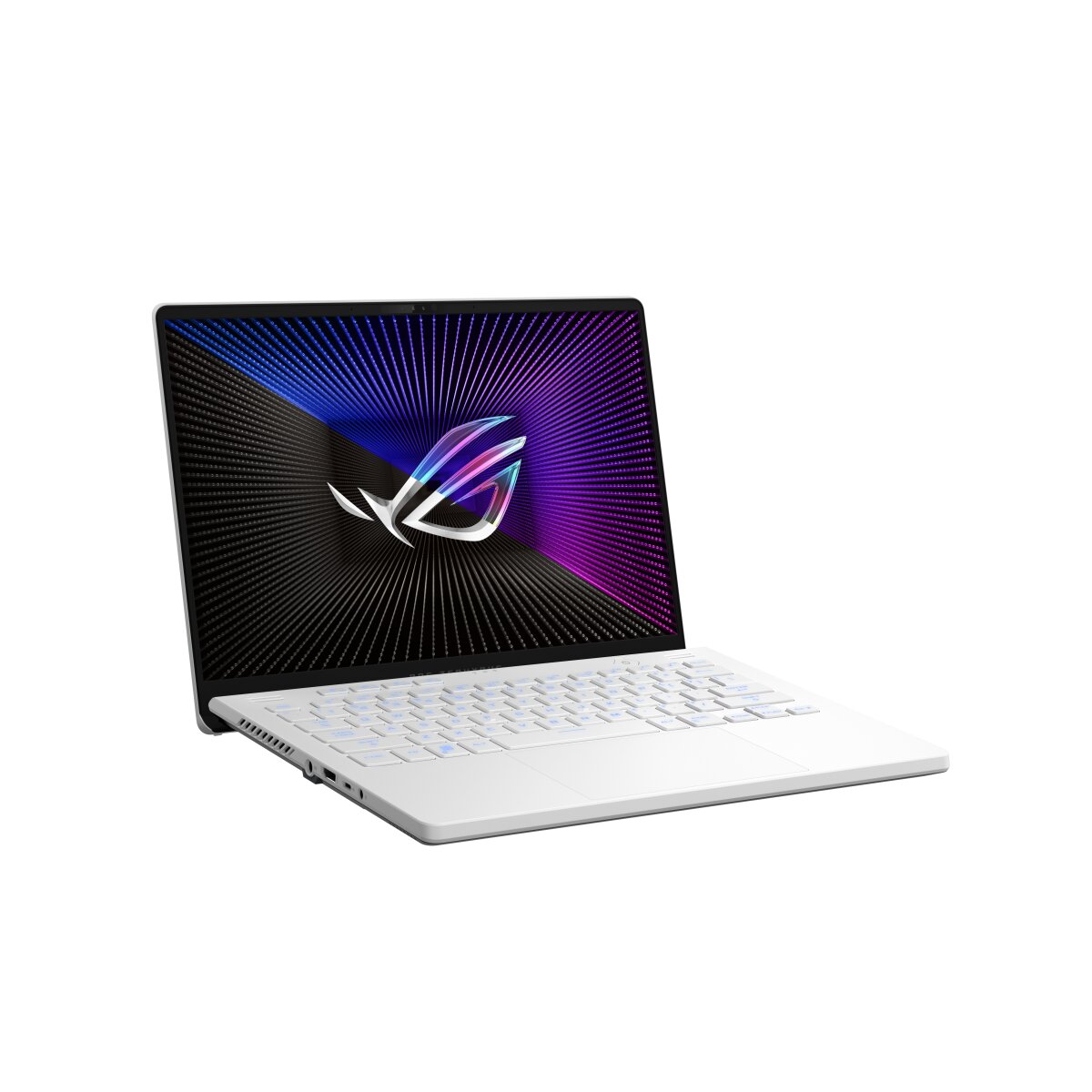
ASUS ROG Zephyrus G14 GA402XY-XS96 memory upgrade specifications include DDR5-SDRAM support with maximum RAM capacity of 32 GB. The laptop features one SO-DIMM slot for upgrade compatibility, operating at 4800 MHz frequency. Memory configuration consists of on-board and SO-DIMM form factor. Specifications indicate single slot upgrade capability for enhanced memory capacity on this gaming laptop model.
Memory Upgrade Specifications
| Specification | Value |
|---|---|
| Memory slots | 1x SO-DIMM |
| Form factor | On-board + SO-DIMM |
| Memory type | DDR5-SDRAM |
| Frequency | 4800 MHz |
| Maximum RAM | 32 GB |
| Voltage | 1.1V |
| Number of pins | 262-pin |
| Interface | PC5 |
| PC Speed Rating | PC5-4800 (PC5-38400) |
| Bandwidth | 38.4 GB/s |
Additional Notes
- The ASUS ROG GA402XY-XS96 employs a hybrid memory architecture where soldered RAM coexists with a single expansion slot, limiting total upgrade flexibility compared to dual-slot configurations.
- The 32 GB maximum capacity constraint applies to the combined total of soldered and socketed memory, not to the SO-DIMM slot independently.
- Determining the exact soldered memory capacity becomes critical before purchasing additional RAM, as exceeding the 32 GB ceiling wastes the investment.
- DDR5-4800 represents the baseline specification, but actual performance depends on whether both channels operate in dual-channel mode or if mismatched configurations force single-channel operation.
- Installing a SO-DIMM module with higher frequency ratings than 4800 MHz will result in automatic downclocking to match the system specification.
- The single-slot design eliminates the possibility of replacing both modules with a matched pair, forcing reliance on whatever capacity and timing parameters the manufacturer soldered permanently.
- Dual-channel bandwidth benefits require the SO-DIMM capacity to match the soldered module, as asymmetric configurations often revert to flex mode or single-channel operation for portions of the installed memory.
- Physical access to the SO-DIMM slot requires disassembly of the bottom panel, and improper removal techniques risk damaging the retention clips or the motherboard socket.
- Warranty coverage typically remains intact for user-installed RAM modules, but damage caused during installation falls outside manufacturer responsibility.
- DDR5 SO-DIMM modules operate at lower voltages than DDR4 predecessors, making cross-generation compatibility impossible even if physical insertion were feasible.
- The 4800 MHz speed represents JEDEC standard DDR5 timing, suggesting the system may not support XMP or EXPO overclocking profiles often found on enthusiast-grade modules.