ASUS ROG GA402XZ-N2005W RAM upgrade specifications

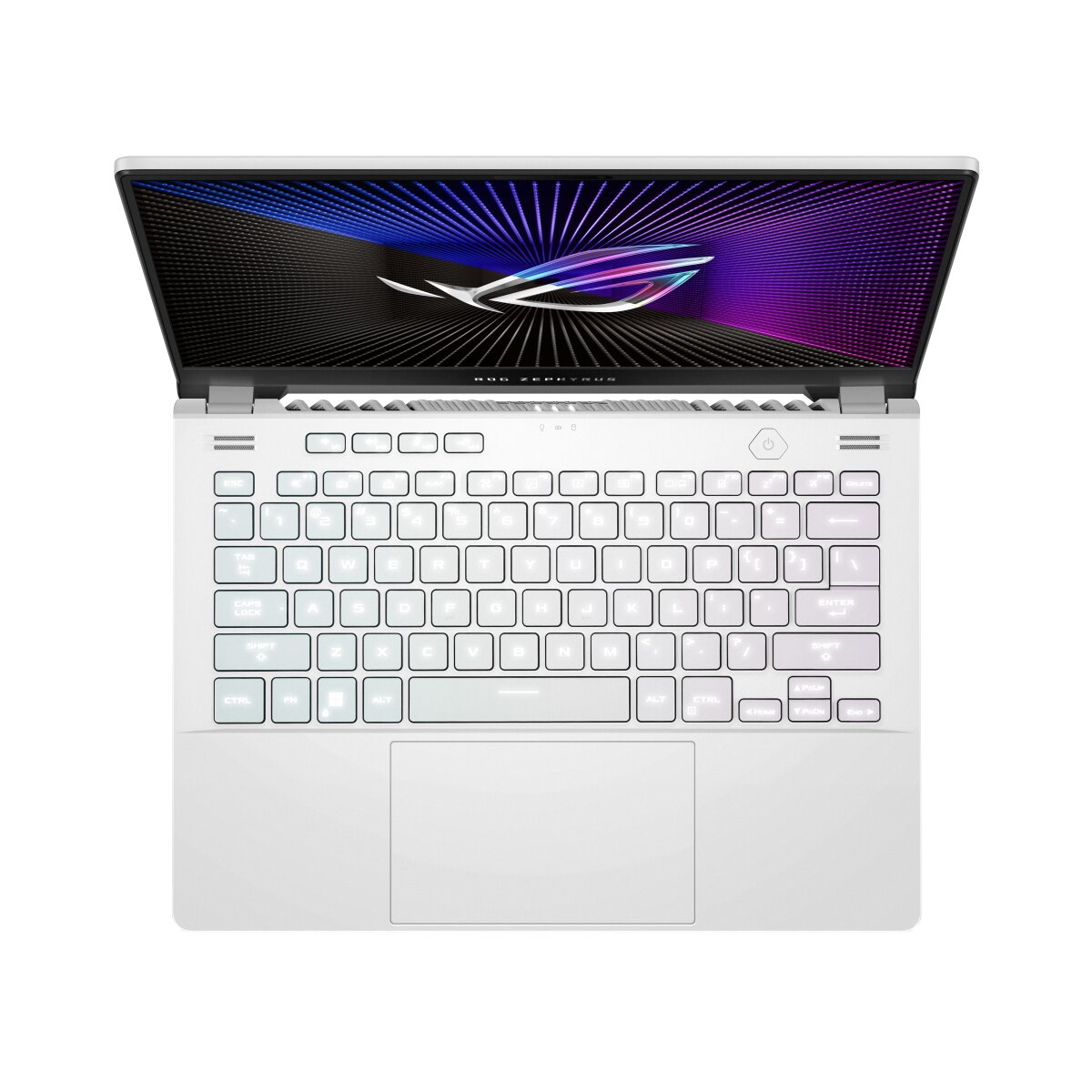



ASUS ROG Zephyrus G14 GA402XZ-N2005W RAM upgrade specifications include one SO-DIMM slot compatible with DDR5-SDRAM memory operating at 4800 MHz frequency. Maximum memory capacity supported reaches 32 GB. The laptop features on-board memory combined with one upgradeable SO-DIMM slot, allowing users to expand RAM capacity for enhanced system performance. Compatible DDR5 modules can be installed to achieve maximum memory specifications.
Memory Upgrade Specifications
| Specification | Value |
|---|---|
| Memory slots | 1x SO-DIMM |
| Form factor | On-board + SO-DIMM |
| Memory type | DDR5-SDRAM |
| Frequency | 4800 MHz |
| Maximum RAM | 32 GB |
| Voltage | 1.1V |
| Number of pins | 262-pin |
| Interface | PC5 |
| PC Speed Rating | PC5-4800 (PC5-38400) |
| Bandwidth | 38.4 GB/s |
Additional Notes
- The ASUS ROG GA402XZ-N2005W uses a hybrid memory configuration with soldered on-board DDR5 and a single SO-DIMM slot, meaning the base capacity cannot be removed or replaced without desoldering.
- Upgrading beyond factory configuration requires purchasing a DDR5 SO-DIMM module matching 4800 MHz specification, as mixing speeds forces both modules to operate at the lower frequency, potentially reducing performance gains from the upgrade.
- Single SO-DIMM architecture limits maximum expandable capacity to 32 GB total, with the upgrade path constrained by the soldered memory already occupying half the system's memory bandwidth allocation.
- SO-DIMM modules rated for 4800 MHz carry higher latency profiles than desktop equivalents and generate more heat per watt, requiring validation that the thermal management in this mobile form factor handles sustained multi-threaded workloads without throttling the upgrade module.
- Warranty coverage for memory upgrades typically voids coverage only on the installed module itself; however, any thermal damage to adjacent soldered components from installation stress or incompatible modules may trigger denial of coverage across the entire system.
- The 1x SO-DIMM slot design prevents dual-channel memory configuration, forcing all system memory to operate in single-channel mode regardless of upgrade capacity, which creates measurable performance loss in bandwidth-dependent workloads compared to dual-slot laptop architectures.