ASUS ROG 90NR0AY2-M003P0 RAM upgrade specifications


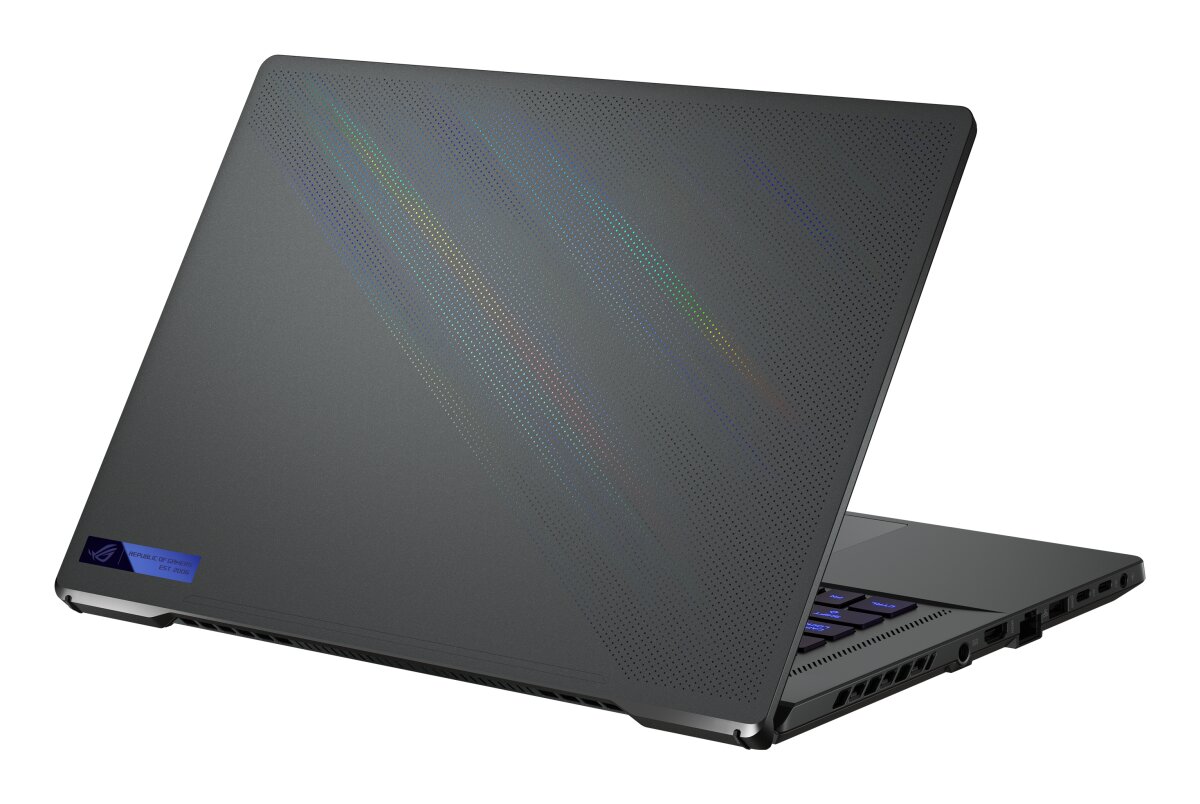

The ASUS ROG Zephyrus G15 model 90NR0AY2-M003P0 features DDR5-SDRAM memory specifications for system upgrades. The laptop contains 1 SO-DIMM slot compatible with DDR5 memory modules operating at 4800 MHz frequency. Maximum RAM capacity reaches 48 GB through the combination of on-board memory and the available SO-DIMM slot. Memory upgrades to specifications utilizing the single upgrade slot enable users to expand total system memory capacity. Compatible DDR5-SDRAM modules support the maximum configuration for enhanced multitasking and performance capabilities.
Memory Upgrade Specifications
| Specification | Value |
|---|---|
| Memory slots | 1x SO-DIMM |
| Form factor | On-board + SO-DIMM |
| Memory type | DDR5-SDRAM |
| Frequency | 4800 MHz |
| Maximum RAM | 48 GB |
| Voltage | 1.1V |
| Number of pins | 262-pin |
| Interface | PC5 |
| PC Speed Rating | PC5-4800 (PC5-38400) |
| Bandwidth | 38.4 GB/s |
Additional Notes
- The hardware architecture of this ASUS ROG 90NR0AY2-M003P0 utilizes an asymmetrical memory configuration consisting of permanent soldered modules and a single expansion slot.
- Upgrading the SO-DIMM slot to a 32 GB module is necessary to reach the maximum stated capacity due to the 16 GB soldered baseline typical of this platform.
- Dual-channel operation only functions in a synchronous state for the capacity matched between the soldered memory and the expansion stick while the remaining portion operates in single-channel mode.
- Installing memory with higher frequency ratings will result in an automatic downclock to 4800 MHz to maintain stability with the soldered system timings.
- Physical installation requires strict adherence to thin-profile SO-DIMM standards as heat spreaders on aftermarket RAM may interfere with the chassis back panel clearance.
- Non-volatile memory settings in the BIOS limit voltage adjustments for the expansion slot which restricts the use of high-performance XMP profiles for overclocked RAM.
- Total system bandwidth depends on the latency parity between the fixed on-board chips and the user-installed module to prevent memory controller bottlenecks.