ASUS ROG GA503QC-HQ080T RAM upgrade specifications
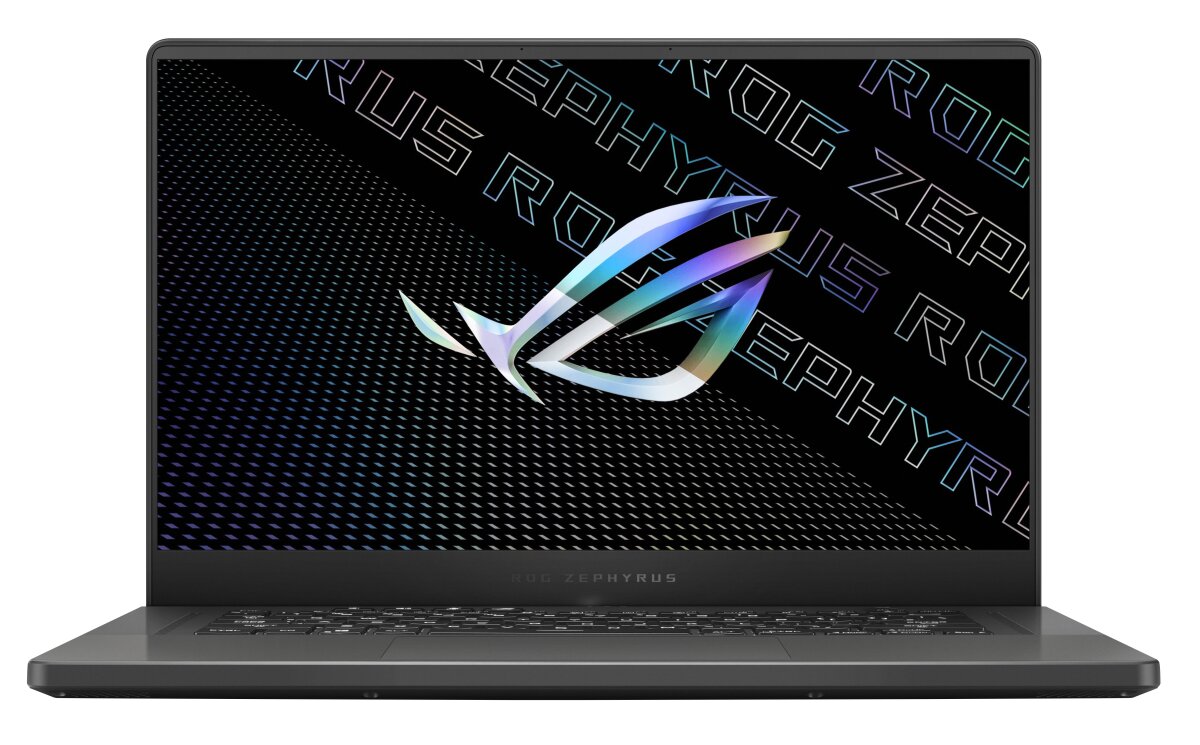
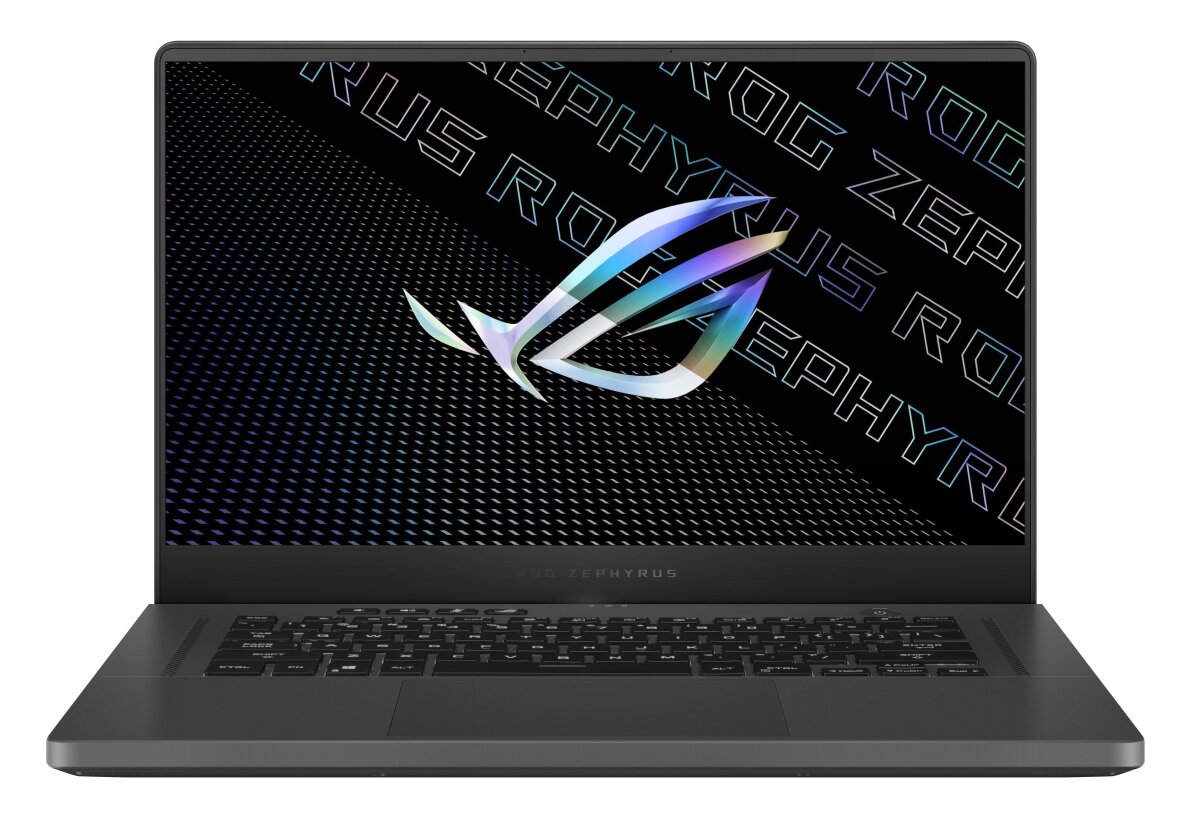
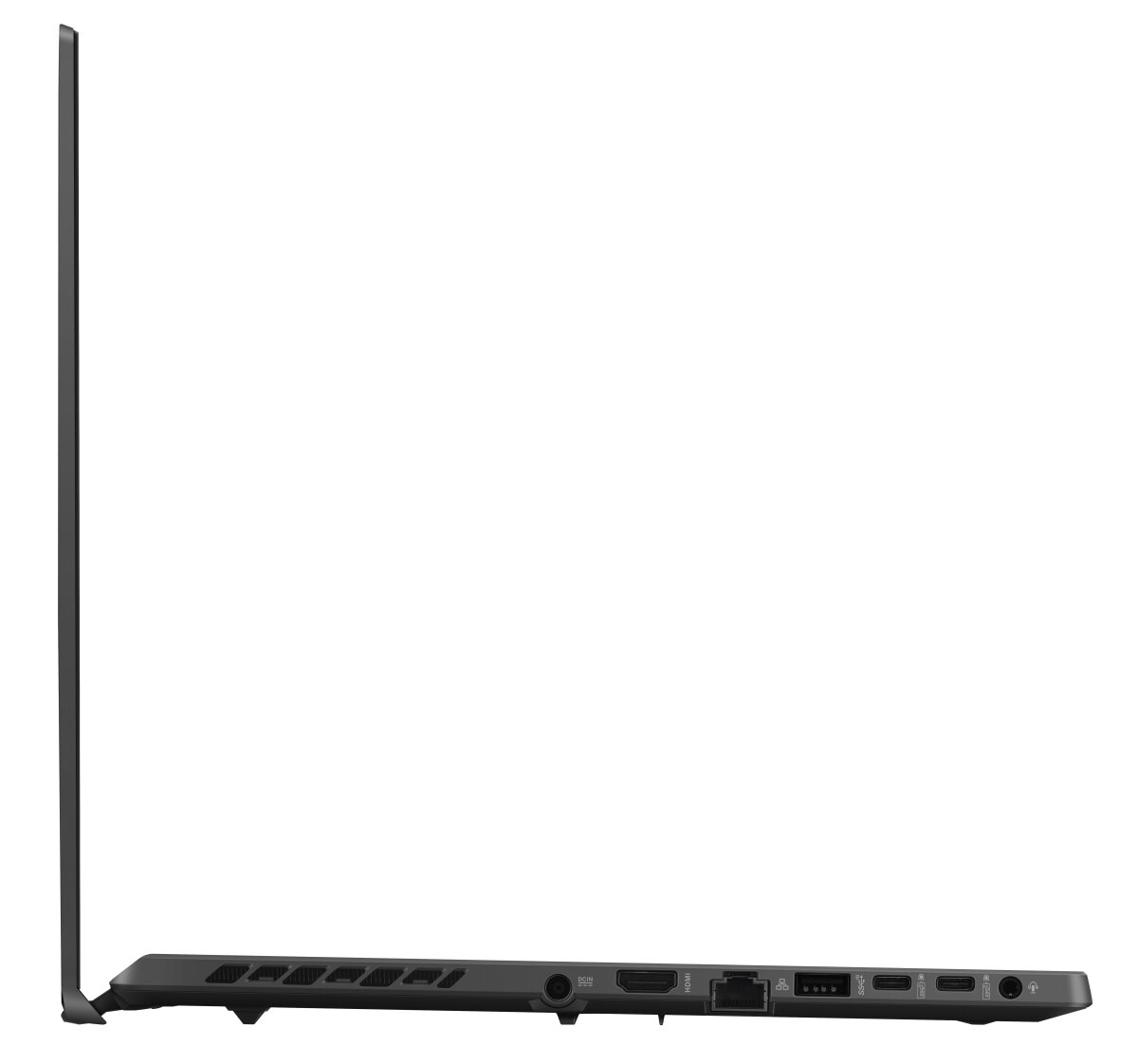
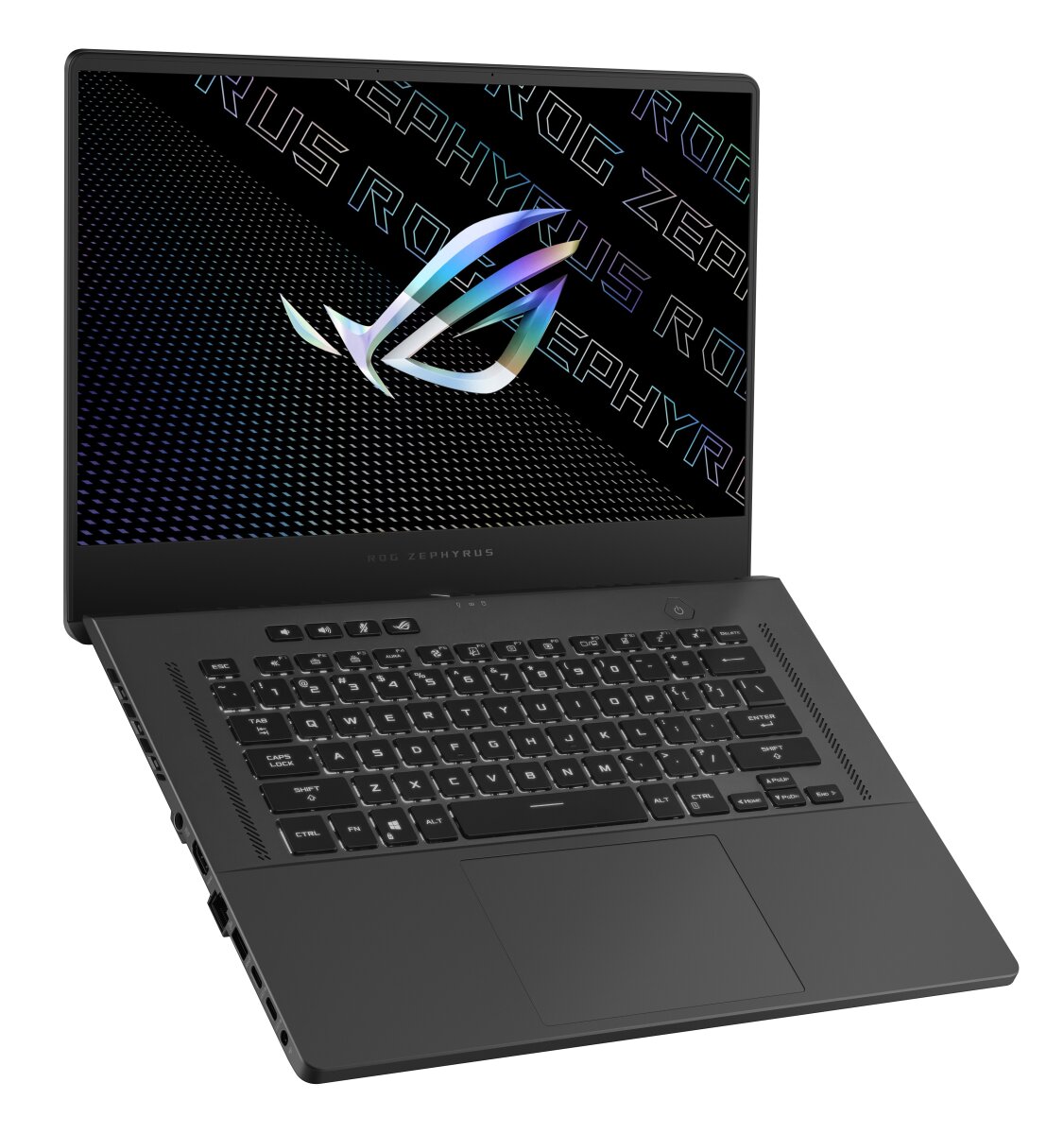
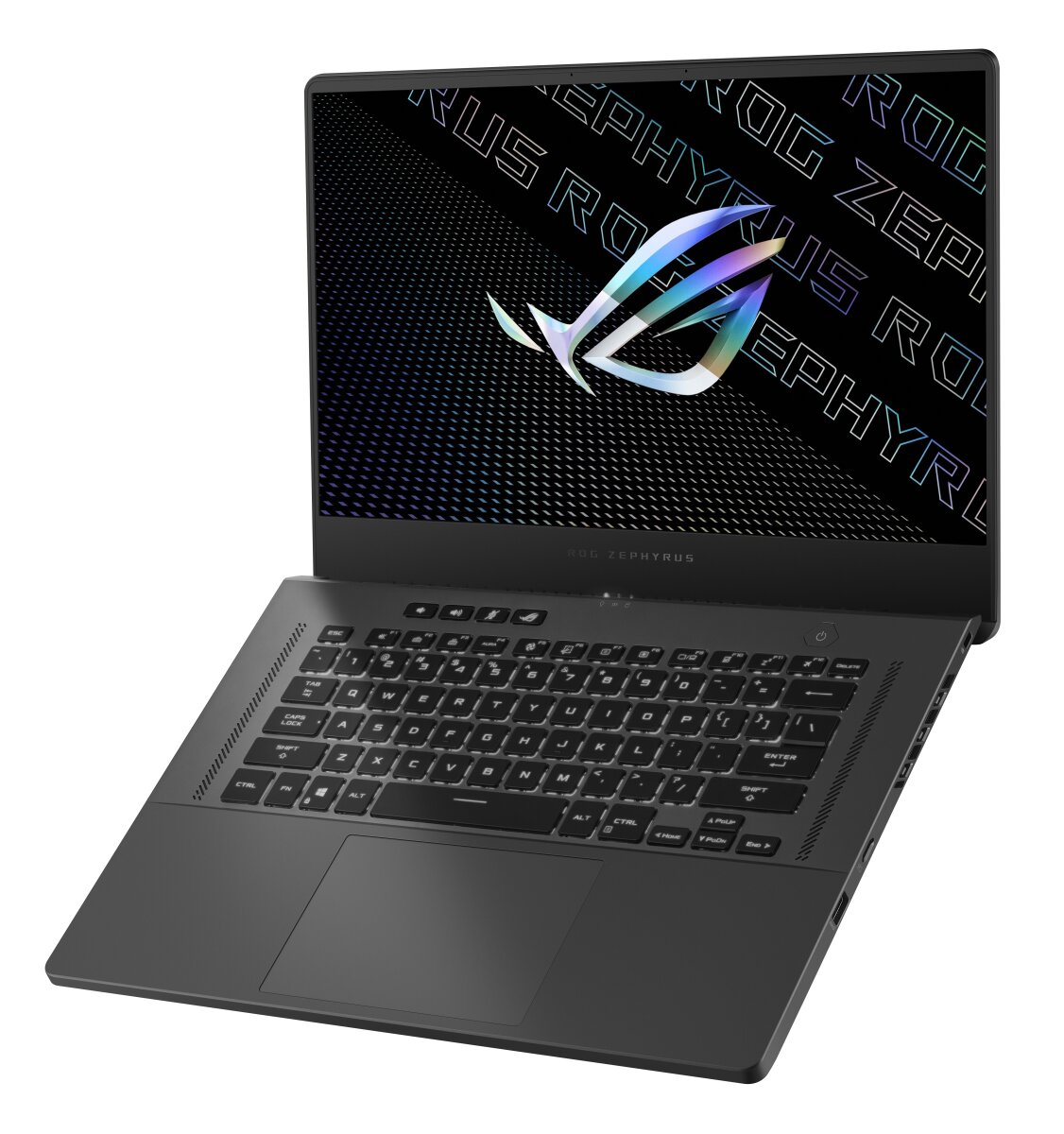
ASUS ROG Zephyrus G15 model GA503QC-HQ080T features DDR4-SDRAM memory upgrade specifications with one SO-DIMM slot available for expansion. The laptop supports maximum RAM capacity of 48 GB through compatible SO-DIMM modules operating at 3200 MHz frequency. Memory configuration combines on-board integrated memory with one upgradeable SO-DIMM slot, allowing users to expand the system's memory specifications beyond factory-installed capacity for enhanced multitasking and application performance capabilities.
Memory Upgrade Specifications
| Specification | Value |
|---|---|
| Memory slots | 1x SO-DIMM |
| Form factor | On-board + SO-DIMM |
| Memory type | DDR4-SDRAM |
| Frequency | 3200 MHz |
| Maximum RAM | 48 GB |
| Voltage | 1.2V |
| Number of pins | 260-pin |
| Interface | PC4 |
| PC Speed Rating | PC4-3200 (PC4-25600) |
| Bandwidth | 25.6 GB/s |
| Laptop Release date | 17 September 2021 |
Additional Notes
- The presence of a single SO-DIMM slot alongside permanent on-board memory prevents a full dual-channel replacement if the soldered module fails.
- Mismatched capacities between the non-removable module and the expansion slot will result in an asynchronous dual-channel configuration where only a portion of the total memory operates at peak bandwidth.
- Expanding the ASUS ROG GA503QC-HQ080T to its maximum 48 GB limit requires the installation of a 32 GB module to supplement the existing 16 GB soldered to the motherboard.
- High-performance latency profiles like XMP are typically unsupported by the firmware, necessitating modules with standard JEDEC timings to ensure stable boot cycles at the rated 3200 MHz frequency.
- Physical access to the expansion slot requires the removal of the entire base panel, which may involve hidden screws beneath rubber feet depending on the specific chassis assembly.
- Thermal overhead increases when utilizing high-density 32 GB modules in the single expansion slot during prolonged memory-intensive tasks.
- Total system bandwidth reverts to the lowest speed detected between the permanent on-board memory and the inserted expansion chip.