ASUS ROG GA503QM-HN007T RAM upgrade specifications
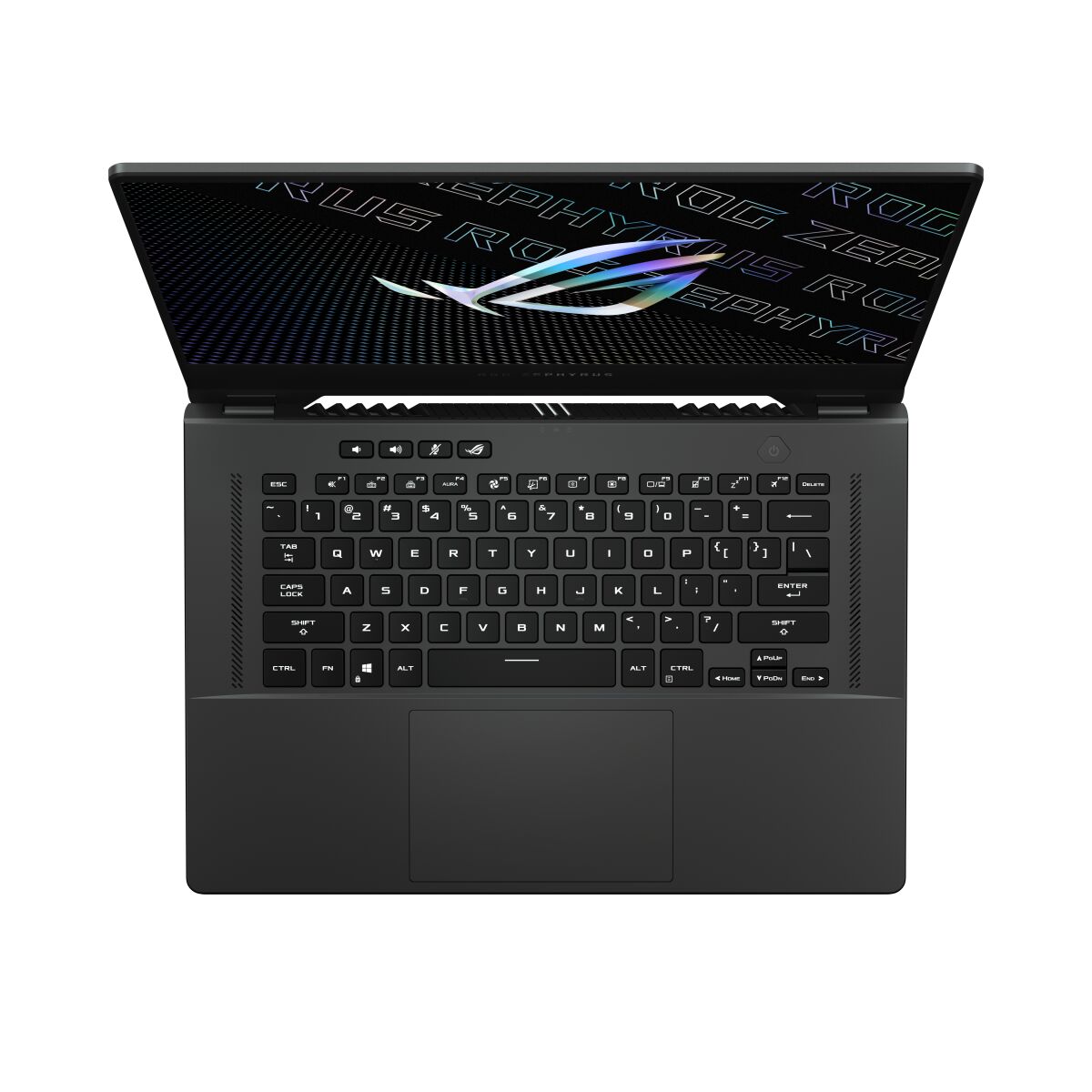
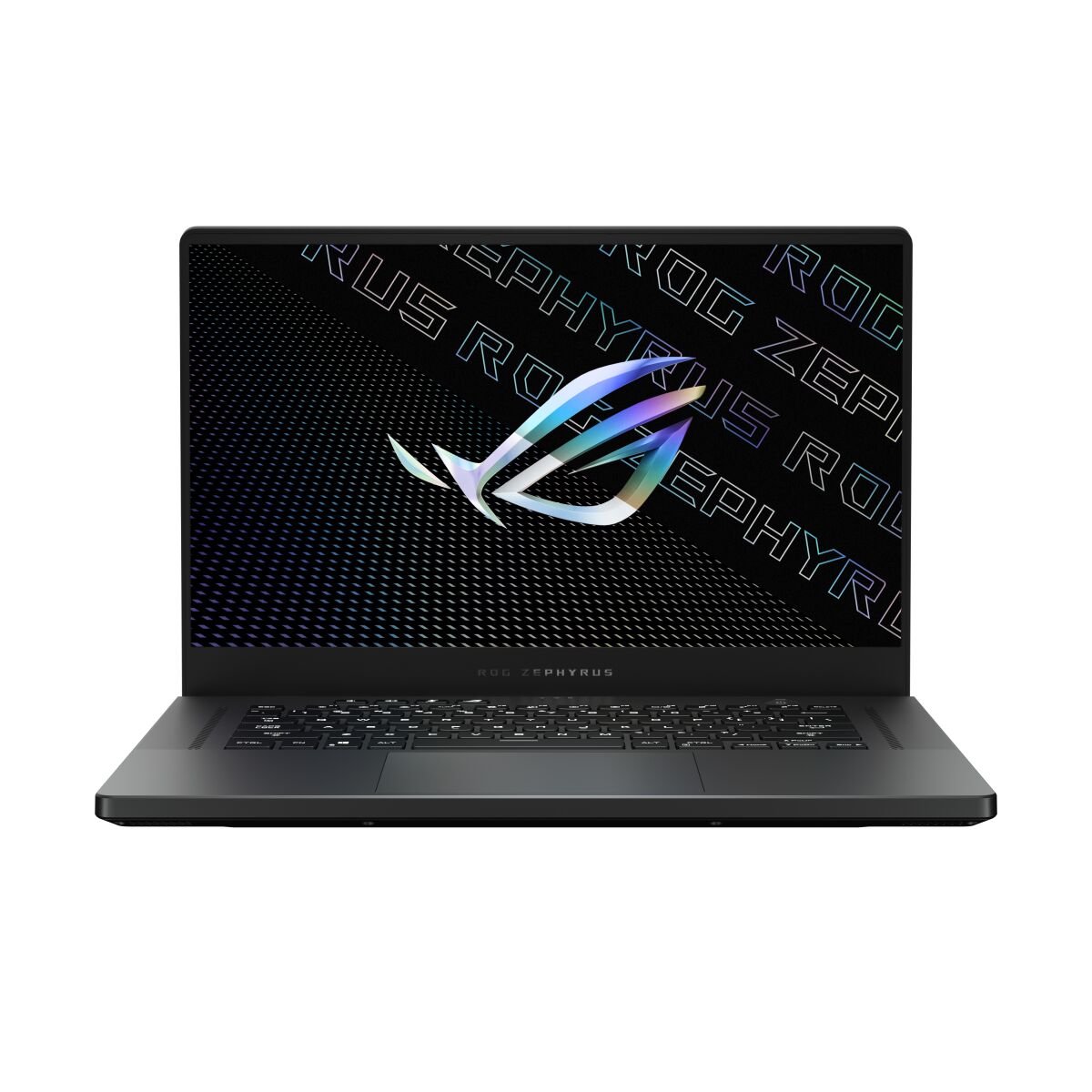
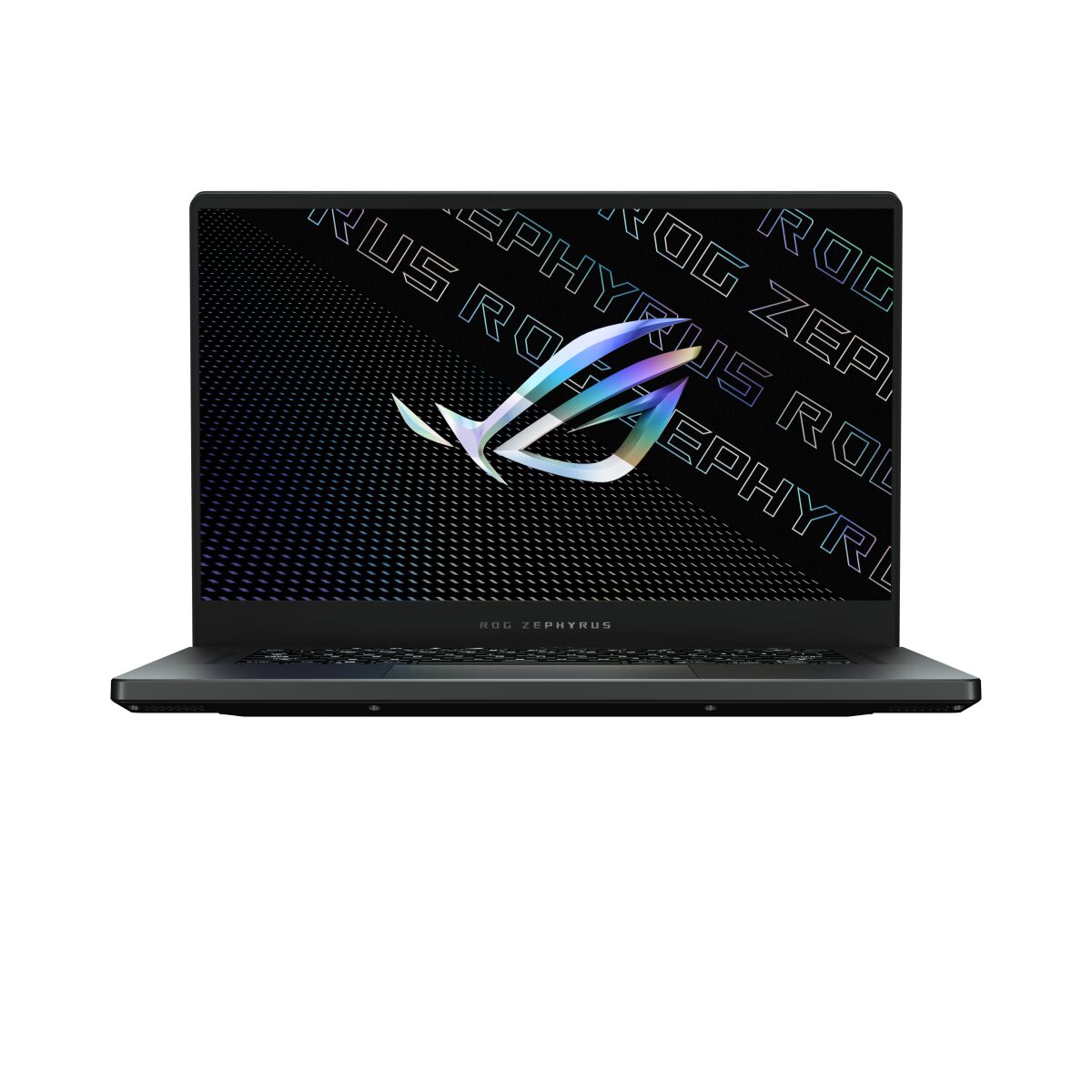
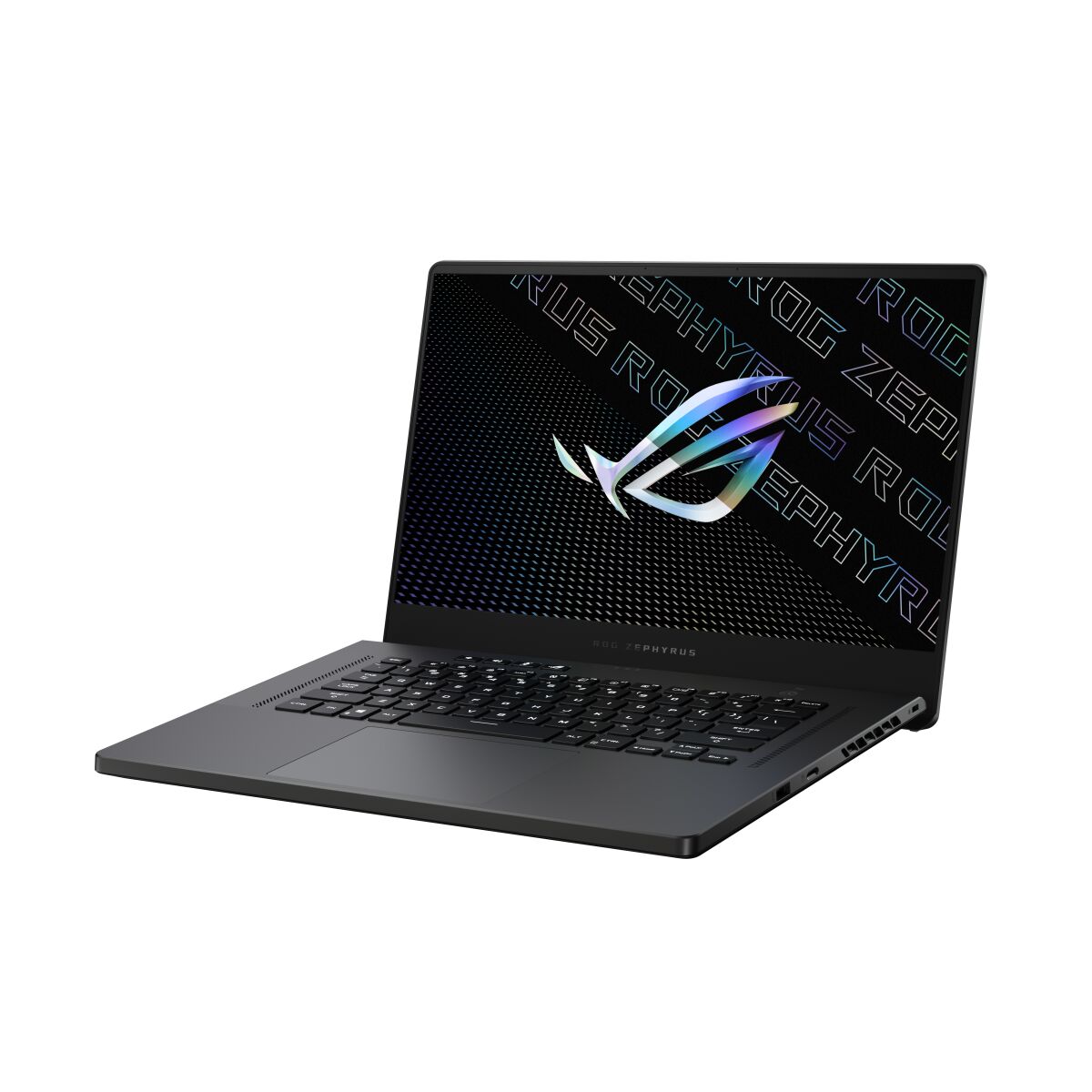
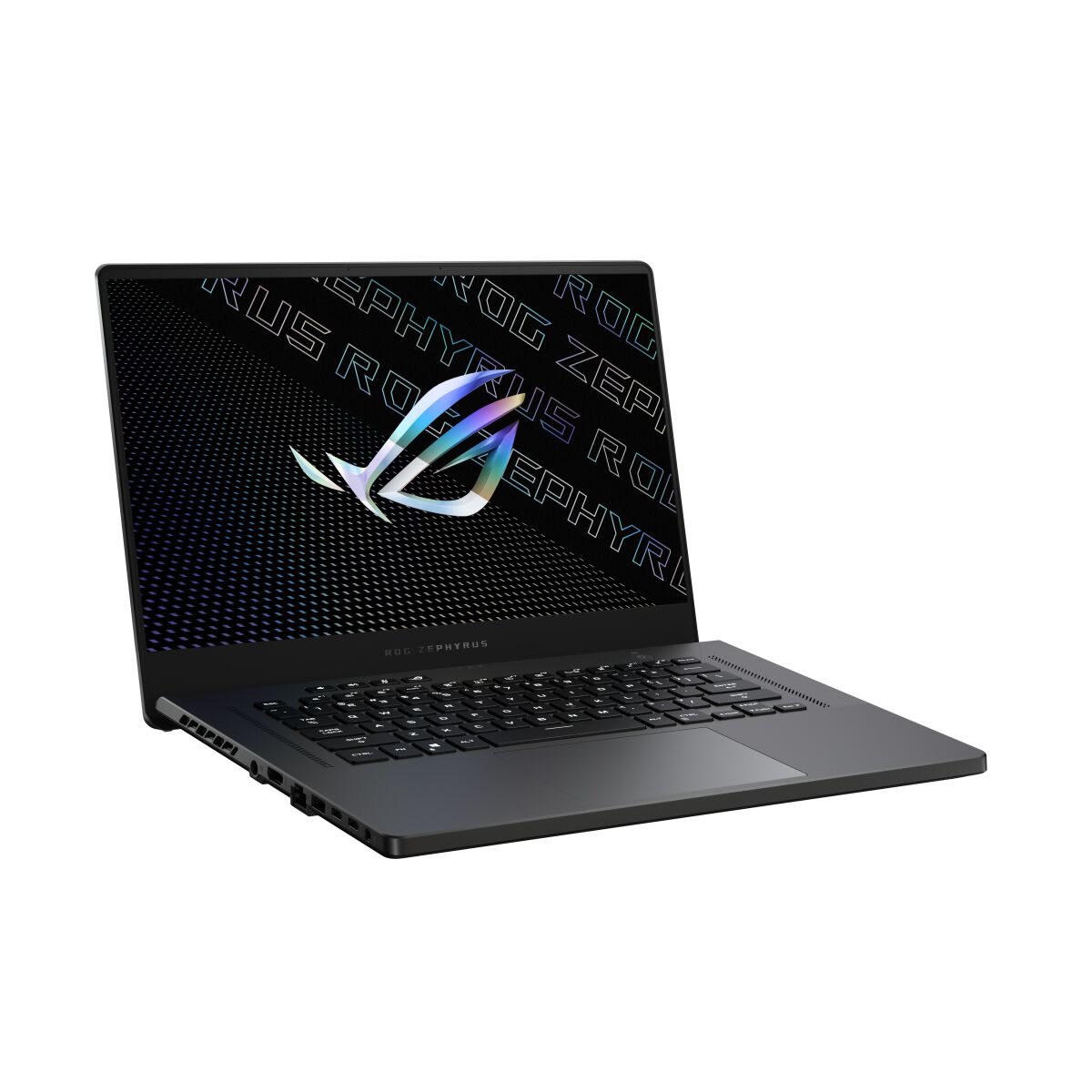
ASUS ROG Zephyrus G15 GA503QM-HN007T features DDR4-SDRAM memory upgrade capabilities with one SO-DIMM slot for expansion. The laptop contains on-board memory combined with one upgradeable slot, supporting maximum RAM capacity of 24 GB. Memory specifications include DDR4 technology operating at 3200 MHz frequency. Compatible memory upgrades utilize SO-DIMM form factor for this gaming laptop model.
Memory Upgrade Specifications
| Specification | Value |
|---|---|
| Memory slots | 1x SO-DIMM |
| Form factor | On-board + SO-DIMM |
| Memory type | DDR4-SDRAM |
| Frequency | 3200 MHz |
| Maximum RAM | 24 GB |
| Voltage | 1.2V |
| Number of pins | 260-pin |
| Interface | PC4 |
| PC Speed Rating | PC4-3200 (PC4-25600) |
| Bandwidth | 25.6 GB/s |
| Laptop Release date | 13 December 2020 |
Additional Notes
- The ASUS ROG GA503QM-HN007T contains soldered on-board memory paired with a single SO-DIMM slot, creating an asymmetrical configuration that limits total capacity expansion to 24 GB rather than the typical 32 GB ceiling for dual-slot systems.
- DDR4-3200 operation requires matching the soldered portion's speed; aftermarket SO-DIMM modules operating below 3200 MHz will force the entire memory subsystem to downclock, reducing bandwidth availability to the GPU and CPU cache operations.
- The single upgradeable slot accepts only one module, meaning users cannot achieve balanced dual-channel performance through addition; the on-board memory remains on one channel regardless of the SO-DIMM capacity selected.
- Exceeding the 24 GB ceiling requires replacing the soldered on-board chip rather than upgrading the SO-DIMM, a procedure that voids standard manufacturer warranty and demands micro-soldering equipment.
- SO-DIMM compatibility is restricted to verified DDR4 modules with CAS latency ratings of 22 or lower; higher latency chips introduce memory access delays that compound during sustained multithreaded workloads.
- The single SO-DIMM slot houses the only user-accessible upgrade path; failure to seat the module correctly (improper angle or insufficient pressure) produces no boot POST codes, leaving diagnostic isolation to physical reinsertion verification.